 Free shipping on orders over £29,85
  Shipping Tracking!


 Google
 Facebook
← Back to With one kg of GLS-50 silicone rubber, how many liters can I make?
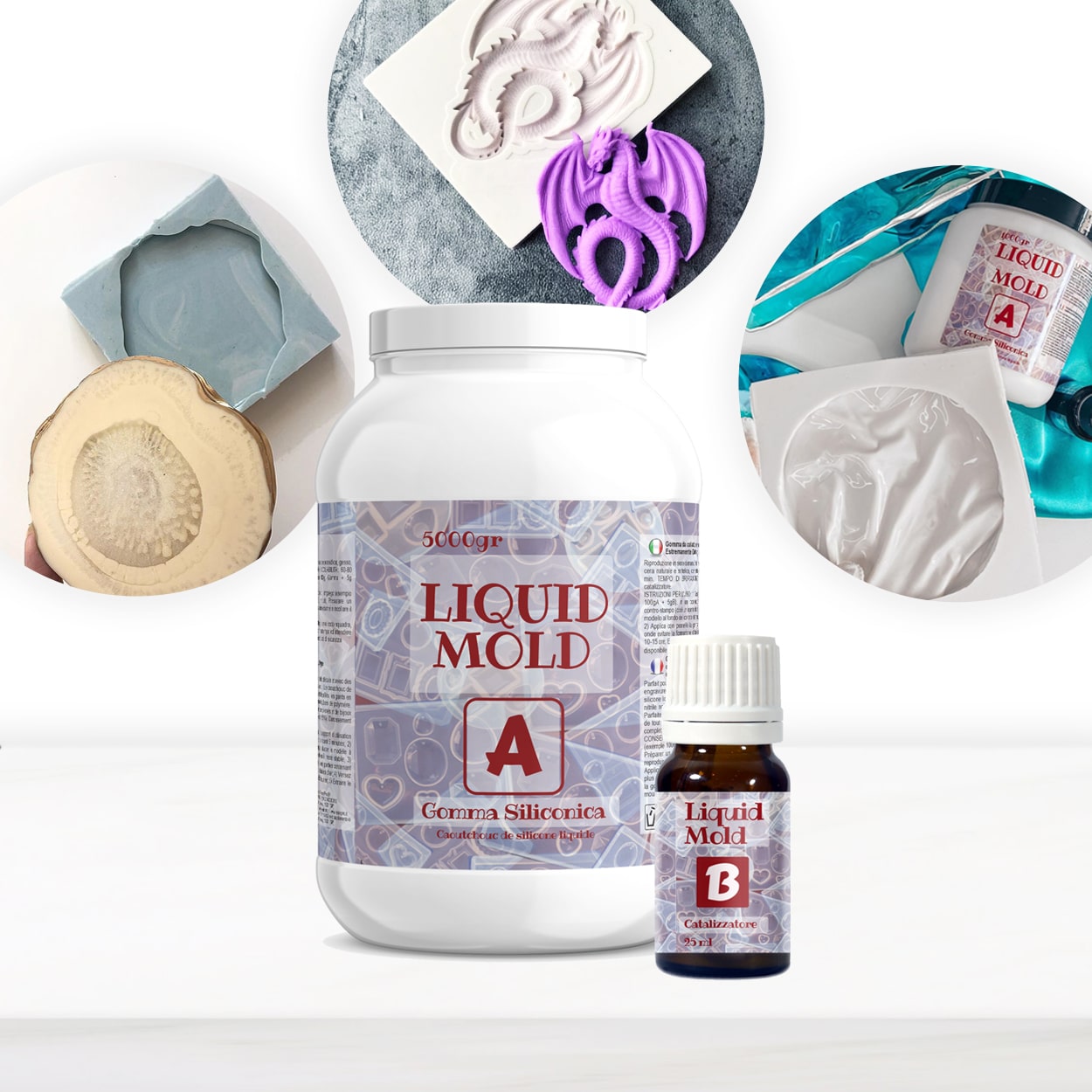
If you are preparing to use GLS-50 silicone rubber for mould making, understanding the catalyst requirements is crucial for a successful project. Mixing and curing properties depend on proper catalyst addition.
Why a Catalyst Is Essential for GLS-50 Silicone
GLS-50 silicone rubber is a bi-component product, typically referred to as an A+B system. The base silicone (part A) must be mixed with a specific quantity of catalyst or hardener (part B) before it can cure. Failing to add the catalyst will leave the silicone in a liquid, unusable state, preventing proper mould formation.
How to Mix the Catalyst and Silicone
Always refer to the manufacturer’s recommended mix ratios, which are generally provided by weight. Accurate weighing and thorough mixing are vital—insufficient mixing can result in soft spots or incomplete curing. For best results, pour slowly and avoid whipping air into the mixture to minimise bubbles in your final mould. Products such as the “Liquid Mould” – Casting Liquid Silicone Rubber, 15 Shores 20.8 kg require this attention to detail for optimal performance.
When This Matters
Adding the catalyst is especially important if you want reliable detail reproduction in your moulds, whether working with resin, soap, or wax. A proper catalyst mix ensures the silicone retains its mechanical strength and complex detail-capturing ability.
Related products
Related guides
For those working with GLS-50 or similar A+B system silicones, always verify and follow the correct catalyst ratio to ensure successful mould making. For further advice on working with silicone rubber, visit our main guide on GLS-50 silicone volume and usage.