 Free shipping on orders over £29,85
  Shipping Tracking!


 Google
 Facebook
With one kg of GLS-50 silicone rubber, how many liters can I make?
Accurately estimate silicone mould volumes for your project
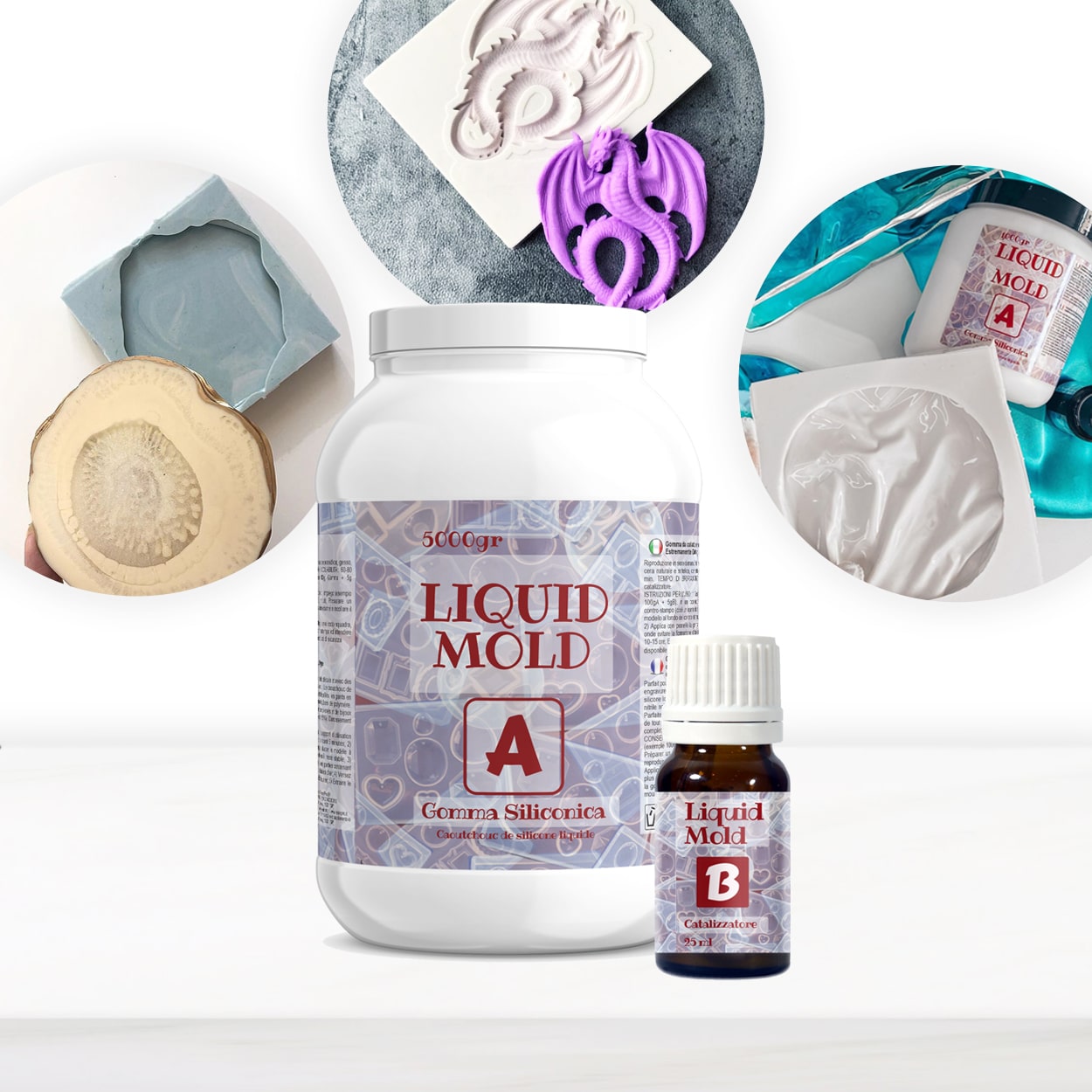
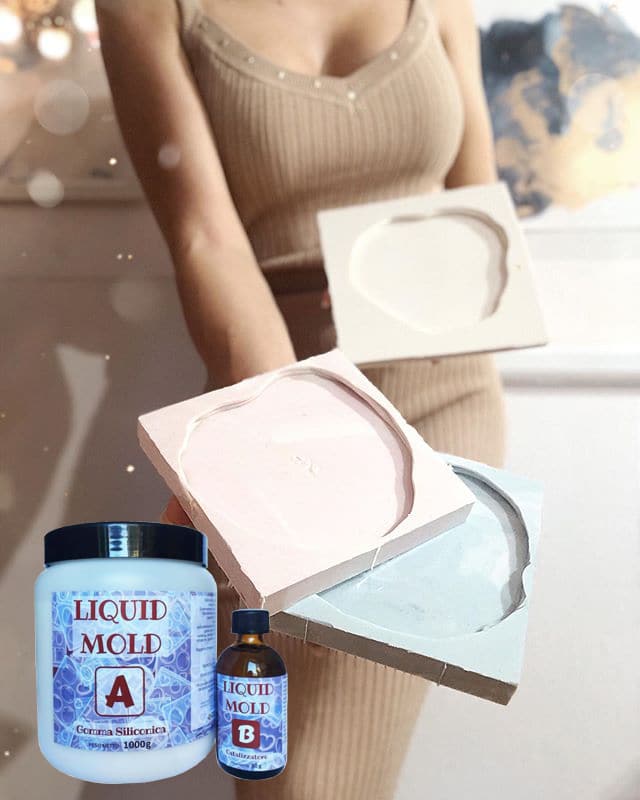
If you are planning to create detailed silicone moulds for resin, soap, candles, or technical casting projects, it’s crucial to know how much moulding volume you can achieve with each kilogram of GLS-50 silicone rubber. This guide is designed for artists, craftspeople, and professionals looking to accurately estimate their material needs, select the right product, and maximise efficiency in mould making.
Volume Yield: How Much Does 1kg of GLS-50 Silicone Rubber Cast?
One of the most common questions when working with liquid silicone rubber is how many litres a given weight can produce. For standard GLS-50 and similar silicone rubbers, the density is typically very close to 1.1 to 1.2 g/cm³. This means 1 kg (1000 g) of silicone rubber will yield approximately 830–900 ml (0.83–0.9 litres) of finished material when mixed and poured. This slight difference from 1:1 is due to silicone’s slightly higher density than water—so always allow for this when calculating materials for your moulds.
This conversion is essential for determining how many moulds or what size projects you can complete from your silicone supply. The actual volume yield may vary a little between specific products, especially if additives or fillers are included. Always consult the technical data sheet (TDS) for precise information if your project demands high accuracy.
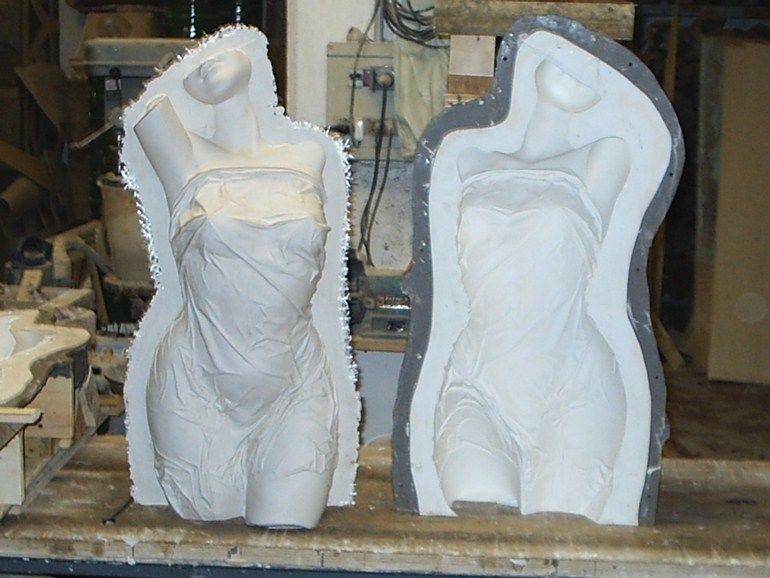
Visual Guide: Calculating Silicone Rubber Volume
When measuring how many litres come from 1kg of GLS-50 silicone rubber, use the density (typically 1.1–1.2 g/cm³) as a conversion guide. Pouring 1kg will yield roughly 0.85–0.9 litres—this is helpful for precise project planning, reducing waste, and ensuring you have enough material before starting your mould-making work.
“Liquid Mould” – Casting Liquid Silicone Rubber, 15 Shores 20.8 kg
The “Liquid Mould” – Casting Liquid Silicone Rubber, 15 Shores 20.8 kg is ideal for those requiring large volumes and extremely accurate detail replication. This bi-component A+B system is specially formulated for casting intricate and complex shapes, including undercuts and fine surface textures. Suited to technical, artistic, and industrial applications, it excels in making moulds for bronze statues, decorative ceramics, garden ornaments, candles, jewellery, and prototypes. Its compatibility with resins, waxes, plasters, and even concrete provides versatility across many creative and manufacturing disciplines.
Bi-component A + B casting liquid silicone rubber, Suitable for moulds with fine details and noticeable undercuts, Compatible with resin, soap, polymer pastes, plaster, wax and concrete, High mechanical characteristics for technical and artistic uses, and Commonly used for serial reproduction and complex shapes.
“Liquid Mould” – Casting Liquid Silicone Rubber, 5-40 Shores, Bi-Component A+B
The “Liquid Mould” – Casting Liquid Silicone Rubber, 5-40 Shores, Bi-Component A+B gives you a flexible choice of hardness (shore) for your project, covering everything from small objet d’art to repeated industrial castings. Like the 15 Shore version, it is engineered for exceptional detail due to its flow and fine reproduction abilities. Its formula makes it very suitable for making moulds with deep undercuts, complex forms, and fine features, making it an excellent option for jewellery, figurines, or crafts where sharp definition is critical.
Designed for moulds and casting with bi-component system (A+B), Compatible with resin, soap and polymer pastes, and Suitable for complex shapes with undercuts and fine details.
“Pure Mould” – Translucent Liquid Silicone Rubber for Mould Making
If you need a translucent finish for visual inspection or require a platinum-cure, non-toxic solution, the “Pure Mould” – Translucent Liquid Silicone Rubber for Mould Making stands out. This platinum-based system offers a reliable 1:1 mix ratio, quick cure time, and very low shrinkage, making it particularly attractive for professional modellers, intricate resin crafts, and anyone who needs to see through the material as it cures. Its resistance and reusability also make it a sustainable choice for repeated casting tasks.
Platinum based translucent liquid silicone rubber with a mixing ratio 1:1 with catalysis in 3-8 hours. Suitable for epoxy, polyester, polyurethane, acrylics, cements and plasters. Certified non-toxic, solvent-free and odorless, with high mechanical characteristics for durable and reusable moulds.
Choosing the Right Silicone Rubber for Your Mould Volume
When deciding on the right silicone rubber for your casting project, always factor in the desired final volume, level of detail, and special properties needed—such as translucency or non-toxicity. For most creative or technical work where you need to precisely calculate litres per kilogram, both Liquid Mould variants are excellent choices. For projects requiring visibility through the mould, optimal flexibility, or food-safety, Pure Mould will be most suitable. Don’t forget that actual volume from 1 kg is slightly less than 1 litre—so allow a margin when calculating for large pour volumes, or when moulding intricate undercuts where more material may be required.
Pro Tips for Efficient Mould Making
Always measure carefully, mixing only what you need for your mould. Double-check density if you are using additives, as these may alter yield. Choose rubber that matches your fine detail requirements, flexibility, and project scale for the best final result.
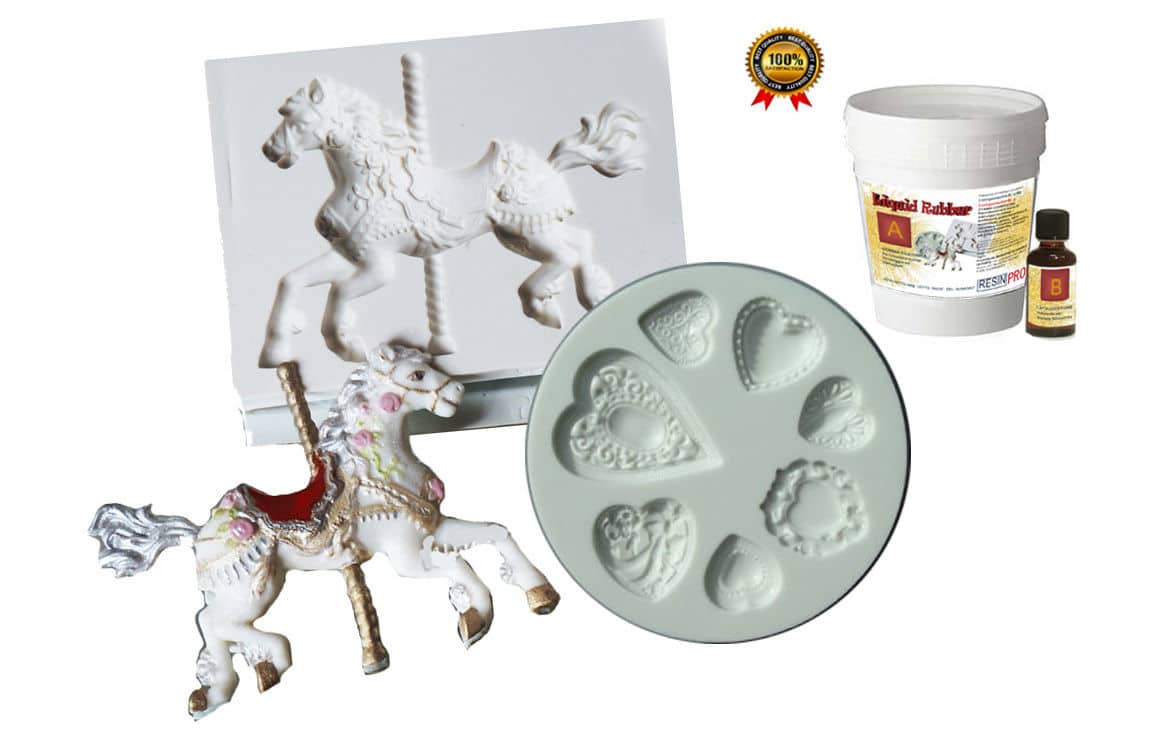
- "Liquid Mould" – Casting Liquid Silicone Rubber, 15 Shores 20.8 kg£348.85"Liquid Mould" casting silicone rubber is suitable for making detailed moulds and reproductions in a precise and controlled manner.
- "Liquid Mould" – Casting Liquid Silicone Rubber, 5-40 Shores, Bi-Component A+BPrice range: £14.45 through £387.45"Liquid Mould" is a casting liquid silicone rubber designed for moulds and suitable for making highly detailed reproductions and intricate objects.
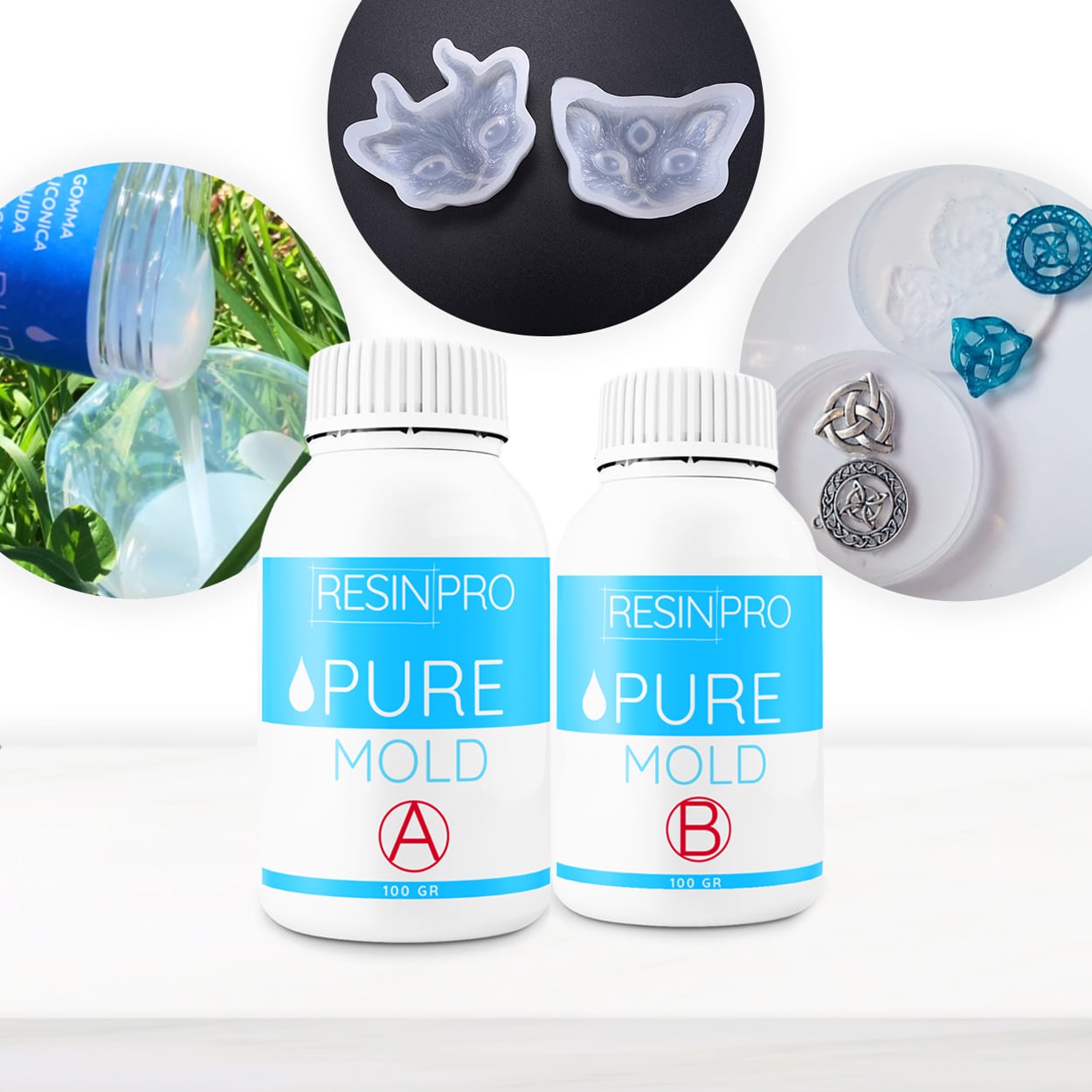 "Pure Mould" – Translucent Liquid Silicone Rubber for Mould MakingPrice range: £23.95 through £166.95"Pure Mould" is a translucent platinum-based liquid silicone rubber suitable for mould making and compatible with many materials.
Frequently Asked Questions
How do I convert silicone rubber weight to litres?
Divide the kilogram weight by the material's density (g/cm³), usually 1.1–1.2 for most silicone rubbers. This gives the litres yield.
Does 1kg of silicone make a 1-litre mould?
No. Due to silicone's density, 1kg typically produces around 0.85–0.9 litres, slightly less than water.
Which liquid silicone rubber gives the best detail?
"Liquid Mould" and "Pure Mould" products both deliver excellent fine detail reproduction in professional and craft casting.
Is a catalyst required for GLS-50 silicone?
Yes, all A+B system silicone rubbers require careful catalyst addition according to the mix ratio instructions.
Translucent vs opaque silicone: which should I use?
Translucent silicone, like "Pure Mould", allows you to see the object during curing, which is helpful for inspection and alignment.
How do I avoid waste when making silicone moulds?
Plan your project and measure carefully before mixing. Prepare all mould elements in advance to use the exact required amount.