 Free shipping on orders over £29,85
  Shipping Tracking!


 Google
 Facebook
← Back to How do you paint silicone rubber?
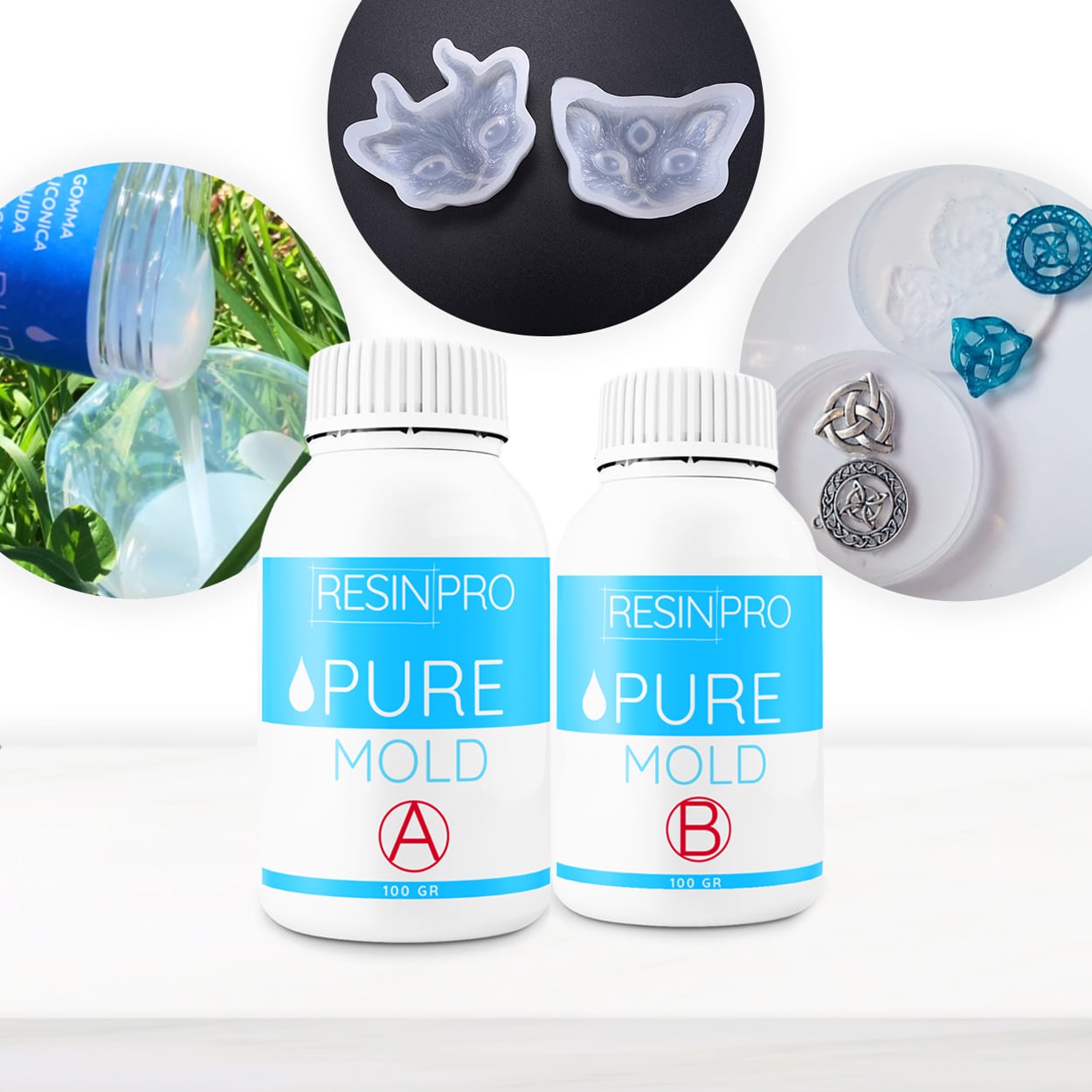
Painting silicone rubber requires careful surface preparation to ensure that paint adheres reliably. Priming is a key step to create a stable base, helping your finishes last longer.
Why You Need a Primer for Silicone Rubber
Silicone rubber is naturally non-stick, which means traditional paints struggle to bond to its surface. Without proper priming, paint will likely flake or peel soon after application. A specialist silicone primer acts as a bridge, promoting strong adhesion between the flexible rubber and your chosen topcoat. Always select a primer designed specifically for silicone surfaces for dependable results.

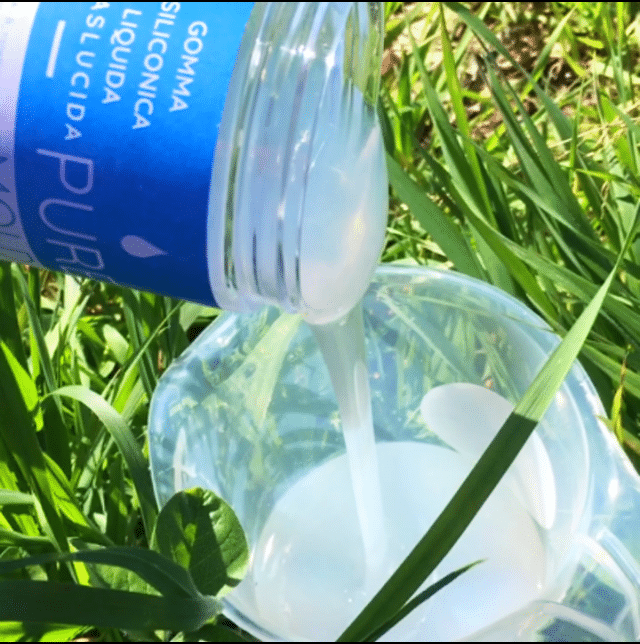
How to Prime and Paint Silicone Rubber
- Clean thoroughly: Before priming, remove dust, oil, or residue using mild soapy water, and let the silicone dry fully.
- Apply specialist primer: Follow the manufacturer’s instructions, applying an even coat to all surfaces you intend to paint.
- Allow to dry: Let the primer cure as recommended. Avoid touching the surface until ready for paint.
- Paint as usual: Once primed, you can apply compatible acrylic or specialist paints that are designed for flexible materials.
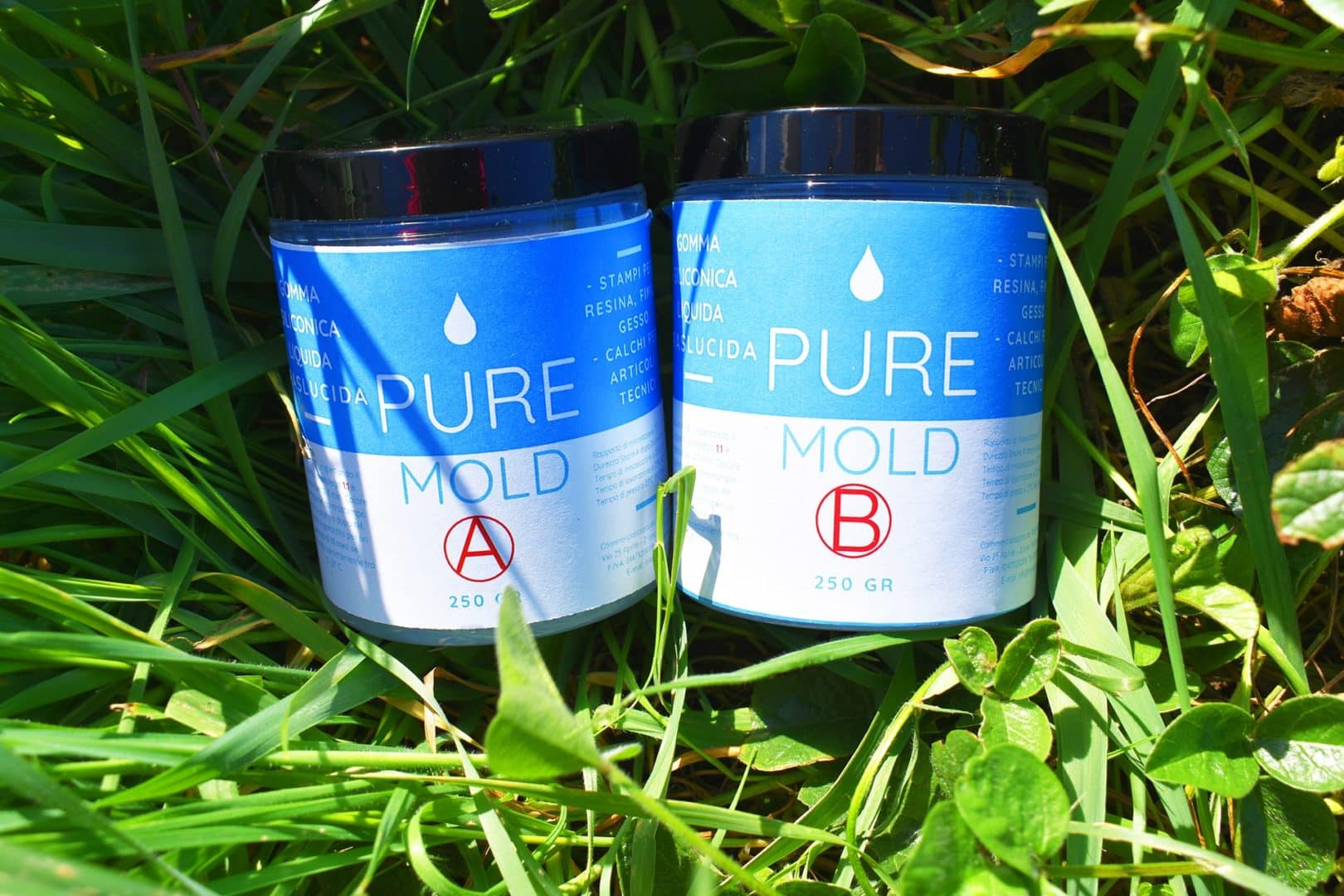
For intricate silicone castings, such as those created with “Pure Mould” silicone rubber, careful priming ensures every detailed edge is ready to receive paint.
When Effective Priming Matters Most
Priming is crucial if your project will be handled regularly, flexed, or exposed to varying conditions. Whether creating durable moulded ornaments or silicone parts that will be moved or bent, the primer greatly extends the life of your painted finish.

Related products
Related guides
Using the right primer is the foundation for successful painting on silicone rubber. If you’re preparing moulded pieces or castings, following proper preparation steps will tie in perfectly with broader advice on how to paint silicone rubber for lasting results.