 Free shipping on orders over £29,85
  Shipping Tracking!


 Google
 Facebook
← Back to How to apply epoxy resin to a floor?


If you are considering freshening up your floors with an epoxy resin coating, a major decision is whether to tackle the job as a DIY project or hire a professional installer. Both approaches are possible, but the best path depends on your requirements and experience.
DIY Epoxy Resin Floor Installation: What’s Involved?
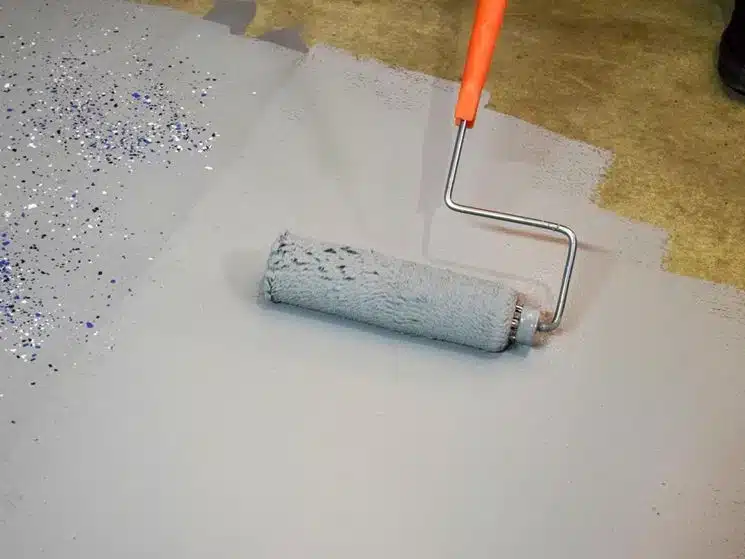
Many epoxy resin flooring systems are suitable for competent DIYers, especially in smaller spaces like home garages or workshops. Success relies on careful preparation of the substrate—thorough cleaning, repairing cracks, and priming with a suitable product, such as the Epoxyprimer for concrete, wood, or tiles. With the right materials, tools, and step-by-step application—mixing, pouring, spreading, and curing—you can achieve attractive results. However, patience and attention to detail are crucial to avoid bubbles, unevenness, or poor adhesion.
When to Consider Professional Installation
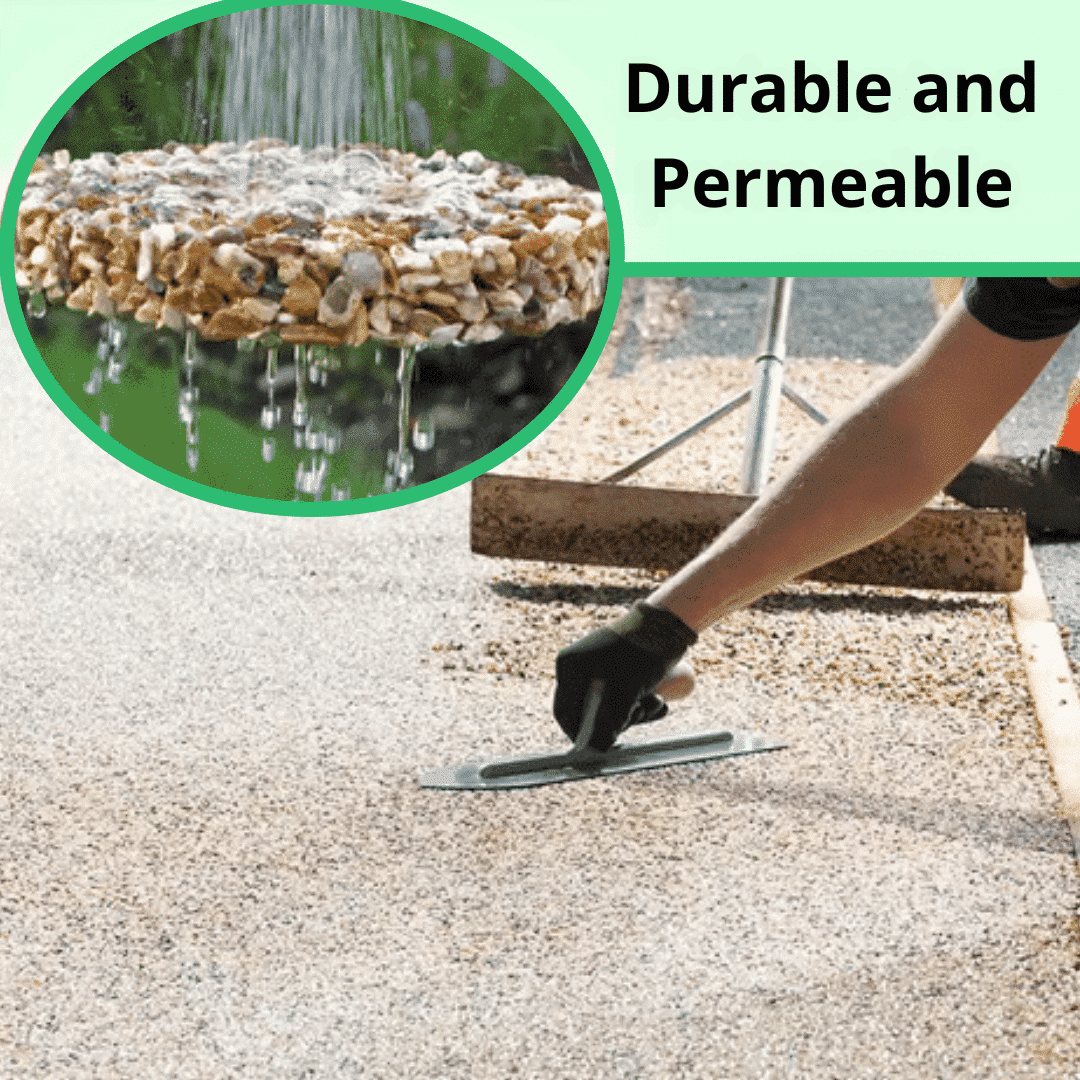
Larger spaces, complex surfaces, or floors in commercial settings usually require a professional touch. Skilled installers bring specialist tools and techniques to ensure uniform results, optimal floor protection, and compliance with safety and performance standards. If your floor has difficult contours or requires significant repair, hiring an expert is often more cost-effective and reliable.
When This Matters
- DIY may suit: Small, regular-shaped domestic areas where you can control temperature and humidity during application.
- Professional help is wise for: Large, high-traffic spaces, intricate designs, or if you lack time or experience for thorough prep and application.
Related products
Related guides
Choosing between a DIY approach and professional epoxy resin floor installation hinges on your project scale, confidence, and desired finish. For detailed application steps and product advice, return to our main flooring guide.