 Free shipping on orders over £29,85
  Shipping Tracking!


 Google
 Facebook
How to apply epoxy resin to a floor?
Proven steps for lasting, attractive, and resilient resin floors
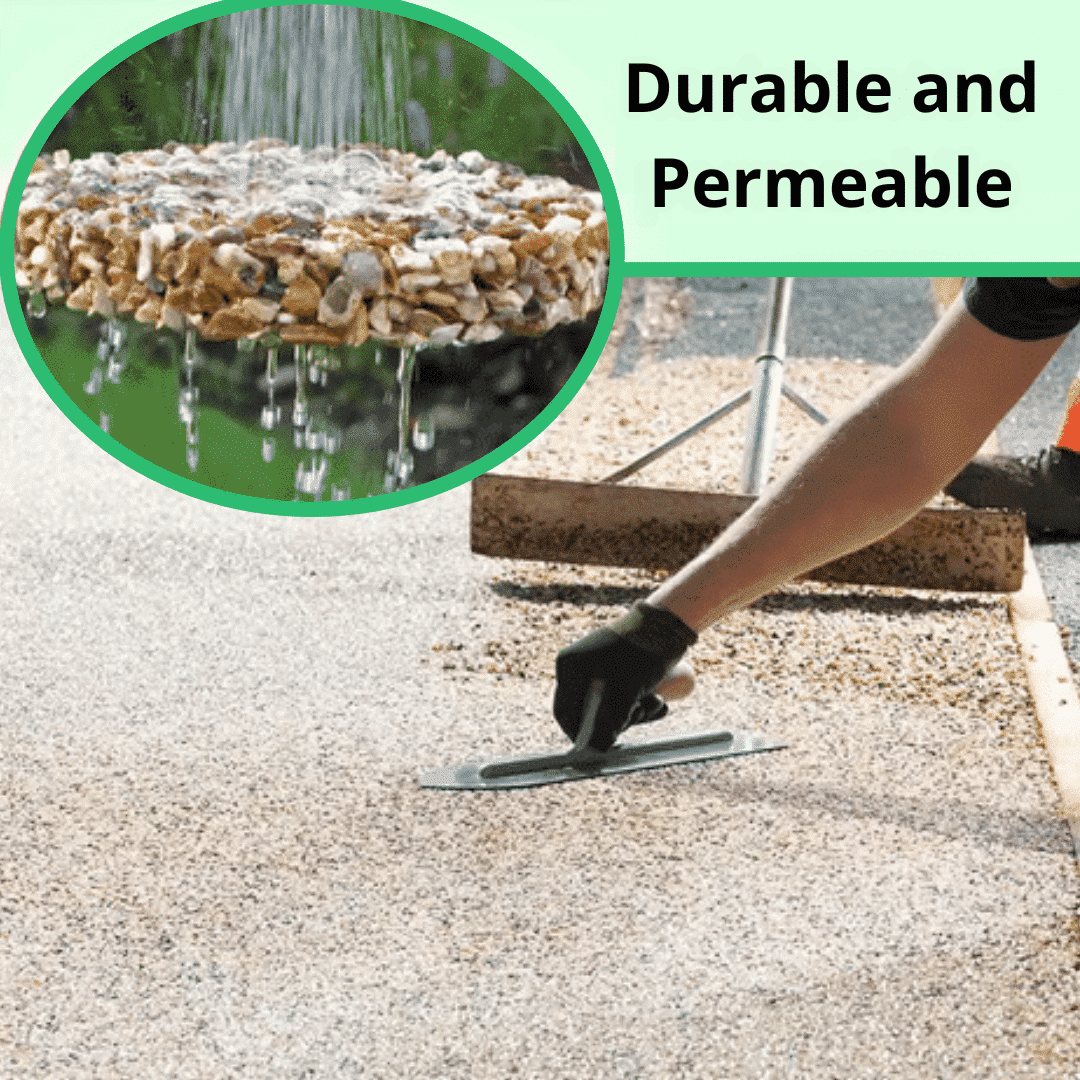
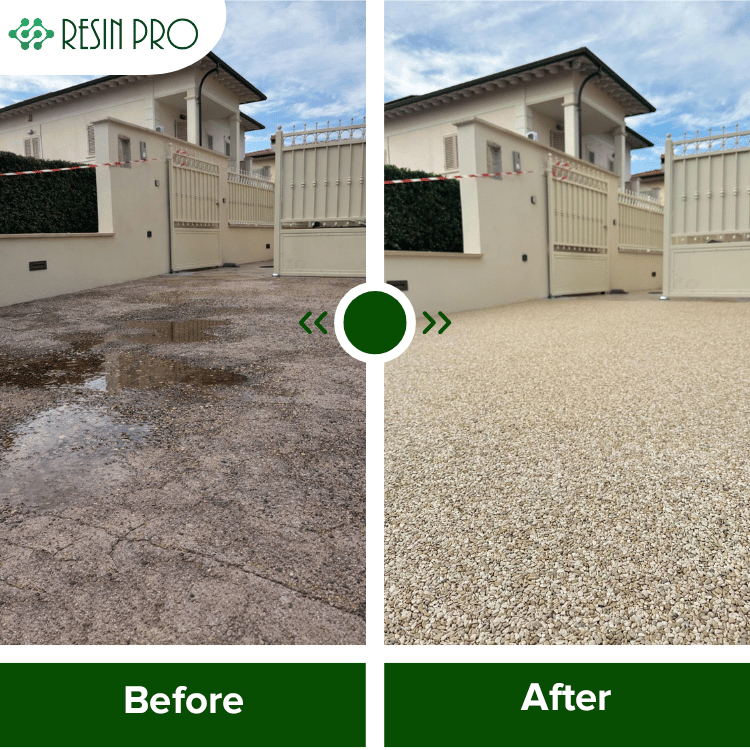
Applying epoxy resin to a floor creates an attractive, durable, and easy-to-clean surface, making it an excellent choice for both homes and commercial spaces. This guide walks you through each step of the process to help you achieve a professional-quality result that stands up to daily use.
What You’ll Need
- “Epoxyprimer” – Universal Water-Based Two-Component Epoxy Floor Primer – A robust primer for stable adhesion to concrete, wood, and tiles.
- “Flowstone” – Complete Permeable Floor Kit with Pebbles and Resin – For decorative and permeable resin pebble floors (optional, for specific project types).
- “Trasparente” – Epoxy Binder for Coloured Pebbles and Grits – For coloured pebble or grit floors (optional, for decorative aggregates).
- “Resinstone” – One-Component Methacrylic Resin for Concrete Floors and Driveways – For sealing and protecting concrete floors (as needed).
- Protective gloves, safety glasses, and a mask
- Rollers, squeegees, brushes, and mixing buckets
- Sandpaper or a floor grinder for surface preparation

Essential Tools for a Smooth Epoxy Floor
Using the right primer, resin, and application tools will help achieve a flawless finish on your epoxy resin flooring project. Choose products formulated for your specific floor type and always follow safety precautions.
Step 1: Prepare the Surface
Thoroughly clean and dry the surface before any epoxy application. Remove all dust, grease, paint, old adhesives, and debris by sweeping, vacuuming, and cleaning with a suitable detergent. For concrete or tile floors, repair any cracks or holes with a suitable filler and allow them to cure fully. If the surface is glossy or sealed, sand or grind it to create a slightly rough texture, ensuring optimal adhesion for the resin.
Moisture is a common problem—wait until the floor is completely dry, and check for rising damp if applying to concrete.
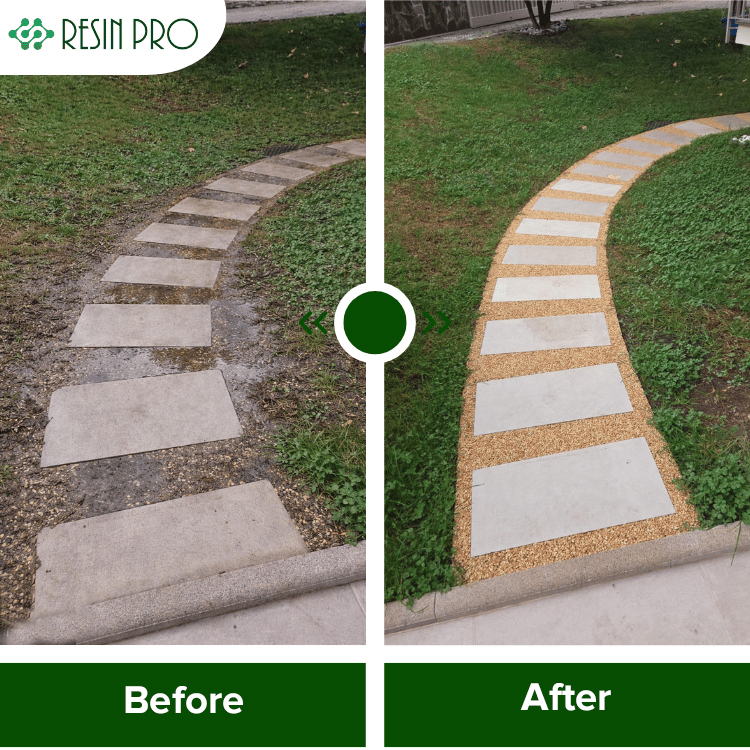
Step 2: Apply the Primer
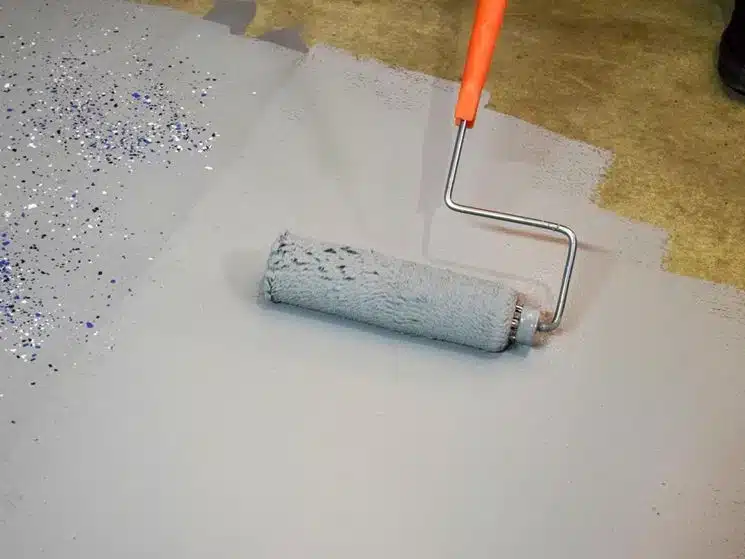
Priming is crucial for preventing bubbles and ensuring a strong bond between the floor and the epoxy layer. Use “Epoxyprimer” – Universal Water-Based Two-Component Epoxy Floor Primer to seal the surface. Mix the two components as instructed, then apply an even coat using a roller or brush. Allow the primer to cure completely according to the product’s recommendations—typically 24–48 hours. Do not proceed until the primer is fully dry to the touch.
Step 3: Mix and Apply the Epoxy Resin
Prepare your epoxy resin in small batches as per manufacturer guidelines, mixing thoroughly to avoid unmixed material that can lead to weak spots or a tacky surface. Pour the mixed resin onto the floor, spread it evenly with a notched trowel, roller, or squeegee, working in manageable sections. Avoid trapping air—move slowly and use a spike roller if bubbles appear shortly after pouring.
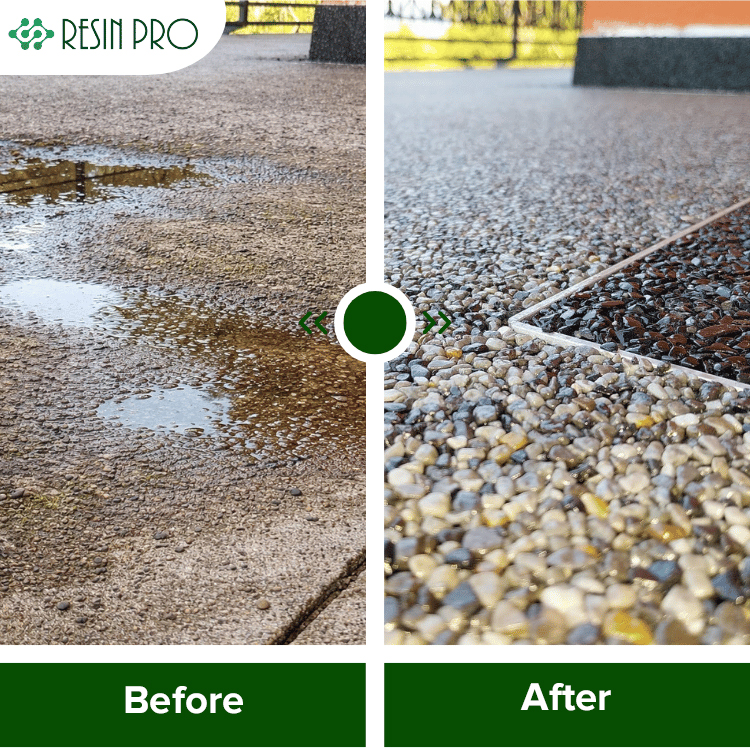
For decorative floors using coloured pebbles or grit, combine the aggregates with “Trasparente” – Epoxy Binder for Coloured Pebbles and Grits before spreading onto the prepared floor, ensuring thorough encapsulation of every granule.
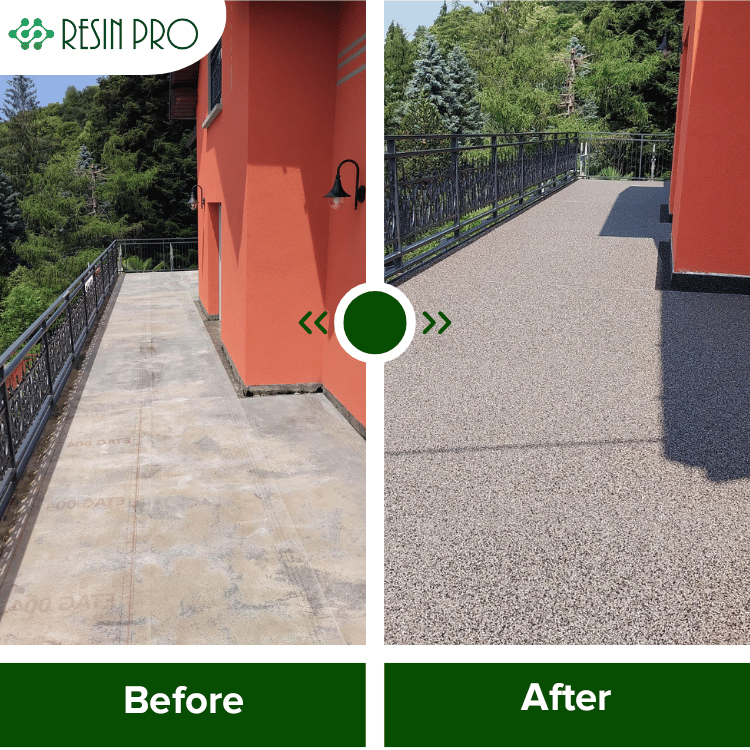

Step 4: Allow to Cure and Finish the Surface
After applying the resin, let the floor cure undisturbed and dust-free for the full recommended period (usually 24–48 hours for epoxy resin, and longer for certain finishes). Avoid foot traffic or placing objects on the floor during this period. For permeable or outdoor floors, as with “Flowstone” – Complete Permeable Floor Kit with Pebbles and Resin, ensure weather protection for the first curing phases and check the manufacturer’s guidance for outdoor conditions.
If you need extra protection or a final seal on concrete, consider applying “Resinstone” – One-Component Methacrylic Resin for Concrete Floors and Driveways once the epoxy has fully set, especially for exterior driveways and stamped flooring.
Ensure even application for a uniform finish across your entire floor surface.
Tips and Common Mistakes When Laying Epoxy Resin Floors
Always wear protective gloves and ensure ventilation when handling epoxy products. Mistakes often occur from rushing surface preparation or mixing. Don’t skip sanding or cleaning—adhesion failures are difficult to correct once cured.
Work in cool, dry conditions to avoid rapid curing and bubbling, and mix only what you can apply in 30 minutes. Allow proper curing times between each stage—impatience here leads to soft or cloudy results.

Extra Help for Flawless Floors
Read instructions carefully for every product used. If you face issues with surface bubbles or adhesion, pause and consult manufacturer troubleshooting before proceeding. Good preparation makes all the difference.

- "Epoxyprimer" – Universal Water-Based Two-Component Epoxy Floor PrimerPrice range: £156.45 through £286.45Epoxyprimer is a water-based two-component epoxy floor primer designed for reliable adhesion on various surfaces.
- "Flowstone" – Complete Permeable Floor Kit with Pebbles and ResinPrice range: £49.95 through £3,915.45"Flowstone" kit provides a permeable pebble and resin system for flooring, with simple application guidance for outdoor use.
- "Trasparente" – Epoxy Binder for Coloured Pebbles and GritsPrice range: £33.45 through £397.95"Trasparente" is a crystal-clear epoxy binder designed for coloured pebbles and grits, offering UV resistance and a bubble-free finish suitable for…
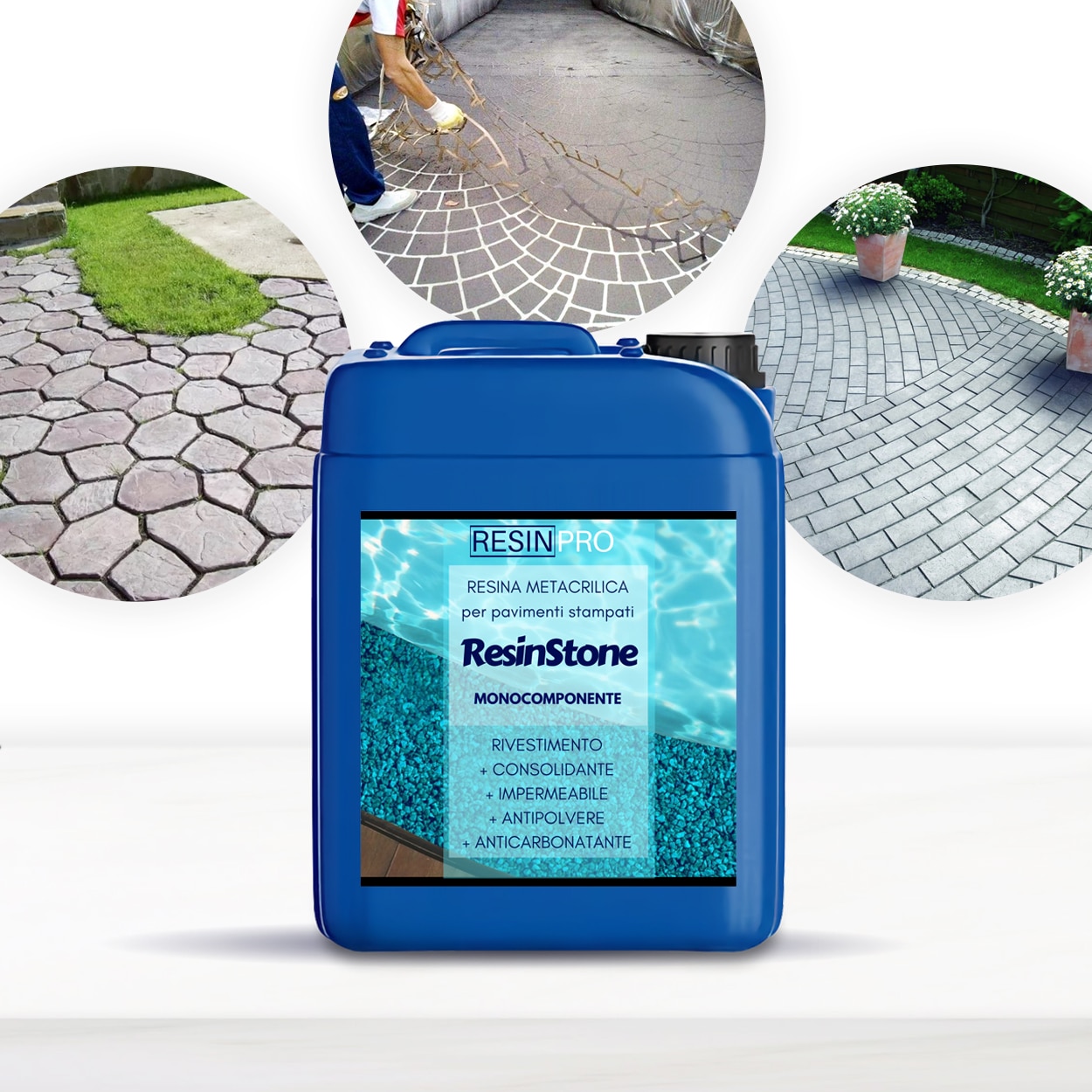 "Resinstone" – One-Component Methacrylic Resin for Concrete Floors and DrivewaysPrice range: £36.71 through £336.48One-component methacrylic resin designed for sealing concrete floors and driveways, offering durable, breathable protection suitable for various…
Frequently Asked Questions
What primer should I use before applying epoxy resin to a floor?
Use a water-based two-component epoxy primer compatible with your substrate to maximise adhesion and prevent delamination.
How long does an epoxy resin floor take to cure?
Most epoxy resin floors need 24–48 hours for curing before light foot traffic, with full hardness achieved in several days.
Which surfaces are suitable for epoxy resin floors?
Epoxy resin floors are ideal on concrete, screeds, timber, ceramic tiles, and prepared stable substrates.
How do I avoid bubbles in my epoxy resin floor?
Ensure surfaces are primed and dust-free, mix slowly, and use a spiked roller after pouring to release trapped air.
Are epoxy resin floors slip-resistant?
Epoxy resin floors can be made slip-resistant by adding anti-slip aggregates or grits to the final layer.
Can I apply epoxy resin flooring outdoors?
Yes, but weather conditions must be dry and moderate. Use products rated for UV exposure and outdoor use.
Should I apply epoxy resin flooring myself or hire a professional?
DIY installation is possible with proper preparation, but complex or large surfaces are best handled by professionals.