 Free shipping on orders over £29,85
  Shipping Tracking!


 Google
 Facebook
← Back to How to cover a loggia with resin?
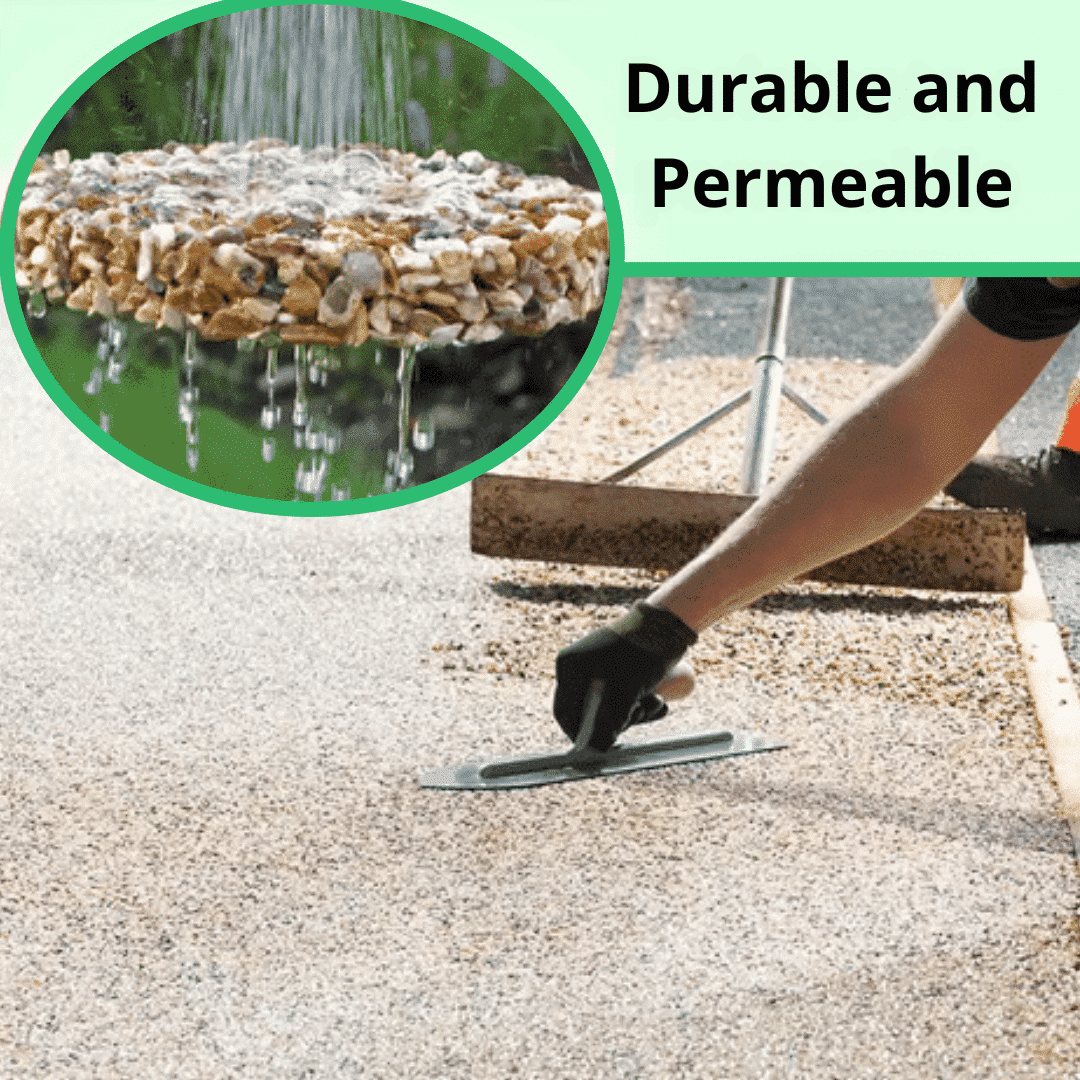
Getting the resin mixing ratios right is essential for a long-lasting, attractive loggia floor. Whether you’re using pebbles and resin or applying a binder to stones, correct proportions make all the difference in finishing quality and performance.
Understanding Why Ratios Matter
Mixing resin and hardener in the recommended proportions ensures the mixture cures properly, fully bonds with aggregates, and achieves its designed strength. Incorrect doses can lead to sticky patches, weak spots, or a dull or cloudy finish. Loggia floors are exposed to varying temperatures and moisture levels, so following the referenced instructions for your chosen resin system is vital.
Typical Ratios for Loggia Resin Applications
Different resin products have unique mixing ratios – for example, some epoxy binders for pebble flooring use a 100:60 ratio by weight for coloured stones, while polyurethane binders for white aggregates are often mixed 1:1. Always consult the product’s application guide, whether using an all-in-one kit like Flowstone or a specialised binder such as Trasparente or Polirock. Use accurate digital scales and mix thoroughly to achieve an even, consistent texture.
When Precision Matters Most
Accurate mixing is especially important if your loggia is partially exposed to the elements or sees frequent foot traffic. Precise ratios help maintain the floor’s integrity against movement, temperature shifts and water ingress. For decorative, permeable installations, even small errors can affect durability and drainage.
Related products
Related guides
Adhering to proper mixing ratios is one of the simplest ways to ensure your resin loggia floor looks great and stands the test of time. For further guidance, visit our hub on how to cover a loggia with resin.