 Free shipping on orders over £29,85
  Shipping Tracking!


 Google
 Facebook
How can you make a resin floor look beautiful again?
Step-by-step guide to restoring resin floor elegance and gloss


Resin floors are renowned for their stunning, high-gloss finish and impressive durability. However, daily wear and tear, scratches, and stains can gradually diminish their lustre. Whether you want to refresh a slightly dull floor or revive a neglected surface, this guide will walk you through the essential steps to restore your resin floor’s beauty and shine.
What You’ll Need
- Strong Technical Degreaser for Resin Projects – 100% Natural Formula – for safe and thorough cleaning of the floor.
- “Epoxyprimer” – Universal Water-Based Two-Component Epoxy Floor Primer – to enhance adhesion for new coatings if necessary.
- “Trasparente” – Multipurpose Clear Epoxy Resin for Casting – Up to 2cm – for recoating and filling in worn or damaged areas.
- “Epoxy Polish” – Epoxy Resin Polishing System – for the final polishing stage to achieve a glossy finish.
- Microfibre cloths, mop, soft-bristled brush
- Protective gloves and mask if working with chemicals
- Polishing pads or rotary buffer (for large floors)

Visual Transformation: Before and After Resin Floor Restoration
See the striking difference proper cleaning, recoating, and polishing make to dull or scratched resin flooring. A refreshed resin floor reflects light, looks spotless, and feels great underfoot. These stages transform tired surfaces into eye-catching centrepieces in homes, offices, and retail spaces.

Step 1: Deep Clean the Resin Floor
Begin by removing all loose dust, debris, and surface grime with a soft broom or vacuum. Next, mop or wipe down the floor with warm water to loosen ingrained dirt. For stubborn residues such as grease, oils, or silicone stains, a specialised product like the Strong Technical Degreaser for Resin Projects – 100% Natural Formula is highly recommended, as it delivers efficient cleaning without damaging epoxies or sensitive surfaces. Allow the floor to fully dry before moving to the next stage.
Step 2: Inspect and Prepare the Surface
Carefully check the floor for scratches, cloudiness, chips, or worn patches. Light scratches and minor dull areas may only require polishing later, but deep gouges or yellowed zones should be addressed before recoating. If you identify areas where the original resin has worn thin, lightly sand those spots with fine abrasive (e.g., 400–600 grit) to create a smooth yet roughened surface for recoating. Ensure the floor is entirely free of dust and residue post-sanding.
Step 3: Apply a Fresh Resin Coating (If Needed)
If your floor shows significant wear or bare patches, refresh the surface with a new layer of clear resin. For optimal clarity and scratch resistance, consider “Trasparente” – Multipurpose Clear Epoxy Resin for Casting – Up to 2cm, which is designed for self-levelling application and long-lasting brilliance. Before laying down the new coat, some surfaces (including concrete, old tiles, or timber) may benefit from priming with “Epoxyprimer” – Universal Water-Based Two-Component Epoxy Floor Primer to ensure excellent adhesion and prevent peeling. Follow the recommended mixing and curing guidelines for your chosen resin and primer.
Step 4: Polish for Ultimate Gloss
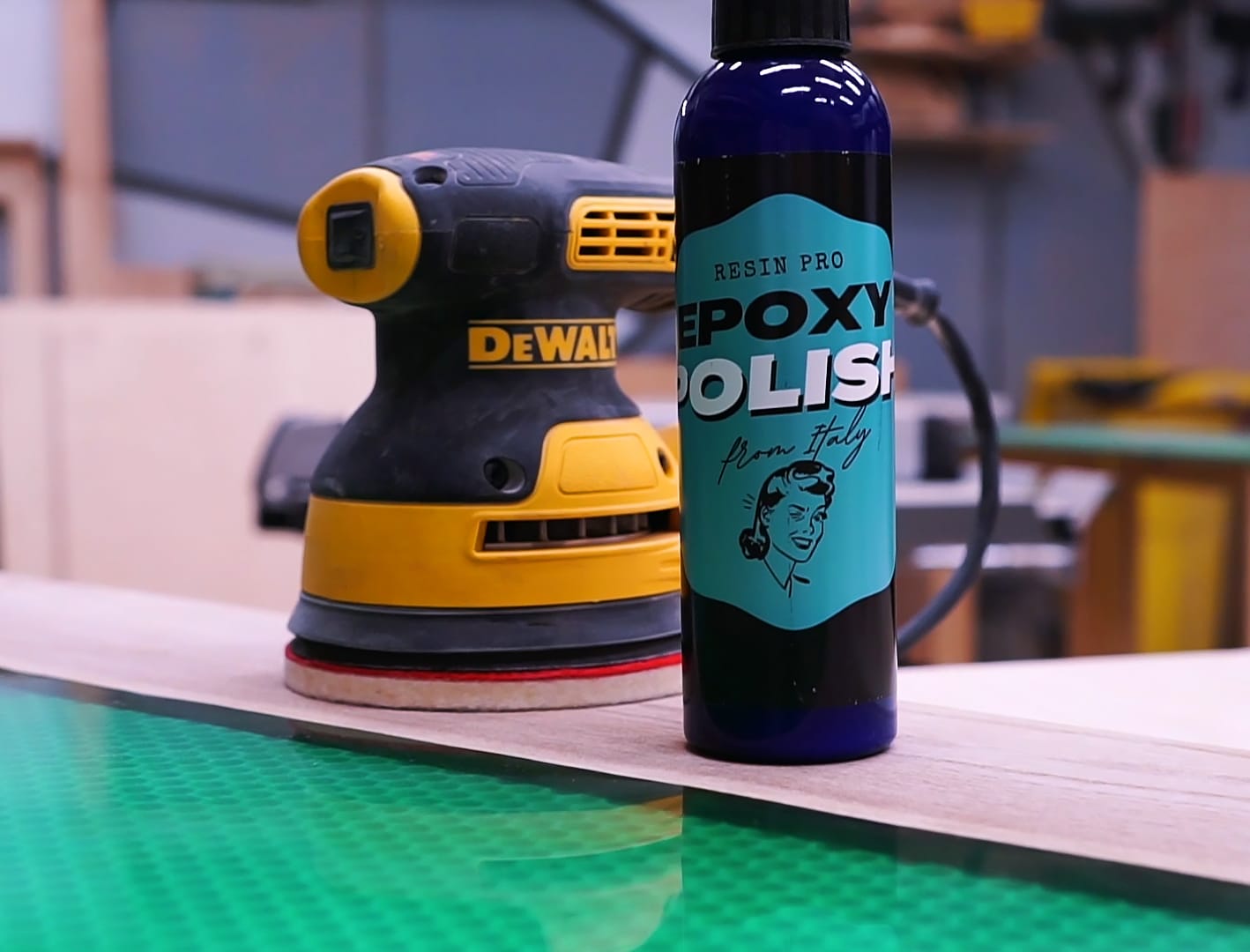
Once any new resin coating has cured fully (typically 24–48 hours), polish the floor to a high shine. Start with a clean microfibre cloth or soft pad. For professional results and effective removal of light scratches or haze, use a purpose-made product such as “Epoxy Polish” – Epoxy Resin Polishing System. Work the polish into the surface using a circular motion, ideally with a rotary buffer for large areas, progressing gradually from firm to gentle pressure. This restores the resin’s reflective clarity and removes subtle imperfections.

Tips and Common Mistakes to Avoid
- Always assess your floor’s condition before starting – only recoat where truly necessary.
- Work in a dust-free environment to prevent particles settling in fresh resin or polish.
- Allow sufficient curing and drying times for primers, resin layers, and polish to achieve best results.
- Avoid harsh abrasives and skip shortcuts – improper sanding or cleaning can permanently damage resin gloss.
- Test cleaning and polishing products in a discreet area if unsure of compatibility.
Professional Finishes: Showcasing Restored Resin Floors
Meticulous restoration brings out deep gloss and true colour in resin floors. Polishing and careful maintenance extend the floor’s lifespan and keep interiors looking pristine. Discover how subtle surface care makes your resin floor vibrant again.

- "Epoxy Polish" – Epoxy Resin Polishing SystemPrice range: £17.85 through £44.85"Epoxy Polish" offers a polishing system suitable for achieving a glossy finish on resin surfaces, designed for use by professionals and DIY…
- "Epoxyprimer" – Universal Water-Based Two-Component Epoxy Floor PrimerPrice range: £148.84 through £272.45"Epoxyprimer" is a water-based two-component epoxy floor primer designed for reliable adhesion on concrete, tiles, wood and screed surfaces.
 Strong Technical Degreaser for Resin Projects – 100% Natural FormulaOriginal price was: £10.00.£8.85Current price is: £8.85.The Strong Technical Degreaser is designed for gentle, natural cleaning of surfaces commonly involved in resin projects.
 "Trasparente" – Multipurpose Clear Epoxy Resin for Casting – Up to 2cmPrice range: £8.45 through £948.85Clear epoxy resin suitable for up to 2cm layers, designed for detailed casting and restoration in a non-toxic, multipurpose formulation.
Frequently Asked Questions
What is the safest way to clean a resin floor before polishing?
Use a gentle degreaser suitable for resin, followed by a thorough rinse and drying. Avoid harsh chemical cleaners or abrasive pads.
How long should I let a resin floor cure after applying a new layer?
Most epoxies require at least 24–48 hours at room temperature to cure fully before polishing or heavy use.
How do I remove scratches and restore the gloss on my resin floor?
Polish gently with a purpose-made resin polishing system using circular motions or a rotary buffer for best results.
Do I need to use a primer before applying a new resin layer?
Priming ensures better adhesion, especially if the floor is concrete, old tile, or has worn bare patches. Follow product instructions.
Is it possible to polish a resin floor by hand?
Manual polishing is effective for small areas, but a rotary buffer makes large surfaces faster and achieves an even sheen.
Why does my resin floor look cloudy after polishing?
Cloudiness may result from incomplete buffing or product residue. Ensure proper use of polishing pads and complete removal of polish.