 Free shipping on orders over £29,85
  Shipping Tracking!


 Google
 Facebook
← Back to How do you paint silicone rubber?
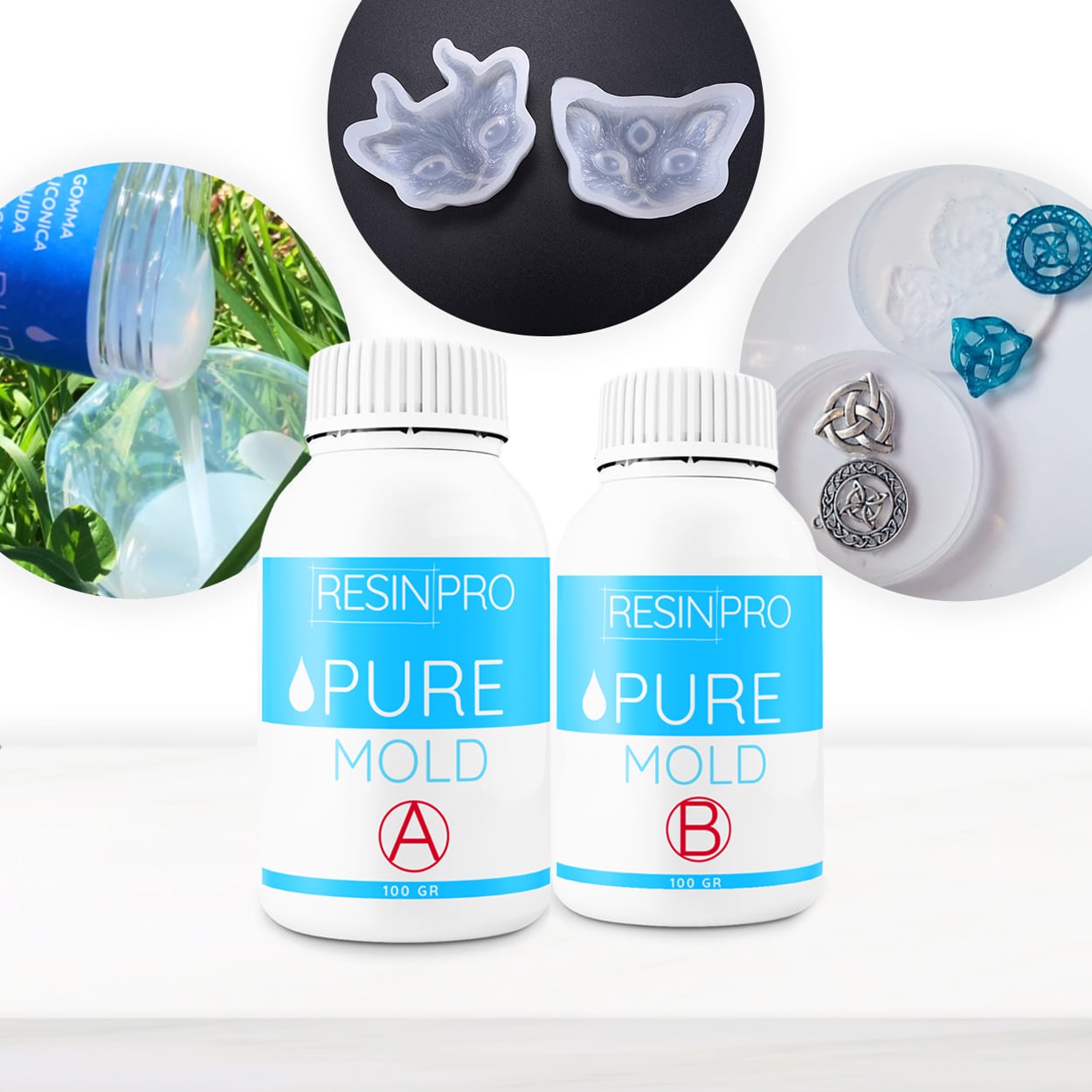
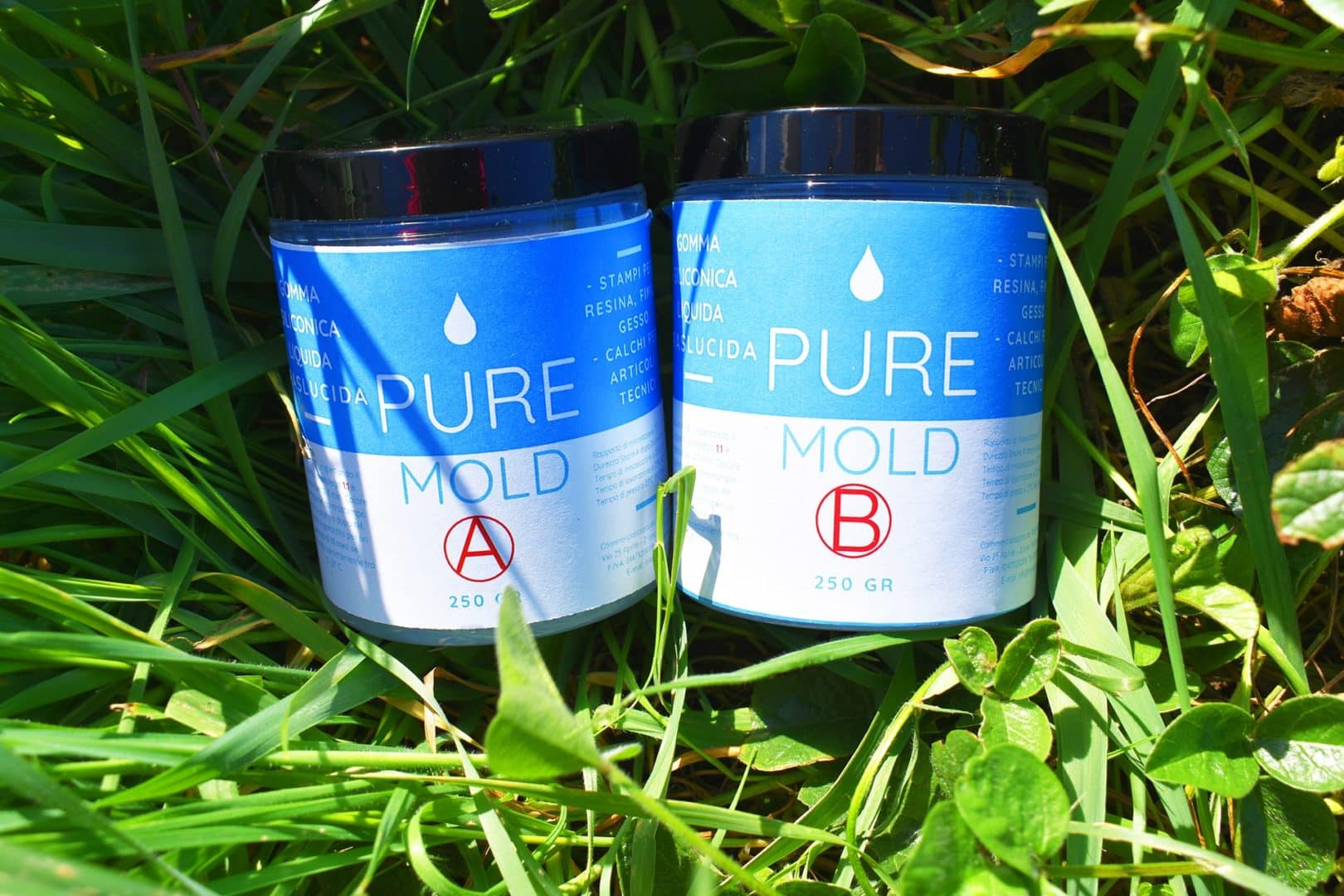
Painting silicone rubber can be a challenge, with peeling paint being a common issue. Following the right preparation steps is essential for a finish that not only looks good but also lasts.
Thorough Cleaning: The First Defence
Silicone surfaces naturally repel many paints due to their low surface energy and tendency to gather residues. Start by carefully cleaning the silicone rubber with a mild soap and water, then rinse and dry thoroughly. For best results, avoid leaving any oils or dust behind, as even minor traces can affect adhesion and lead to peeling later.

Surface Preparation and Priming
Smoothing and keying the surface improves paint grip, significantly reducing the risk of flaking. Gently roughen the silicone with fine sandpaper or a scourer to help the primer bond. Once keyed, apply a primer that is specified for silicone or flexible surfaces, allowing it to dry completely before painting. This careful groundwork gives paint its best chance to adhere properly.
Practical Guidance for Lasting Results
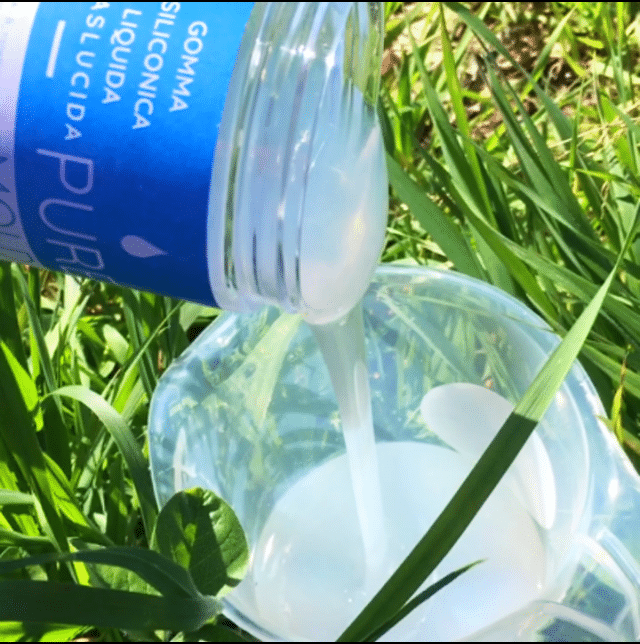
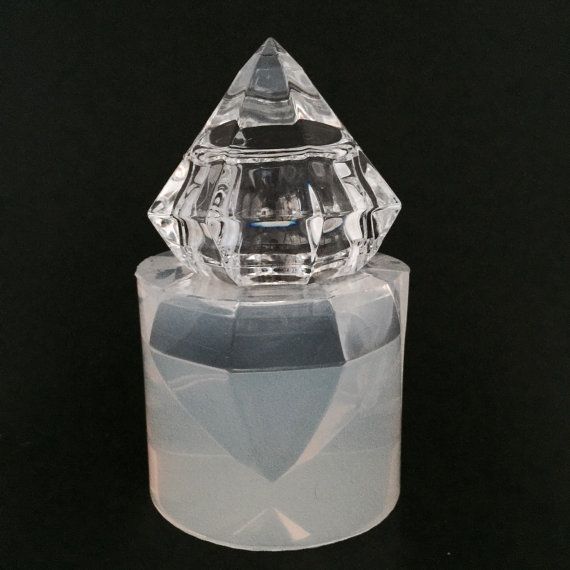
Always select paints and primers designed to work with flexible or silicone surfaces. Test a small area first if using a new paint product. When working with newly created silicone objects—such as those made using “Pure Mould” silicone rubber—let them fully cure before painting. Strong adhesion starts with patience and careful preparation.
When This Matters
Preventing peeling paint is especially important for silicone items that will be handled, flexed, or exposed to regular wear. Decorative moulds, craft projects, and custom tools all benefit from proper surface prep and suitable products.
Related products
Related guides
By taking these measures, you’ll establish a strong bond between paint and silicone, giving your creative projects a professional, durable finish. For more on working with silicone surfaces, visit our main guide on how to paint silicone rubber.