 Free shipping on orders over £29,85
  Shipping Tracking!


 Google
 Facebook
How do you apply polyester resin?
Stepwise guide to safe, strong polyester resin application

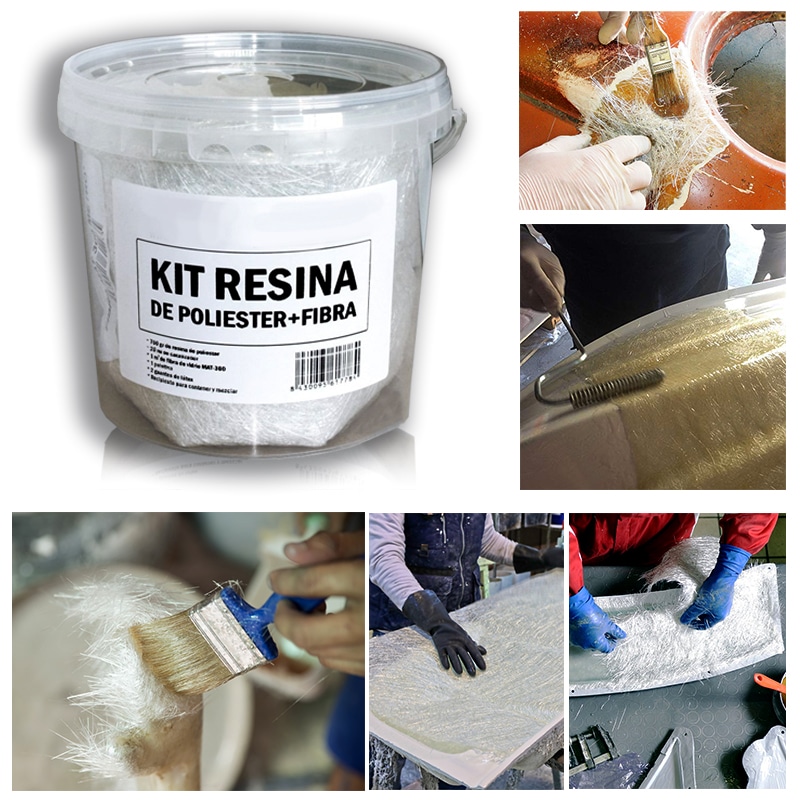
Applying polyester resin properly ensures lasting, waterproof repairs on boats, swimming pools, and various rigid surfaces. Whether you are patching up a leak or reinforcing a fibreglass structure, understanding the correct technique is essential for both durability and safety. This guide details a step-by-step approach for beginners and experienced DIYers alike.
Frequently Asked Questions
Do I need to use a mask when working with polyester resin?
Yes, it is essential to use a proper respirator mask with organic filters to protect against vapours released during resin mixing and application. Choose certified options, such as the "Abek Climax" – Mask Filters for 755/756/732-A1 – Epoxy Resin Use, Set of 2, for maximum safety.
Why is my polyester resin repair still sticky after several hours?
Sticky surfaces usually result from incorrect mixing ratios or not enough hardener. Always measure components carefully and mix thoroughly as instructed by your kit. Also, ensure suitable temperature and humidity levels during curing.
Can I use polyester resin on any material?
Polyester resin bonds best to rigid materials such as fibreglass, metal, and certain plastics, but is not recommended for flexible or soft surfaces. Always sand and clean before application for best adhesion.
How do I avoid bubbles in my finished repair?
Mix resin gently to avoid introducing air, and use a brush to work trapped bubbles out of the repair area. Applying resin in thin layers also helps minimise bubbling.
What should I do if the resin mixture hardens too quickly?
Mix smaller quantities at a time and only what you can use within the working time. Warmer temperatures and excess hardener accelerate curing – stay within recommended ratios and store resin in a cool place before use.
Is sanding always necessary before applying polyester resin?
Sanding is critical to roughen the surface, remove contamination, and ensure a strong mechanical bond. Skipping this step can lead to poor adhesion and failed repairs.