 Free shipping on orders over £29,85
  Shipping Tracking!


 Google
 Facebook
How do you apply two-component epoxy resin?
Step-by-step guide for flawless bonding and casting results


If you want to master flawless repairs, creative crafts, or seamless castings with epoxy, getting your application technique right is crucial. This comprehensive guide walks you through every stage of using two-component epoxy resin, ensuring professional, durable results for a wide range of projects.
What You’ll Need
- “Klebfix” – Two-Component Fast Epoxy Glue 2K, 25g Syringe – Ideal for small, demanding repairs or precision bonding
- “FixExpress” – Two-Component Epoxy Glue 500g – Suits larger or rapid repairs on multiple surfaces
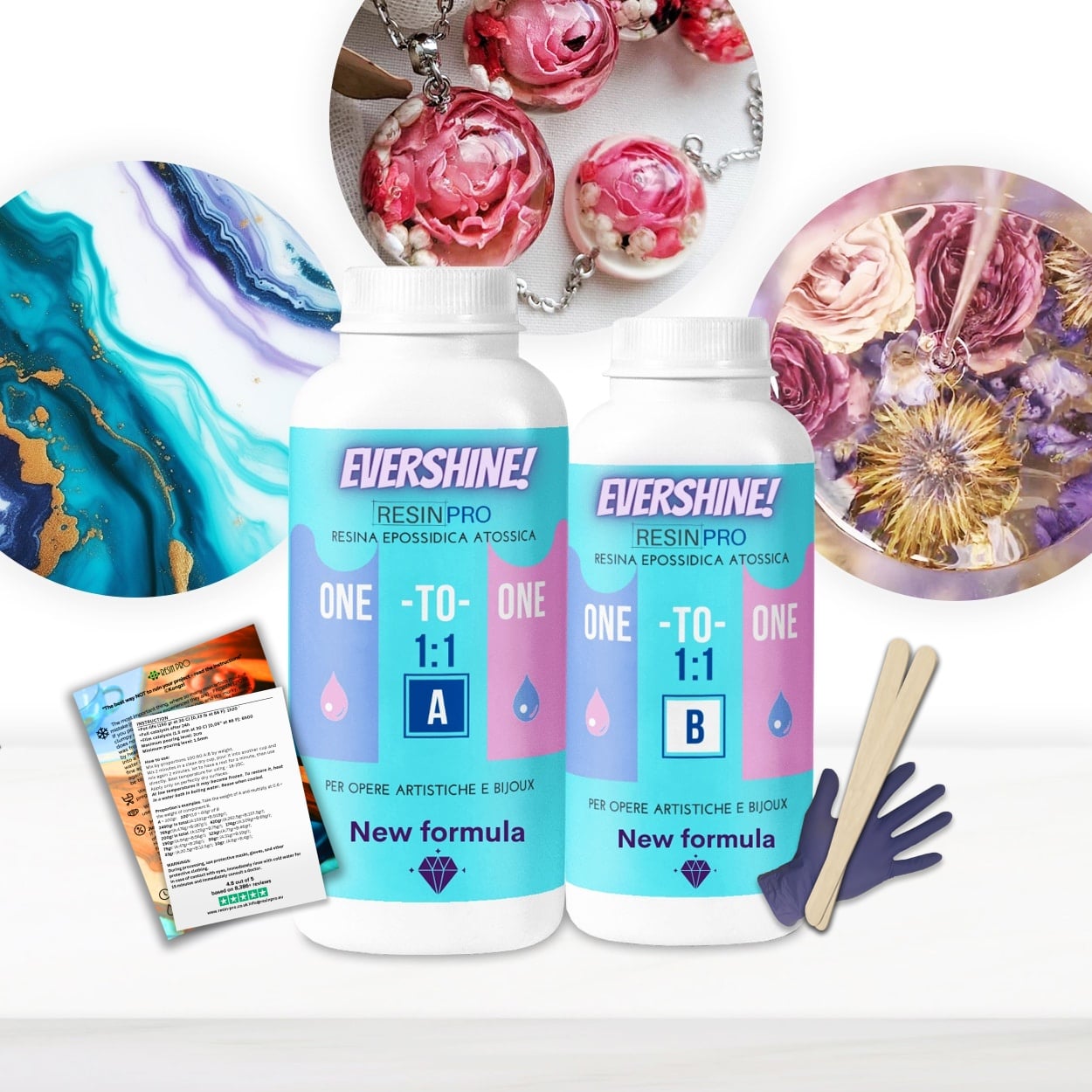
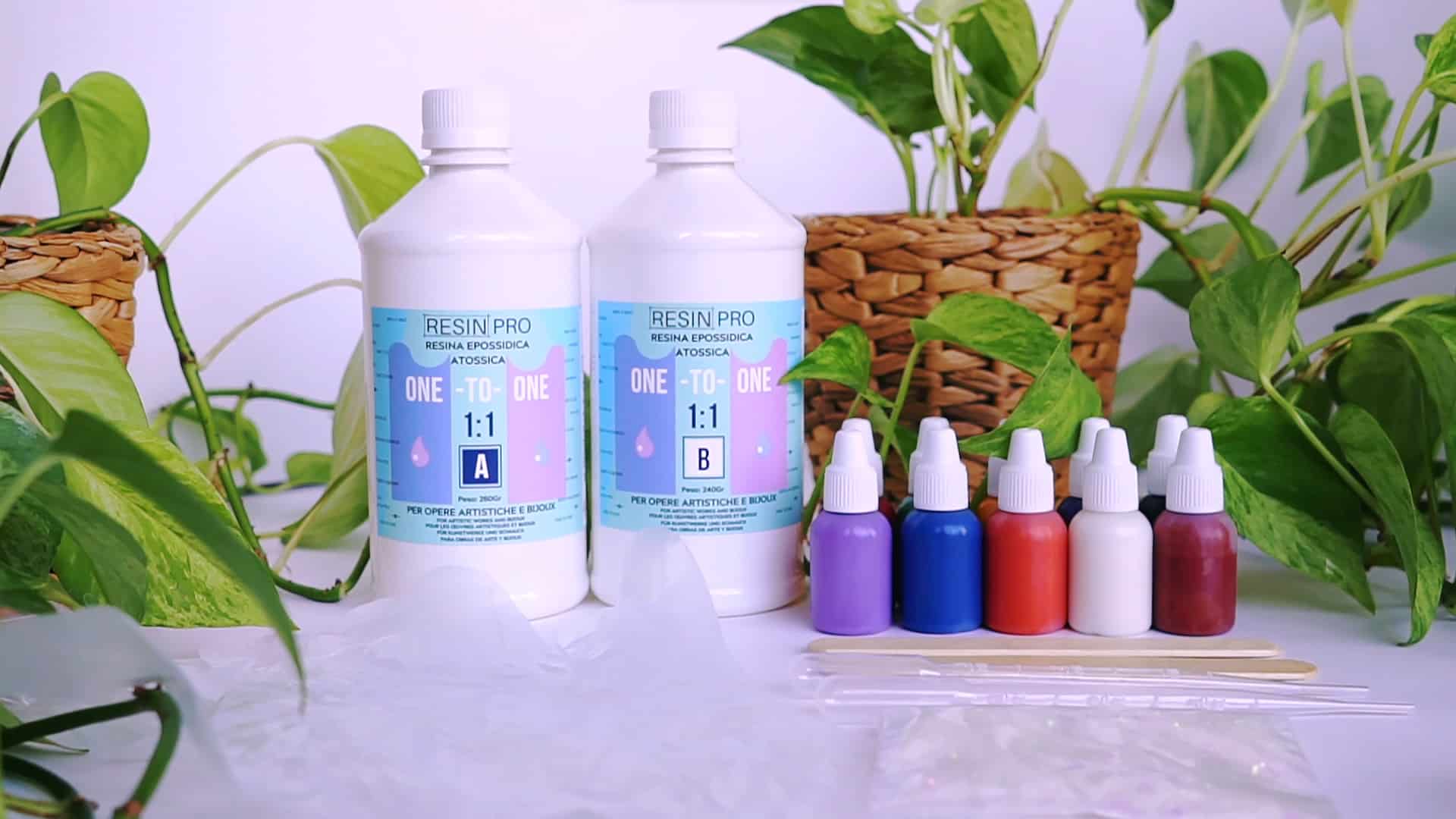
- “One-2-One” – Epoxy Resin for Handcraft, 1:1 Mixing Ratio – Perfect for jewellery and decorative art applications
- “Trasparente” Epoxy Resin Kit 800g + Mica Powder 10g – 10 Colour Variations – Best for casting, coatings, and larger creative projects
- Mixing cups or containers (clean and dry)
- Mixing sticks
- Protective gloves
- Masking tape for clean edges (optional)
- Sanding block or abrasive paper (if required for preparation)

Essential Tools and Safety Prep
Gather all tools and materials before starting. Wear gloves and work on a protected surface to prevent unwanted spills. Open windows or use extraction to maintain fresh airflow while working with epoxy components.

Step 1: Prepare the Surface or Mould
Proper preparation is key to achieving a lasting bond or flawless finish. Thoroughly clean and dry your working surface or mould to remove dust, grease or old adhesive residues. If using epoxy for bonding, lightly roughen glossy surfaces with fine sandpaper to increase adhesion. For crafts or castings, ensure the mould is free from moisture, as water can affect how epoxy cures and its final clarity. Always set up your workspace on a stable, level surface and lay down protective sheets for easy cleanup.
Step 2: Accurately Measure and Mix the Two Components
Always mix your epoxy resin components according to manufacturer instructions to ensure proper curing and maximum strength. For most two-component epoxies, such as “One-2-One” – Epoxy Resin for Handcraft, 1:1 Mixing Ratio, measure equal parts by volume. For glue products like “FixExpress” – Two-Component Epoxy Glue 500g, mix in a 1:1 ratio by weight or volume, unless otherwise stated. If your product features a dosing syringe, like “Klebfix” – Two-Component Fast Epoxy Glue 2K, 25g Syringe, simply dispense equal amounts of resin and hardener directly onto a mixing surface. Use a clean stick to blend thoroughly for at least one minute, ensuring a uniform consistency.
Step 3: Apply the Mixed Epoxy to Your Project
Work in a well-ventilated, dust-free area for best results. Once mixed, you have a limited working time before the resin begins to set (typically 5–10 minutes for fast-setting types, longer for standard resins). For bonding, use a spatula or the syringe applicator to spread a thin, even layer on one surface, then press the pieces together firmly. For casting or coating, immediately pour or spread the mixed resin into your mould or over your surface. Avoid over-working or stirring once applied, as this can introduce bubbles or disrupt the finish. Epoxy will level out and self-smooth on flat surfaces.
Step 4: Allow to Cure and Finish the Surface
After application, leave your project undisturbed during the recommended curing period. Setting time varies with the product—fast adhesives such as “Klebfix” or “FixExpress” typically set in about 5 minutes, while casting resins may require several hours or overnight. Do not move or handle objects until fully cured. For large castings or decorative pieces, you may de-mould once the resin is no longer tacky. If needed, sand and polish the fully cured epoxy to achieve a glossy finish or remove slight imperfections. Some products, like “Trasparente” Epoxy Resin Kit 800g + Mica Powder 10g – 10 Colour Variations, can be enhanced with pigments included in the kit for a unique touch.
Tips and Common Mistakes to Avoid
Apply epoxy resin promptly after mixing, as its pot life is limited. Always use protective gloves and keep your working area well aerated. Common mistakes include incorrect mixing ratios and using epoxy past its working time, which can cause incomplete cure or weak bonds. Avoid adding too much colour pigment, as this can affect clarity or curing. For clear results, minimise air bubbles by mixing gently and pouring slowly.
Expert Application Insights
Read each product’s instructions carefully—mixing ratios and curing times may vary. For durability, allow the resin or glue to cure fully before subjecting it to stress or sanding. If this is your first time, test on a scrap piece before moving to your finished work.

- "Klebfix" – Two-Component Fast Epoxy Glue 2K, 25g Syringe£24.00The "Klebfix" two-component epoxy glue sets quickly and bonds various materials with a clear, waterproof finish, suitable for demanding repairs.
- "FixExpress" – Two-Component Epoxy Glue 500g£26.95"FixExpress" is a two-component epoxy glue suitable for rapid repairs and bonding diverse materials with a fast setting time.
- "One-2-One" – Epoxy Resin for Handcraft, 1:1 Mixing RatioPrice range: £15.95 through £59.95"One-2-One" epoxy resin offers a medium viscosity and easy 1:1 mixing ratio, suitable for safe crafting of jewellery and decorative items.
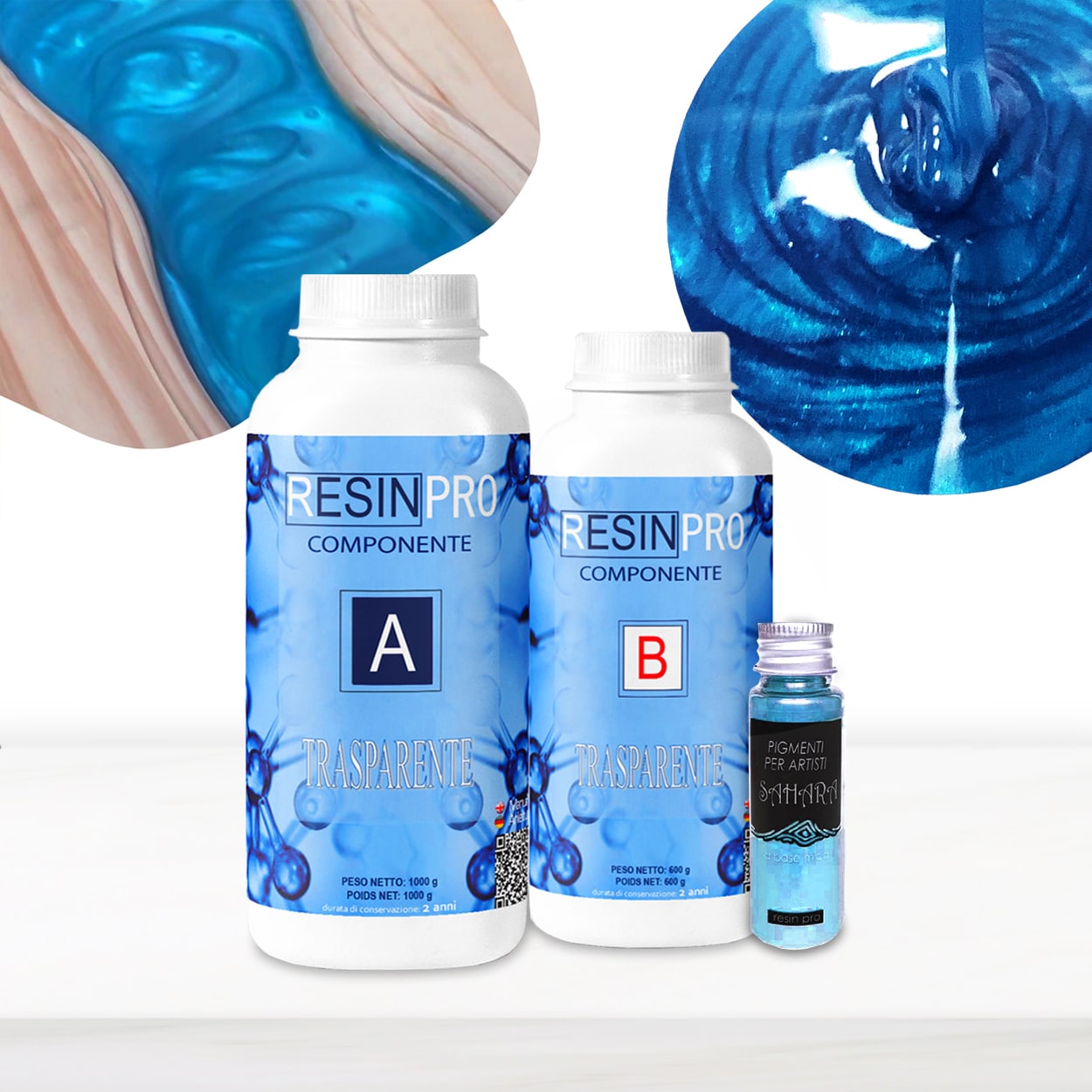 "Trasparente" Epoxy Resin Kit 800g + Mica Powder 10g – 10 Colour Variations£20.95The "Trasparente" kit includes ultra clear epoxy resin with mica powder, suitable for casting, table making and DIY projects.
Frequently Asked Questions
What is the correct ratio for mixing epoxy resin components?
Most two-component epoxies are mixed at a 1:1 ratio by weight or volume. Always check product instructions before mixing.
How long does it take for epoxy resin to cure?
Curing times vary; some set in 5 minutes while others need several hours. Refer to your product’s label for recommended times.
Is it possible to add colour to epoxy resin?
Yes, you can mix in suitable pigments or powders. Add gradually to avoid affecting the curing process.
Which surfaces can two-component epoxy resin be applied to?
Epoxy resin works on wood, metal, plastic, ceramics, glass and more. Preparation is key for strong adhesion.
Why did my epoxy resin not cure properly?
Incorrect mixing ratios or applying past pot life can prevent full curing. Always follow directions precisely.
How do I get a bubble-free epoxy finish?
Mix and pour slowly to reduce air bubbles. You can use a heat gun lightly if needed after pouring.
Can epoxy resin be sanded or polished after curing?
Yes, once fully cured, sand and polish for a smooth, glossy finish or to remove imperfections.