 Free shipping on orders over £29,85
  Shipping Tracking!


 Google
 Facebook
How do you apply waterproofing resin on floors?
A practical step-by-step guide for lasting floor protection
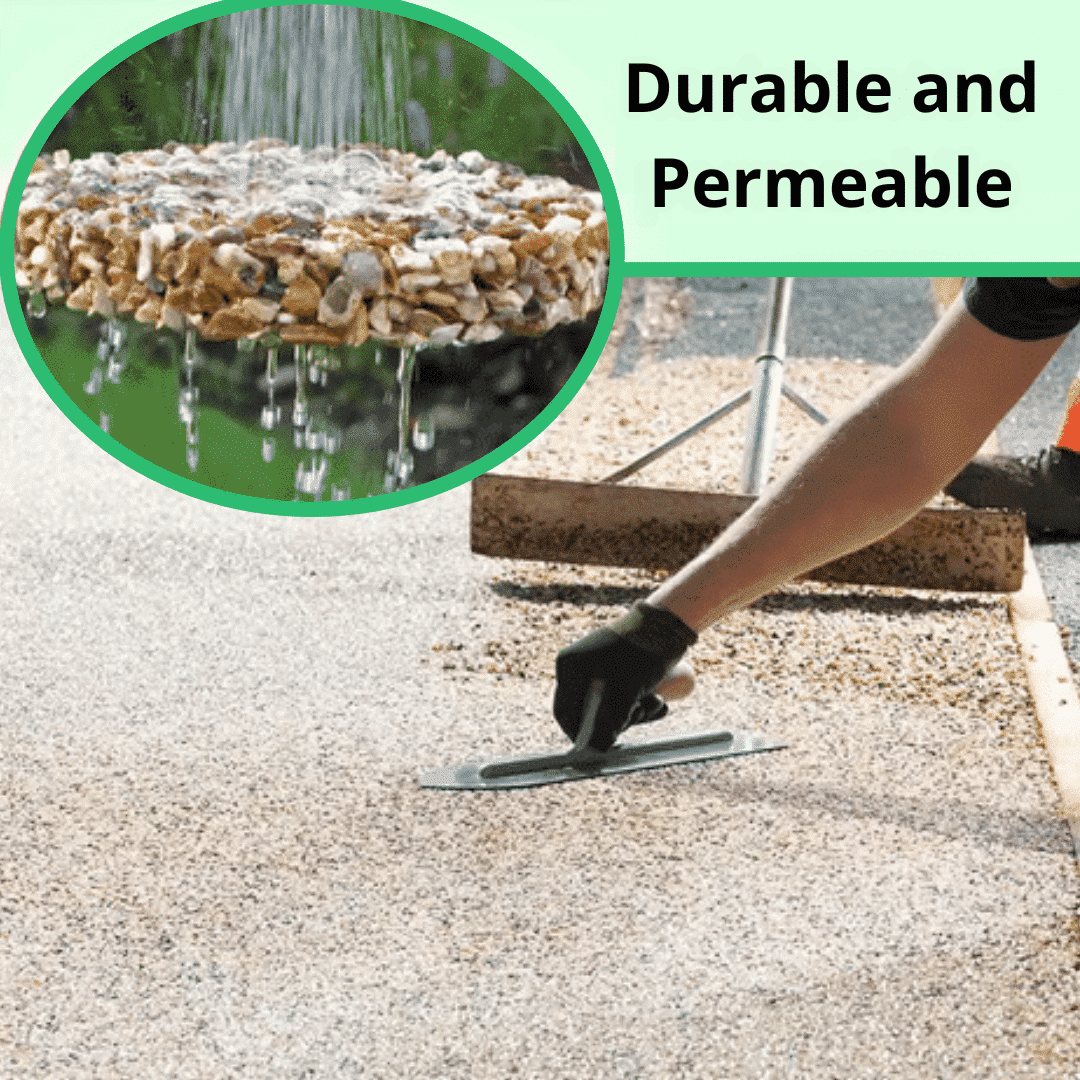
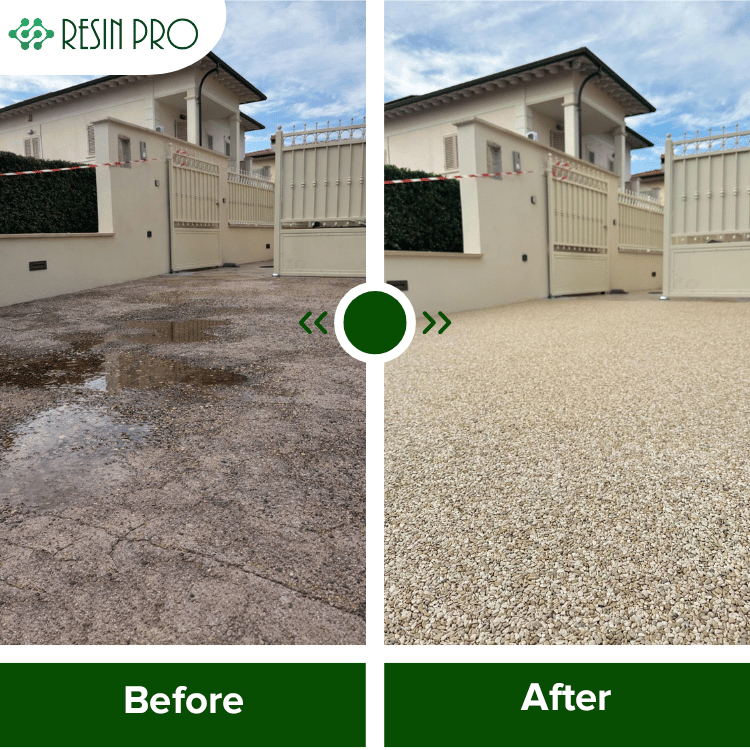
Waterproofing resin coatings can greatly extend the life of domestic and commercial floors by protecting against moisture, stains and general wear. Whether you have a concrete garage floor, a decorative pebble driveway, or a public footpath, this guide explains how to prepare, apply and finish waterproofing resin for optimum results that last in the British climate.
What You’ll Need
- “Epoxyprimer” – Universal Water-Based Two-Component Epoxy Floor Primer — for most concrete, tiled, timber, or screed floors.
- “Resinstone” – One-Component Methacrylic Resin for Concrete Floors and Driveways — sealing and protecting concrete and concrete driveways.
- “Flowstone” – Complete Permeable Floor Kit with Pebbles and Resin — creating decorative, water-draining pebble or resin-bound surfaces outdoors.
- “Trasparente” – Epoxy Binder for Coloured Pebbles and Grits — fixing coloured or dark pebble floors and permeable features.
- Standard tools: roller or brush, mixing bucket, protective gloves, and suitable mask if indoors.
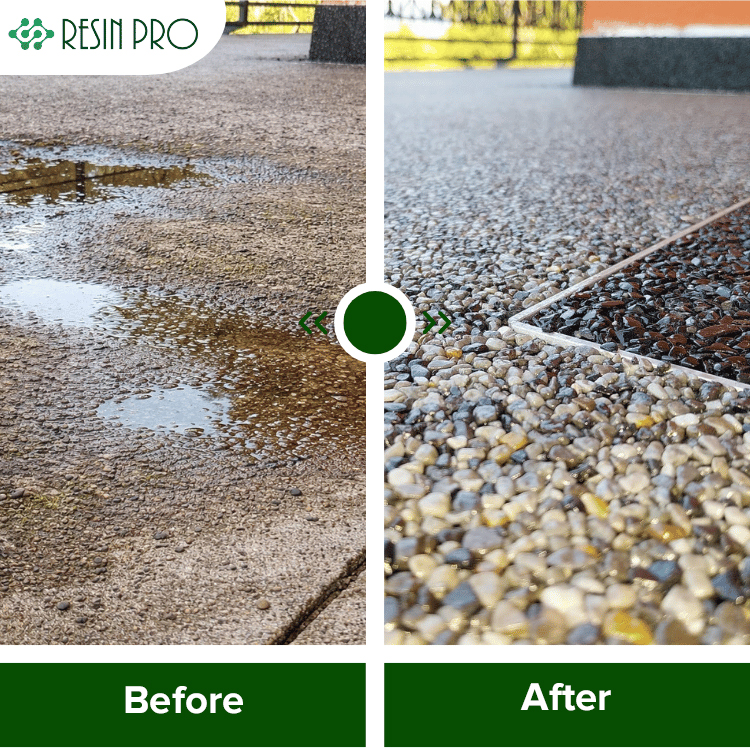
See Expert Floor Preparation in Action
Clean, dust-free and crack-free floors maximise resin adhesion and ensure a strong bond. Watch a real workflow to get confident with each preparation step before you start. Proper groundwork pays off with durability and flawless finish.
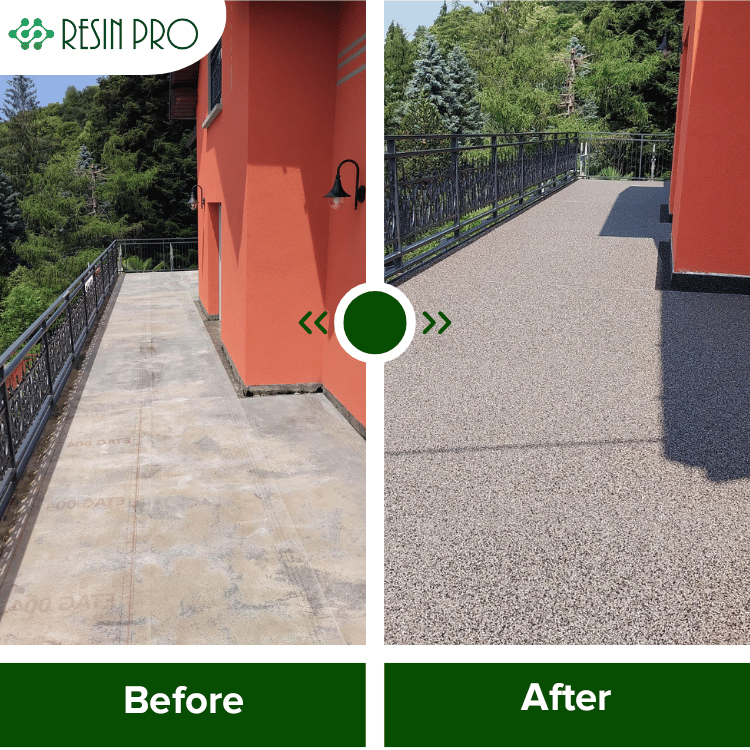
Step 1: Prepare and Clean the Floor Surface
Proper preparation is crucial for a long-lasting and durable floor finish. Begin by removing any dust, debris, oil, or old coatings from the surface. For concrete, sweep thoroughly, use a vacuum if needed, and degrease if necessary. Repair any cracks or imperfections with a compatible filler and allow to cure before proceeding. The surface should always be fully dry and free from standing water before resin application.
Moisture and dirt can prevent the resin from adhering correctly, leading to peeling or bubbling issues. If working indoors, ensure good ventilation. For outdoor surfaces, make sure there’s no rain in the forecast for at least 24 hours after application.
Always start on a clean, dry surface to ensure optimal resin penetration and bonding.
Step 2: Prime the Surface for Better Adhesion
Priming provides a stable, sealed base for the waterproofing resin system. For most absorbent floors such as concrete, screed, tiles, and even timber, use a dedicated primer like “Epoxyprimer” – Universal Water-Based Two-Component Epoxy Floor Primer. Mix following the specified ratio, then use a roller or brush to evenly coat the floor. Allow 24–48 hours for curing, as advised by the product instructions.
On highly porous or uneven substrates, a second primer coat may be appropriate to maximise adhesion and smooth out absorption differences. Let all layers dry completely before moving to waterproofing resin.
Step 3: Apply the Waterproofing Resin Coat
Once your primer layer is dry, you can begin with the resin application. For solid concrete floors and driveways, one-coat solutions such as “Resinstone” – One-Component Methacrylic Resin for Concrete Floors and Driveways provide deep penetration and create a waterproof membrane that also allows the surface to breathe. Apply with a roller or brush, working in manageable sections. The resin dries quickly—within 12 hours—so plan your working time accordingly.
For decorative pebble floors, prepare your mix with stones and a suitable binder, such as “Trasparente” – Epoxy Binder for Coloured Pebbles and Grits for coloured aggregates, or use a complete kit like “Flowstone” – Complete Permeable Floor Kit with Pebbles and Resin for permeable outdoor installations. Spread the mixture evenly and compact gently to achieve level coverage and optimal drainage properties. Follow the kit guidance for mixing proportions and curing times.

Step 4: Allow to Cure and Inspect for Full Protection
After applying your waterproofing resin or resin-bound layer, it is vital to let the surface cure undisturbed. Each product will have a recommended curing time; for example, methacrylic resins can be ready in 12 hours, but others may require up to 48 hours depending on resin type and ambient conditions. Avoid walking on or covering the surface during this period.
After curing, inspect your floor for missed spots, bubbles, or inconsistencies. Small imperfections can usually be touched up with another thin resin layer. Creating a consistently sealed surface keeps water out and extends the life of your installation.
Allow each layer to fully cure—rushing this stage can result in reduced waterproofing performance.

Tips, Common Mistakes, and Troubleshooting
Choose the resin type best matched to your surface; for example, use epoxy binders for coloured pebbles, and breathable methacrylic resin for concrete. Temperature and humidity matter; avoid applying in damp, rainy, or very hot conditions to prevent curing problems and discolouration.
Ensure suitable resin choice for your floor to prevent yellowing, surface separation or inadequate drainage. Always follow the product’s mixing and spreading instructions, and do not thin resins with unapproved solvents. Tool cleanliness is essential—resin residues quickly set and are hard to remove later, so wash rollers and brushes immediately after use.
Avoid high humidity and extreme temperatures during application to achieve a smooth, lasting result.
Visualise a Seamless Resin Floor Finish
From glossy interior coatings to decorative permeable outdoor pebble floors, resin systems produce a seamless, fresh appearance that stands up to British weather. See sample results and spot the difference good technique makes.
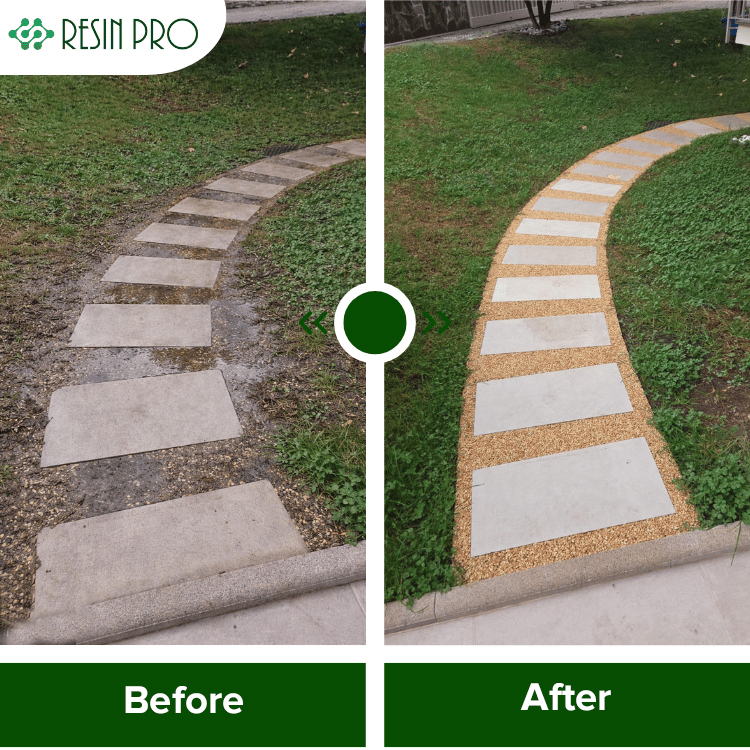
- "Flowstone" – Complete Permeable Floor Kit with Pebbles and ResinPrice range: £49.95 through £3,915.45"Flowstone" kit offers a durable permeable pebble and resin system for outdoor floors with step-by-step guidance tailored to UK conditions.
- "Epoxyprimer" – Universal Water-Based Two-Component Epoxy Floor PrimerPrice range: £156.45 through £286.45"Epoxyprimer" is a water-based epoxy floor primer designed for reliable adhesion and durable results on various floor surfaces.
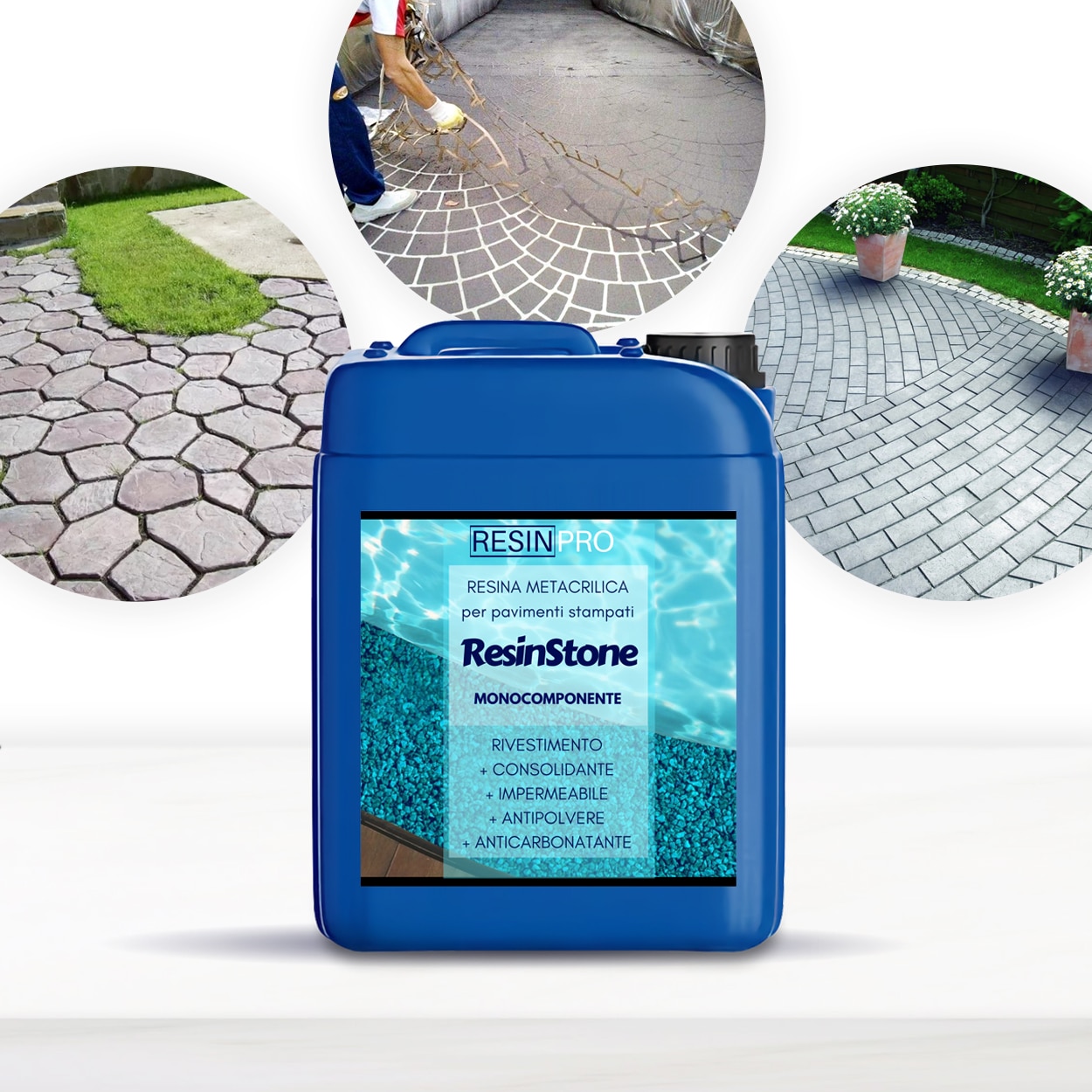 "Resinstone" – One-Component Methacrylic Resin for Concrete Floors and DrivewaysPrice range: £36.71 through £336.48"Resinstone" is a one-component methacrylic resin designed for sealing and protecting concrete floors and driveways with durable and breathable…
 "Trasparente" – Epoxy Binder for Coloured Pebbles and GritsPrice range: £33.45 through £397.95"Trasparente" is a transparent epoxy binder for coloured pebbles and grits, designed for clear, UV stable finishes suitable for flooring projects.
Frequently Asked Questions
Which resin should I use for waterproofing floors?
Use methacrylic resin for concrete or driveways, and epoxy systems for decorative or pebble floors. Always match the resin to your desired finish and floor type.
How do I prepare the floor before applying resin?
Thoroughly clean, remove dust, grease or existing coatings, and repair cracks. The floor must be dry and stable to guarantee resin adhesion.
Can I apply resin in cold or humid weather?
It is best to apply resin when the weather is dry and temperatures are mild. High humidity or very low/high temperatures can disrupt curing.
Do I need a primer before waterproofing resin?
Priming is recommended, especially for absorbent or uneven surfaces. It ensures the waterproofing resin bonds properly and lasts longer.
How long should waterproofing resin cure?
Curing time depends on the product. Some systems set in 12–24 hours, while others may need up to 48 hours. Always follow the product’s instructions.
Can waterproofing resin be used on outdoor floors?
Yes, specialist resins are formulated for outdoor use, including permeable and UV-resistant systems for patios, driveways or walkways.