 Free shipping on orders over £29,85
  Shipping Tracking!


 Google
 Facebook
How do you colour epoxy resins?
Expert tips for mixing resin dyes and pigments with confidence

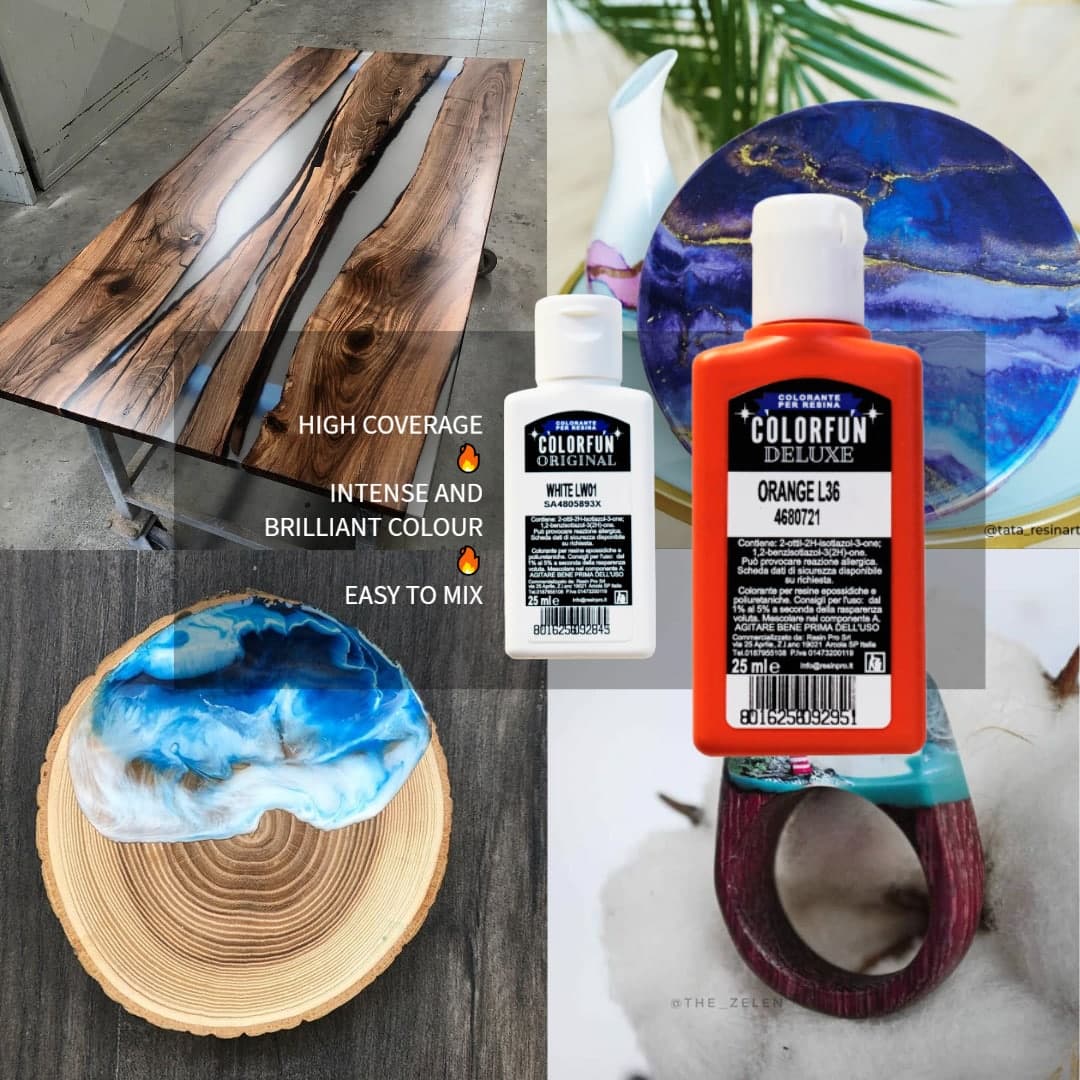
Creating unique and vibrant colours in epoxy resin is key for resin art, casting, and DIY decoration projects. This guide will take you through each step of the process, from selecting colour types to blending techniques, to achieve either brilliant transparent or deeply opaque effects in your resin creations. Whether you’re crafting jewellery, pouring river tables, or looking to mimic crystal effects, understanding how to mix colours correctly will bring your projects to life.
What You’ll Need
- “Colourfun Set” – Liquid Epoxy Resin Colourant Set for Solid Colour Effects – Intense colours, ideal for both translucent and solid effects
- “Colourfun” – Liquid Epoxy Resin Colourant 25-100ml – High coverage – For customising intensity from opaque to stained-glass transparency
- “Magic Crystal” – Transparent Resin Colour 45ml – For glass-like, clear transparent colours
- “Magic Crystal” – Set of 5 Transparent Colourants, 5 x 45ml – Ready-to-use hues for crystals and jewellery effects
- Epoxy resin and hardener
- Mixing tools (spoons/spatulas, cups)
- Protective gloves and a dust mask
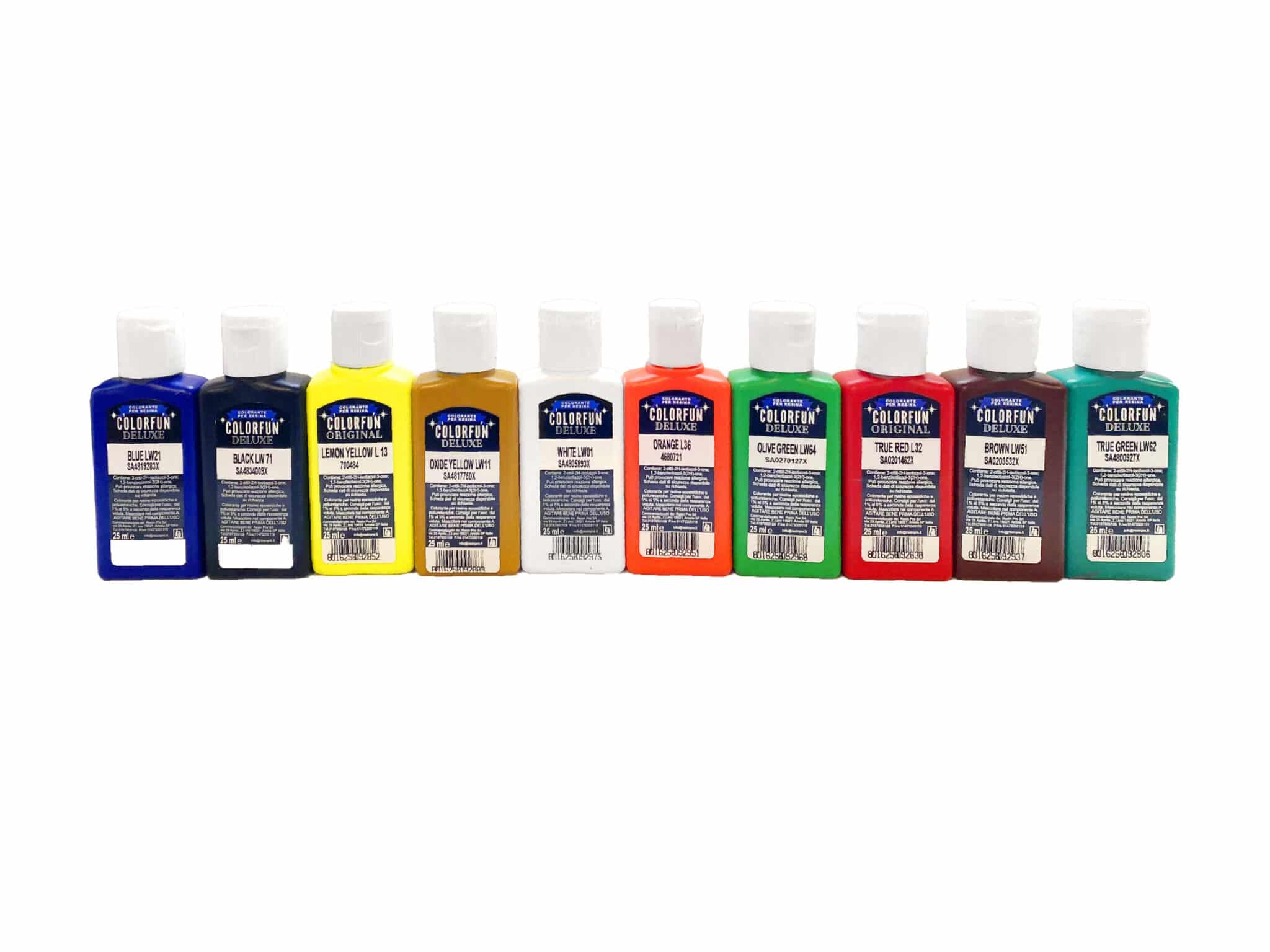
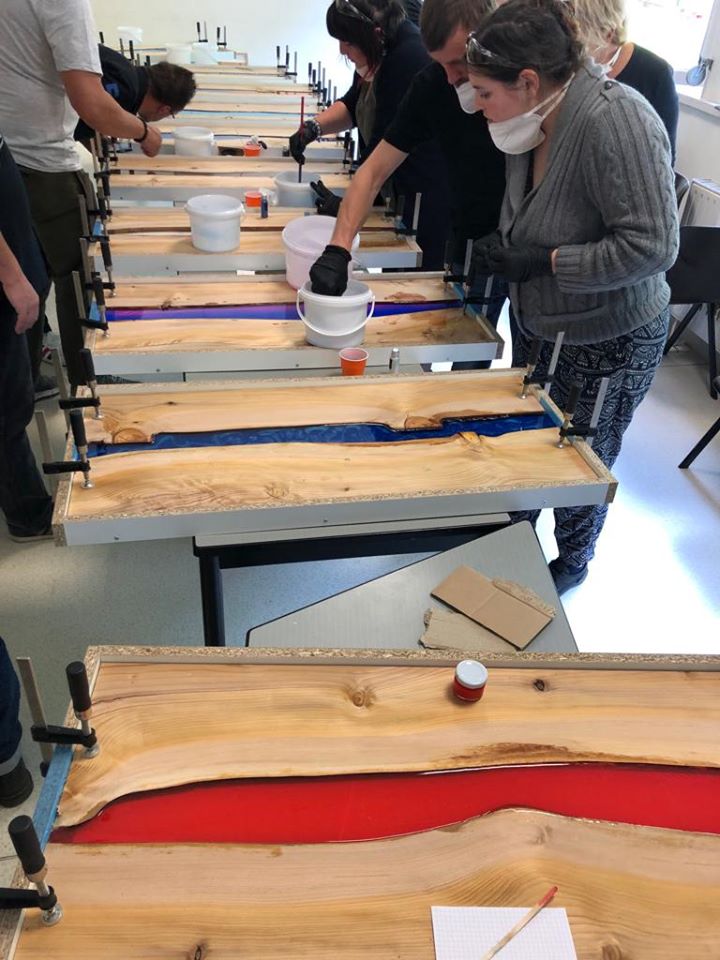
See the Difference: Opaque vs. Transparent Resin Colours
Notice how opaque pigments create dramatic, solid colours while transparent dyes let light pass through for stained-glass and crystal looks. From bold surface art to shimmering jewellery, choosing the right colourant transforms your project results.
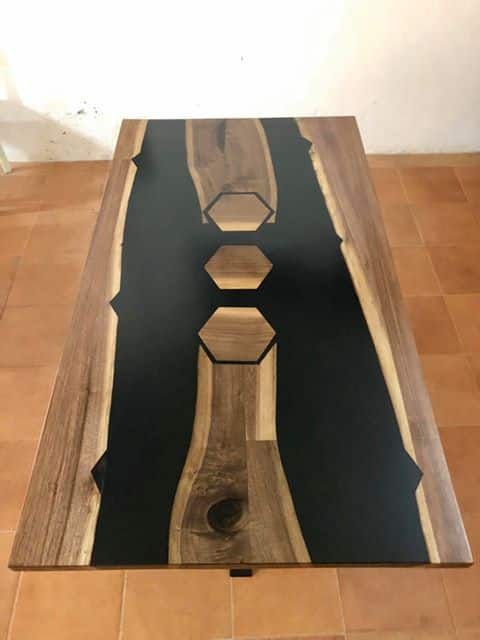
Step 1: Select the Right Colourant for Your Project
The first step in colouring epoxy resin is choosing a colourant that matches the effect you want to achieve. Opaque colourants produce strong, solid colours perfect for bold designs or hiding inclusions in your casting. Transparent dyes, on the other hand, maintain the resin’s clarity, giving a glass-like or gemstone appearance that’s ideal for resin art, jewellery, and crystalline effects.
Test all colourants in a small batch first to ensure compatibility with your chosen epoxy resin system and to preview the final colour.
Step 2: Prepare and Mix Your Resin Base
Before adding any colour, carefully measure and mix your epoxy resin and hardener according to the manufacturer’s guidelines. Thorough, slow mixing helps minimise bubbles, which will interfere with both the clarity and colour consistency of your final piece. Separate a portion of mixed resin in a clean cup for each colour you plan to use.
Thorough mixing is essential – any unmixed elements may cause cloudy or uneven results.
Step 3: Add and Blend in the Colourant
Slowly add your chosen colourant to the mixed resin, starting with a minimal amount. For example, the “Colourfun Set” – Liquid Epoxy Resin Colourant Set for Solid Colour Effects is highly concentrated, so only a small amount is needed for vivid colour. Stir thoroughly, scraping the sides and bottom of your mixing container to ensure the colourant is fully dispersed without streaks.
Do not exceed 5% colourant by resin weight when working with liquid or paste dyes, as going beyond this can affect curing and structural integrity.
For transparent effects, a drop or two of “Magic Crystal” – Transparent Resin Colour 45ml will yield bright, glass-like hues. For large projects or multiple shades, the “Magic Crystal” – Set of 5 Transparent Colourants provides a palette of jewel-like options to blend and experiment with custom effects.
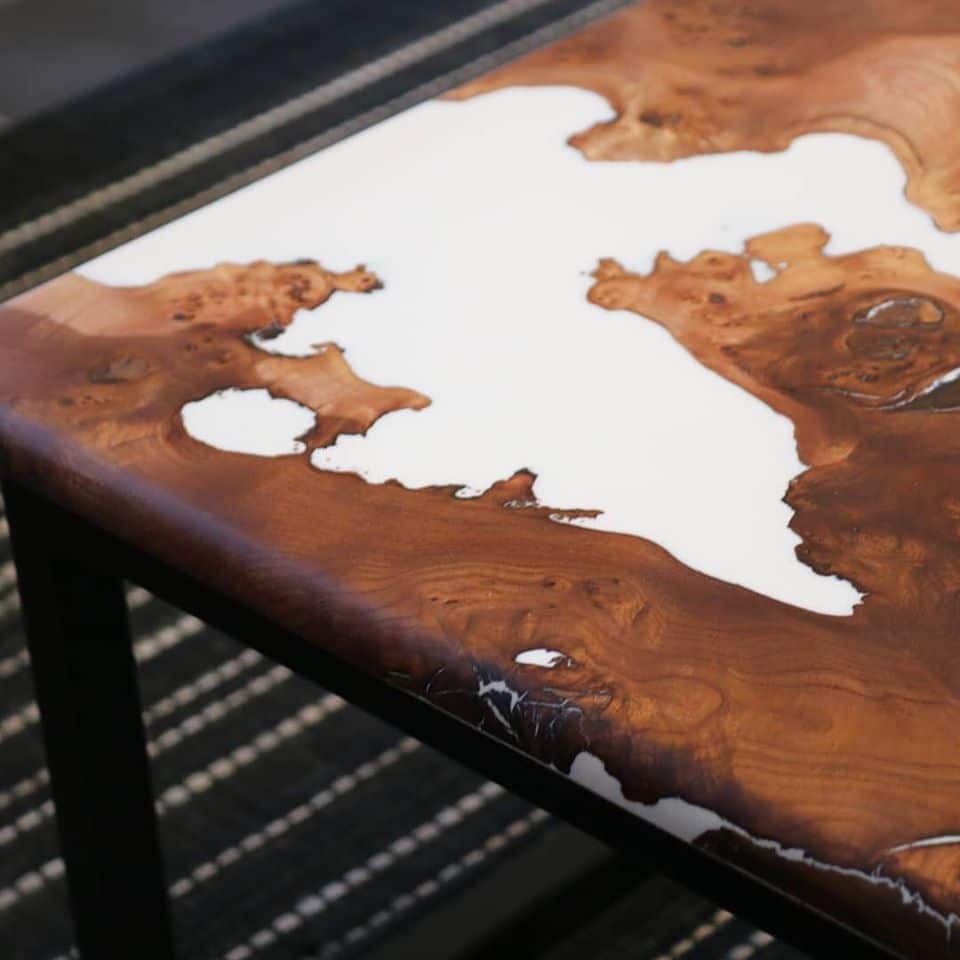
Step 4: Pour and Cure Your Coloured Resin
Once the colour is evenly incorporated, pour your resin into the prepared mould or onto your work surface. Work slowly and steadily to minimise air bubbles. Use a heat gun or torch gently if needed to remove any surface bubbles before curing. Allow the resin to cure as directed by the manufacturer, keeping your work area dust-free and undisturbed for the duration of the cure time.

Tips, Common Mistakes, and Troubleshooting
- Opaque colourants provide solid, non-transparent finishes– great for hiding objects or achieving bold art.
- Transparent dyes are ideal for glass-like effects – perfect for jewellery, geodes, or layers mimicking water.
- Always add colour gradually; it’s easier to intensify a shade than to lighten it once mixed.
- Avoid cheap or unsuitable pigments that may not mix well and could interfere with curing, leading to sticky or uneven resin.
- If bubbles persist, ensure your resin and work area are at the recommended temperature.
- For custom shades, mix colourants on a palette before incorporating them into resin for more accurate control.
Advanced Colouring Techniques for Epoxy Resin
Layering colours creates depth and unique gradient effects. Swirling and drop-in methods let you achieve marble, water, or smoke-like patterns. Experiment with different pouring angles for advanced artistic results in your resin work.
- "Colourfun Set" – Liquid Epoxy Resin Colourant Set for Solid Colour EffectsPrice range: £13.45 through £48.15Colourfun Set provides intense, translucent colours for transparent epoxy resin projects within a colouring theme.
- "Colourfun" – Liquid Epoxy Resin Colourant 25-100ml – High coveragePrice range: £3.65 through £9.85"Colourfun" is a liquid epoxy resin colourant providing vivid pigments and good coverage, suitable for resin art and professional castings.
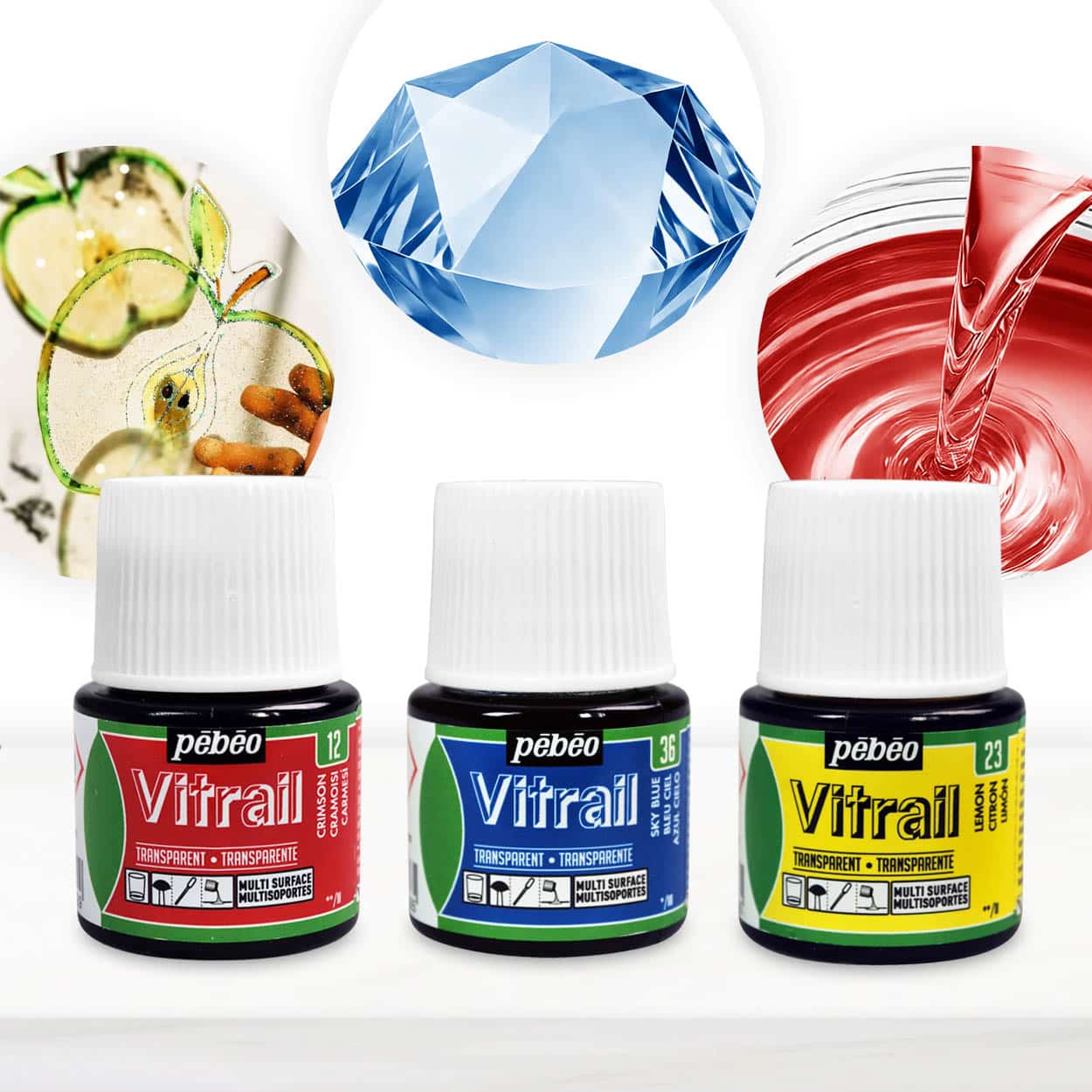 "Magic Crystal" – Transparent Resin Colour 45ml£4.65"Magic Crystal" Transparent Resin Colour 45ml is designed for resin artists to create clear, vibrant, and glass-like coloured effects.
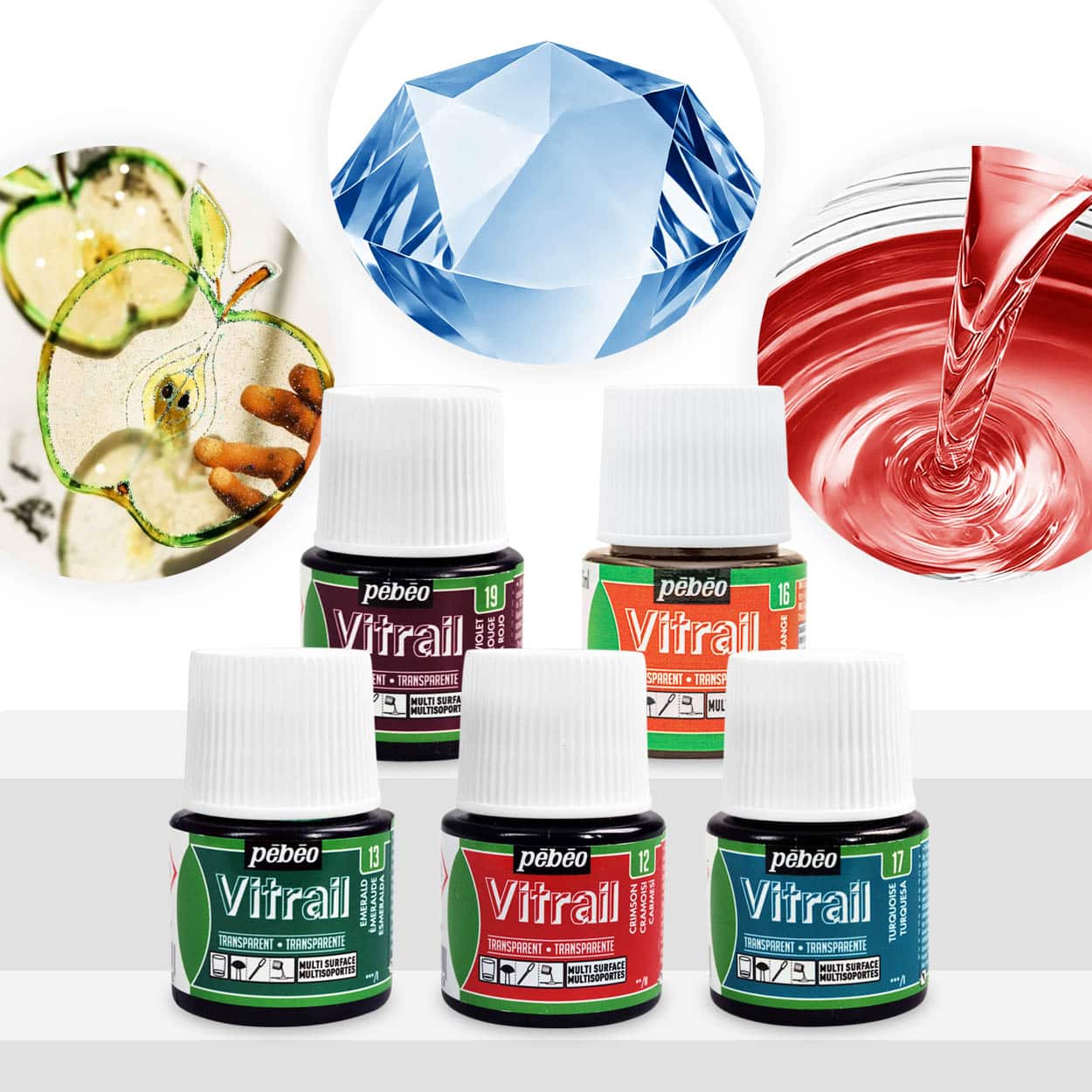 "Magic Crystal" – Set of 5 Transparent Colourants, 5 x 45ml£18.85A set of five transparent colourants designed for use with Resin Pro transparent resin to create coloured crystal effects.
Frequently Asked Questions
What is the best type of colourant for epoxy resin?
Liquid and paste-based colourants designed for epoxy resins ensure even mixing and reliable curing, offering vibrant or transparent finishes as desired.
Can I mix different colourants in one resin project?
Yes, you can blend different colourants to achieve custom shades. Test compatibility first and ensure all colourants are suitable for epoxy resin.
How much colourant should I use for epoxy resin?
Generally, add up to 5% colourant by total resin weight for best results. Exceeding this may interfere with curing or lead to sticky resin.
What is the difference between transparent and opaque resin dyes?
Transparent dyes maintain resin clarity for glass-like effects, while opaque colourants create solid, non-see-through finishes.
Will colourant affect my resin's cure time or quality?
Properly dosed resin colourants should not impact curing. Overuse may prevent full cure or lead to tacky surfaces, so always follow dosage guidelines.
Can I use acrylic or art paints to colour epoxy resin?
Non-specialist paints may cause uneven curing or unwanted texture. It is best to use specifically formulated epoxy resin colourants for reliable results.