 Free shipping on orders over £29,85
  Shipping Tracking!


 Google
 Facebook
How do you install a resin floor?
Step-by-step guide for professional resin floor results

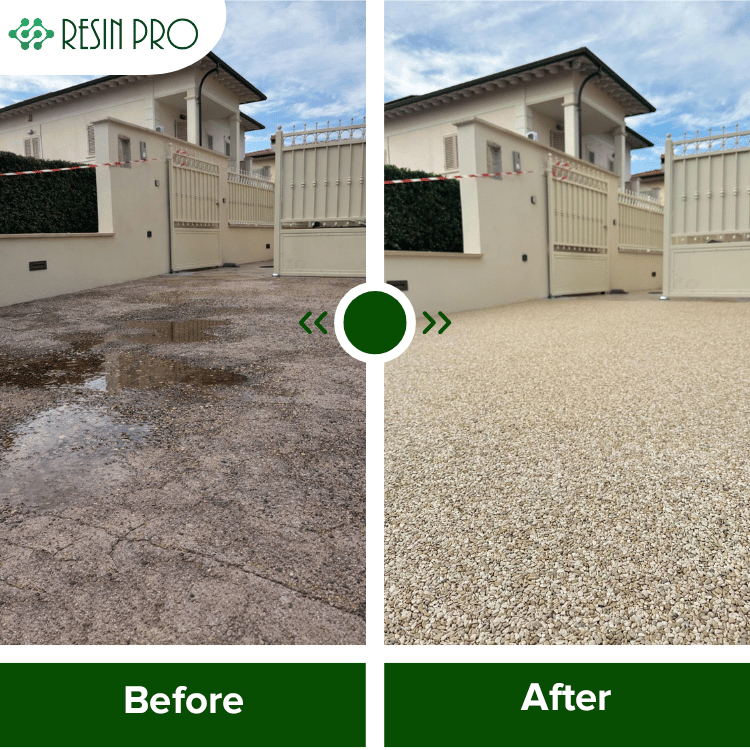
Installing a resin floor can transform both outdoor and indoor spaces with a seamless, durable, and visually attractive finish. Whether you’re refreshing a driveway, patio, or modern interior, the key to success is careful planning, attention to surface preparation, and following the correct application process for your chosen resin system. This guide explains the essential steps for achieving a professional resin floor installation, from start to finish.
What You’ll Need
- “Epoxyprimer” – Universal Water-Based Two-Component Epoxy Floor Primer – enhances adhesion on concrete, timber, or screed bases
- “Trasparente” – Epoxy Binder for Coloured Pebbles and Grits – clear binder for coloured pebble floors (for decorative or dark aggregates)
- “Polirock” – Polyurethane Binder for White Stones, 2kg Two-Component Kit – for white or light stone applications
- “Flowstone” – Complete Permeable Floor Kit with Pebbles and Resin – for all-in-one, permeable outdoor resin & stone flooring
- Appropriate aggregates (pebbles, stones, or coloured grits as suited to your project)
- Protective gloves, goggles, and clothing
- Mixing buckets and strong paddle mixer or cement mixer (for larger areas)
- Spatula, squeegee, or trowel for spreading the mix
- Roller/brush for primers and finishing edges
- Masking tape and sheeting for edge protection
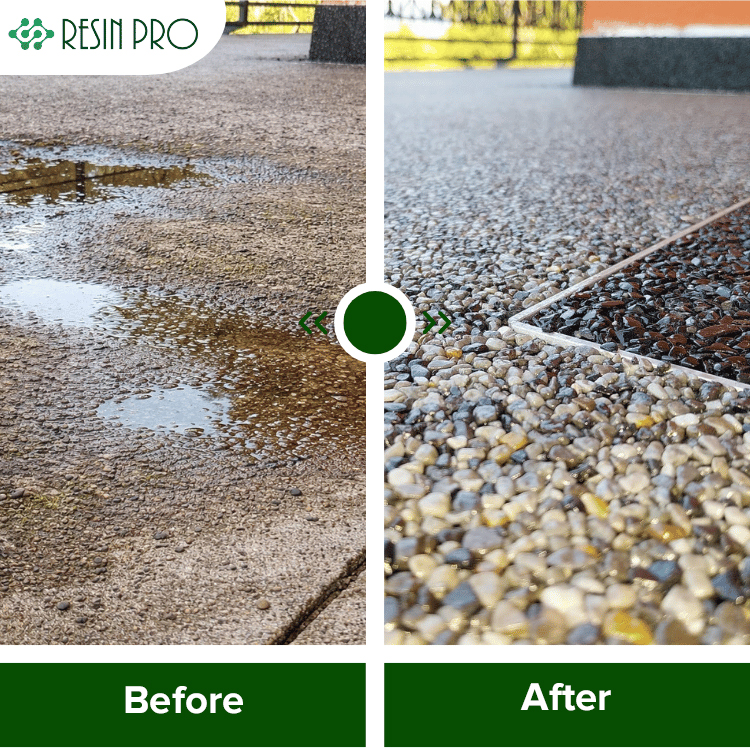
Essential Tools and Surface Preparation
Proper preparation is the foundation of a flawless resin floor. Use a stable base, adequate primer, and have all mixing tools and personal protection to avoid delays and ensure quality.
Step 1: Prepare the Base Surface
Start by thoroughly cleaning the area where the resin floor will be installed. Remove dust, dirt, oil, and any loose materials. If working with concrete, repair any cracks or holes and ensure the surface is stable and dry. For best results, lightly sand or abrade smooth or previously coated substrates, then vacuum thoroughly. Good preparation minimises future adhesion problems and ensures a clean, seamless result.
If your base is porous or prone to dusting, applying a dedicated primer is essential. For a variety of bases—concrete, timber, screeds, or ceramic tiles—“Epoxyprimer” – Universal Water-Based Two-Component Epoxy Floor Primer delivers superior bonding and an even surface for subsequent resin layers. Always allow sufficient curing time as indicated in the primer instructions.
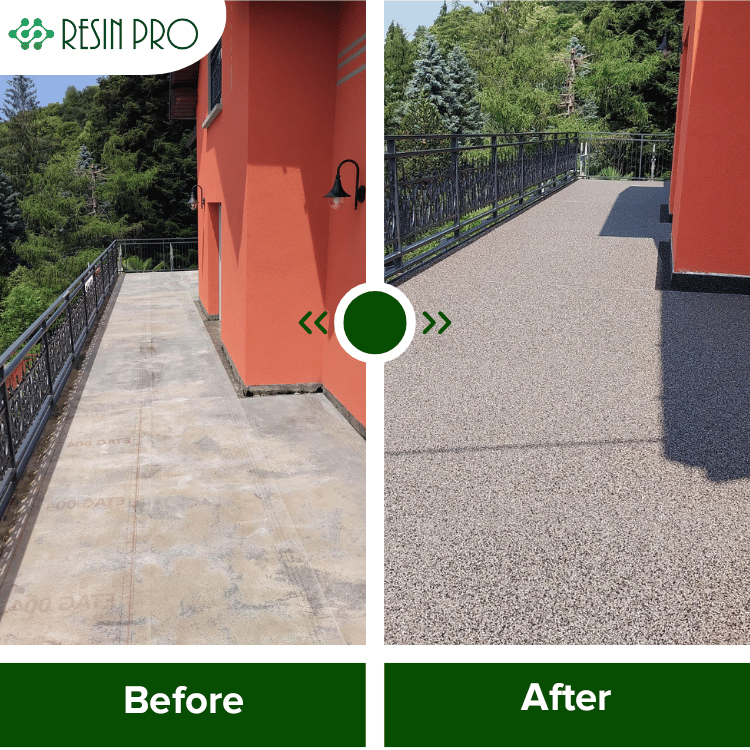
Step 2: Plan Your Application and Gather Materials
Before mixing resin, ensure you have measured the area and calculated coverage for your resin and aggregates. Lay out all tools, set up adequate ventilation, and use protective gear. Mask the edges of the floor to achieve clean lines and protect walls, steps, or adjoining surfaces. This step sets up a controlled and tidy working environment that prevents hurried mistakes once the resin is mixed.
Step 3: Prepare and Mix the Resin and Aggregates
Following the specific instructions for your chosen binder, mix the resin components thoroughly in a clean bucket. For decorative coloured aggregates or dark pebbles, use a transparent binder such as “Trasparente” – Epoxy Binder for Coloured Pebbles and Grits. For white or light stones, choose a polyurethane binder like “Polirock” – Polyurethane Binder for White Stones, 2kg Two-Component Kit to maintain clarity and avoid yellowing.
Combine the mixed binder with your chosen aggregate. Mix thoroughly until all particles are uniformly coated—this ensures consistent bonding and a stable result. For larger surfaces, a cement mixer speeds up the process and improves uniformity. Only mix as much material as you can apply within the binder’s working time to prevent premature curing in the bucket.
Step 4: Spread and Level the Resin-Aggregate Mixture
Pour the mixture evenly across your masked-off floor area. Using a trowel, squeegee, or spatula, spread and level the mixture to the desired thickness, usually between 10 and 20 mm depending on specified use. Compress and smooth the surface with even strokes, taking care not to overwork the material or trap air bubbles. Ensure all areas are compact and edges are crisp against the masking tape.
Work methodically to avoid overtrowelling or gaps, and periodically check surface flatness. For resin-bound permeable installs (such as patios or driveways), the “Flowstone” – Complete Permeable Floor Kit with Pebbles and Resin simplifies the selection and mixing process for large outdoor applications.

Step 5: Allow to Cure and Finish the Floor
Carefully follow curing times stated by your binder or kit—these typically range from walkable in 10–24 hours to full mechanical strength at 48 hours, depending on the system and weather conditions. Prevent contamination by dust or debris during curing by restricting access. Only remove masking once the surface is tack-free and safe to touch.
Once cured, inspect for any needed touch-ups or surface cleaning. For additional safety or design, you may apply a compatible topcoat or anti-slip treatment as desired.

Tips, Common Mistakes, and Troubleshooting
- Thorough surface preparation ensures adhesion – do not skip cleaning or priming steps, especially on porous or worn substrates.
- Even mixing and application prevent patchiness – mix resins and aggregates fully; use correct binder for your stone and colour choice.
- Weather matters for successful curing – avoid installing in very cold, hot, or humid conditions.
- Plan for the full working time; never rush resin application or curing.
- If in doubt, test a small patch before a large area or seek advice for your specific surface and resin system.
Visual Finishes and Application Details
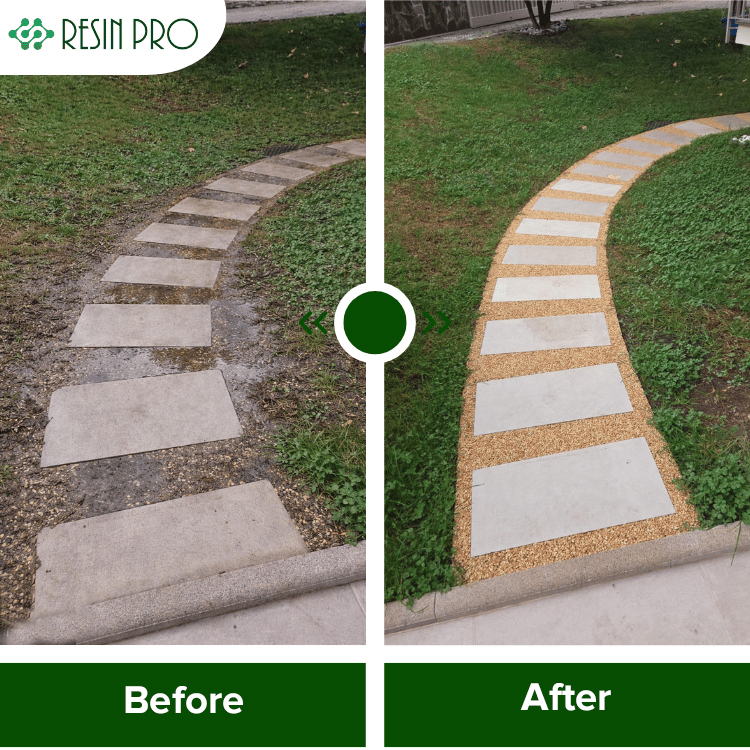
Choose aggregates and resins for desired performance and appearance. Maintain even thickness and careful trowelling for a smooth, continuous result across all area types.
- "Flowstone" – Complete Permeable Floor Kit with Pebbles and ResinPrice range: £42.85 through £3,389.85The Flowstone kit provides a durable, permeable pebble and resin flooring solution suitable for UK driveways and patios with simple application…
- "Trasparente" – Epoxy Binder for Coloured Pebbles and GritsPrice range: £31.85 through £948.85"Trasparente" is a transparent epoxy binder for coloured pebbles, providing a clear, UV-resistant finish for pebble floors.
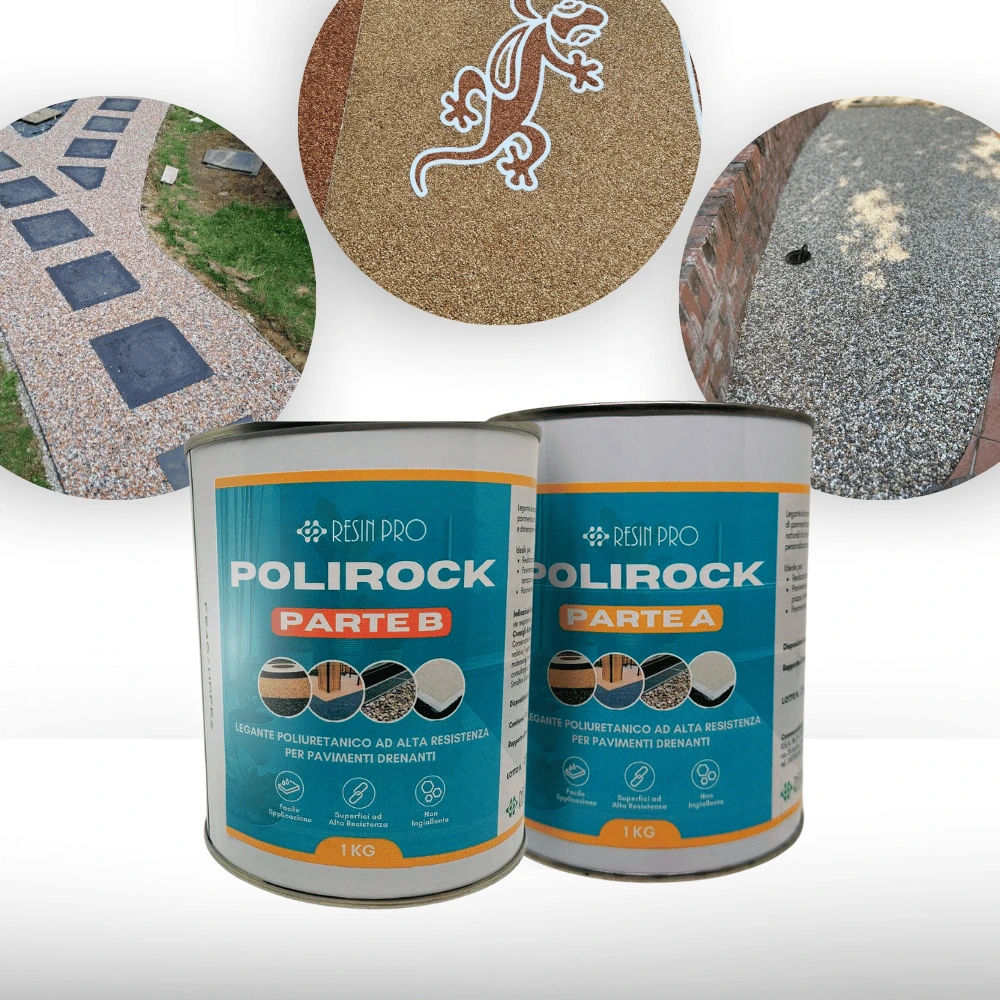 "Polirock" – Polyurethane Binder for White Stones, 2kg Two-Component Kit£58.85Polirock is a two-component polyurethane binder designed for white stones, suitable for creating decorative and permeable outdoor surfaces.
 "Epoxyprimer" – Universal Water-Based Two-Component Epoxy Floor PrimerPrice range: £148.84 through £272.45"Epoxyprimer" is a water-based epoxy floor primer designed for reliable adhesion on concrete, timber, tiles, and screeds.
Frequently Asked Questions
Can you install a resin floor yourself at home?
Yes, resin flooring can be a DIY project when you follow detailed instructions and safety guidelines.
How long does resin flooring take to cure?
Curing time ranges from 10 to 48 hours depending on temperature, humidity, and the specific resin system used.
What surfaces can you install a resin floor on?
Resin floors can be applied to concrete, screeds, tiles, and well-prepared timber or existing hard surfaces.
How should I prepare a surface for a resin floor?
Clean thoroughly, repair defects, and apply a compatible primer to promote adhesion and a level finish.
Can resin floor be used outdoors?
Yes, many resin floor systems are specifically designed for outdoor use, especially when paired with permeable kits and UV-resistant binders.
Are resin floors slip resistant?
Resin floors can be finished as slip-resistant by selecting suitable aggregates or adding anti-slip treatments.