 Free shipping on orders over £29,85
  Shipping Tracking!


 Google
 Facebook
How do you make epoxy resin?
Making epoxy resin is a rewarding and versatile process valued by crafters, artists, and DIY enthusiasts alike. Whether you’re aiming to create beautiful jewellery, coatings for furniture, or intricate art pieces, the key to a professional result lies in mastering the technique. This guide will walk you through each step of making and using epoxy resin safely and effectively, with an emphasis on preparation, mixing, and troubleshooting common mistakes.
Step-by-step guide for safe, effective epoxy resin projects

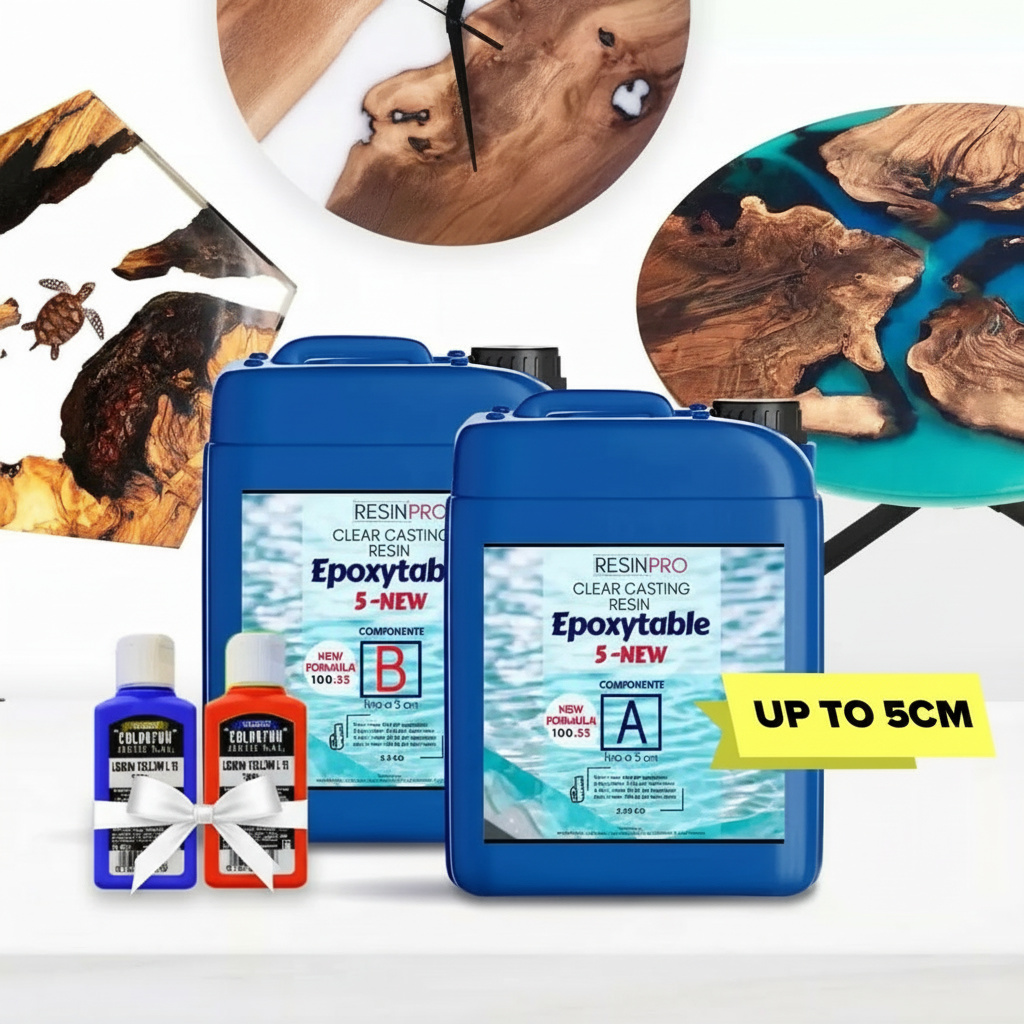
What You’ll Need
- “One-2-One” – Epoxy Resin for Handcraft, 1:1 Mixing Ratio – Ideal for jewellery, cabochons, and decorative items
- “EpoxyTable 5-Five” – Deep Pour Epoxy Resin for Tables and Large Projects – Up to 5cm – Best for thick pours and large projects
- “ICreation” – Fast Epoxy Resin, 6h Demoulding, Transparent Gloss Finish – Suited to time-sensitive crafts
- “Icrystal” – Clear Epoxy Resin – Odourless Formula – Up to 1.5cm – Excellent for coatings and clear art surfaces
- Protective gloves and eyewear
- Mixing cups and sticks (preferably disposable)
- Smooth, dust-free work surface
- Level working table
- Optional: pigments, inclusions, heat gun or torch (for bubble removal)
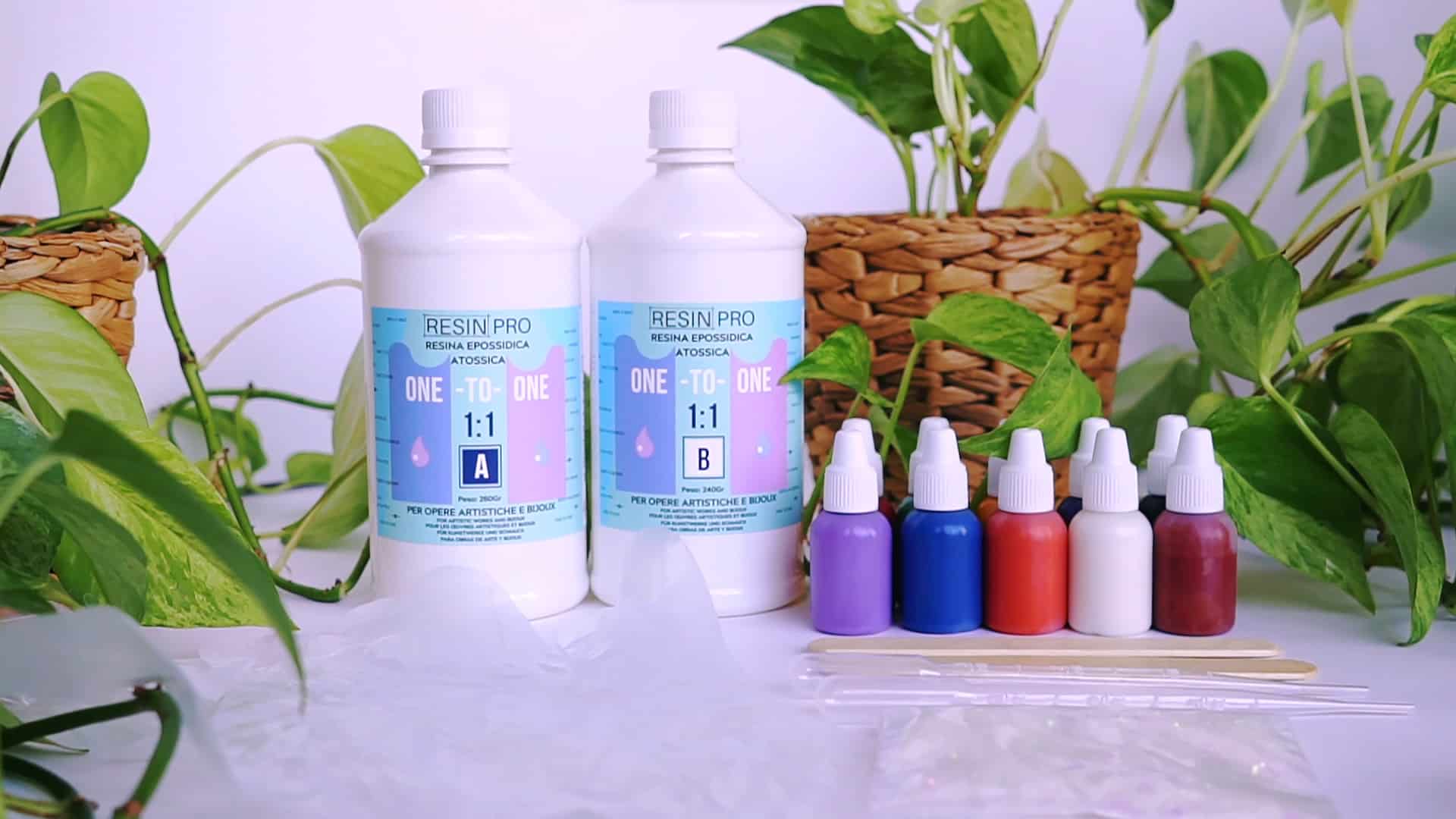
Clear Workspaces and Safety Essentials
Begin by clearing and organising your work area. Lay out all required materials and put on gloves before opening any resin containers. Proper preparation ensures a clean, trouble-free process from start to finish.

Step 1: Prepare Your Workspace
Choose a well-ventilated, dust-free environment. Ensure your work surface is level to prevent uneven curing. Lay down protective sheeting to capture any drips. Wear gloves and eyewear before handling resins to protect your skin and eyes from accidental contact. Temperature is also important — ideally, work where the room temperature stays between 18°C and 25°C for consistent results.
Work in a well-ventilated space to safely disperse fumes, especially when pouring large quantities of resin.
Step 2: Measure Resin and Hardener Accurately
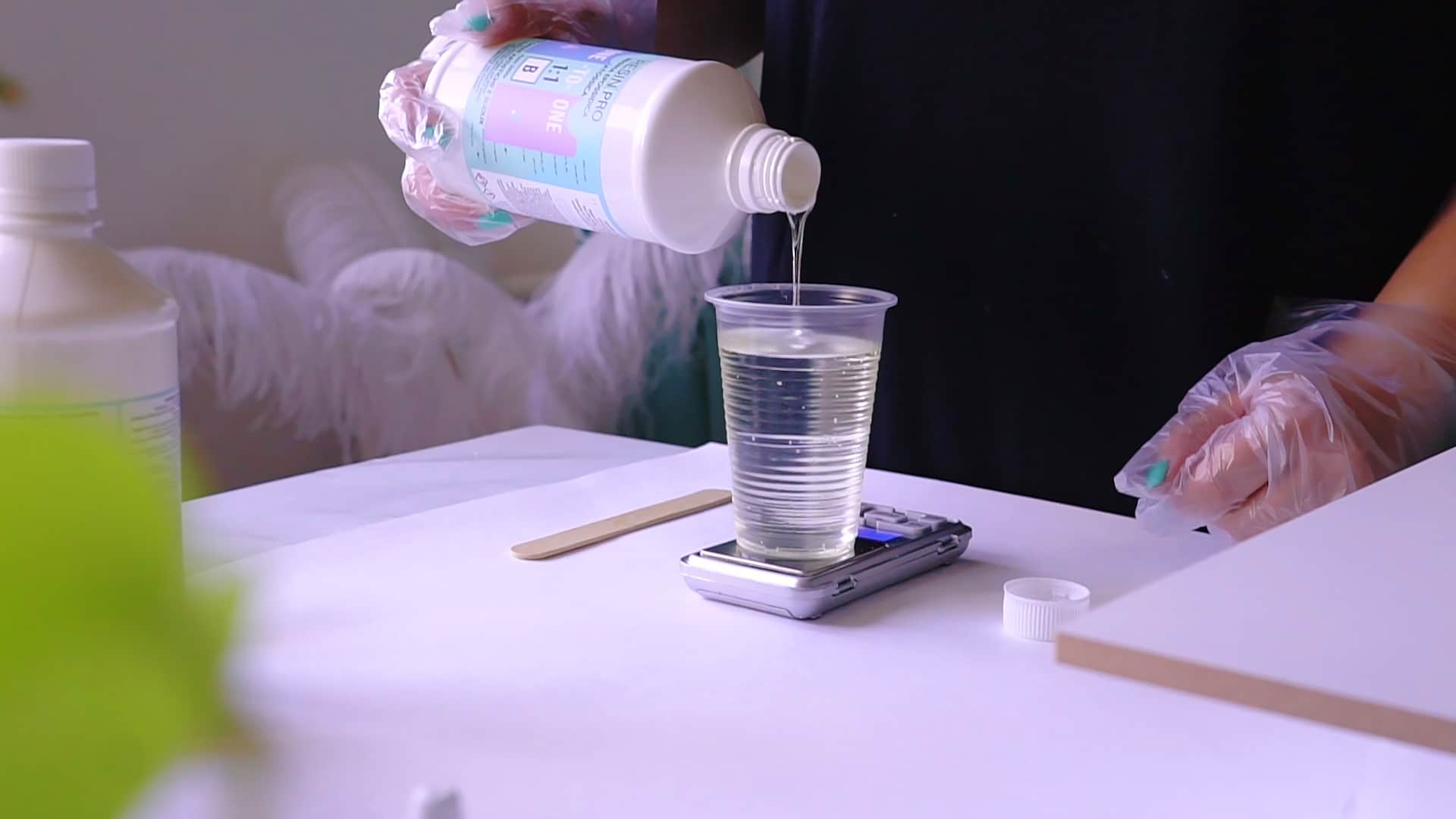
Read the instructions on your chosen resin packaging carefully, as different formulas require specific ratios. Always measure out your epoxy resin and hardener as specified — whether it’s a 1:1, 2:1, or other ratio, precision is crucial to proper curing. Use graduated mixing cups for best accuracy and avoid guessing measurements.
For example, the “One-2-One” – Epoxy Resin for Handcraft, 1:1 Mixing Ratio requires equal parts resin and hardener by volume for simplified preparation.
Always measure epoxy resin and hardener accurately to prevent soft spots or incomplete curing.
Step 3: Mix Resin and Hardener Thoroughly
Pour the resin and hardener together into your mixing container. Using a mixing stick, blend the components slowly with steady movements, scraping the sides and bottom continually. Mix for at least 3–5 minutes or as instructed, until the mixture is fully uniform and clear. Mixing too quickly can introduce air bubbles, so patience is key.
Mix slowly and thoroughly to avoid air bubbles and ensure a strong bond when the epoxy cures.
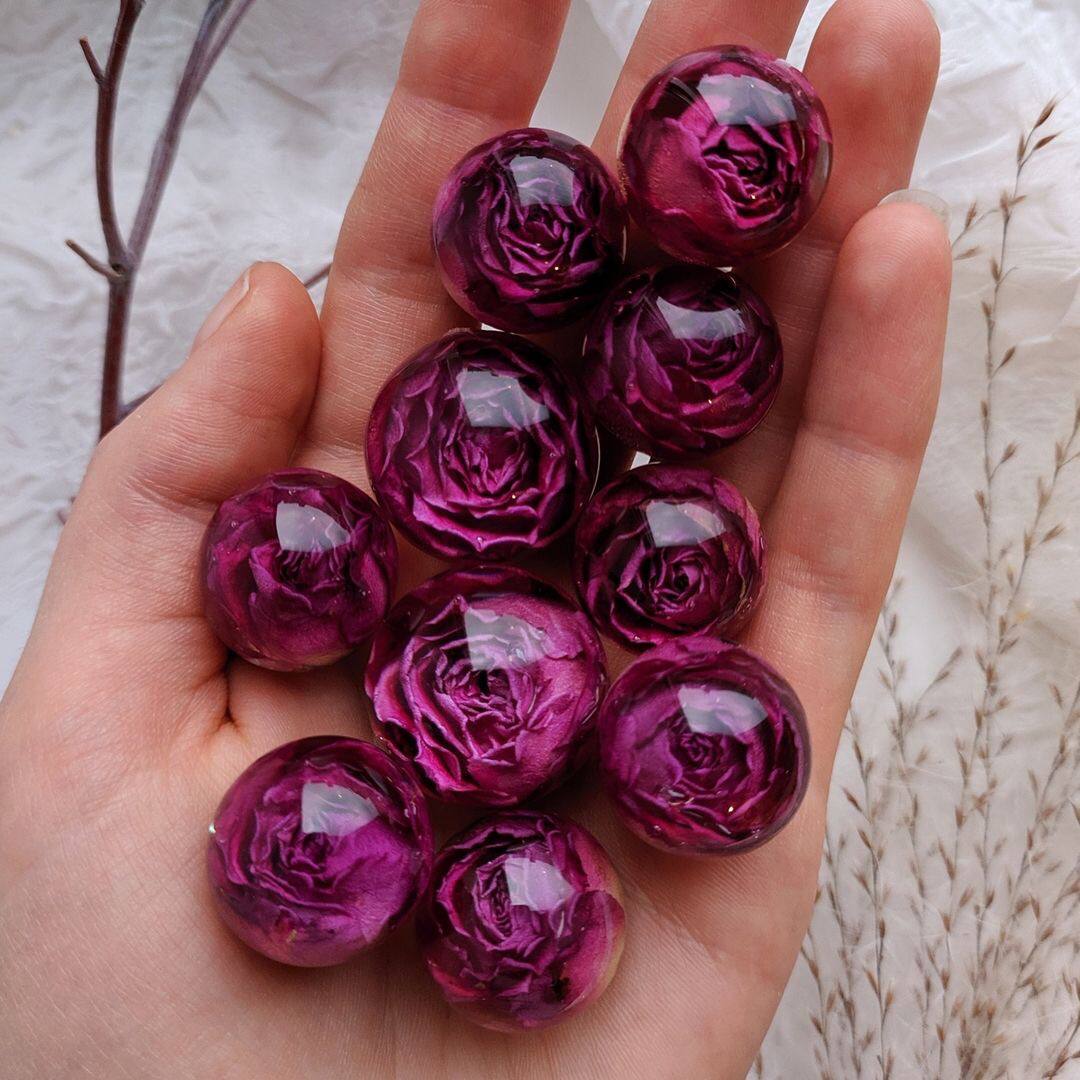
Step 4: Pour and Layer the Epoxy Resin
Once your mixture is homogenous and ready, pour it onto your project surface or into your mould. Spread evenly to reach edges, and use a toothpick or stick to guide the flow around detailed areas. For thick items or deep pours, such as tabletops, pour in layers according to the product’s guidance to avoid overheating and bubbling.
For deep pours up to 5cm, “EpoxyTable 5-Five” – Deep Pour Epoxy Resin for Tables and Large Projects – Up to 5cm is recommended for best clarity and safe thick applications.
Pour in thin layers for thick items to reduce risk of heat build-up and ensure uniform hardening.
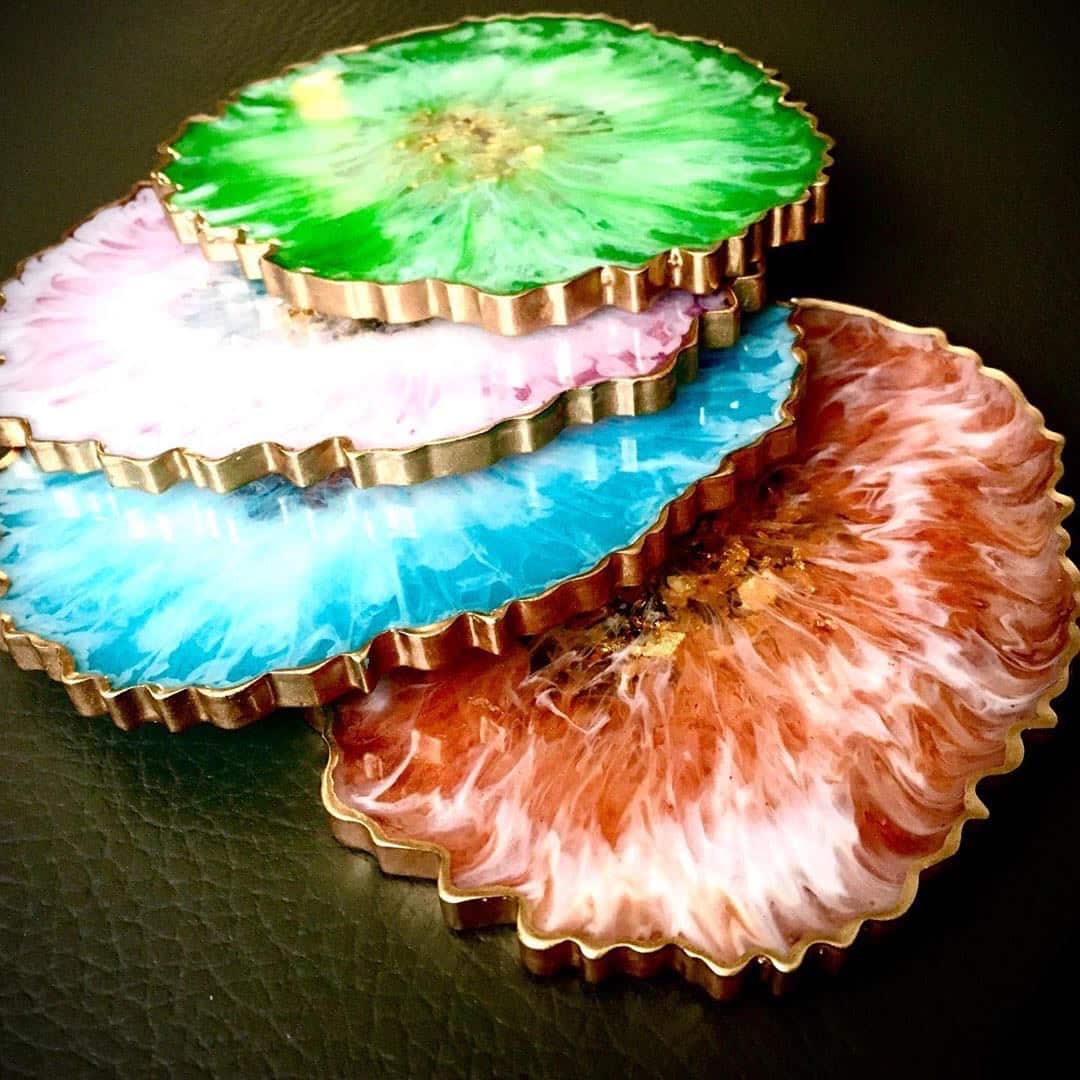
Step 5: Curing and Demoulding
Leave your project undisturbed as the epoxy cures. Curing times vary by product and environment; some, like “ICreation” – Fast Epoxy Resin, 6h Demoulding, Transparent Gloss Finish, allow demoulding in as little as 6 hours, while others require overnight or longer. Avoid touching or moving your piece during this time to prevent imperfections. If needed, use a heat gun or torch briefly over the resin surface to pop bubbles in the first 10–20 minutes after pouring.
Tips, Common Mistakes, and Troubleshooting
Wear gloves and protective eyewear every time you mix or pour resin, regardless of the project size or resin’s odourless characteristics.
Common mistakes include inaccurate measurement, insufficient mixing, or pouring too thickly, which can cause sticky or cloudy results. If your resin remains soft, double-check your mixing ratio and ambient temperature. If bubbles persist, try warming the resin slightly (as permitted by product guidelines) or applying gentle heat after pouring. Store leftover resin tightly sealed and away from direct sunlight to maintain quality for future use.
Maintaining Results and Cleaning Up
Wipe down tools with suitable solvent immediately after use to prevent build-up. Store unused resin in a cool, dry place and check instructions for safe disposal or long-term projects.
- "One-2-One" – Epoxy Resin for Handcraft, 1:1 Mixing RatioPrice range: £14.85 through £56.85"One-2-One" epoxy resin is a medium viscosity product designed for handcrafts, offering easy 1:1 volume mixing and a clear, glossy finish.
- "EpoxyTable 5-Five" – Deep Pour Epoxy Resin for Tables and Large Projects – Up to 5cmPrice range: £16.85 through £1,099.85"EpoxyTable 5-Five" is designed for deep pours up to 5cm, suitable for tables and larger projects with features supporting clear, durable finishes.
 "ICreation" – Fast Epoxy Resin, 6h Demoulding, Transparent Gloss FinishPrice range: £19.40 through £52.85"ICreation" fast epoxy resin is suitable for rapid, transparent resin projects with a glossy finish, designed for artists and crafters.
 "Icrystal" – Clear Epoxy Resin – Odourless Formula – Up to 1.5cmPrice range: £11.65 through £954.85"Icrystal" epoxy resin is transparent and odourless, suitable for clear coatings and surfaces up to 1.5cm thick.
Frequently Asked Questions
Do you need special gear to make epoxy resin?
Wear gloves and protective eyewear when mixing and pouring. Use a level surface, mixing cups, and sticks for best results.
What is the best mixing ratio for epoxy resin?
Always follow the instructions per product—common ratios include 1:1 and 2:1. Accurate measurement is essential for curing.
How can I prevent bubbles in epoxy mixes?
Mix slowly and apply the resin at moderate room temperature. Briefly use gentle heat on the surface to help bubbles rise.
Can I pour epoxy resin in one thick layer?
Most projects require pouring in thin layers. Use deep pour formulas for larger projects but follow guidelines for layering.
How long does epoxy resin take to cure?
Curing time depends on the formula and temperature—from 6 hours to 24 hours or longer. Do not move pieces during this time.
What should I do if the resin stays sticky?
Sticky resin is usually caused by incorrect ratios or poor mixing. Review instructions, check ratios, and remix if needed.