 Free shipping on orders over £29,85
  Shipping Tracking!


 Google
 Facebook
← Back to how to make epoxy resin jewellery
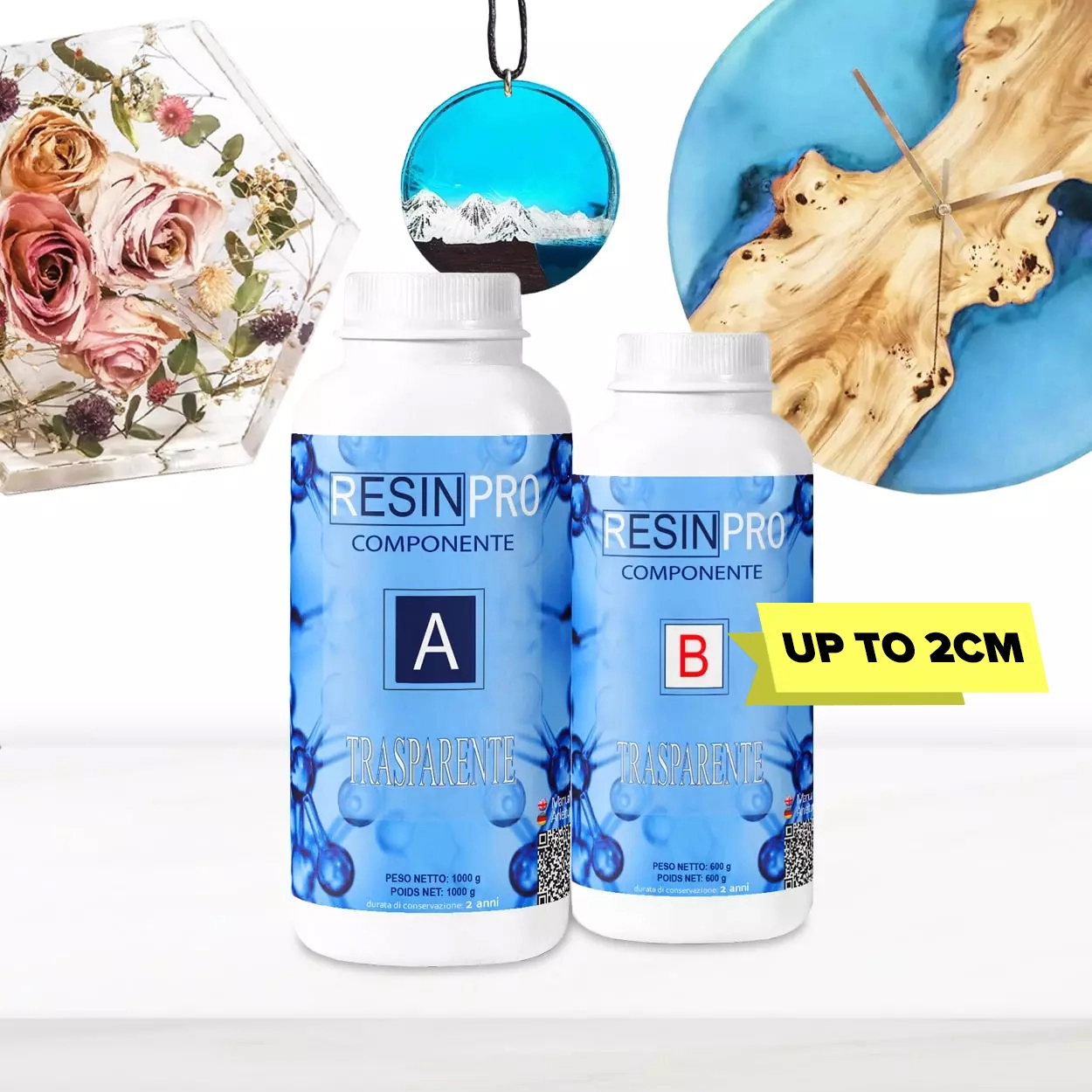
When crafting thicker epoxy resin jewellery, pouring in layers is key to achieving a flawless finish and reducing the risk of issues like overheating or unwanted bubbles. This simple approach helps you produce sturdy, clear pieces and keeps your creative process manageable and safe.
Why Layering Matters in Thicker Casts
Pouring epoxy resin in a single thick pour may lead to excessive heat build-up, cloudiness, or trapped bubbles, especially in moulds over 1–2cm deep. Most jewellery epoxy resins—including the “Trasparente” resin—are designed for a maximum recommended pour thickness per layer (often up to 2cm). Exceeding these limits can cause the resin to cure too quickly, compromising clarity and strength.
Step-by-Step Layered Pouring
- Work in stages: Prepare and pour one layer at a time. Allow each to partially cure before adding the next—this helps prevent unwanted lines and preserves excellent clarity.
- Mix in small batches: Smaller volumes are less likely to overheat.
- Monitor cure time: Touch the surface; it should be tacky, not runny, before pouring further layers. This encourages a strong bond between layers.
Using high-clarity resins like “Trasparente” or the all-in-one “Evershine Collection” kit can help produce professional, bubble-free results.
When Layering Really Matters
If you’re planning jewellery pieces thicker than 1.5–2cm, casting in separate layers is essential for safe handling, transparency, and longevity. This technique is especially important for larger pendants, memorial keepsakes, or inclusions with flowers and other decorative elements.
Related products
Related guides
Taking the time to pour epoxy resin in layers ensures your jewellery creations cure beautifully clear and strong. For more advice and expert products tailored to jewellery making, explore our full guide on how to make epoxy resin jewellery.