 Free shipping on orders over £29,85
  Shipping Tracking!


 Google
 Facebook
How do you make resin glue?
Step-by-step guide for strong, durable resin adhesives at home


Resin glue is prized for its strong, durable, and versatile adhesion across a range of materials. Whether you’re repairing household items, building crafts, or tackling DIY projects, understanding how to make resin glue ensures reliable results every time. This guide takes you through each step, with important safety information and pro tips for success.
What You’ll Need
- “Klebfix” – Two-Component Fast Epoxy Glue 2K, 25g Syringe – For rapid, professional bonding
- “FixExpress” – Two-Component Epoxy Glue 500g – For larger or more versatile repairs
- “Mixer Nozzle” – For Mixing Epoxy Glue, 50ml, Araldite 2000 Series Compatible – Optional: to make mixing in cartridges easier and consistent
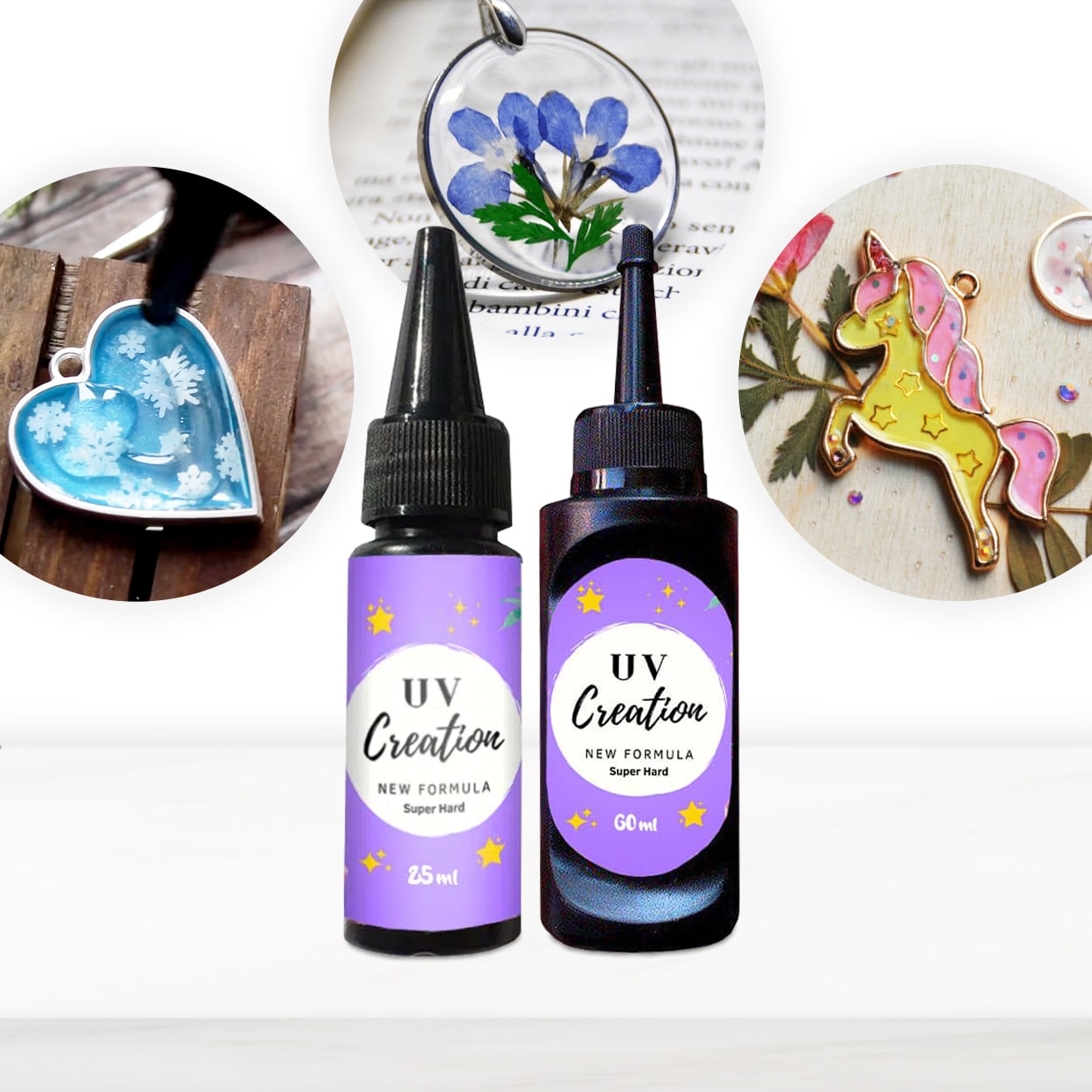
- “UV–Creation” – Fast Acrylic Resin, 3 Minute UV Cure – For transparent, quick-setting bonds under UV light
- Nitrile gloves and eye protection
- Disposable mixing sticks or spatulas
- A clean mixing surface (e.g., disposable cup or mixing tray)
- UV lamp (for UV resin glue only)
- Paper towels and isopropyl alcohol for clean-up

Visual Guide to Resin Glue Essentials
See the necessary tools and materials for making resin glue, including protective gear and mixing accessories, to ensure professional results and safety at every step.

Step 1: Prepare Your Workspace and Materials
Always wear gloves and eye protection when working with resin glue. Set up in a well-ventilated area and cover surfaces to protect against drips or spills. Ensure your materials and the surfaces to be bonded are clean, dry, and free from dust or oils, as cleanliness is crucial for a strong bond.
If using two-part epoxies, select the appropriate resin and hardener kit. For UV resin glue, have your UV lamp ready and check that the lamp matches the resin’s required wavelength for curing.
Step 2: Measure and Mix the Resin Glue
Carefully measure the resin and hardener for accurate results. Most two-part epoxy glues, such as Klebfix or FixExpress, require a 1:1 mixing ratio by volume or weight. Dispense equal amounts of each component onto a clean mixing surface. If using a cartridge or syringe, attach the Mixer Nozzle for automatic, even mixing.
Mix thoroughly for at least 1–2 minutes until uniform, ensuring the components are fully blended for the strongest final bond. For UV-cure resin glue like UV–Creation, mixing is not necessary—just open the bottle and it’s ready for application.
Step 3: Apply the Resin Glue to the Surfaces
Apply the glue quickly as working time is limited. With epoxies, use a spatula or directly use the dosing syringe for precise application. Spread a thin, even layer across one of the surfaces to be joined. Align the parts carefully, as epoxy glue may start to set in as little as 5 minutes.
For UV resin glue, apply a small amount to the repair area, then expose it to a suitable UV lamp for the recommended curing time. Ensure the glue is directly in the light’s path for complete curing.

Step 4: Allow to Cure and Finish
Allow the bond to fully cure before handling the item. For standard epoxy glues, initial set occurs quickly (about 5 minutes), but maximum bond strength develops after several hours. Avoid disturbing the repair in the meantime.
With UV resin glues, your bond should be fully set right after the lamp’s cycle ends (typically around 3 minutes). Gently test the strength once cooled, and remove any excess resin or spills with isopropyl alcohol before the resin fully hardens.
Tips, Common Mistakes, and Troubleshooting
Work swiftly after mixing, as the glue will begin to set. Only mix as much as you can use within the open time to avoid waste. Incorrect ratios or poor mixing can result in a weak bond or tacky surface. If you notice incomplete curing, check that you followed the 1:1 ratio and mixed thoroughly. With UV resin, ensure the lamp is correctly matched to the recommended wavelength and that all resin is exposed to light.
Clean tools promptly with alcohol before the glue sets. Store unused resin and hardener separately and firmly closed to maximise shelf life.
Before and After Curing Examples
Observe the difference between freshly applied and cured resin glue, highlighting the importance of patience and proper curing for a robust bond.

- "Klebfix" – Two-Component Fast Epoxy Glue 2K, 25g Syringe£24.00KLEBFIX 2K Fast Epoxy Glue is a two-component adhesive for quick, strong bonding of plastic, glass, metal, and wood.
- "FixExpress" – Two-Component Epoxy Glue 500g£26.95FixExpress is an epoxy glue designed for rapid repairs and strong adhesion on various materials, suitable for the theme How do you make resin glue?
- "Mixer Nozzle" – For Mixing Epoxy Glue, 50ml, Araldite 2000 Series Compatible£1.52This mixer nozzle is designed for use with Araldite 2000 series epoxy cartridges of 50ml size in resin glue applications.
- "UV–Creation" – Fast Acrylic Resin, 3 Minute UV CurePrice range: £8.45 through £62.95UV–Creation Fast Acrylic Resin cures in 3 minutes under UV light and is suitable for jewellery making and crafting projects.
Frequently Asked Questions
Can I use resin glue outdoors or in humid areas?
Yes, many two-part epoxies are waterproof and heat-resistant, making them suitable for outdoor use and damp conditions.
Which materials can resin glue bond?
Resin glue can bond plastics, metal, glass, wood, ceramics, and more, provided surfaces are clean and dry.
How long should I wait for full strength?
Most epoxies reach initial strength in 5 minutes, but maximum strength is achieved after several hours to overnight curing.
Can I tint or colour resin glue?
Many resin adhesives can be tinted with compatible pigments, ideal for crafts or discreet repairs.
What if my resin glue remains sticky?
Sticky glue is often due to incorrect mixing ratios or under-mixing. Ensure a thorough blend and follow precise proportions.
How safe is resin glue for DIY use?
Resin glues are generally safe, but always use gloves, work in ventilated areas, and avoid skin or eye contact.