 Free shipping on orders over £29,85
  Shipping Tracking!


 Google
 Facebook
How do you make resin jewelry?
A step-by-step guide for crafting stunning resin pieces.
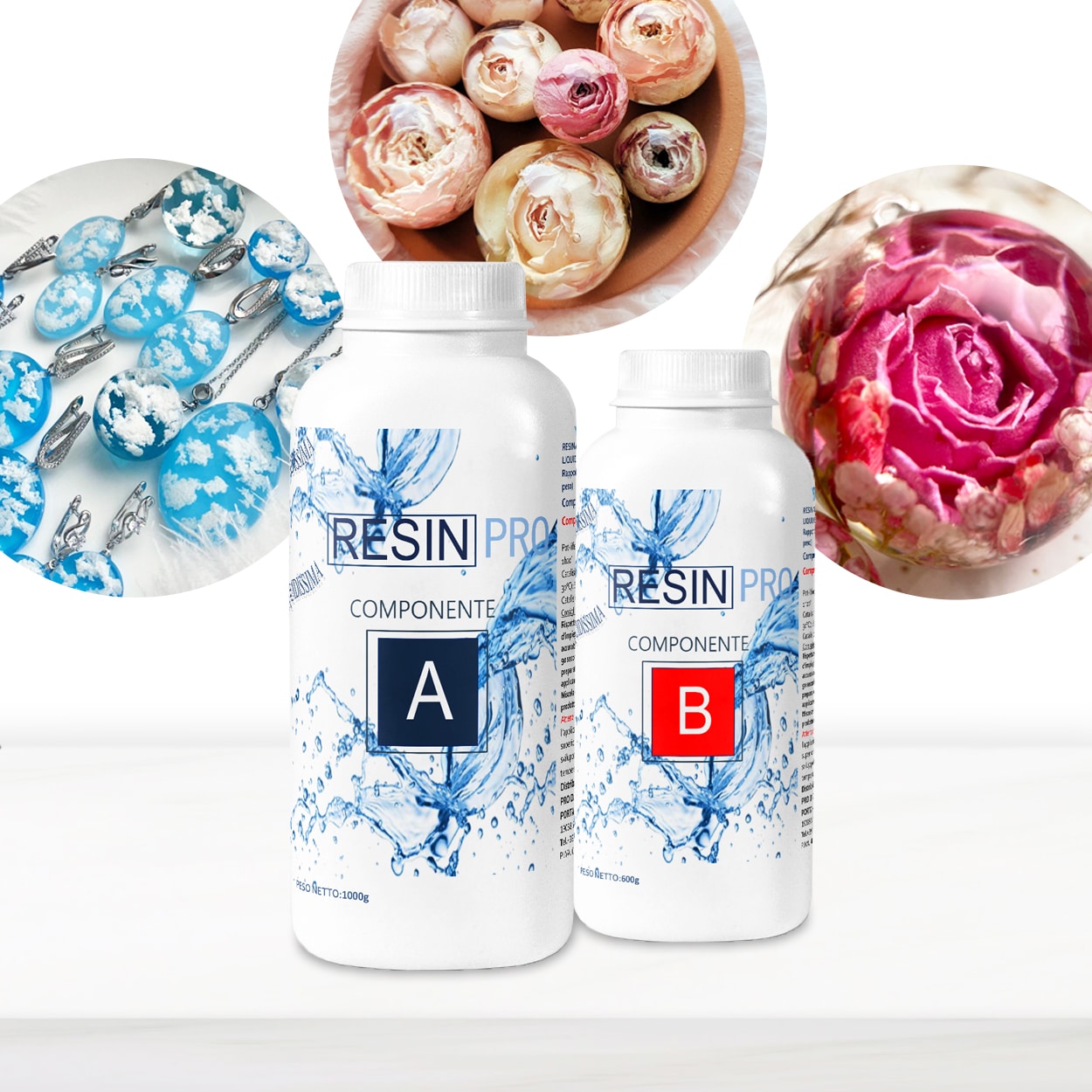

Resin jewellery is beloved for its crystal-clear finish, vibrant colours, and creative possibilities. Whether you are an aspiring artisan or hobbyist, learning to make resin jewellery at home allows you endless personalisation, from preserving flowers to creating bespoke gifts. This guide will walk you through the entire process, helping you achieve professional-looking results with the right approach.
What You’ll Need
- “Liquidissima” – Epoxy Resin For Creations & Jewellery – for artist-grade transparency and flow in intricate moulds
- “Evershine Collection” – Artisan Jewellery Epoxy Resin Kit with 100+ Accessories – all-in-one kit with pigments, moulds, and findings
- “UV–Creation” – Fast Acrylic Resin, 3 Minute UV Cure – for those who prefer instant UV curing
- “One-2-One” – Epoxy Resin for Handcraft, 1:1 Mixing Ratio – for a simple mixing process and durable finish
- Silicone jewellery moulds
- Gloves, apron, and a dust-free work surface
- Measuring cups and mixing sticks
- Alcohol wipes or cotton swabs for clean-up
- Optional: Tweezers, decorative items (dried flowers, glitter, beads), polishing tools
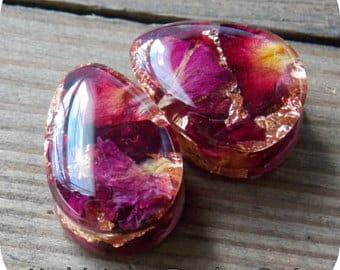
Inspiring Resin Jewellery Creations
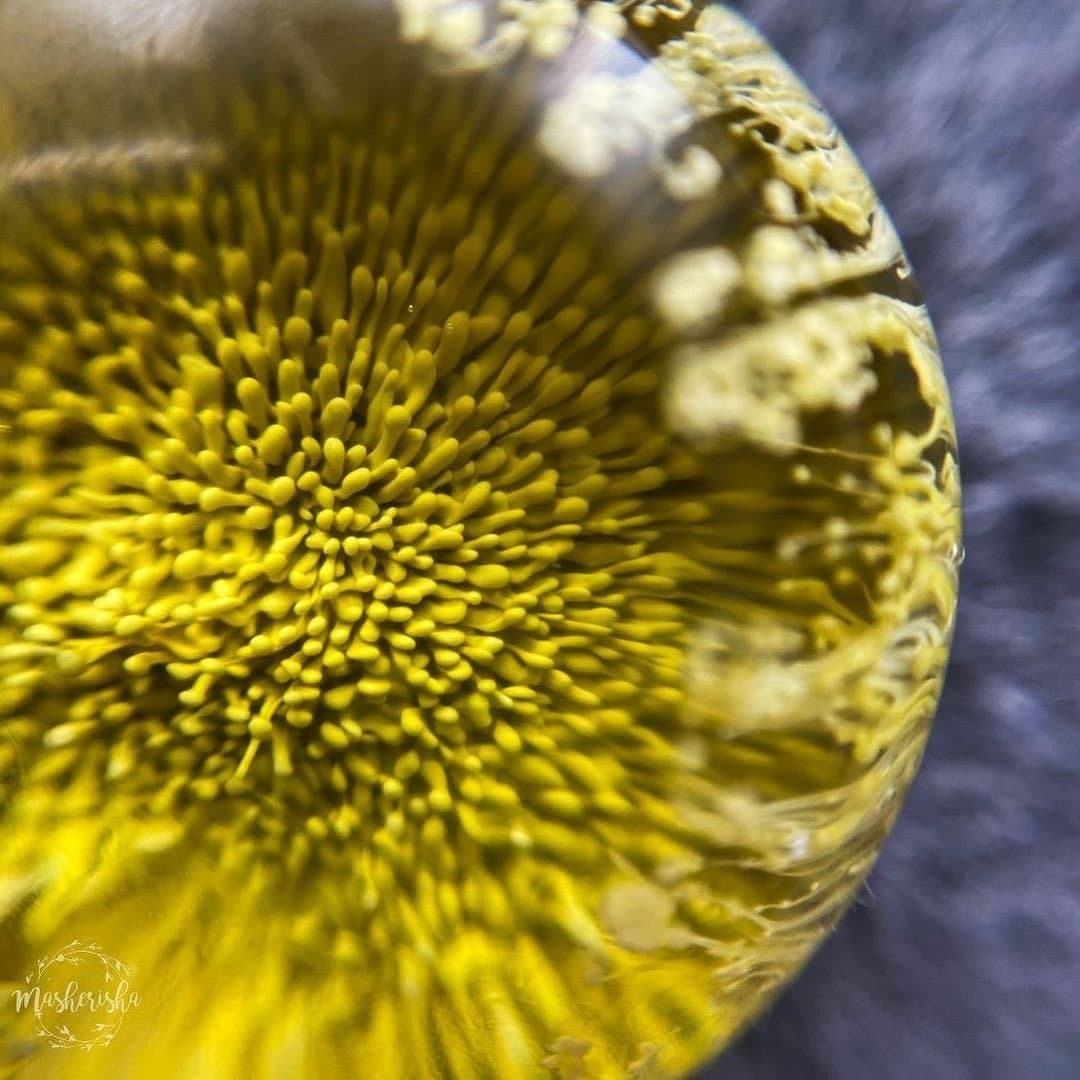
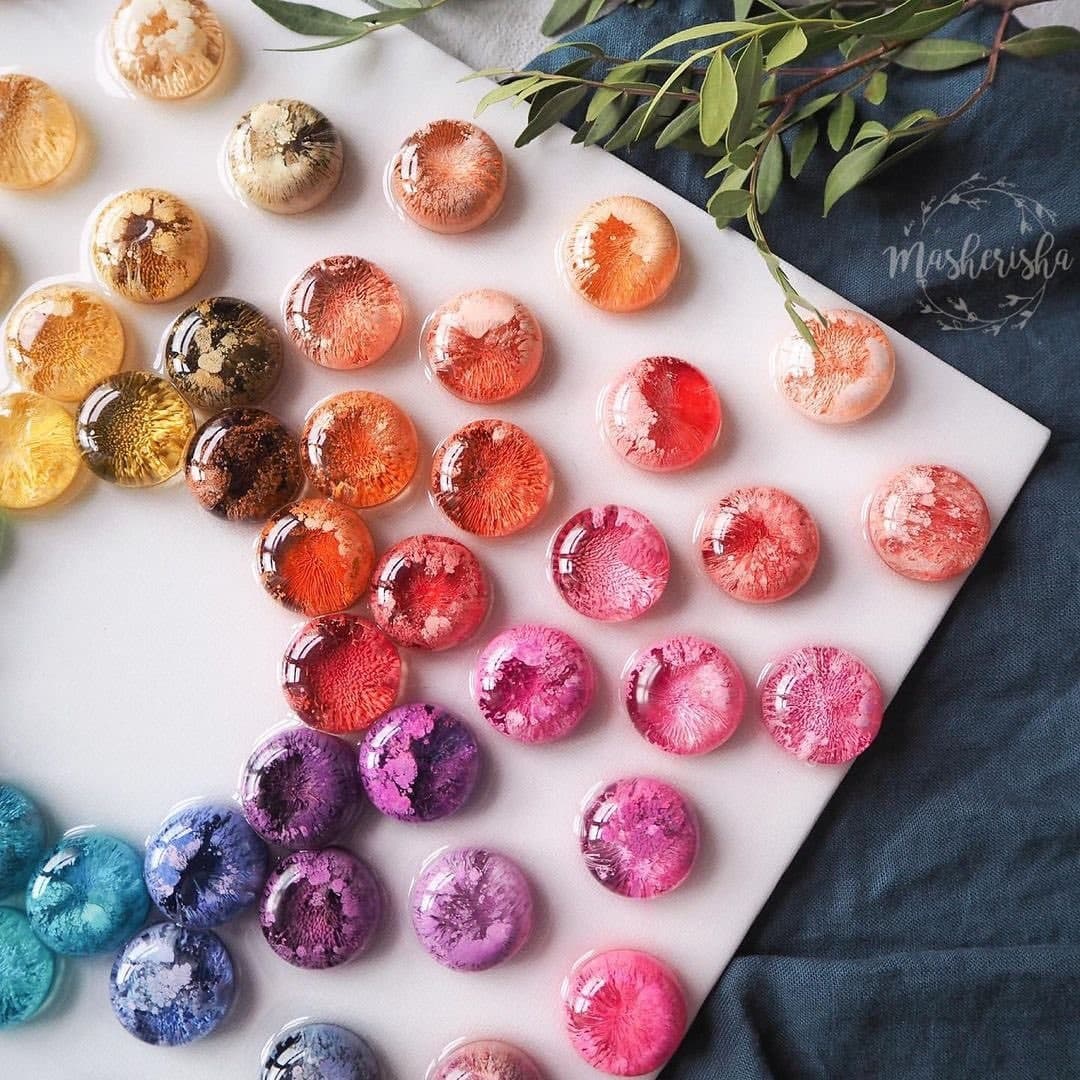
Explore unique resin jewellery projects, from floral pendants to shimmering statement rings. These inspiring examples show what’s possible when you master resin techniques and combine quality materials with creativity. Whether using UV or epoxy resin, imaginative touches transform every piece into wearable art.
Step 1: Prepare Your Workspace and Materials
Prepare your workspace and gather all necessary safety gear. Choose a well-ventilated, dust-free area to work. Cover your surface to catch any drips and wear gloves and an apron to protect your skin and clothes. Have all your tools and decorative materials organised and within easy reach. If using silicone moulds, ensure they are clean and dry to prevent dust or residue from affecting the final cast. Taking time to set up properly now will reduce mistakes and make the process smoother from start to finish.
Step 2: Measure and Mix Your Resin
Measure and mix your resin with accuracy. Read the instructions for your chosen resin—mixing ratios can differ between types. For example, “One-2-One” – Epoxy Resin for Handcraft, 1:1 Mixing Ratio is easily combined in equal parts by volume. Pour your resin and hardener into a clean cup, and mix slowly for at least two minutes. Stirring too vigorously can introduce bubbles, so take your time. If you are using the “UV–Creation” – Fast Acrylic Resin, 3 Minute UV Cure, no mixing is necessary—simply pour straight into your mould.

Step 3: Pour Into Moulds and Add Decorative Elements
Pour the resin slowly to avoid air bubbles. Fill the silicone moulds partway first, then place your decorative items (dried flowers, glitter, small charms) using tweezers. Top up with more resin, being careful not to overfill. Tap or lightly vibrate the mould to help release trapped air. If using “Evershine Collection” – Artisan Jewellery Epoxy Resin Kit with 100+ Accessories, enjoy the flexibility of ready-to-use pigments and a range of findings included right in the kit. With “Liquidissima” – Epoxy Resin For Creations & Jewellery, take advantage of its low viscosity to capture every detail in complex mould shapes.
Step 4: Allow to Cure Fully
Allow sufficient curing time for a smooth finish. Each resin type has unique curing requirements. Epoxy resins like “Liquidissima” and “One-2-One” generally cure over 12–48 hours at room temperature—keep moulds undisturbed and covered. For UV-cured options such as “UV–Creation” – Fast Acrylic Resin, 3 Minute UV Cure, cure under a 36W (or higher) UV lamp for 2–3 minutes per layer, taking care not to exceed the recommended thickness. Never rush the process—impatience can lead to fingerprints, dents, or soft spots in the resin.


Step 5: Demould, Sand and Polish
Sand and polish carefully for a professional look. Once the resin is fully solid, gently demould your pieces. Trim off any rough edges with fine-grit sandpaper. Polish with a soft cloth or micro-abrasive paste as needed. Attach jewellery findings using the included tools from kits like “Evershine Collection” for a finished presentation. Inspect each item for minor imperfections, and repeat sanding or re-coating if necessary to achieve showroom quality.
Tips and Common Mistakes
- Always follow the manufacturer’s instructions for mixing and curing.
- Avoid working in humid or dusty environments, as they can affect clarity.
- Prevent bubbles by mixing resin slowly and tapping moulds after pouring.
- Do not exceed the recommended thickness for UV resin cures.
- For best adhesion, clean all decorative elements before embedding.
Showcase Your Finished Resin Jewellery
Once your resin jewellery is complete, display your creations with pride. Use elegant boxes, velvet pouches, or custom cards to present your pieces beautifully. Sharing your work online or at local craft fairs is a fantastic way to celebrate your resin artistry and connect with fellow makers.
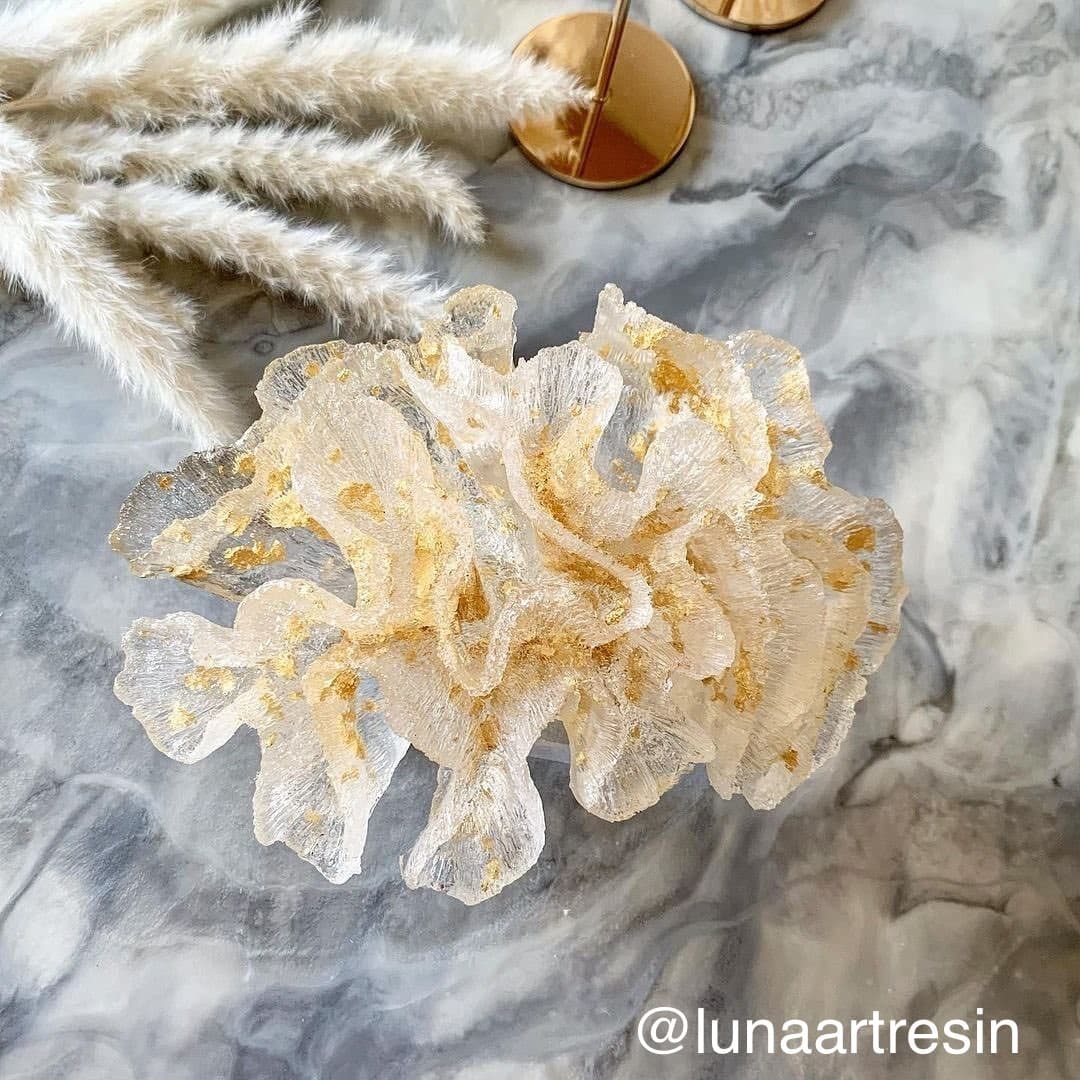
- "Liquidissima" – Epoxy Resin For Creations & JewelleryPrice range: £12.85 through £31.85Liquidissima epoxy resin offers high transparency and a self-levelling finish, suitable for intricate moulds in jewellery making.
- "Evershine Collection" – Artisan Jewellery Epoxy Resin Kit with 100+ Accessories£21.95All-in-one kit with 500g clear epoxy resin and 100+ accessories designed for making jewellery using detailed artisan techniques.
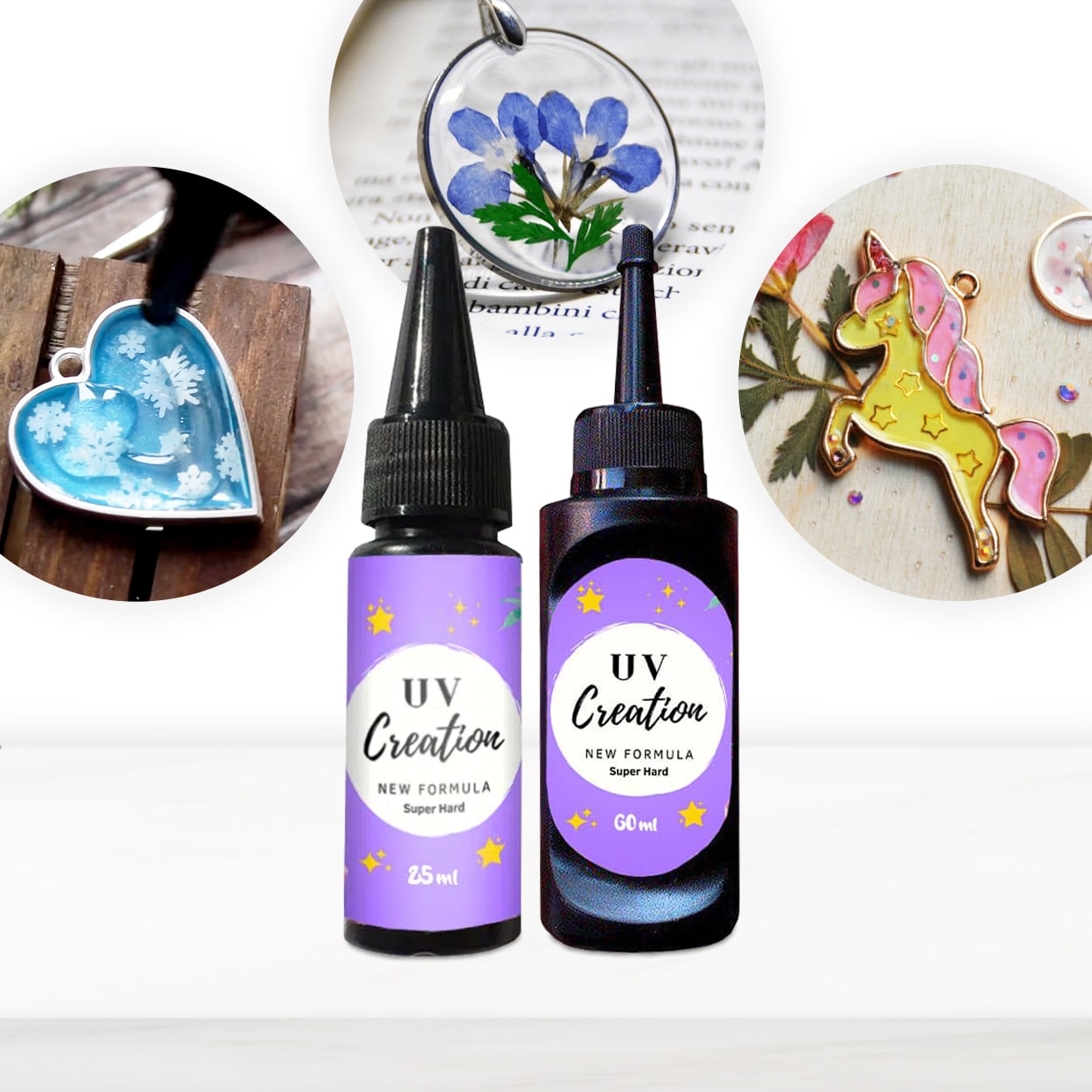 "UV–Creation" – Fast Acrylic Resin, 3 Minute UV CurePrice range: £8.45 through £62.95UV–Creation is a fast-curing acrylic resin suitable for jewellery crafters, providing a clear, glossy, and non-yellowing finish.
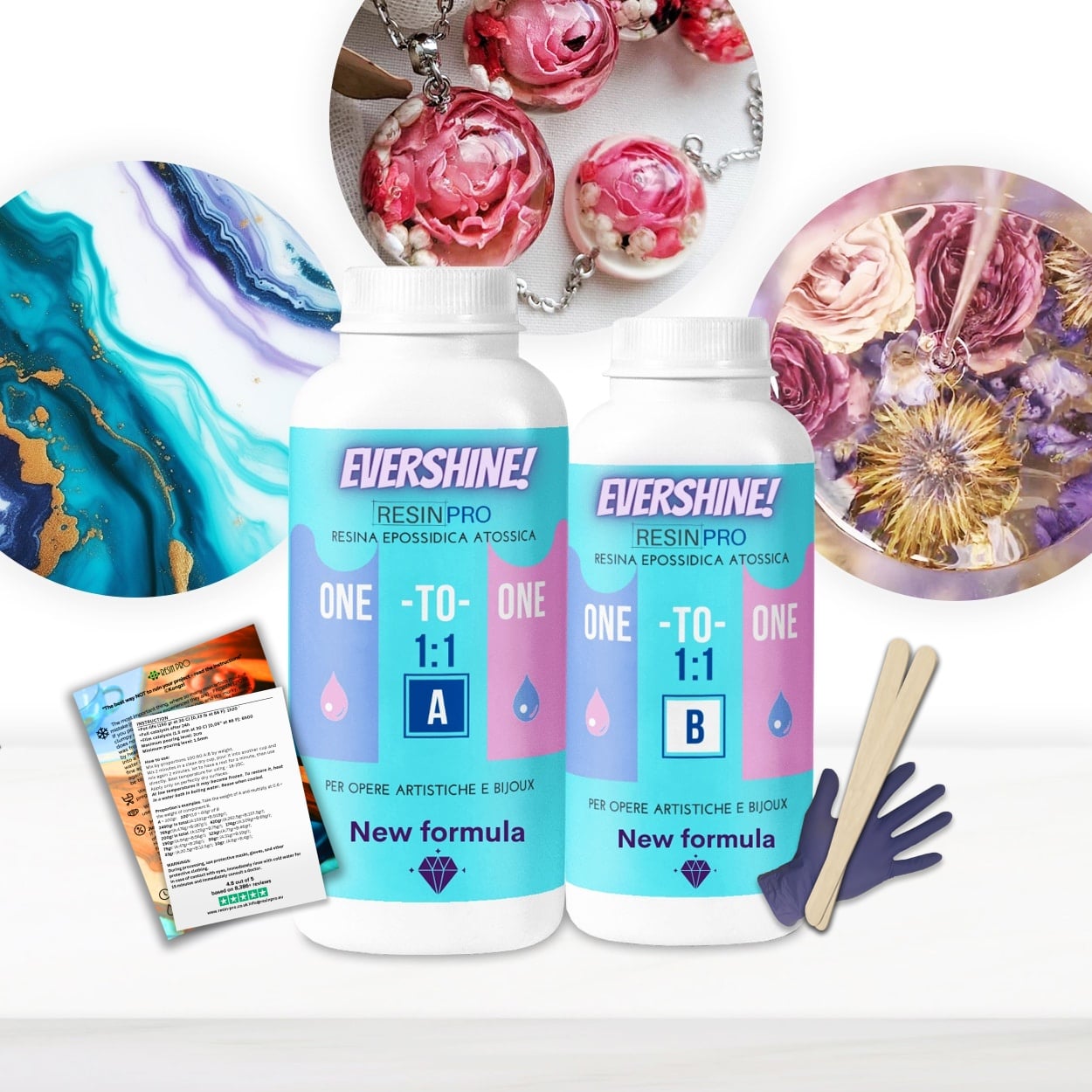 "One-2-One" – Epoxy Resin for Handcraft, 1:1 Mixing RatioPrice range: £15.95 through £59.95"One-2-One" epoxy resin is a medium viscosity product suitable for beginners and experienced crafters working on jewellery and decorative projects.
Frequently Asked Questions
Can you embed flowers in resin jewellery?
Yes, dried flowers can be embedded in resin jewellery for lasting preservation and natural beauty.
Why is my resin jewellery cloudy or sticky?
Cloudiness or stickiness often results from incorrect mixing ratios, incomplete curing, or working in humid conditions.
How do you get rid of air bubbles in resin?
Mix resin slowly, gently tap the mould, or use a small torch to release trapped air bubbles for clearer results.
Which type of resin should I use for jewellery?
Choose high-clarity epoxy for intricate designs or UV resin for fast projects. Selection depends on your project’s requirements.
Can you colour resin for jewellery making?
Yes, resin pigments can be added in small amounts to tint your jewellery to any shade you desire.
How long does resin jewellery take to cure?
Epoxy resin usually cures in 12–48 hours; UV resin cures in just a few minutes under the right lamp.
Can I use household items instead of moulds?
You can experiment with small containers, but silicone jewellery moulds give the best and safest results.