 Free shipping on orders over £29,85
  Shipping Tracking!


 Google
 Facebook
How do you make wood and resin tables?
Step-by-step process to create beautiful river tables at home
Wood and resin tables bring together the natural beauty of timber with contemporary, crystal-clear resin art. This guide explains the essential steps to create your own river table at home, including preparation, mixing, casting, and finishing. Whether you are an avid DIYer or a newcomer to epoxy projects, you’ll discover the keys to achieving a professional result.
What You’ll Need
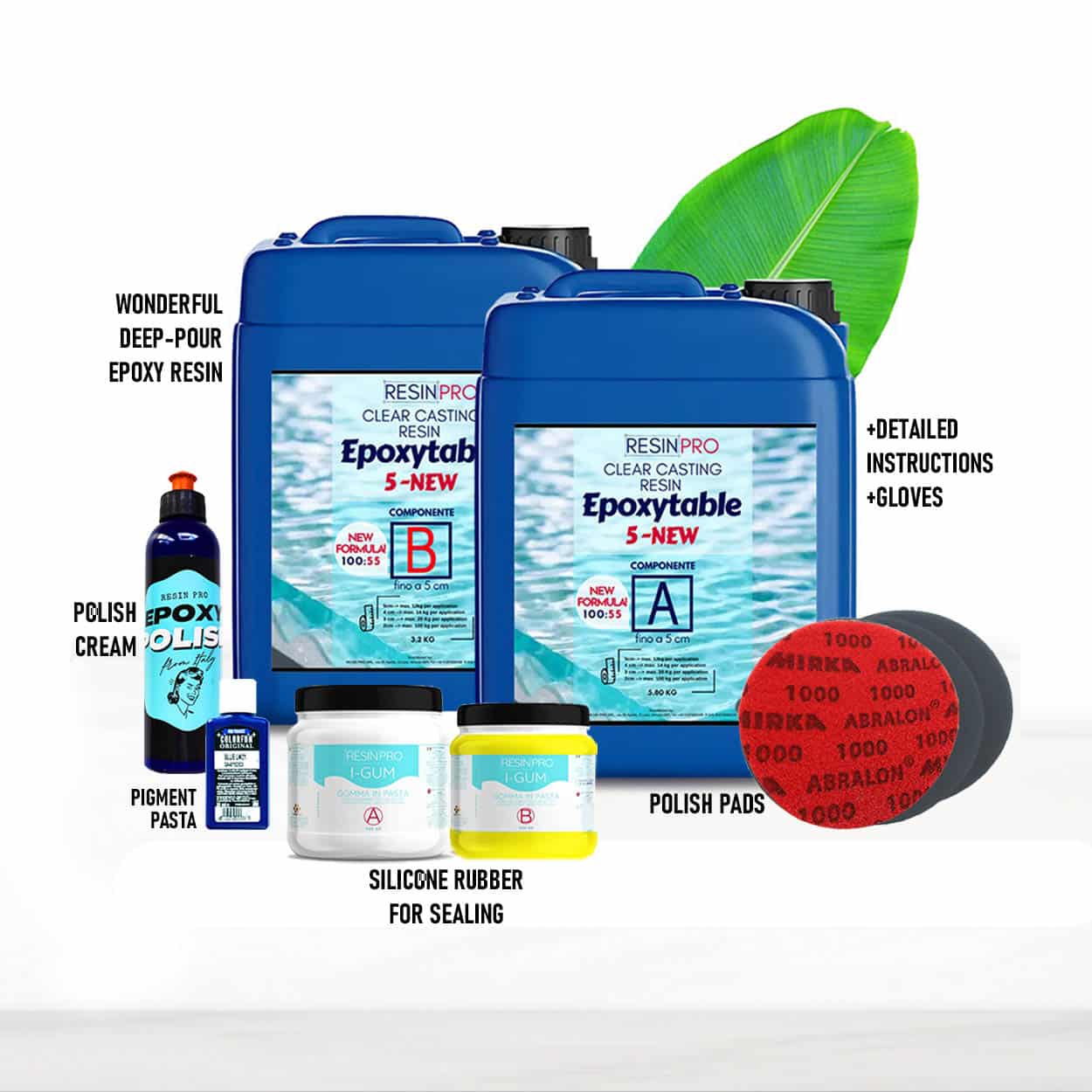
- “River-Table” – Complete Kit for Creating Your First Epoxy Resin Table: A convenient solution containing materials and instructions, ideal for beginners.
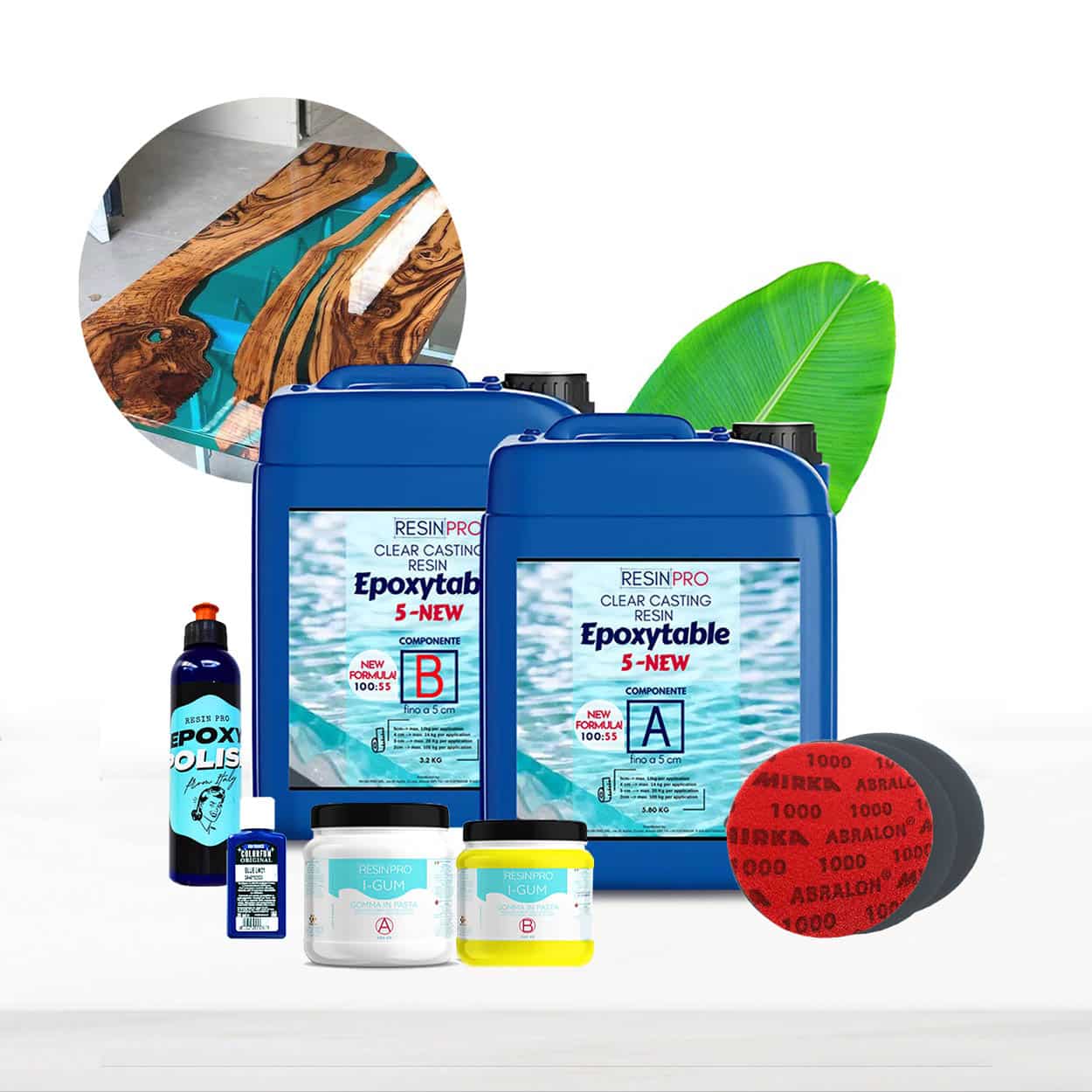
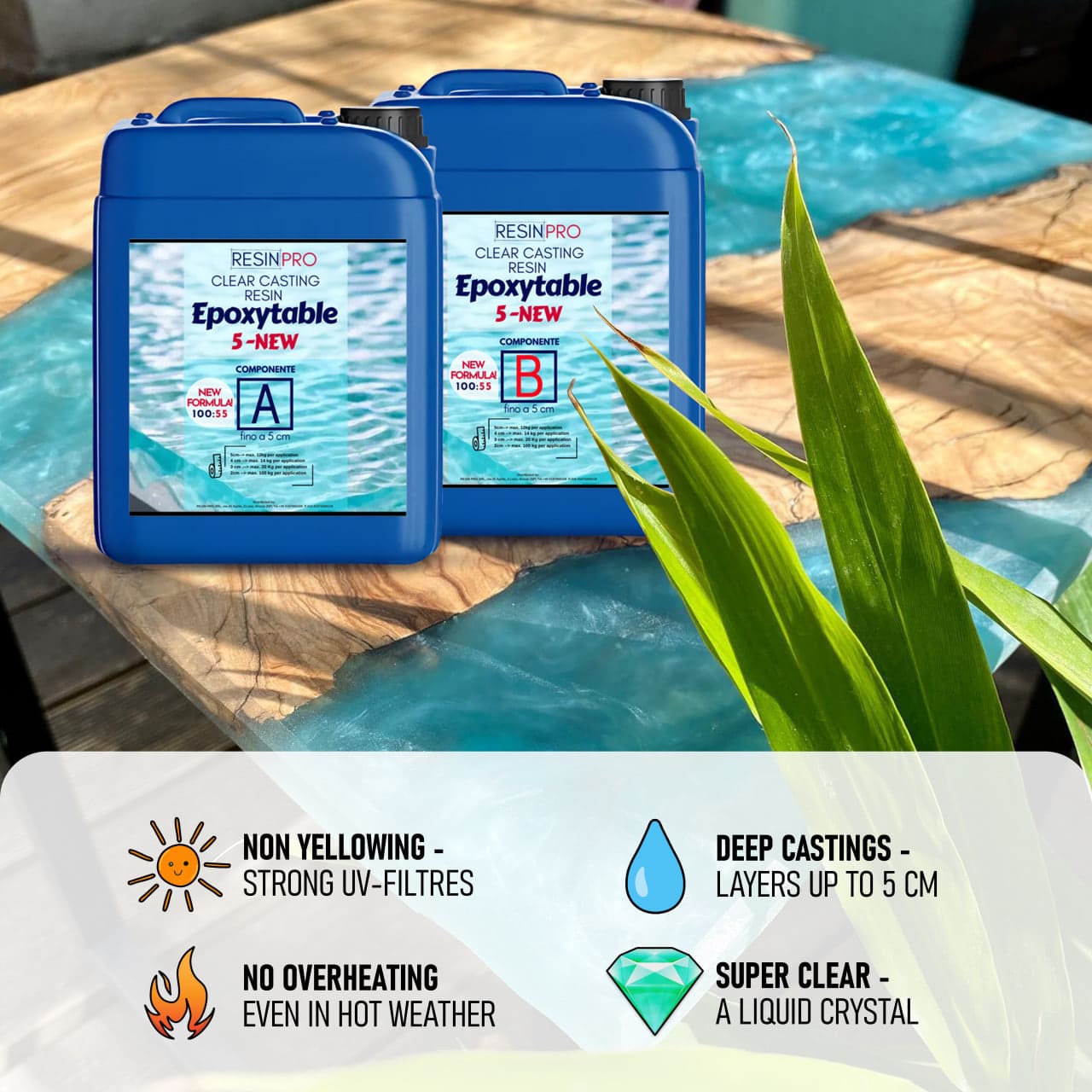
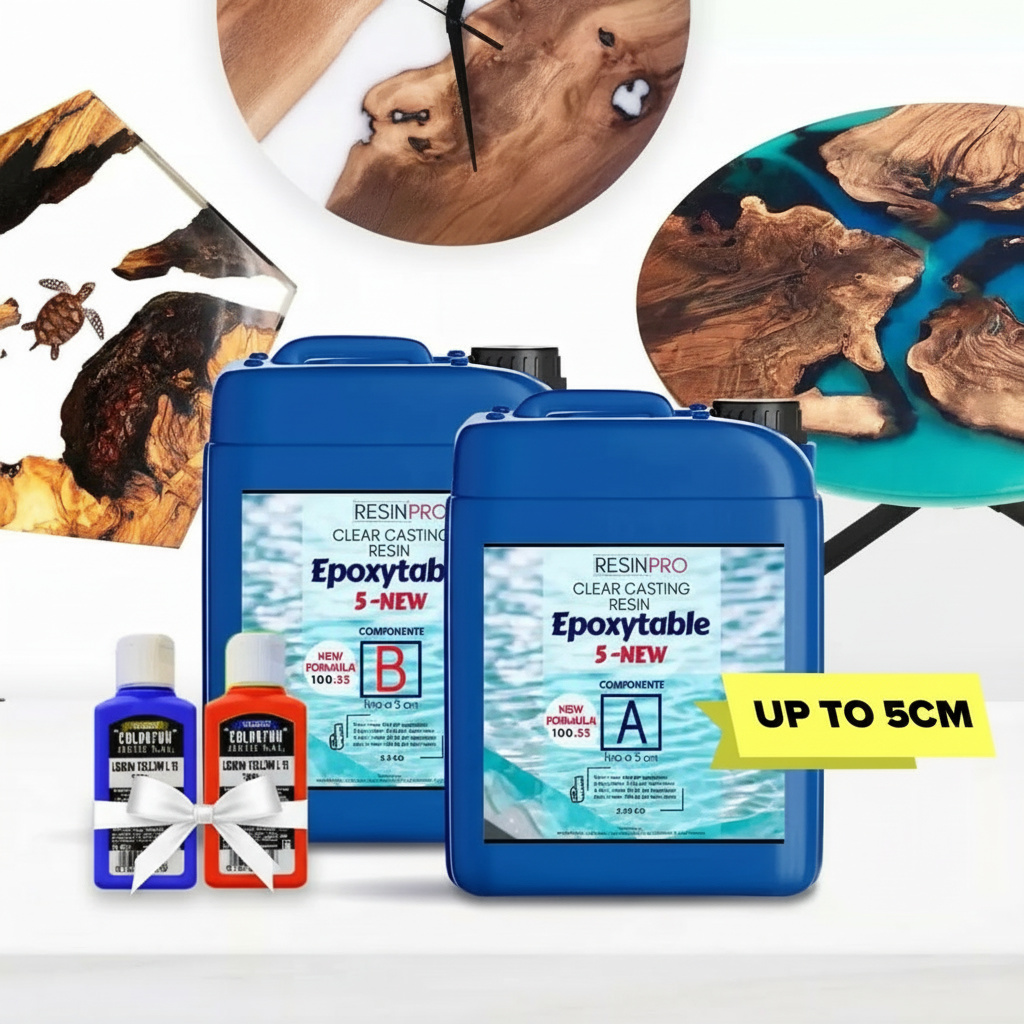
- “EpoxyTable 5-Five” – Deep Pour Epoxy Resin for Tables and Large Projects – Up to 5cm: Perfect for single-pour river table sections up to 5cm thick.
- “Epoxytable 10-Ten” – Deep Pour Epoxy Resin for Tables, Up to 10cm Casting: Use for extra-deep pours and larger tabletops (up to 10cm depth per pour).
- “Geode O” – Large Wooden Board Table Base for Epoxy Resin Projects – 90x60cm or 120x80cm: Ready-made sturdy bases for table creation.
- Personal protective equipment (gloves, goggles, mask)
- Mixing buckets, graduated scales, mixing sticks
- Clamps, silicone sealing tape, release agent
- Finishing tools (sanding papers, polishing pads, resin polish cream)

Visual Guide to Table Preparation
See the essential steps in action: Preparing wood surfaces and setting up the formwork create the foundation for any wood and resin table. Notice how even, flat surfaces and careful sealing ensure minimal resin waste and a clean result. Proper alignment of the base and timber is vital for the final shape.
Step 1: Prepare and Seal the Wood
Start by selecting seasoned, dry wood—preferably hardwood—for your project. Cut and plane the timber to your desired dimensions and sand the surfaces to remove any roughness. Ensure all debris, oils, and moisture are eliminated, as these can cause clouding or bubbles in the resin later.
To prevent resin leaks, seal the wood edges and the base of your formwork thoroughly using silicone tape or a quality silicone sealant. For beginners, the “River-Table” – Complete Kit for Creating Your First Epoxy Resin Table includes the necessary silicone sealant and guidance for foolproof setup. Double-check all joints—any gaps or cracks could result in resin loss during pouring.
Step 2: Build the Formwork and Position the Wood
Formwork is essential to shape your table and keep the mixed resin in place. Use melamine-coated board or a wooden frame lined with a release agent or shiny film. Clamp the formwork securely to keep the sides straight. Arrange your wooden planks or slabs within the form, ensuring the layout leaves space for the resin river.
Consider using a ready-made base such as the “Geode O” – Large Wooden Board Table Base for Epoxy Resin Projects for added stability and a smooth start to your project.
Step 3: Measure, Mix, and Pour the Resin
Select the correct resin for your project depth. For pours up to 5cm, opt for “EpoxyTable 5-Five” – Deep Pour Epoxy Resin for Tables and Large Projects – Up to 5cm. For larger or thicker tables, “Epoxytable 10-Ten” – Deep Pour Epoxy Resin for Tables, Up to 10cm Casting is the recommended choice. Read the manufacturer’s instructions to confirm the maximum pour depth per layer.
Weigh the resin and hardener using digital scales, then mix thoroughly according to the specified ratio—usually by weight. Stir gently but for several minutes, scraping the sides and bottom to ensure complete blending. Pour the mixture slowly into the mould, ideally against a stir stick to reduce bubbles. If your table requires a depth greater than recommended for one pour, cast multiple thin layers, allowing each to cure as directed before pouring the next.

Step 4: Cure, Release, and Finish Your Table
Let the resin cure undisturbed, following the product’s guidance for temperature and timing—this is crucial for clarity and strength. Once cured, release the table from the formwork by gently loosening the sides. The resin surface may require further work: sand down any sharp edges or unevenness using progressively finer grits.
For a high-gloss, scratch-resistant result, use polishing creams and pads. If you select the “River-Table” – Complete Kit for Creating Your First Epoxy Resin Table, you’ll find a professional polishing bundle included.
Tips, Common Mistakes, and Troubleshooting
Cleanliness and dust control are critical for a flawless finish. Always work in a dust-free, ventilated area and cover your project during curing. Never exceed the recommended casting thickness of your chosen resin, as excess heat may cause warping or yellowing.
Always measure and mix resin precisely to avoid tacky or weak results. When planning, choose a table base that suits your style and project scale—the right foundation supports lasting results. If bubbles occur, use a heat gun in sweeping passes shortly after pouring to help them rise and burst.
Troubleshooting and Creative Inspiration
Common issues and creative finishes: Explore how experienced makers address bubbles, surface imperfections, and colour customisation. Applying extra care during sanding and polishing delivers professional-quality shine. Unique tinting techniques and decorative inclusions can transform your table into a centrepiece.

- "River-Table" – Complete Kit for Creating Your First Epoxy Resin TablePrice range: £188.85 through £444.85"River-Table" kit includes essential materials and instructions for making a modern wood and resin table.
- "EpoxyTable 5-Five" – Deep Pour Epoxy Resin for Tables and Large Projects – Up to 5cmPrice range: £16.85 through £1,099.85"EpoxyTable 5-Five" is designed for deep pour projects like tables, offering a clear and scratch-resistant surface suited to this theme.
 “Epoxytable 10-Ten” – Deep Pour Epoxy Resin for Tables, Up to 10cm CastingPrice range: £33.85 through £334.85“Epoxytable 10-Ten” is designed for deep pours up to 10cm, suitable for creating tables and large artistic projects.
 "Geode O" – Large Wooden Board Table Base for Epoxy Resin Projects – 90x60cm or 120x80cmA robust wooden table base designed for epoxy resin projects, supporting creative applications in line with the theme of making wood and resin tables.
Frequently Asked Questions
Do I need special resin for making tables?
Yes, use a deep-pour resin specifically designed for thick casting. Standard resins may not cure properly at the depths needed for table projects.
How can I avoid bubbles in resin table casting?
Stir slowly, pour gently, and use a heat gun on freshly poured resin to minimise bubbles. Preparation and mixing technique are key factors.
How long does resin need to cure for tables?
Cure times vary by product but are often 24–72 hours for initial handling, with full strength reached in 7 days. Always follow the manufacturer’s instructions.
What type of wood should I use for river tables?
Seasoned hardwoods like oak, walnut, or maple are preferred for stability and appearance. Ensure the wood is completely dry to prevent resin issues.
Can I add pigments or inclusions?
Yes, compatible pigments or decorative items can be added for unique effects. Only use additives designed for epoxy resins to ensure proper curing.
Do I need to polish resin tabletops?
Polishing is recommended for a glossy, scratch-resistant finish. Start with fine sanding and finish with resin-specific polish for best results.