 Free shipping on orders over £29,85
  Shipping Tracking!


 Google
 Facebook
How do you put things under resin?
Step-by-step guide to embedding objects in epoxy resin layers
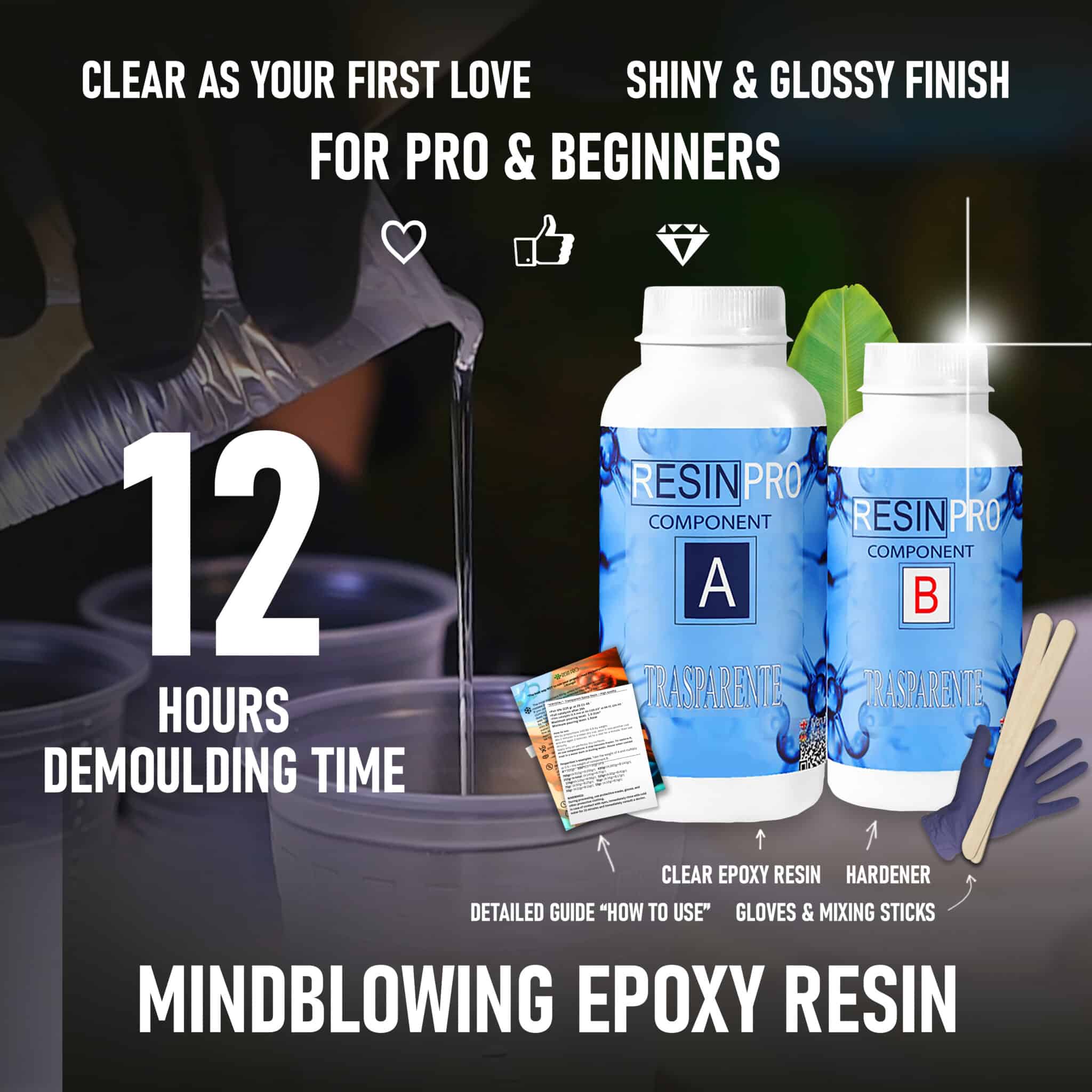
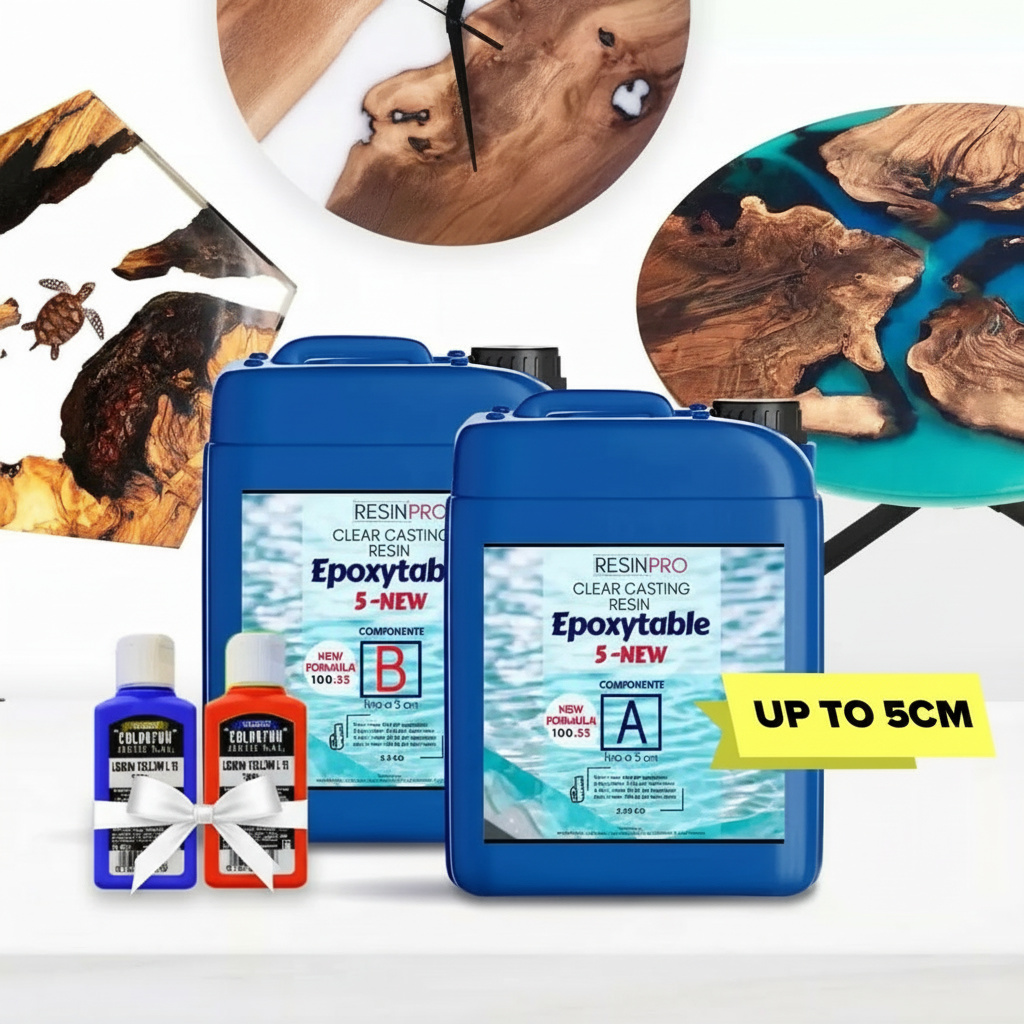
Embedding items under resin opens up endless creative possibilities in jewellery, art, functional tabletops, and keepsake projects. This guide takes you through each step, ensuring your objects remain crystal-clear and preserved for years to come—whether you’re a beginner or looking to enhance your resin craft techniques.
What You’ll Need
- “Trasparente” – Multipurpose Clear Epoxy Resin for Casting – Up to 2cm – best for small to medium projects needing clarity
- “EpoxyTable 5-Five” – Deep Pour Epoxy Resin for Tables and Large Projects – Up to 5cm – for tabletops or thicker casts
- “Epoxytable 10-Ten” – Deep Pour Epoxy Resin for Tables, Up to 10cm Casting – for extra-deep projects
- “River-Table” – Complete Kit for Creating Your First Epoxy Resin Table – starter kit with materials and instructions for wood-resin tables
- Mixing containers, stir sticks, gloves, dust mask
- Level, heat gun or torch (for bubbles), mould or formwork
- Sealing medium (if embedding flowers, paper, fabric, or wood)
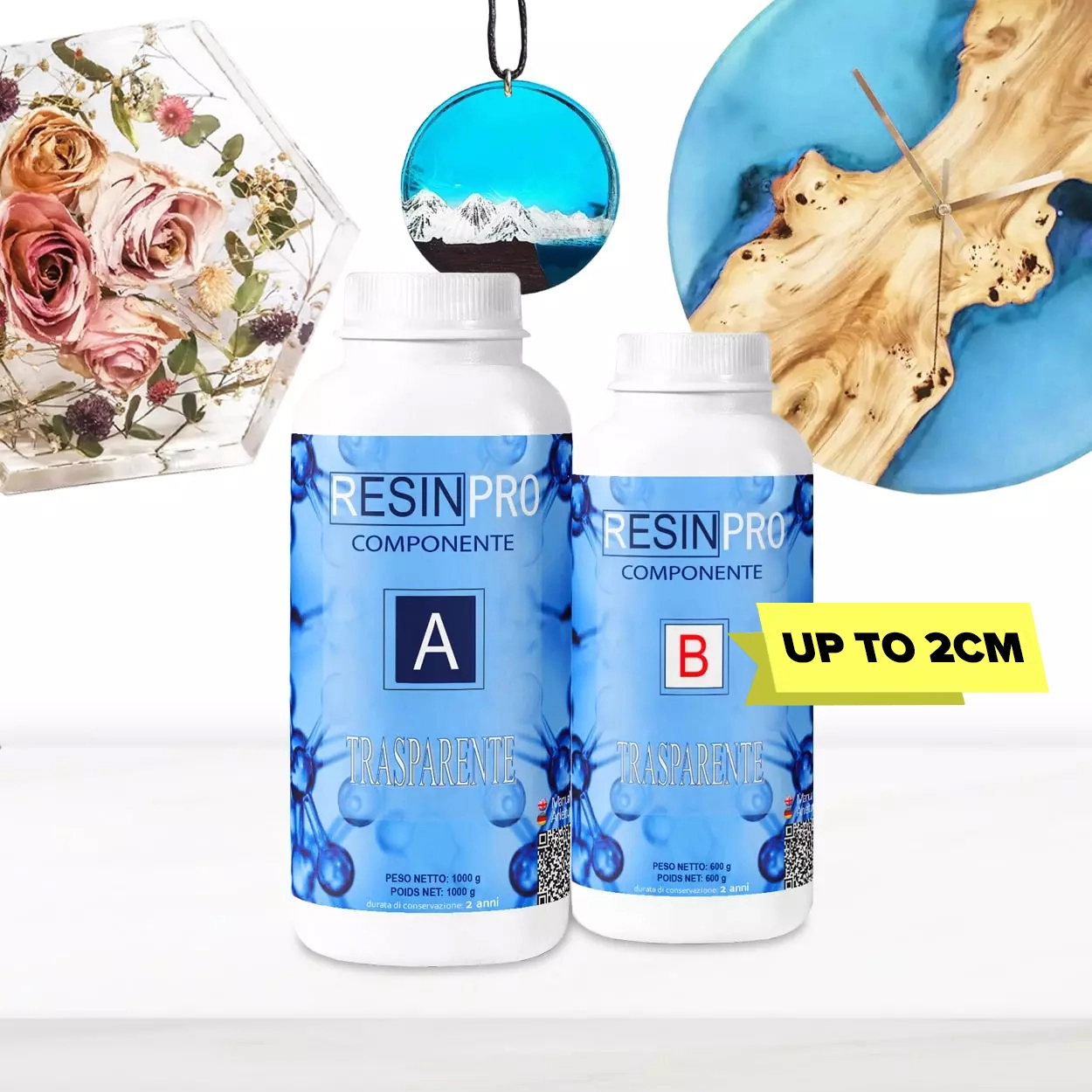
See Inspiring Examples of Embedded Resin Art
Explore a gallery of creative projects, from nature-inspired jewellery to bespoke tabletops, all achieved by embedding items under resin. Notice the clarity and depth possible with proper preparation and quality resin.
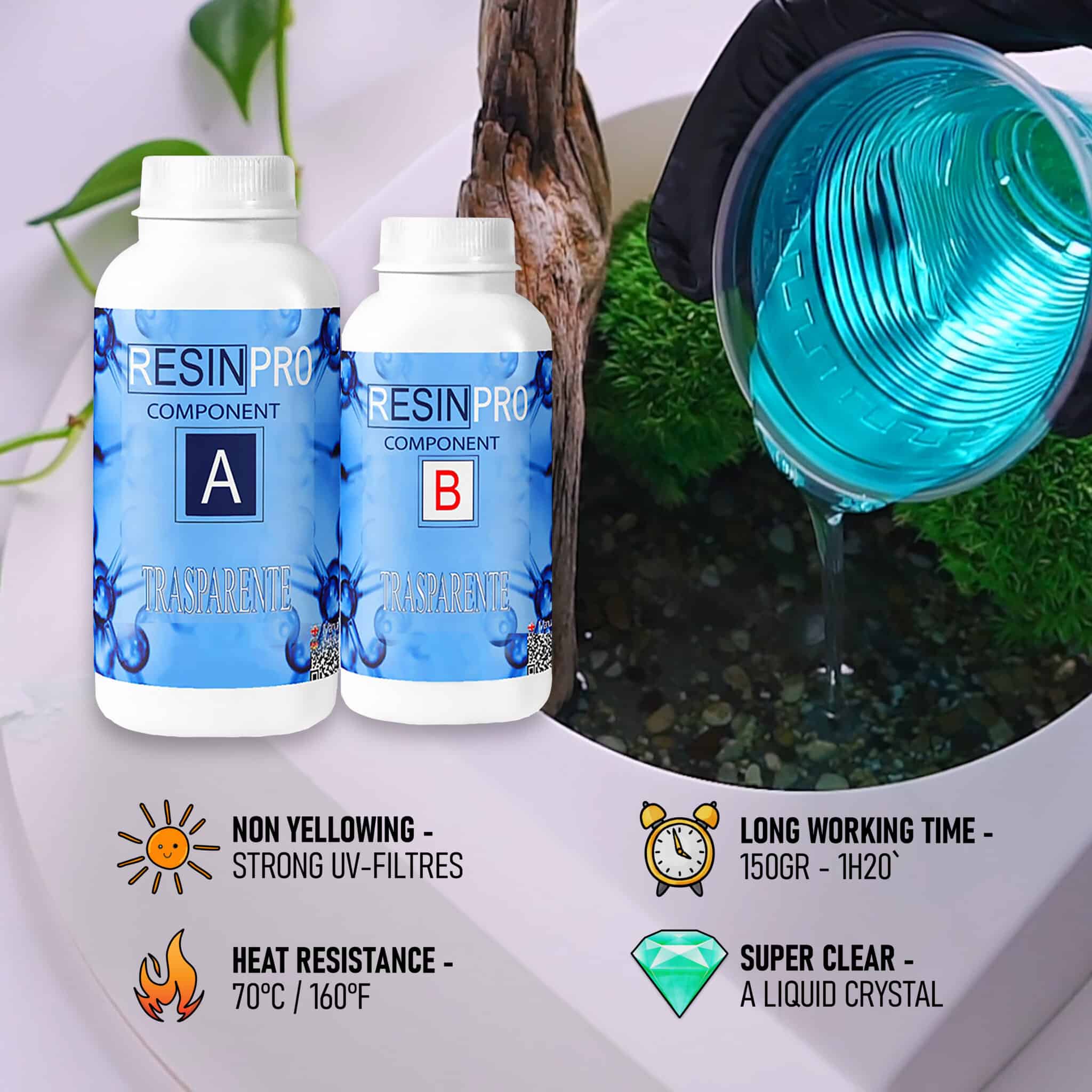
Step 1: Prepare and Seal Your Objects
Before embedding any object under resin, preparation is essential. Ensure your items—whether flowers, charms, shells, fabric, or photographs—are completely dry. Any trapped moisture can cause cloudiness or bubbles in your finished piece. Completely dry your objects before embedding to avoid these common issues.
If your objects are porous or natural, such as dried flowers or wood, apply a thin layer of clear-drying sealant or appropriate resin sealer. This step prevents air from being released when the resin is poured, and protects colour and structural integrity. Allow the sealant to dry fully before moving forward. Seal porous or natural items with a suitable medium for best results.
Step 2: Mix and Pour the First Resin Layer
Choose your resin type and thickness according to your project’s requirements. For castings or art pieces up to 2cm, use something like “Trasparente” – Multipurpose Clear Epoxy Resin for Casting – Up to 2cm. For thicker pours, opt for a deep-pour epoxy with a low exothermic reaction to protect your embedded objects.
Mix the resin and hardener according to the product instructions, stirring gently to minimise air bubbles. Pour a thin base layer into the mould and allow it to partially cure until just tacky—this anchors your items and minimises the risk of them floating or shifting.
Step 3: Position and Embed Your Objects
Carefully place your dried and sealed objects onto the tacky resin base using tweezers or gloved fingers. Gently press each item so it embeds into the surface but does not pierce the layer beneath. Arrange them as desired, spacing them to suit your design.
If any items are highly buoyant, you may wish to secure them temporarily with a small spot of clear glue or weigh them lightly until the next resin layer is poured.

Step 4: Pour Successive Resin Layers Over the Objects
Mix a new batch of resin for your next layer. Slowly pour over the objects to encase them fully, paying close attention to avoid trapping air around intricate shapes. The depth of this pour should be appropriate for your materials; use “EpoxyTable 5-Five” – Deep Pour Epoxy Resin for Tables and Large Projects – Up to 5cm or “Epoxytable 10-Ten” – Deep Pour Epoxy Resin for Tables, Up to 10cm Casting if working with large or deep projects.
Pour resin in thin layers for best depth control
Use a heat gun or torch to remove bubbles as soon as they appear. This helps achieve the crystal-clear, glass-like finish resin is known for. Repeat layers as required to reach your final project depth.

Step 5: Cure, Unmould, and Finish
Allow the fully poured resin to cure according to product guidelines—usually 24–72 hours, depending on temperature and thickness. Allow full curing before demoulding or sanding to prevent surface marks and dents. Once cured, carefully unmould your piece.
If needed, sand rough edges or polish the surface for extra shine. Special polishing kits are particularly helpful for large tabletops or display pieces, and many starter kits provide all-in-one finishing solutions.
Tips and Common Mistakes When Embedding Under Resin
- Always test-seal objects, especially natural items, to prevent discolouration and air release.
- Keep your workspace dust-free to maintain clarity in the cured resin surface.
- Avoid overfilling your mould; resin can overflow or cause warping as it cures.
- Monitor temperature—warm environments shorten working time but may risk overheating.
- Never try to rush curing with extra heat; resin may crack or yellow.
Expert Techniques for Flawless Resin Embeds
Pacing your pour and removing bubbles are essential for professional results. Seek out kits with detailed guides for first-time success or opt for resins with long working times to perfect your technique.

- "Trasparente" – Multipurpose Clear Epoxy Resin for Casting – Up to 2cmPrice range: £8.45 through £948.85The "Trasparente" clear epoxy resin offers a self-levelling, scratch-resistant finish, suitable for use up to 2cm thickness in various creative…
- "EpoxyTable 5-Five" – Deep Pour Epoxy Resin for Tables and Large Projects – Up to 5cmPrice range: £16.85 through £1,099.85"EpoxyTable 5-Five" is a deep pour epoxy resin suited for tables and large projects, designed for stability and clear, scratch-resistant finishes.
 “Epoxytable 10-Ten” – Deep Pour Epoxy Resin for Tables, Up to 10cm CastingPrice range: £33.85 through £334.85“Epoxytable 10-Ten” is an epoxy resin designed for deep pour applications of up to 10cm, suitable for tables and artistic projects.
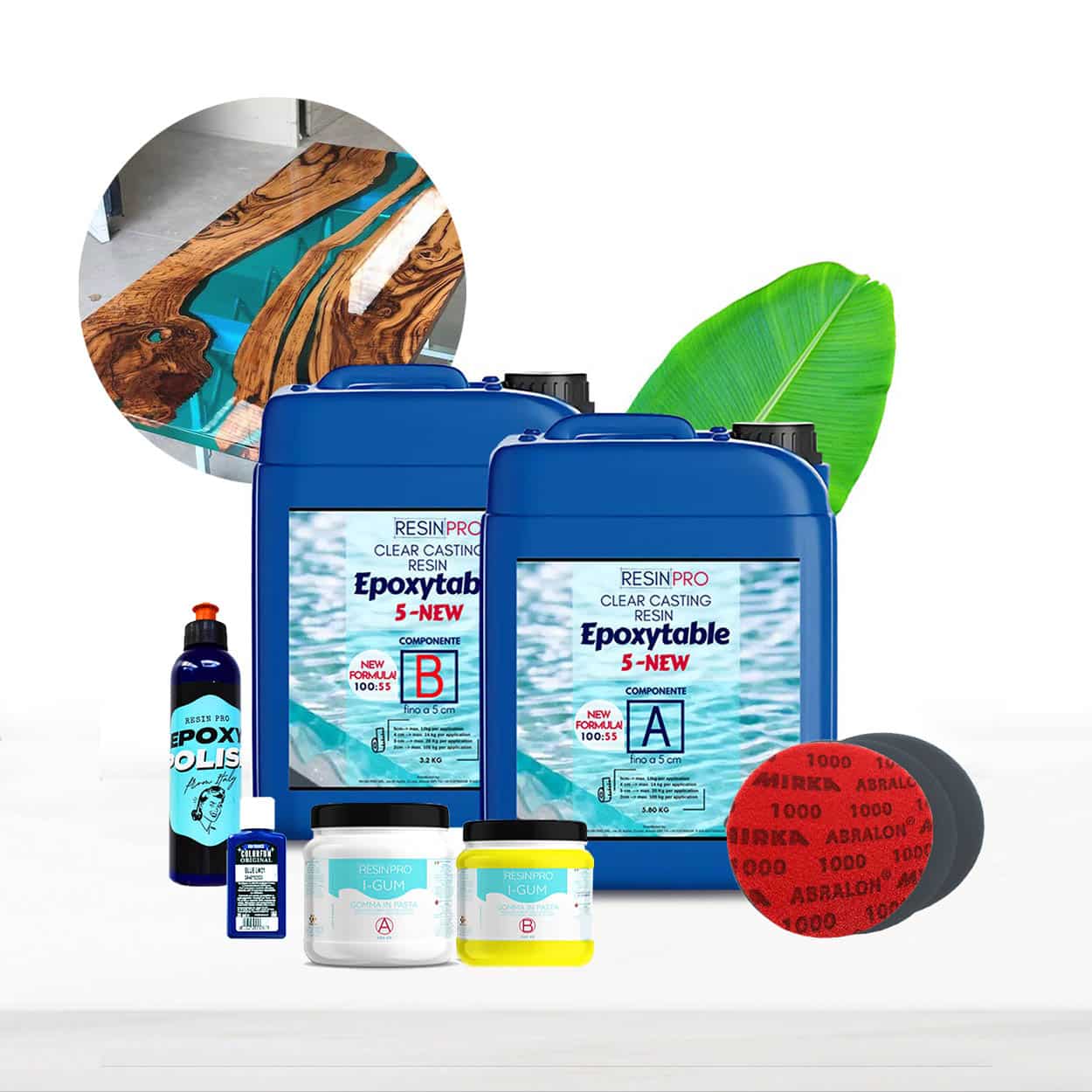 "River-Table" – Complete Kit for Creating Your First Epoxy Resin TablePrice range: £188.85 through £444.85"River-Table" kit provides materials and instructions for creating wood and resin tables, suitable for various skill levels.
Frequently Asked Questions
Which resin is best for embedding flowers or photos?
A clear casting epoxy resin with a slow cure, such as those made for pours up to 2cm, is best to protect delicate items and ensure transparency.
How do I prevent bubbles when embedding objects?
Seal porous items, mix resin slowly, and use a heat tool to remove surface bubbles after pouring.
Do you need to seal objects before resin?
Yes, sealing is essential for most materials to stop air or colour bleeding into the resin.
Can I embed metal or plastic in resin?
Yes, but ensure both are clean and dry. Some plastics may discolour or warp if not suitable for epoxy.
Can I add more objects in additional resin layers?
Yes, build up in layers, letting each cure partially before adding the next object and pour.
How long should resin cure before unmoulding or sanding?
Curing can take 24 to 72 hours; always check the manufacturer’s guide for your resin type.
Why does resin sometimes change colour around objects?
Moisture or unsealed items can react with resin, leading to cloudiness or yellowing – proper sealing and drying are key.
Can I use UV resin for embedding?
UV resin is suitable for small, shallow projects but not recommended for deep or thick embedding.