 Free shipping on orders over £29,85
  Shipping Tracking!


 Google
 Facebook
How do you use two-component epoxy resin?
Step-by-step instructions for mixing, applying, and finishing


Mastering two-component epoxy resin is vital for achieving seamless repairs, high-strength bonds, or stunning decorative creations. Whether you are tackling a professional bonding task or embarking on your next craft project, the correct technique ensures durable results and a flawless finish. This guide will walk you through each essential step, with practical tips for both beginners and experienced DIYers.

What You’ll Need
- “Klebfix” – Two-Component Fast Epoxy Glue 2K, 25g Syringe – Fast curing for small, demanding repairs on various materials
- “FixExpress” – Two-Component Epoxy Glue 500g – Suited for quick, robust adhesion across diverse surfaces
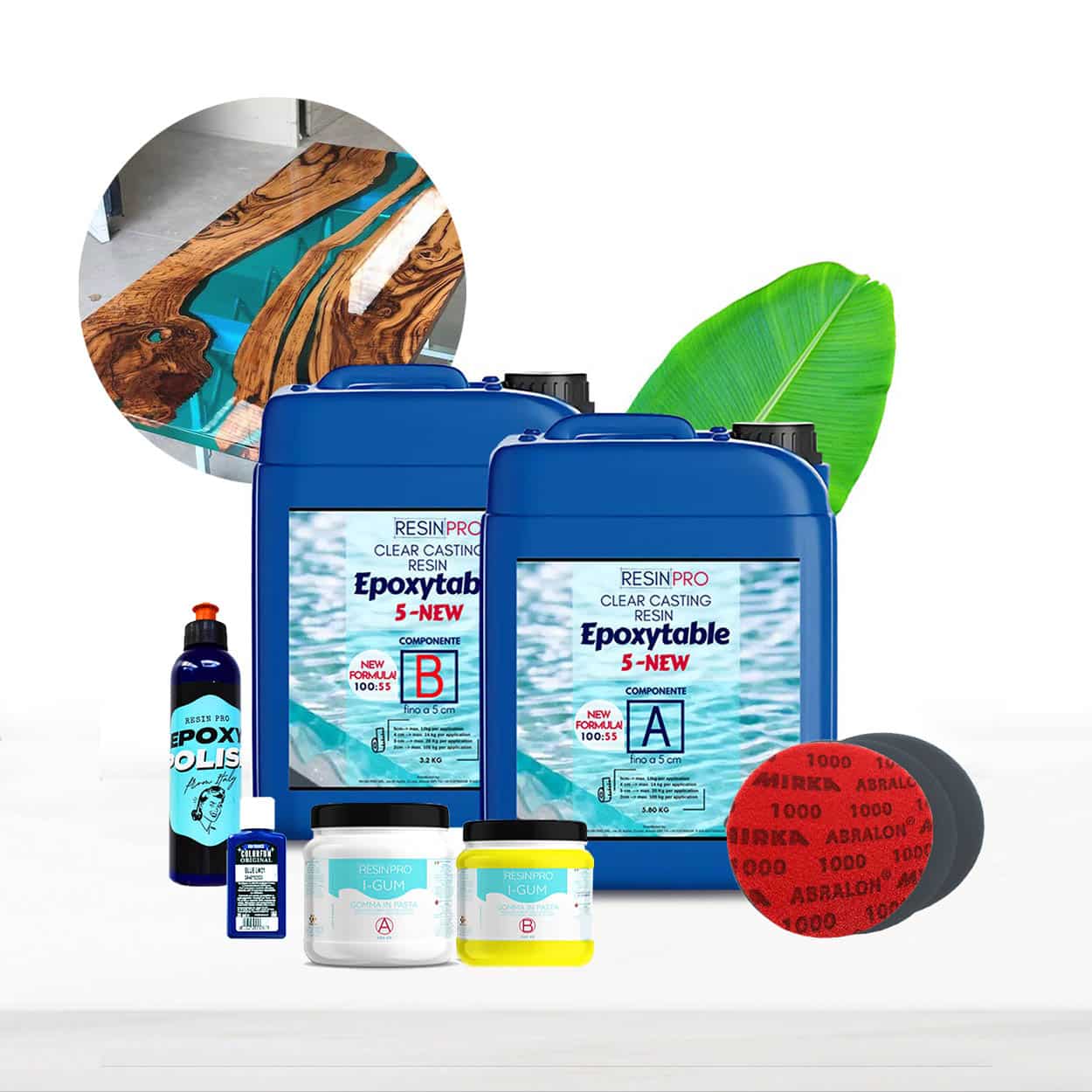
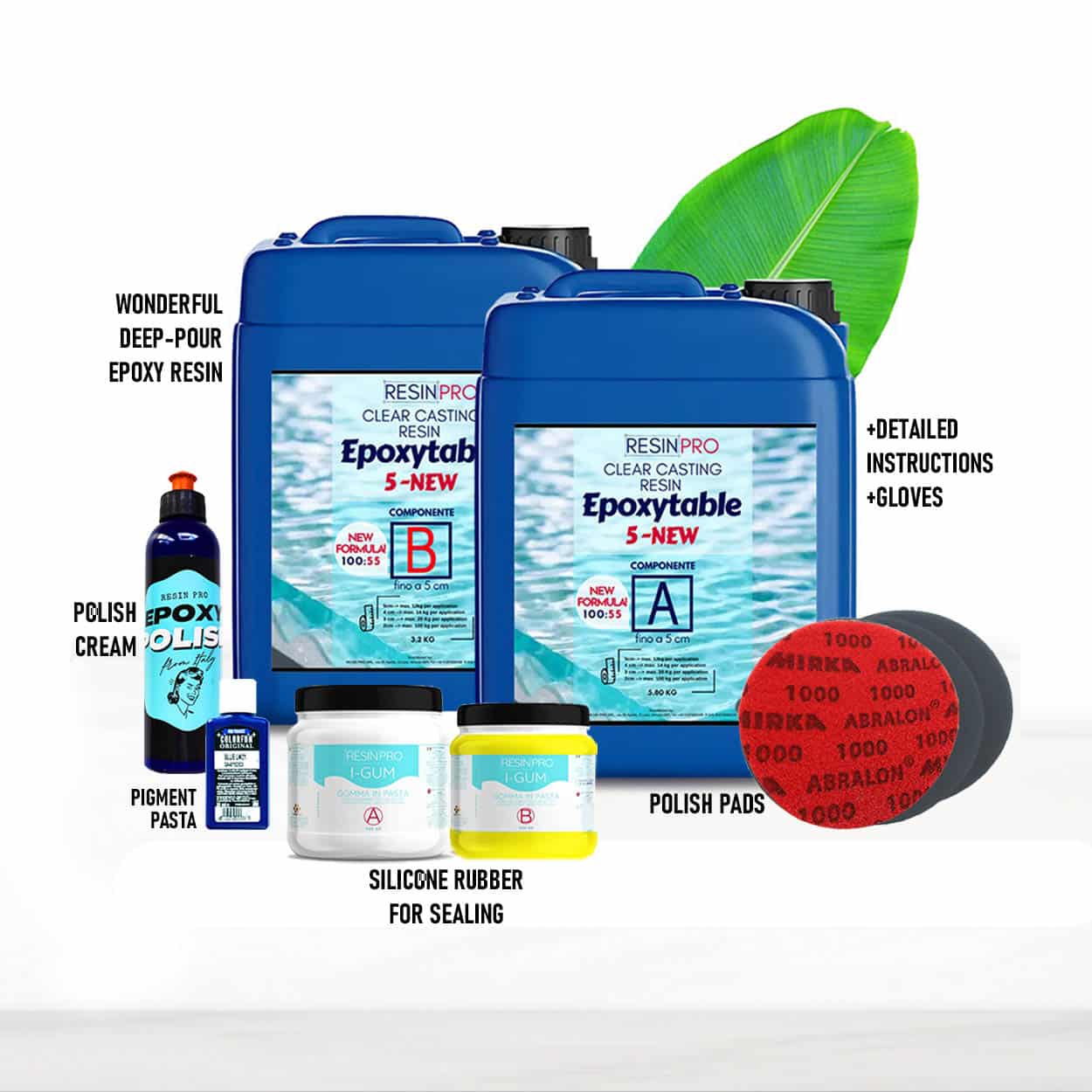
- “River-Table” – Complete Kit for Creating Your First Epoxy Resin Table – Comprehensive kit ideal for resin table projects
- “One-2-One” – Epoxy Resin for Handcraft, 1:1 Mixing Ratio – Perfect for jewellery, decoration and detailed casting with an easy mixing ratio
- Mixing containers and stirring sticks
- Protective gloves and eye protection
- Clean cloths and isopropyl alcohol (for cleaning surfaces)
- Masking tape (for shaping or protecting surfaces where needed)

Essential Tools for Epoxy Resin Work
Set yourself up for success by assembling protective gloves, precise measuring tools, and a variety of mixing containers. Measure accurately and have all necessary items within reach before starting your epoxy resin project for a smooth, efficient workflow.
Step 1: Prepare the Work Area and Surfaces
Begin by selecting a clean, well-ventilated workspace. Lay down protective coverings to prevent spills or drips from damaging surfaces. Always wear gloves and eye protection when handling resins and hardeners, as these components can irritate the skin and eyes.
Thoroughly clean the surfaces you intend to join or coat, removing dust, oil, or moisture. For best results, gently abrade smooth surfaces with sandpaper then wipe with isopropyl alcohol. Ensure surfaces are clean and dry before moving on.
Step 2: Measure and Mix the Components
Most two-component epoxy resins require the resin (Part A) and hardener (Part B) to be mixed in a specific ratio, often 1:1 by volume or weight. Check the product package for precise measurements. Measure accurately by using marked containers or a digital scale—incorrect ratio can result in soft curing or tacky finishes.
Pour both components into a clean mixing cup. Stir deliberately with a flat stick, scraping the sides and bottom. Mix thoroughly for even curing—at least two to five minutes is recommended for most formats. If you are using a kit such as the “One-2-One” – Epoxy Resin for Handcraft, 1:1 Mixing Ratio, equal volume mixing simplifies this step.
Step 3: Apply the Epoxy Resin
Once your mixture is uniform, apply the epoxy promptly. Most two-component formulas—such as “FixExpress” – Two-Component Epoxy Glue 500g—offer a working window of only a few minutes before the reaction accelerates and it sets. Use an applicator, brush, or directly pour as required by your project.
Press bonded components together firmly or, for casting tasks, ensure your mould or formwork is leak proof. Remove any excess with a clean cloth dampened with alcohol before the epoxy cures.
For intricate decorative work, kits like “River-Table” – Complete Kit for Creating Your First Epoxy Resin Table provide all essentials, including sealing and polishing accessories.


Step 4: Allow to Cure and Finish
Leave the applied epoxy undisturbed for the recommended cure time—typically five minutes for initial set and up to 24 hours for full strength. Ambient temperature, humidity, and the specific product formulation can influence curing speed and final results.
Once cured, proceed to finishing: sand away sharp edges or polish the surface if a glossy appearance is needed. Creative projects benefit from further finishing steps with polishing kits or resin sandpapers, often included with comprehensive sets.
Tips and Common Mistakes to Avoid
Read the instructions carefully on the specific epoxy product you are using, as mixing ratios and cure times can vary greatly. Work efficiently but safely: rapid-setting glues require prompt application. Avoid rushing the mixing stage or using contaminated tools, as this leads to incomplete cures or cloudy finishes. Avoid excess moisture and contamination—these are leading causes of weak bonds or surface blemishes.
Best Practice Visuals for Mixing and Application
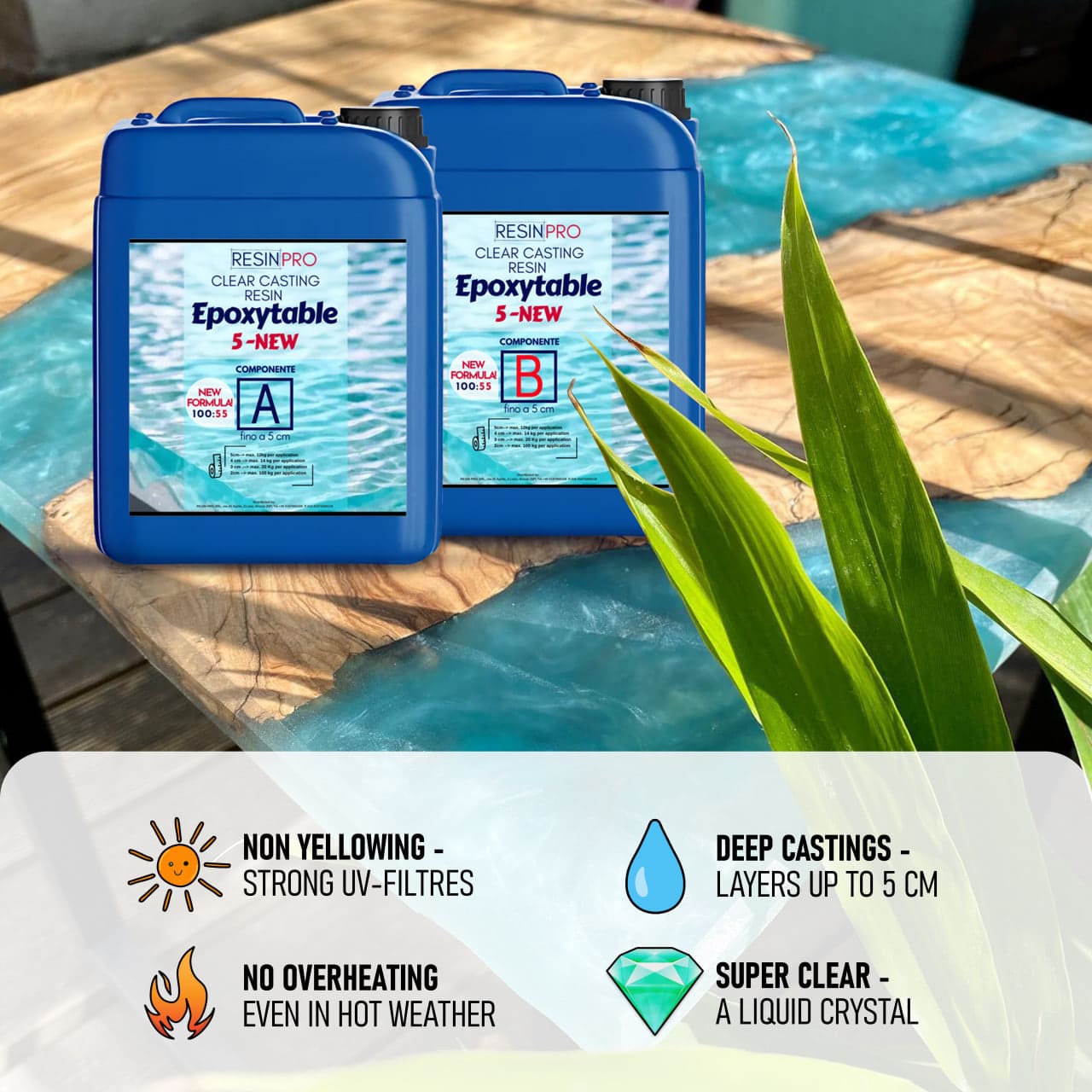
Visualise each step before you begin. Mix in a clear container to inspect the blend, and apply epoxy in thin layers for optimal control. Taking your time with preparation leads to a flawless finish.

- "Klebfix" – Two-Component Fast Epoxy Glue 2K, 25g Syringe£24.00This fast-setting two-component epoxy glue is suitable for demanding bonding tasks including plastics, metal, wood and glass.
- "FixExpress" – Two-Component Epoxy Glue 500g£26.95"FixExpress" two-component epoxy glue is designed for quick repairs and strong adhesion on various materials.
- "River-Table" – Complete Kit for Creating Your First Epoxy Resin TablePrice range: £198.45 through £467.45"River-Table" kit includes resin, silicone sealant, pigments and polishing kit with instructions for creating epoxy resin tables and crafts.
 "One-2-One" – Epoxy Resin for Handcraft, 1:1 Mixing RatioPrice range: £15.95 through £59.95Suitable for beginners and experienced crafters, this resin features a 1:1 mixing ratio and is designed for jewellery and decorative projects.
Frequently Asked Questions
How do I measure and mix two-component epoxy resin?
Measure both parts according to the recommended ratio and mix thoroughly to ensure even curing and reliable results.
Is it safe to use two-component epoxy resin indoors?
Yes, but always work in a ventilated area, use protective gloves, and avoid skin and eye contact.
What can I use two-component epoxy resin for?
It is suitable for bonding, repairs, casting, and decorative projects such as tables, jewellery, and crafts.
What is the usual mixing ratio for epoxy glue?
Most two-component epoxies are mixed at a 1:1 ratio by weight or volume, but check the specific product label first.
How long does two-component epoxy resin take to cure?
Initial set is usually within 5 minutes, but full strength may require 24 hours depending on product and conditions.
What are the most common mistakes when using two-component epoxy?
Incorrect mixing ratios, poor surface preparation, and working too slowly are frequent issues leading to weak bonds.
Can I colour or tint my epoxy resin?
Yes, many formulas can be tinted with compatible dyes. Always follow the manufacturer's recommendations.