 Free shipping on orders over £29,85
  Shipping Tracking!


 Google
 Facebook
How do you use two-component resin?
Step-by-step instructions for successful resin casting and crafting
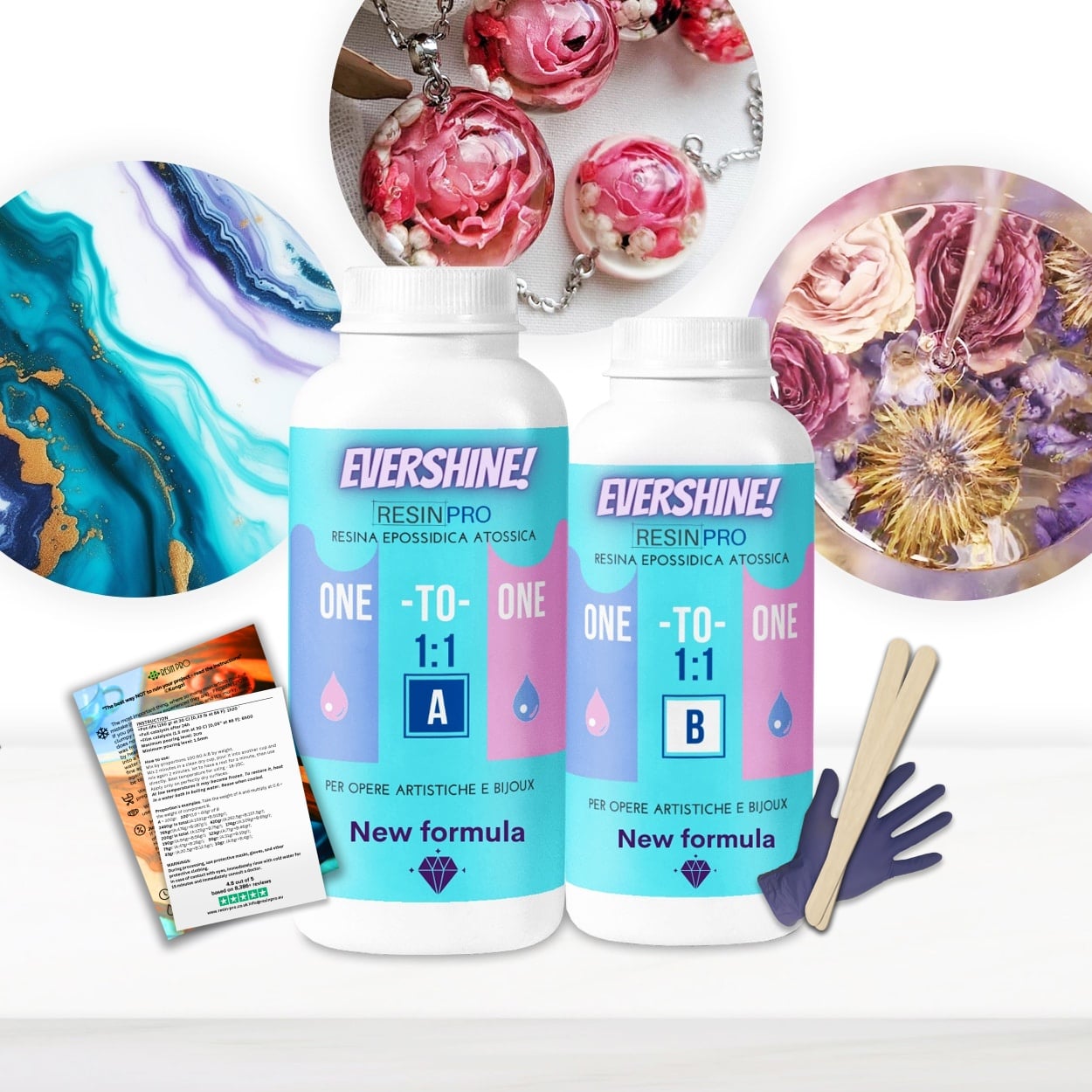
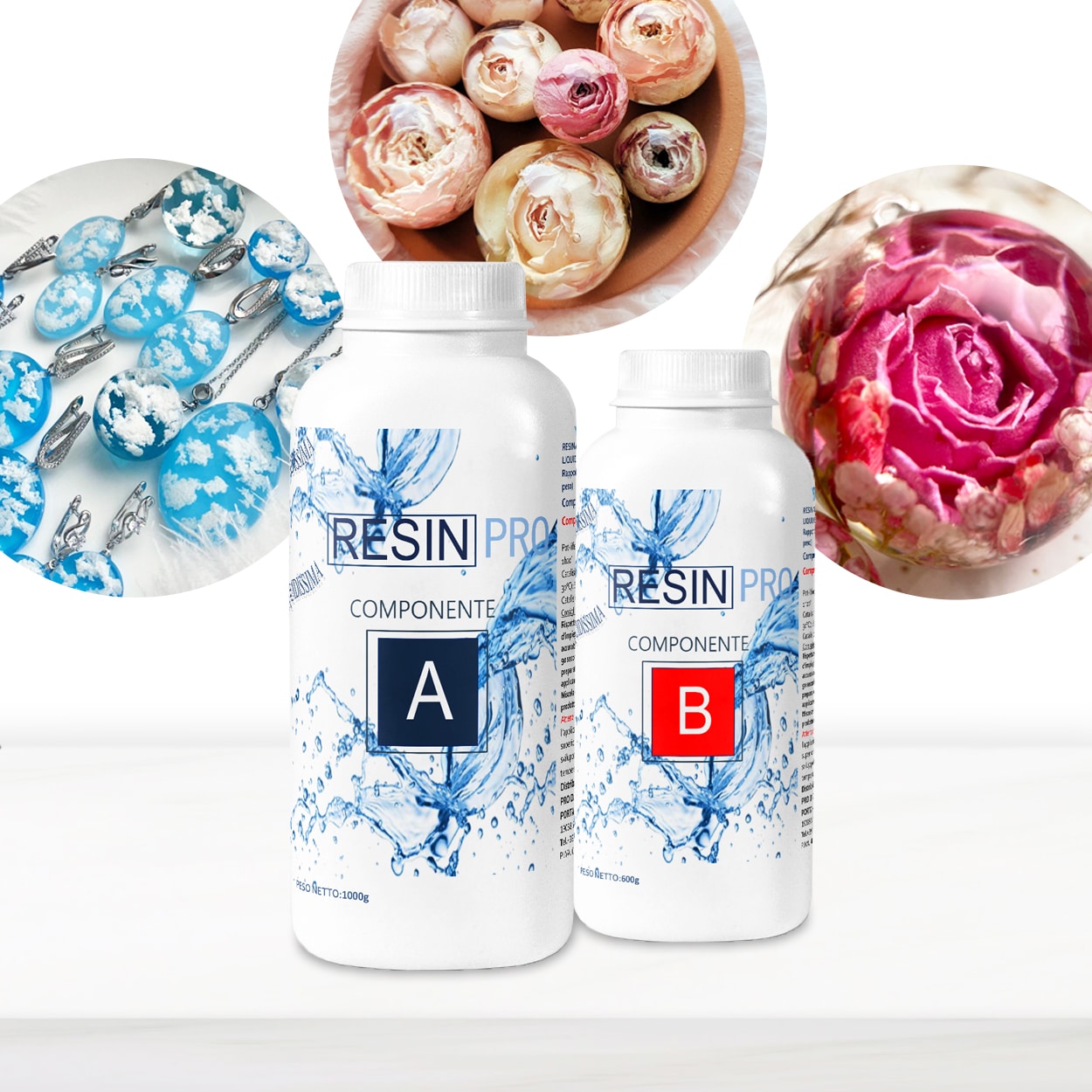
Mastering two-component (epoxy) resin opens creative possibilities in crafting, art, jewellery, and casting. This practical guide walks you through each stage of the process, from measuring and mixing to curing and finishing, ensuring reliable results whether you’re a beginner or an experienced maker.

What You’ll Need
- “One-2-One” – Epoxy Resin for Handcraft, 1:1 Mixing Ratio – A medium viscosity resin for clear, safe crafts and jewellery.
- “Liquidissima” – Epoxy Resin For Creations & Jewellery – Ideal for detailed moulds and intricate casting projects.
- “Trasparente” – Multipurpose Clear Epoxy Resin for Casting – Up to 2cm – Perfect for small furniture, art, or DIY items up to 2cm thick.
- 2L Graduated Measuring Cup for Resin – Precise Epoxy Dosing Tool – Ensures accurate measurement for easy mixing and curing.
- Disposable gloves and a mixing stick
- Protective covering for your workspace
- Silicone or suitable casting moulds (optional, for casting)
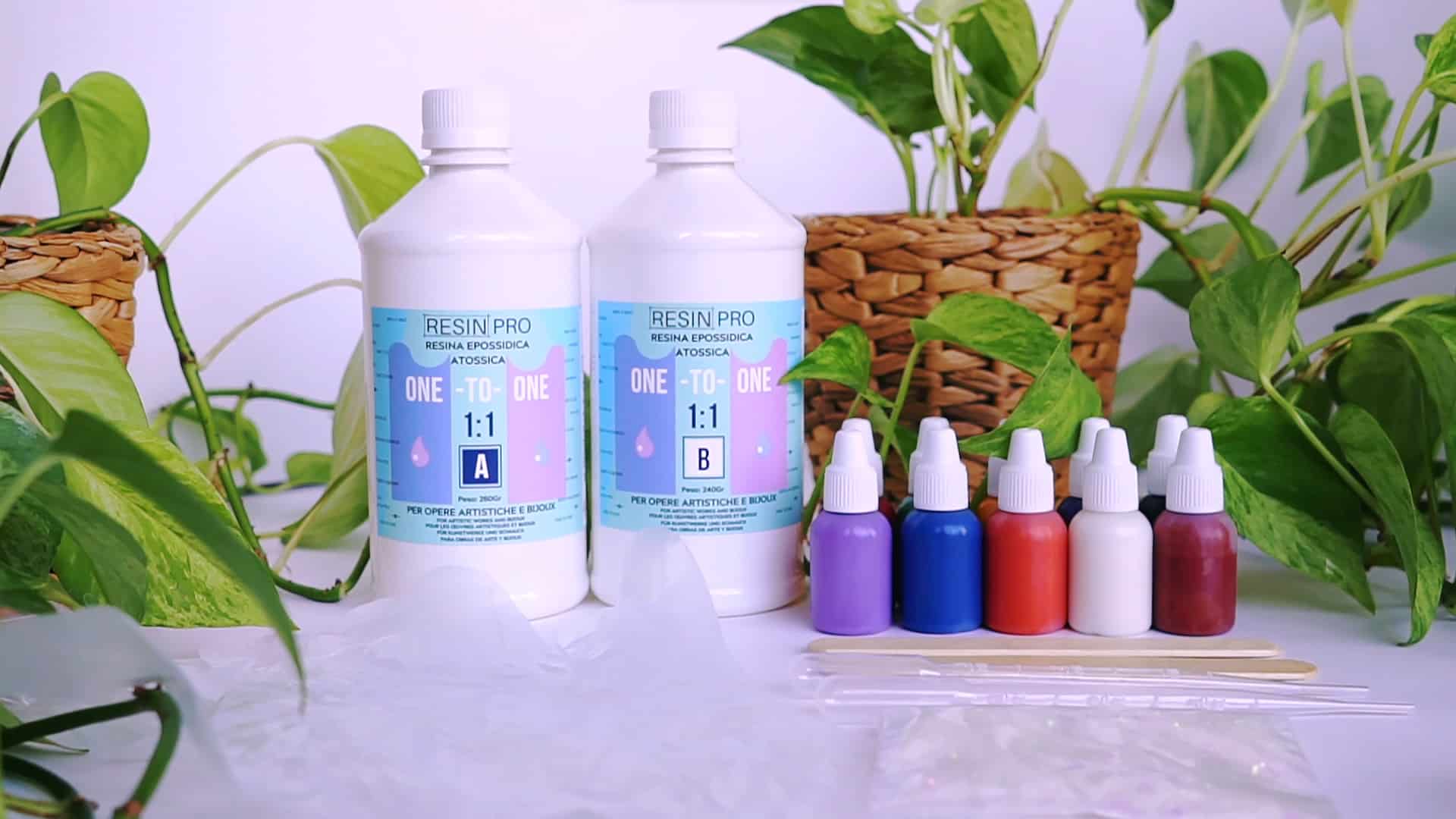
Essential Tools for Safe Resin Handling
Gloves and a graduated measuring cup are vital for both safe handling and precise mixing. A clean, covered workspace and measured approach produce professional results.
Step 1: Prepare Your Workspace and Safety Gear
Begin by selecting a well-ventilated, dust-free area. Cover your work surface with disposable material to protect against drips. Ensure you have disposable gloves on throughout to avoid skin contact. Keep paper towels and water close at hand for prompt clean-up of any spills. A clean workspace reduces the risk of contamination in your final resin piece and helps you stay organised as you work.
Step 2: Measure Each Component Accurately
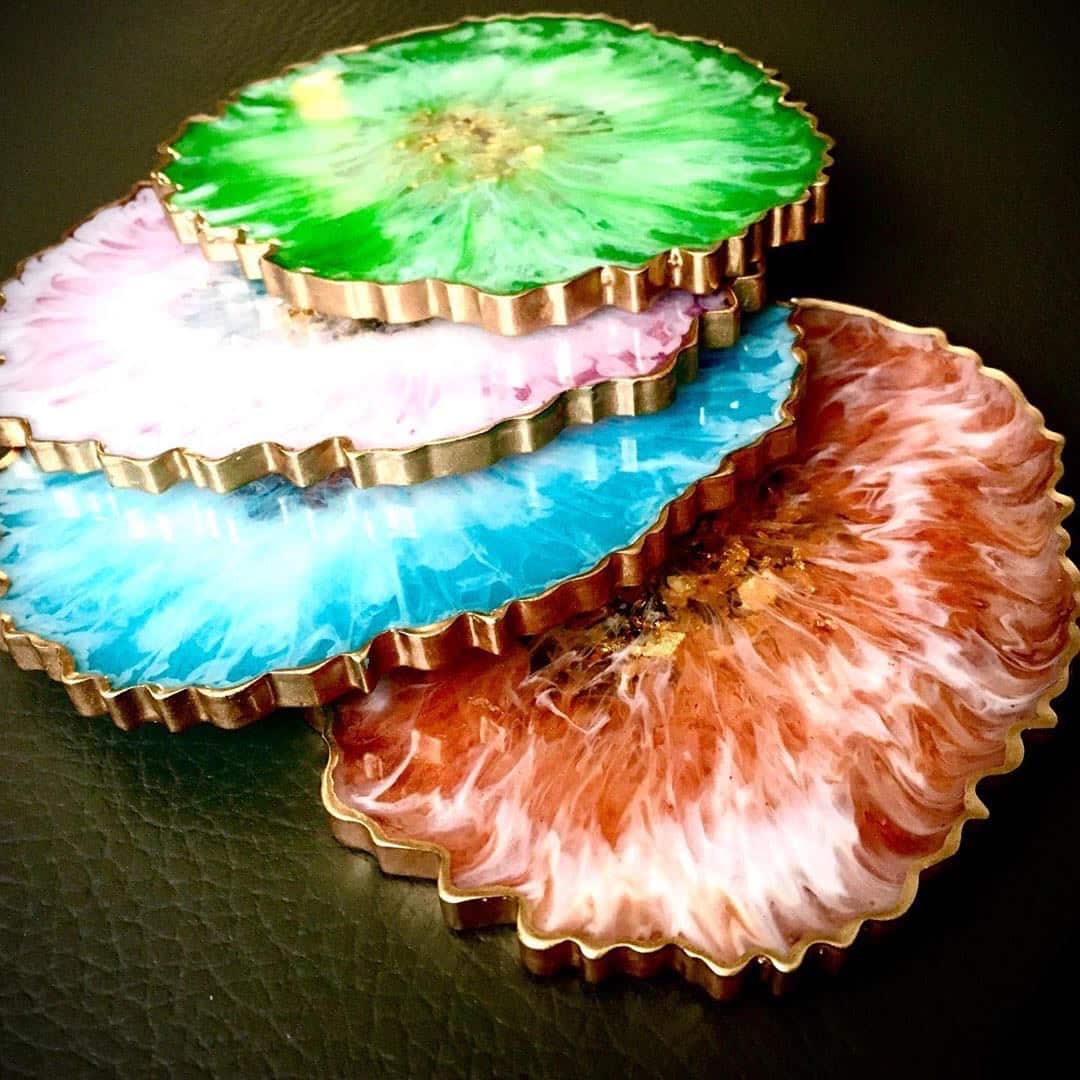
The success of two-component resin projects relies on precise mixing of resin and hardener. Always measure resin and hardener carefully according to the instructions provided with your specific product. Use a 2L Graduated Measuring Cup for Resin – Precise Epoxy Dosing Tool to achieve an exact 1:1 or 2:1 ratio, as required. Pour slowly, reading measurements at eye level, and use separate cups if recommended.
Incorrect ratios can lead to incomplete curing or tacky surfaces, so double-check quantities before moving to the next step.
Step 3: Mix Resin and Hardener Thoroughly
Combine the measured components in a clean mixing cup. Mix slowly and thoroughly for best results, scraping sides and bottom to ensure even blending. Vigorous stirring can introduce unwanted air bubbles, while inadequate mixing may prevent full curing.
For intricate art or jewellery, the “Liquidissima” – Epoxy Resin For Creations & Jewellery offers a longer working time, making this stage less rushed. Continue mixing until the liquid is uniform and streak-free.
Step 4: Pour and Cast with Care
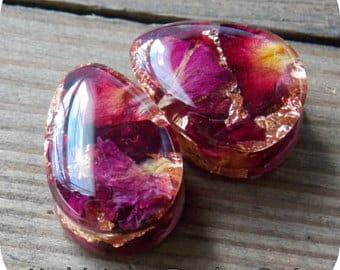
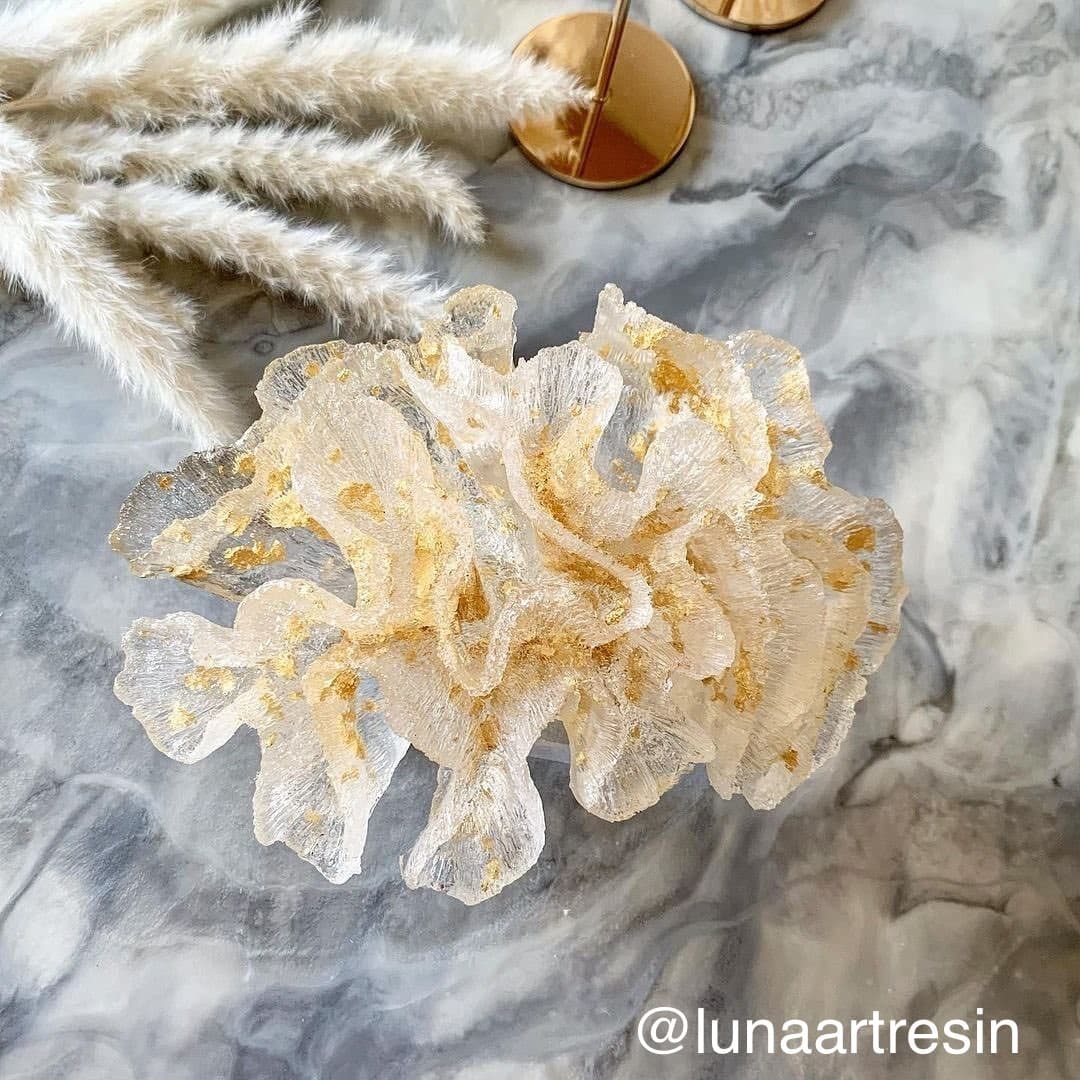
Slowly pour or cast the mixed resin into your mould, surface, or onto your project. Aim for an even layer to reduce bubbles and ensure consistent thickness. Avoid pouring too thickly to prevent overheating—for example, “Trasparente” – Multipurpose Clear Epoxy Resin for Casting – Up to 2cm is suitable for layers up to 2cm. For thicker pours, work in multiple stages with full curing between layers.
Check the project for trapped bubbles and gently pop them with a toothpick or light heat if needed. Secure the work to avoid dust settling while it cures.
Step 5: Curing, Demoulding, and Cleaning Up
Allow the resin to cure according to the product instructions—curing times vary, so avoid handling it too soon. When set, gently demould or lift the piece from your work surface. Dispose of gloves and protect your space for future projects.
Clean tools promptly after use with warm soapy water or the recommended cleaner before the resin sets, helping to prolong their lifespan for future use.

Tips, Common Mistakes, and Troubleshooting
- Work slowly at every stage to avoid air bubbles and uneven mixing.
- Maintain the correct ratio of resin and hardener every time; guessing can lead to sticky or cloudy results.
- If the resin feels tacky after curing, consider whether the temperature was sufficiently warm or if the mix ratio was slightly off. Sometimes, reapplying or sanding is required.
- Always cover curing resin to keep away dust and debris.
Creative Approaches with Two-Component Resin
Experiment with layers, colours, and embedded objects for unique pieces. Follow curing times closely and never rush the process to improve clarity and durability.
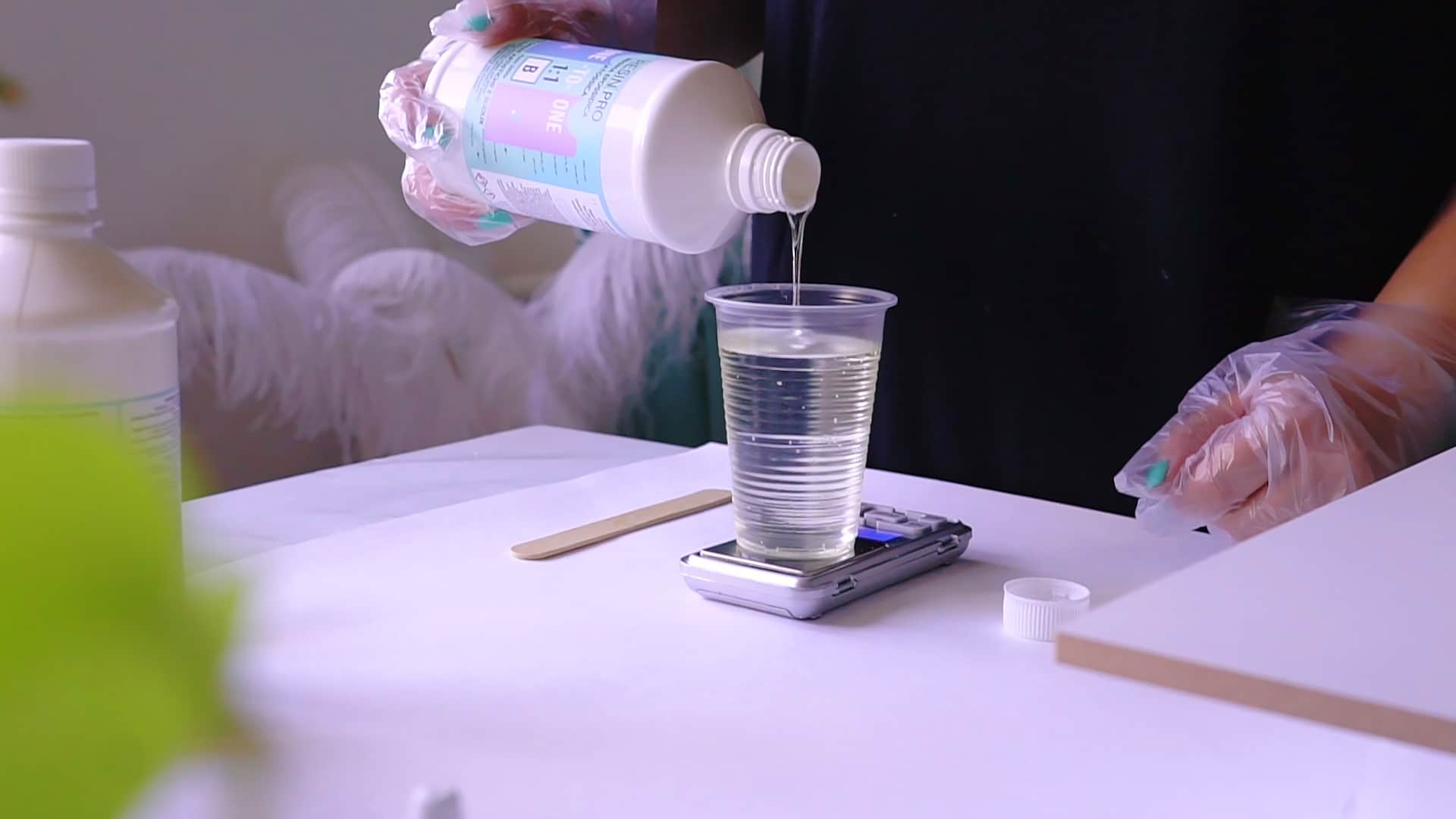
- "One-2-One" – Epoxy Resin for Handcraft, 1:1 Mixing RatioPrice range: £15.95 through £59.95"One-2-One" epoxy resin offers a clear, medium viscosity formula suitable for beginners and experienced crafters in handcraft projects.
- "Liquidissima" – Epoxy Resin For Creations & JewelleryPrice range: £12.85 through £31.85Liquidissima is a two-component epoxy resin for clear, detailed jewellery and creations with extended working time and a self-levelling finish.
 "Trasparente" – Multipurpose Clear Epoxy Resin for Casting – Up to 2cmPrice range: £8.95 through £397.95"Trasparente" is a clear, multipurpose epoxy resin suitable for casting up to 2cm layers, designed for various DIY and woodworking projects.
 2L Graduated Measuring Cup for Resin – Precise Epoxy Dosing Tool£4.04A practical measuring cup for resin dosing, designed for precise epoxy measurement up to 2 litres.
Frequently Asked Questions
Does the mixing ratio really matter with two-component resin?
Yes, accuracy in mixing is essential—incorrect ratios can cause incomplete curing, soft spots, or cloudy finishes.
How do I reduce bubbles in epoxy resin?
Mix slowly, avoid vigorous stirring and use a heat source or pin to remove surface bubbles after pouring.
Why is my resin sticky after curing?
Insufficient mixing, wrong ratios or cool ambient temperatures are common causes. Always measure and mix as directed.
Which moulds work best for epoxy casting?
High-quality silicone moulds make demoulding easy and support detailed work. Avoid porous materials that may bond with the resin.
Is ventilation important when using two-component resin?
Yes, good airflow reduces fumes and helps the resin cure properly. Work near open windows or use a fan if necessary.
How do I clean tools after using resin?
Clean with soapy water immediately after use, before resin has cured. Dedicated resin wipes can also be useful.