 Free shipping on orders over £29,85
  Shipping Tracking!


 Google
 Facebook
← Back to How do you use two-component resin?

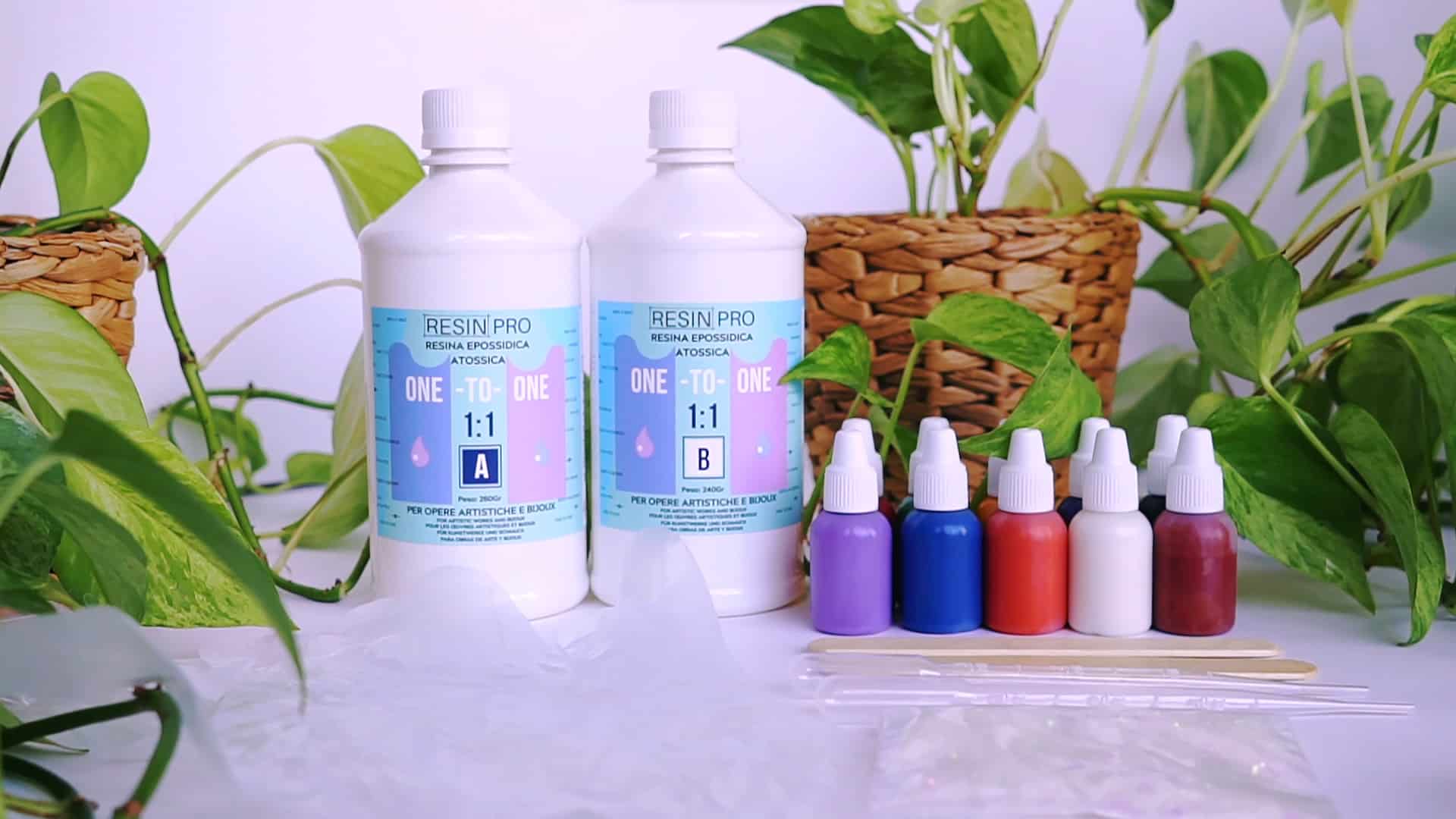
Choosing the right mould is essential for successful epoxy casting, ensuring easy demoulding and excellent detail. The material and surface of your mould can make a big difference in your final results.
Why Silicone is the Top Choice
Silicone moulds have become the standard for epoxy work because they are flexible, non-stick, and capture fine details with ease. Their smooth surface allows cured resin pieces to release cleanly, even from intricate shapes, minimising the risk of breakage or sticking. Compared to other materials, silicone offers long-lasting performance, especially when well cared for.
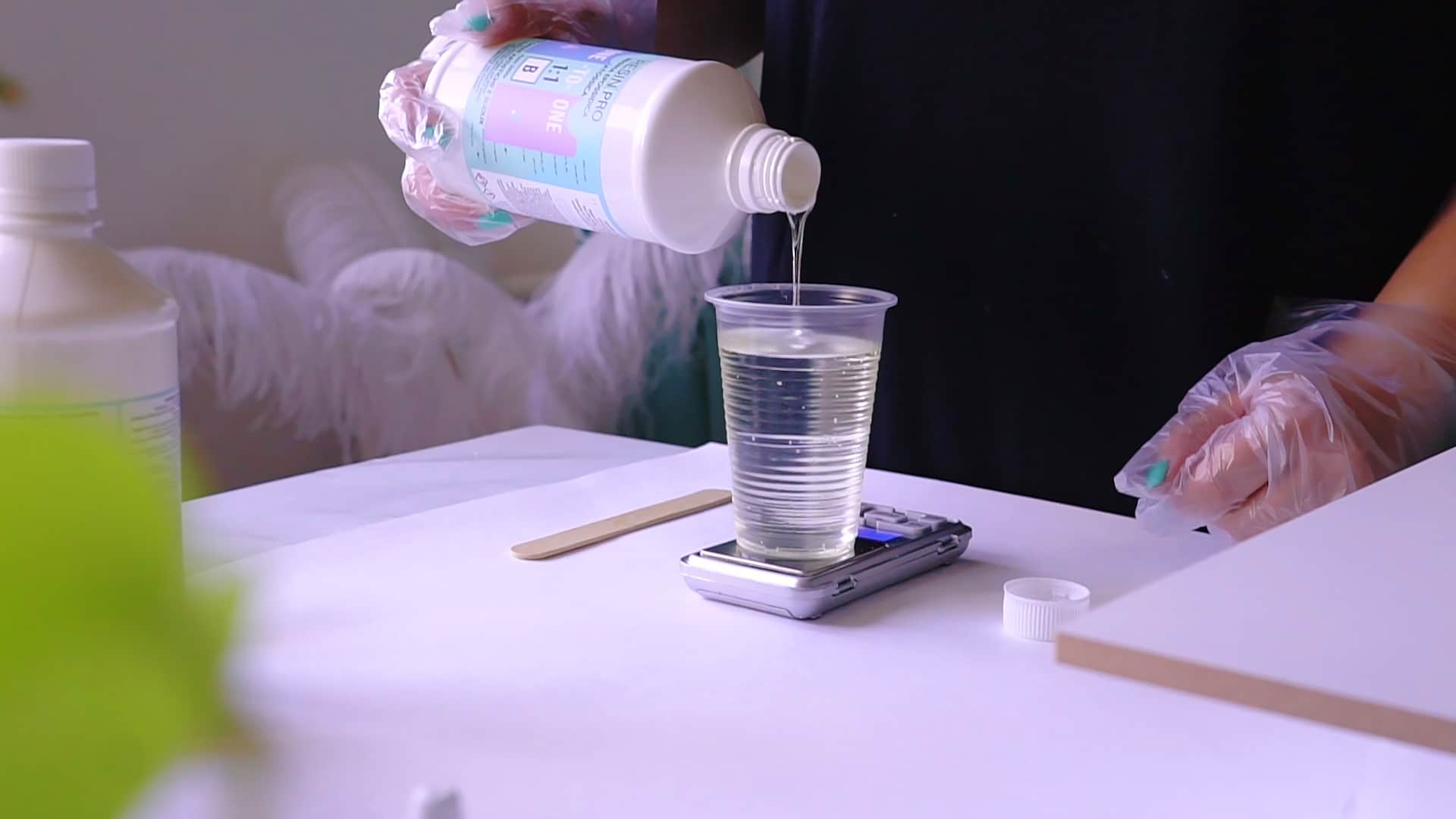

Materials to Avoid in Epoxy Casting
When selecting a mould for casting, steer clear of materials that are porous or absorbent, such as plaster, unsealed wood, or paper-based forms. These can bond with the resin, making demoulding extremely difficult and damaging your project. Even with a release agent, such materials rarely achieve the results of a quality silicone mould.
Buying & Usage Tips for Best Results
- Choose high-quality silicone moulds with a glossy interior for a professional finish.
- If making your own moulds, ensure the master template is free of defects to avoid imperfections in your cast.
- Allow your resin to cure fully before removing it from the mould to prevent stretching or tearing delicate designs.
- To measure and prepare your resin accurately, consider using a graduated measuring cup designed for epoxy projects.
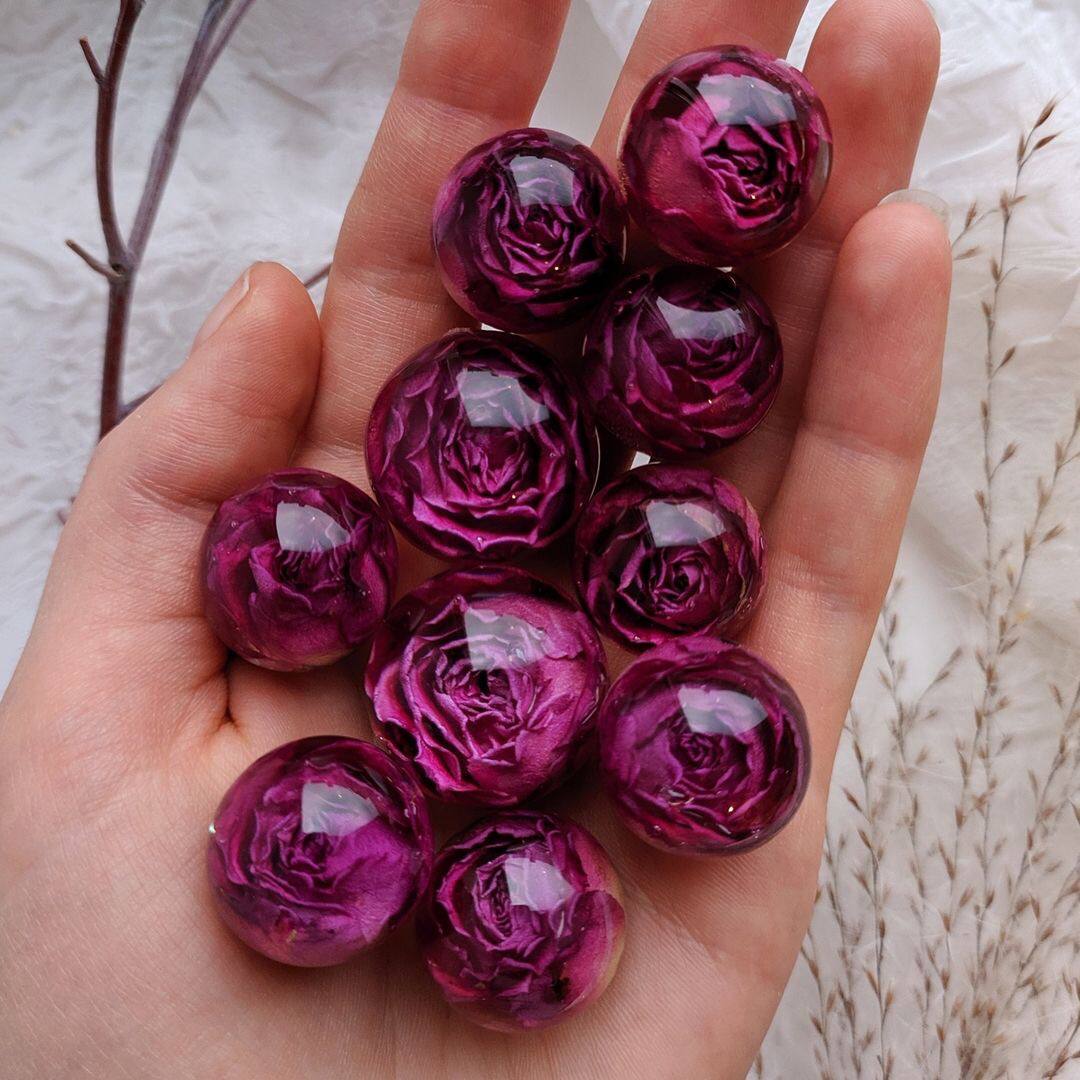
When Mould Choice Matters Most
Using the right mould ensures smooth demoulding when working on detailed pieces such as jewellery or ornaments. It is especially important for those aiming for crystal-clear finishes and minimal surface touch-ups.
Related products
Related guides
Getting the best results from your epoxy casting starts with selecting the correct mould. For more guidance on mixing and handling resins, see our guide on how to use two-component resin.