 Free shipping on orders over £29,85
  Shipping Tracking!


 Google
 Facebook
How is floor resin installed?
Step-by-step guide to strong, attractive resin surfaces
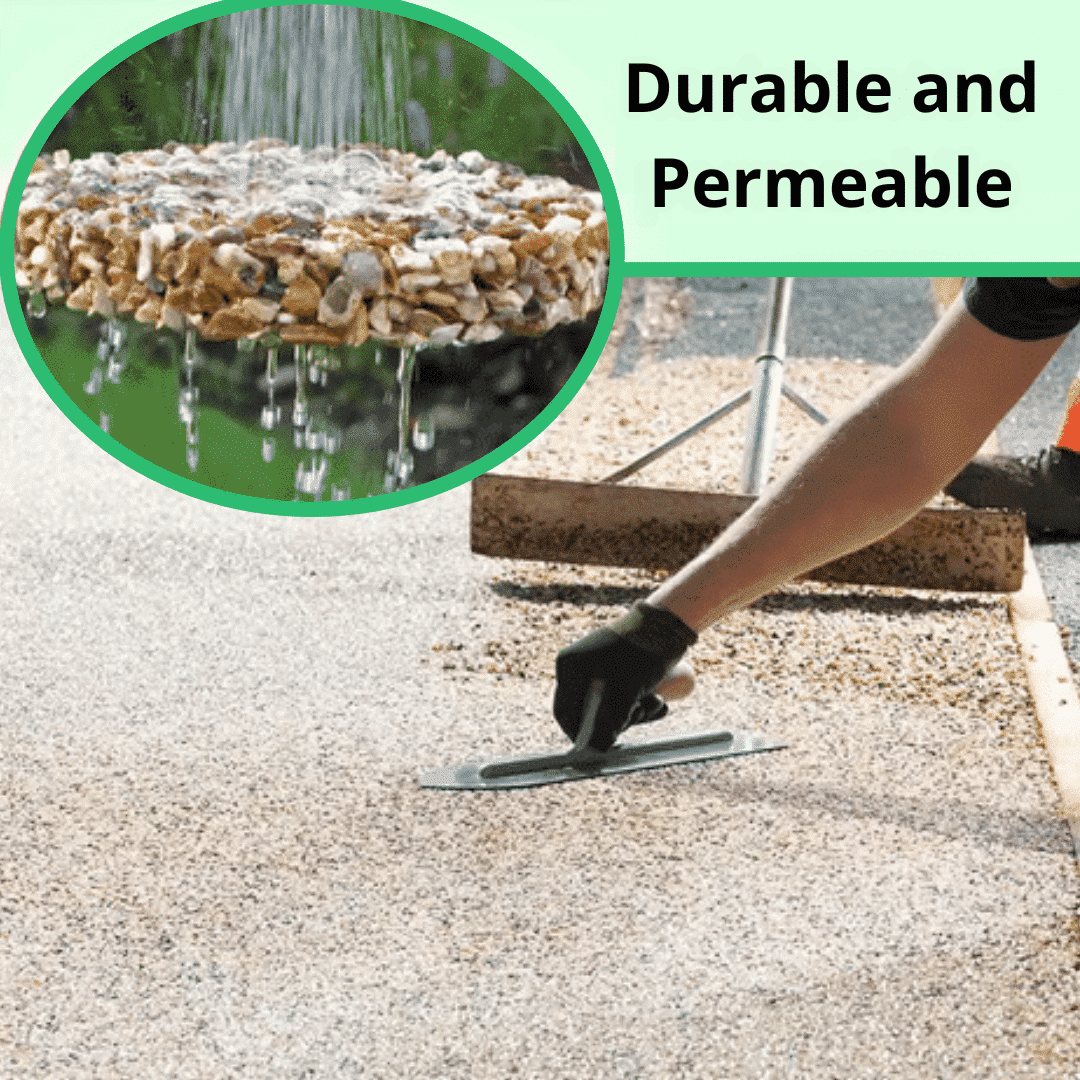
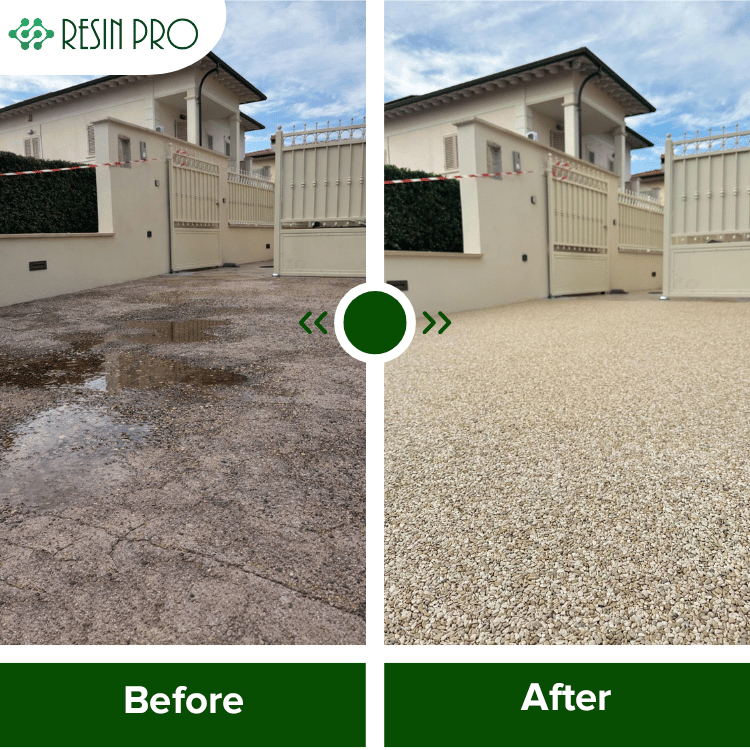
Installing floor resin creates robust, attractive surfaces for outdoor and indoor spaces. Whether upgrading a driveway, patio, or interior floor, a careful step-by-step process is essential for a seamless and durable finish. This guide walks you through all the crucial techniques, preparation tips, and pitfalls to avoid— ensuring your resin floor not only looks impressive but is built to last.
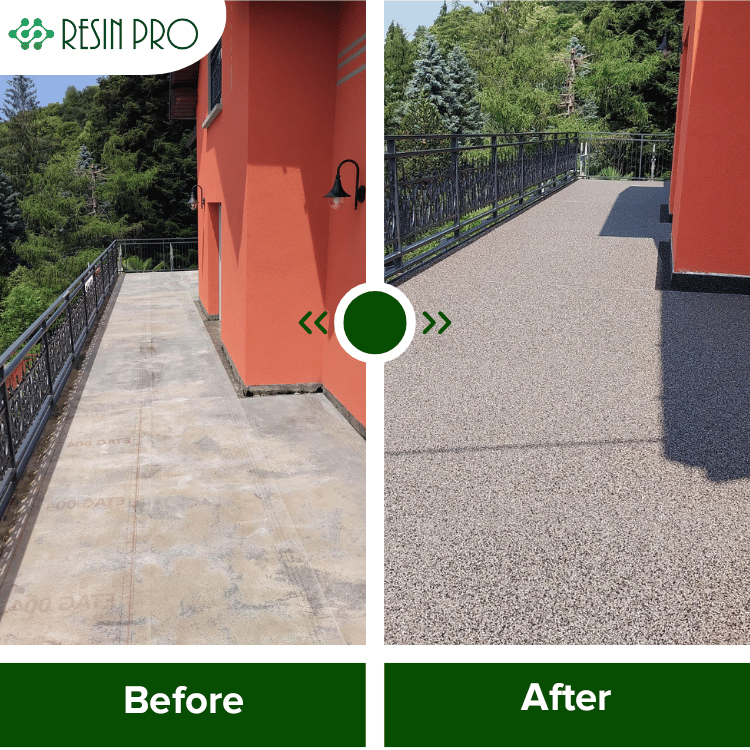
What You’ll Need
- “Epoxyprimer” – Universal Water-Based Two-Component Epoxy Floor Primer: A versatile primer for concrete, timber, tiles, or screeds, ensuring strong resin adhesion.
- “Trasparente” – Epoxy Binder for Coloured Pebbles and Grits: A clear, low-viscosity binder ideal for coloured stone and grit mixtures in decorative permeable floors.
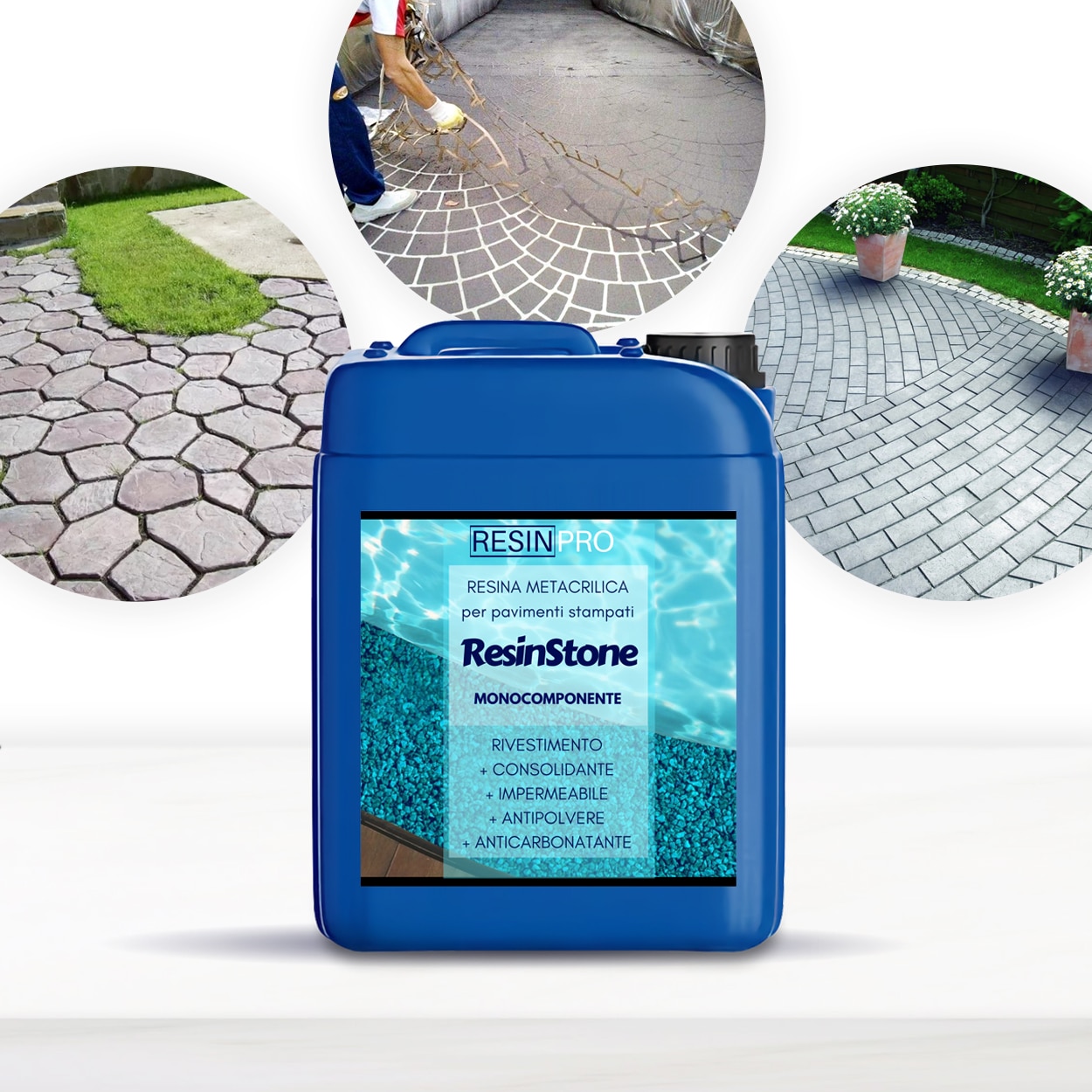
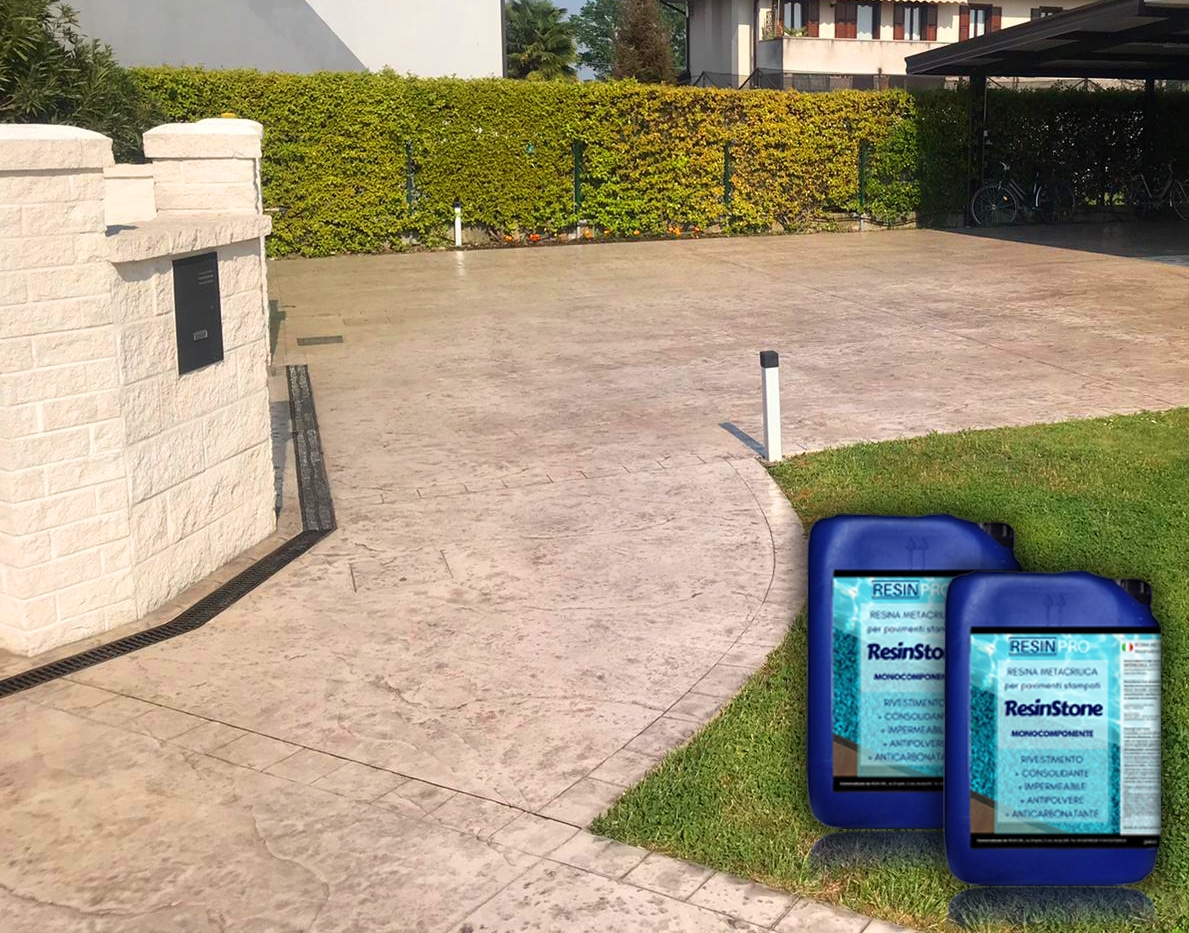
- “Resinstone” – One-Component Methacrylic Resin for Concrete Floors and Driveways: A single-component resin for protecting and sealing concrete, driveways, and outdoor paths.
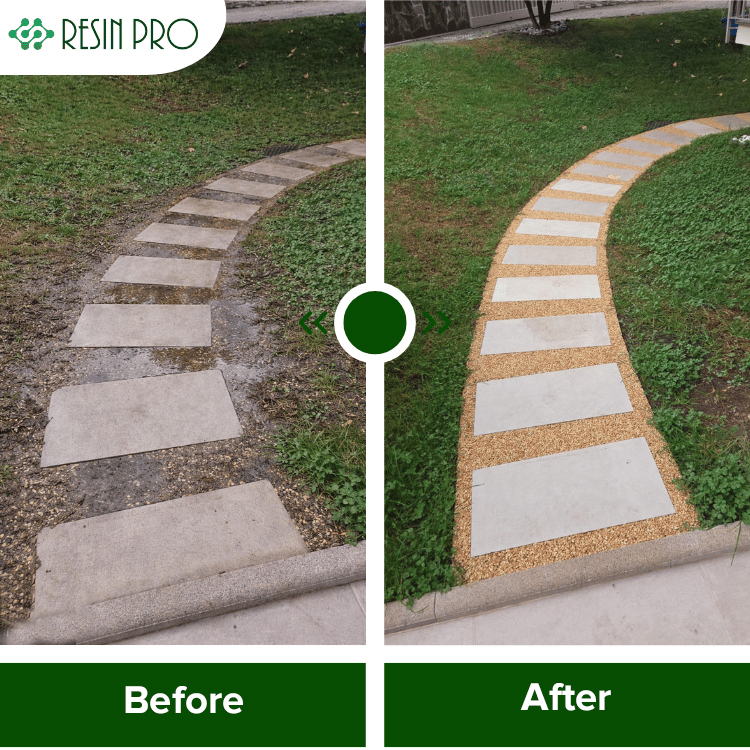
- “Flowstone” – Complete Permeable Floor Kit with Pebbles and Resin: All-in-one kit for laying a decorative and draining pebble resin surface outdoors.
- Protective gloves, goggles, and clothing
- Mixing buckets or a cement mixer (for larger jobs)
- Rollers, trowels, or spatulas
- Measuring scales for precision
- Vacuum or broom for surface cleaning
- Masking tape and sheeting to protect borders
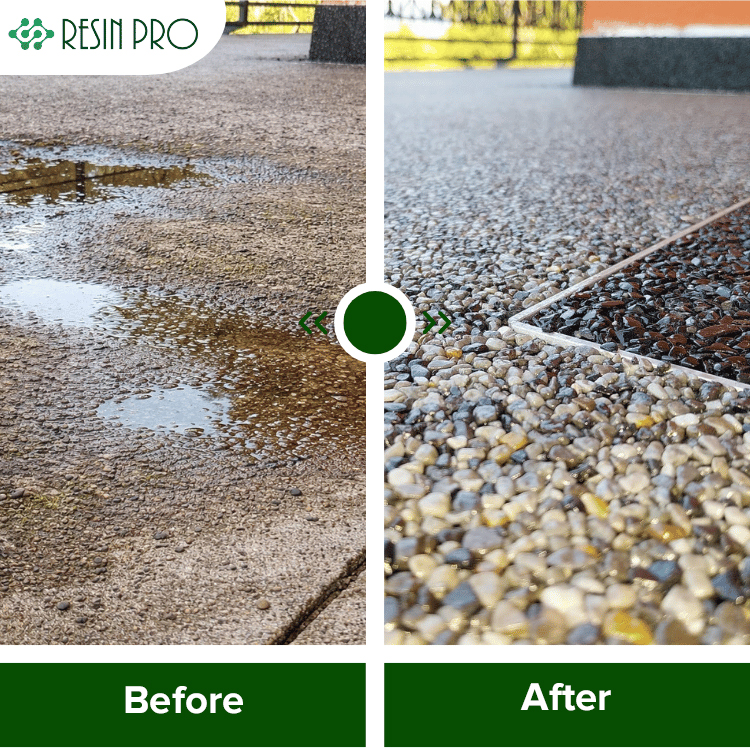
Choosing the Right Resin Floor System
Matching your project with the optimal resin system is essential for durability and appearance. Permeable pebble and resin kits allow water drainage and custom designs—perfect for patios and driveways. For robust sealing and protection of existing concrete, opt for methacrylic resins. Always select primers and binders compatible with your substrate and location for best results.
Step 1: Prepare the Substrate
Thoroughly inspect and clean the substrate. Begin by ensuring the floor is structurally sound, level, and free from oil, dust, debris, or any loose particles. Any cracks or holes should be filled and dried. Adequate surface preparation is the foundation of any successful resin floor installation and prevents issues with bonding or bubbling later on.
Surfaces must be fully dry before you apply any resin or primer. For concrete, new screeds should be cured for the recommended period, as excess moisture can compromise adhesion. Sweep and vacuum the area thoroughly, and use masking tape to cover adjacent surfaces and drains.
Uneven or particularly porous substrates may benefit from a dedicated primer to promote maximum adhesion and ensure uniform resin absorption.

Step 2: Prime with an Epoxy Floor Primer
Apply a suitable primer for optimal adhesion between the substrate and resin. When working with concrete, tiles, timber, or screeds, use a water-based, two-component epoxy primer. “Epoxyprimer” – Universal Water-Based Two-Component Epoxy Floor Primer is excellent for this purpose, providing a safe, odourless base layer for further applications.
Mix the components as instructed. Apply evenly by roller, brush, or spatula, ensuring the entire area is covered. Allow the primer to cure fully— this normally takes from 24–48 hours. Pay attention to ambient temperature and humidity, which can affect curing times. Avoid applying at temperatures below 10°C or when very humid.
Step 3: Mix Resin and Aggregates
Blend resin and aggregates accurately for your chosen finish. For coloured pebble or grit floors, select a suitable epoxy binder such as “Trasparente” – Epoxy Binder for Coloured Pebbles and Grits. Combine the resin with the aggregates in the manufacturer’s recommended ratio— typically about 3% resin binder by weight for pebbles or grits. Use measuring scales for precision and prevent sticky or weak results.
Mix in clean buckets for small projects or use a cement mixer for large areas. Ensure even coating by introducing the resin slowly and mixing thoroughly until all stones or grit appear glossy and fully coated. Avoid rushing this step— inadequate mixing can result in dry patches or poor durability.
For pre-assembled kits and outdoor areas, a comprehensive system like “Flowstone” – Complete Permeable Floor Kit with Pebbles and Resin streamlines the process, supplying both aggregates and resin measured for your surface area.

Step 4: Apply and Level the Resin Mix
Lay and level the resin mixture onto the primed surface promptly after mixing. Spread the aggregate and resin blend at the required thickness using a trowel or spatula. Work in small, manageable sections, as working times are limited once the resin is mixed— typically 30–40 minutes.
Press and smooth the mixture for an even finish. For larger outdoor surfaces or driveways, use guide rails or frames to maintain straight edges. Compact the layer gently to remove air pockets and achieve stability, especially in permeable systems.
For concrete sealing, a one-component resin such as “Resinstone” – One-Component Methacrylic Resin for Concrete Floors and Driveways can be applied using a roller or airless spray for quick, uniform coverage without aggregates.
Step 5: Allow for Curing and Finishing Touches
Allow correct curing time before using your floor. Resin systems have distinct curing requirements— pebble resin floors may become walkable in 10–24 hours, while full strength develops over several days. Maintain good ventilation if working indoors, and shield the area from moisture or rain if outdoors.
Once cured, inspect the surface for evenness. Some systems benefit from a final sealing coat or other protective treatments. Clean tools promptly and dispose of excess material according to safety standards.
Tips, Common Mistakes and Troubleshooting
Plan your workflow and mixing to keep pace with resin working times. Only prepare as much resin as you can lay within the pot life to prevent waste and rushed application.
Temperature and humidity significantly affect curing— control working times and temperature by avoiding extreme conditions, such as heatwaves or cold, damp days.
Poor surface preparation is among the most common causes of delamination or patchy finishes. Invest the time in cleaning, priming, and checking for dry substrates to ensure professional results.
Test a small area first if working with new aggregates or on a surface you haven’t resined before. This helps predict colour, aggregate compatibility, and drying times.
Achieving Professional Results Every Time
Allow each layer to cure fully before proceeding to the next stage. Even application and careful environmental control are the keys to a flawless finish. Don’t hesitate to consult instructions or test on a small area—proper planning saves time and ensures excellence in your resin flooring project.
- "Flowstone" – Complete Permeable Floor Kit with Pebbles and ResinPrice range: £49.95 through £3,915.45"Flowstone" kit provides a durable permeable pebble and resin flooring system with step-by-step guidance for drainable, decorative surfaces.
- "Resinstone" – One-Component Methacrylic Resin for Concrete Floors and DrivewaysPrice range: £36.71 through £336.48"Resinstone" provides breathable, waterproof protection for concrete floors and driveways with durable mechanical resistance and quick drying.
 "Trasparente" – Epoxy Binder for Coloured Pebbles and GritsPrice range: £33.45 through £397.95"Trasparente" is a transparent epoxy binder designed for coloured pebbles and grits, suitable for visible and durable pebble flooring installations.
 "Epoxyprimer" – Universal Water-Based Two-Component Epoxy Floor PrimerPrice range: £156.45 through £286.45Epoxyprimer is a water-based two-component floor primer designed to prepare surfaces for epoxy resin coatings with reliable adhesion.
Frequently Asked Questions
What types of resin are available for flooring?
There are systems for permeable stone floors, methacrylic sealers for concrete, and transparent binders for coloured aggregates.
What temperature should resin be installed at?
Avoid installing resin below 10°C or in high humidity, as these conditions can hinder proper curing and adhesion.
When is a primer needed for resin floor installation?
A primer is recommended on porous or absorbent substrates like concrete, screed, or timber to ensure secure bonding with the resin.
Can I install pebble resin kits myself?
Yes, with basic DIY tools and careful following of the instructions, self-installation is achievable even for beginners.
How long does resin flooring take to cure?
Initial curing can make floors walkable in 10–24 hours, but full strength and chemical resistance develop over several days.
Can resin be used on tiles or timber?
Yes, with the appropriate primer, resin systems adhere well to ceramic tiles and timber, making them suitable for a range of interior and exterior projects.