 Free shipping on orders over £29,85
  Shipping Tracking!


 Google
 Facebook
← Back to How is floor resin installed?

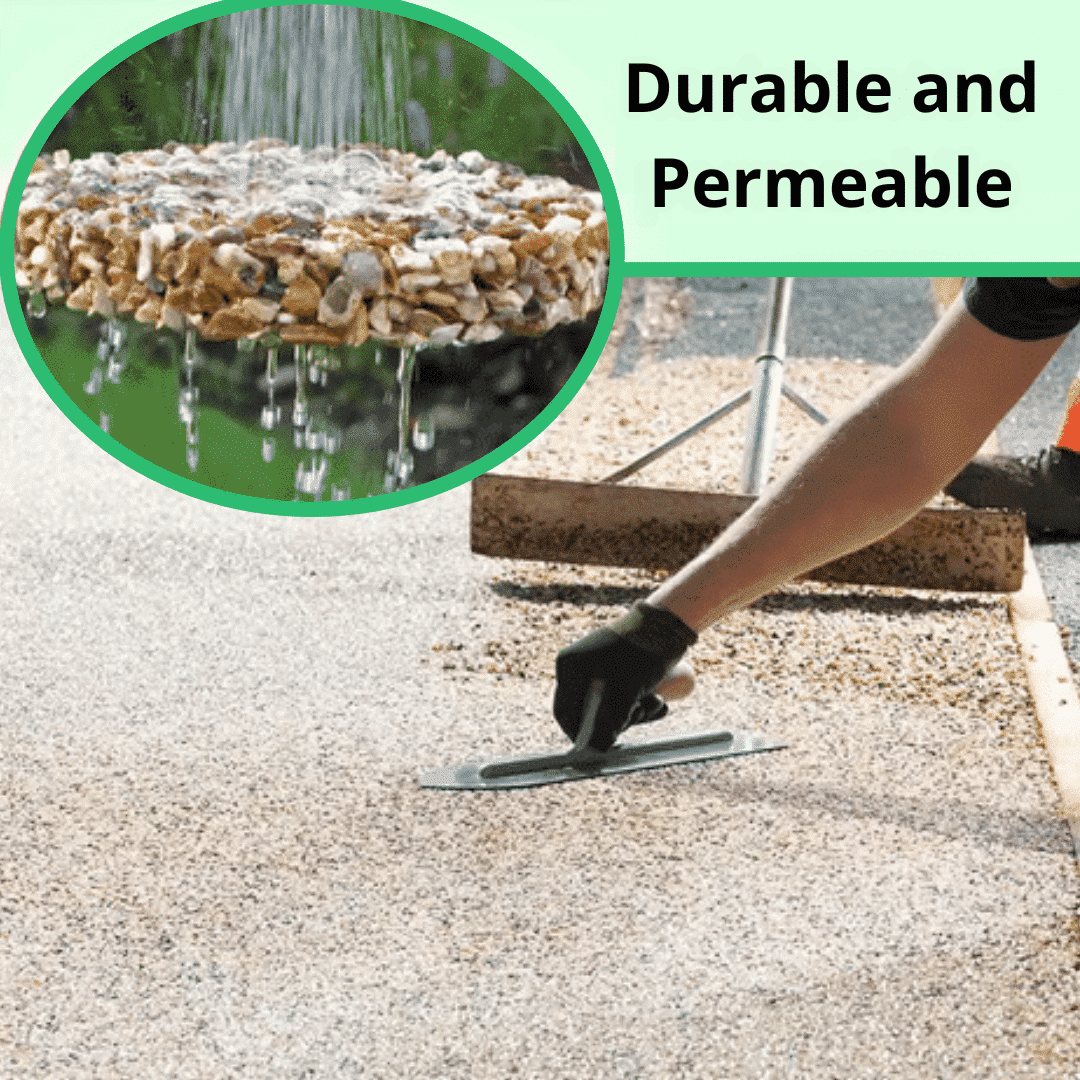
Preparing your substrate is an essential first step before installing any resin floor. A well-inspected and clean base ensures a strong bond, smooth finish, and durable results for your new surface.
Why Inspection Matters
Assessing the condition of your existing floor helps avoid future issues such as lifting, uneven surfaces, or poor adhesion. Check thoroughly for cracks, signs of damp, loose material, oil stains, or surface irregularities before proceeding.
- Concrete: Should be stable, dry, and free from laitance or dust.
- Timber, screed, or tiles: Check for loose boards or tiles and any moisture beneath the surface.
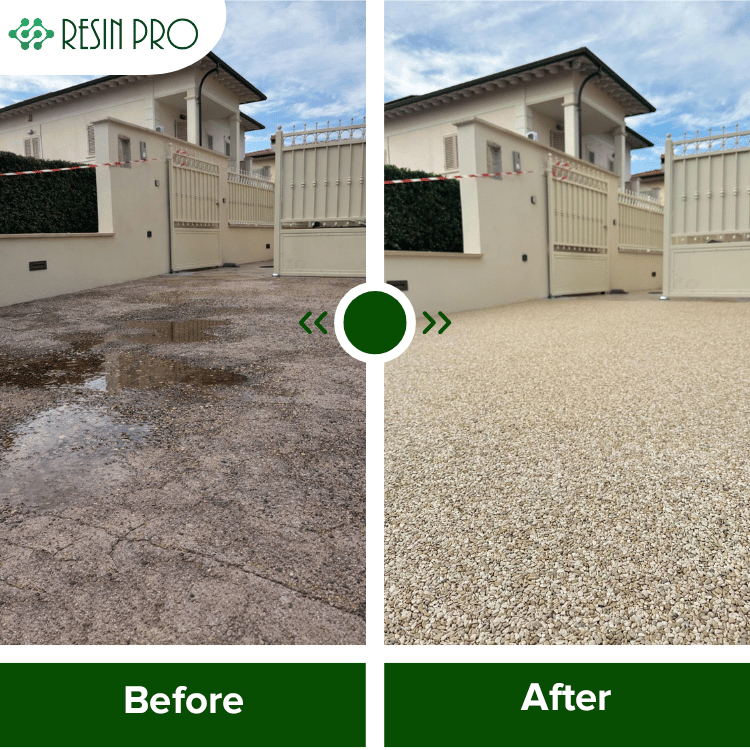
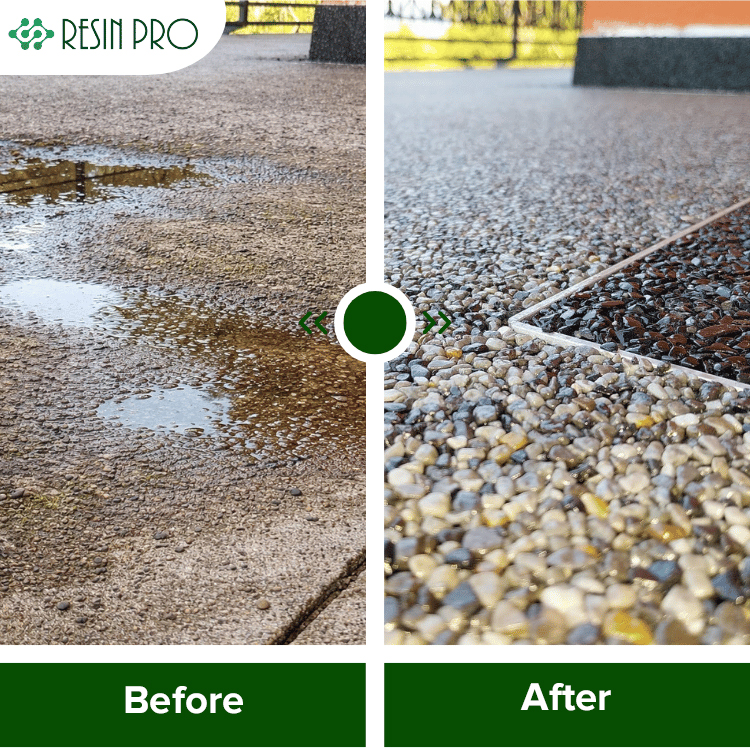
Effective Substrate Cleaning Steps
Start by removing any dust, debris, grease, or old coatings. A powerful vacuum, stiff brush, or suitable cleaning agent will help leave the surface spotless. For stubborn oil or chemical residues, a degreaser and thorough rinse may be necessary. Allow the area to dry fully before moving on to the next phase.
An epoxy floor primer can then be used to further promote adhesion and achieve a stable base for your resin application.
When This Matters Most
Investing the time to properly inspect and clean is particularly critical in garages, driveways, or high-traffic indoor areas where heavy loads and moisture can challenge the bond between substrate and resin. It’s equally important when working over tiles, older concrete, or any floor that may have imperfections.
Related products
Related guides
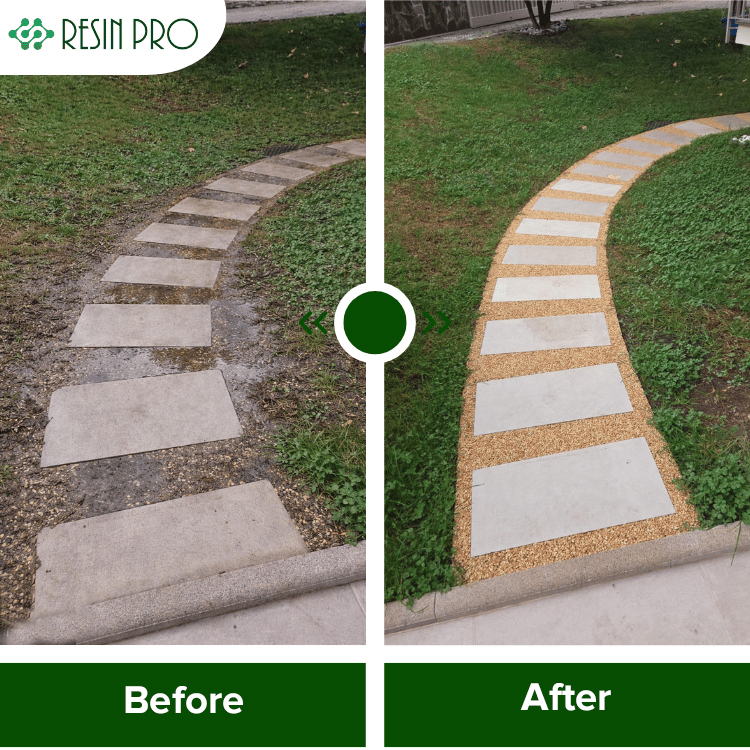
With your substrate thoroughly inspected and cleaned, you’re set up for a smooth, resilient resin floor installation. For full application guidance, explore our detailed resources on how to install floor resin.