 Free shipping on orders over £29,85
  Shipping Tracking!


 Google
 Facebook
How long does GLS 50 silicone rubber take to dry?
Understand drying times for silicone rubber moulds and key alternatives
If you are planning a mould-making project with GLS 50 silicone rubber or considering similar options, understanding how long these materials take to dry—and what influences curing time—is essential. This guide compares drying times for popular casting silicones and helps you choose the right product and approach for your project, whether you’re a hobbyist, artist, or professional maker.
Comparing Drying Times for GLS 50 and Related Silicone Rubbers
Drying (or more accurately, curing) times for silicone rubbers like GLS 50 vary depending on formula, thickness of the mould, temperature, and catalyst type. Products in this category typically fall into two main groups: fast-curing silicones, suited for rapid mould turnaround, and standard-curing variants for high-detail or larger moulds. For instance, “Pure Mould” – Translucent Liquid Silicone Rubber for Mould Making boasts a rapid 3–8 hour cure, whereas the “Liquid Mould” bi-component silicones require closer to 10–12 hours at room temperature. Always consider the scale and detail you require, as fast-curing systems can be extremely helpful for smaller projects or quick set-ups, but standard systems may be better for complex mouldings where careful demoulding is needed.
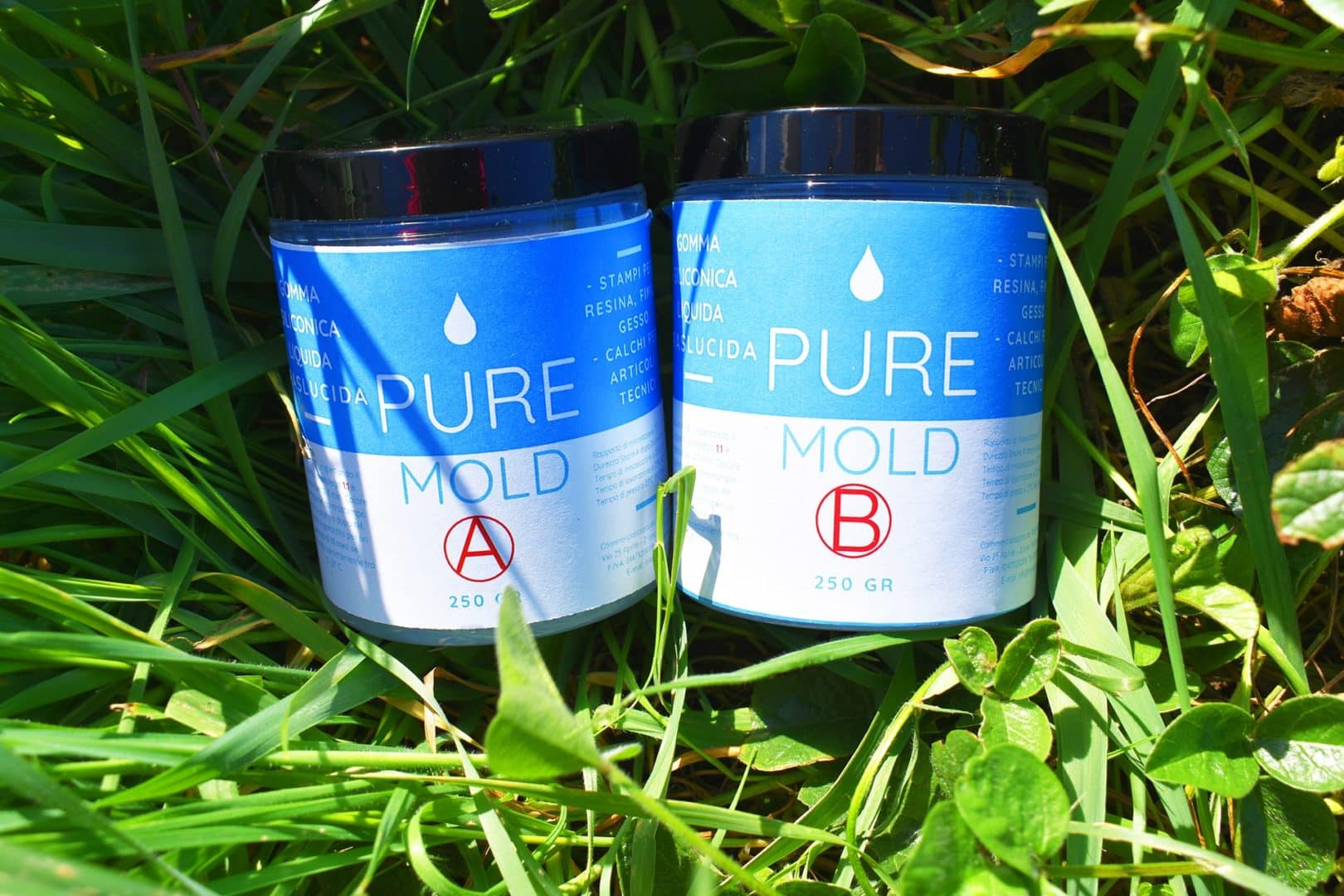
Time-Lapse: Silicone Curing in Action
Watch a typical silicone rubber cure and discover when it reaches a tack-free state. See the transition from pour to finished, ready-to-use mould—proof of how fast and effective modern formulations can be for all creators.
“Pure Mould” – Fast Curing for Quick Turnaround
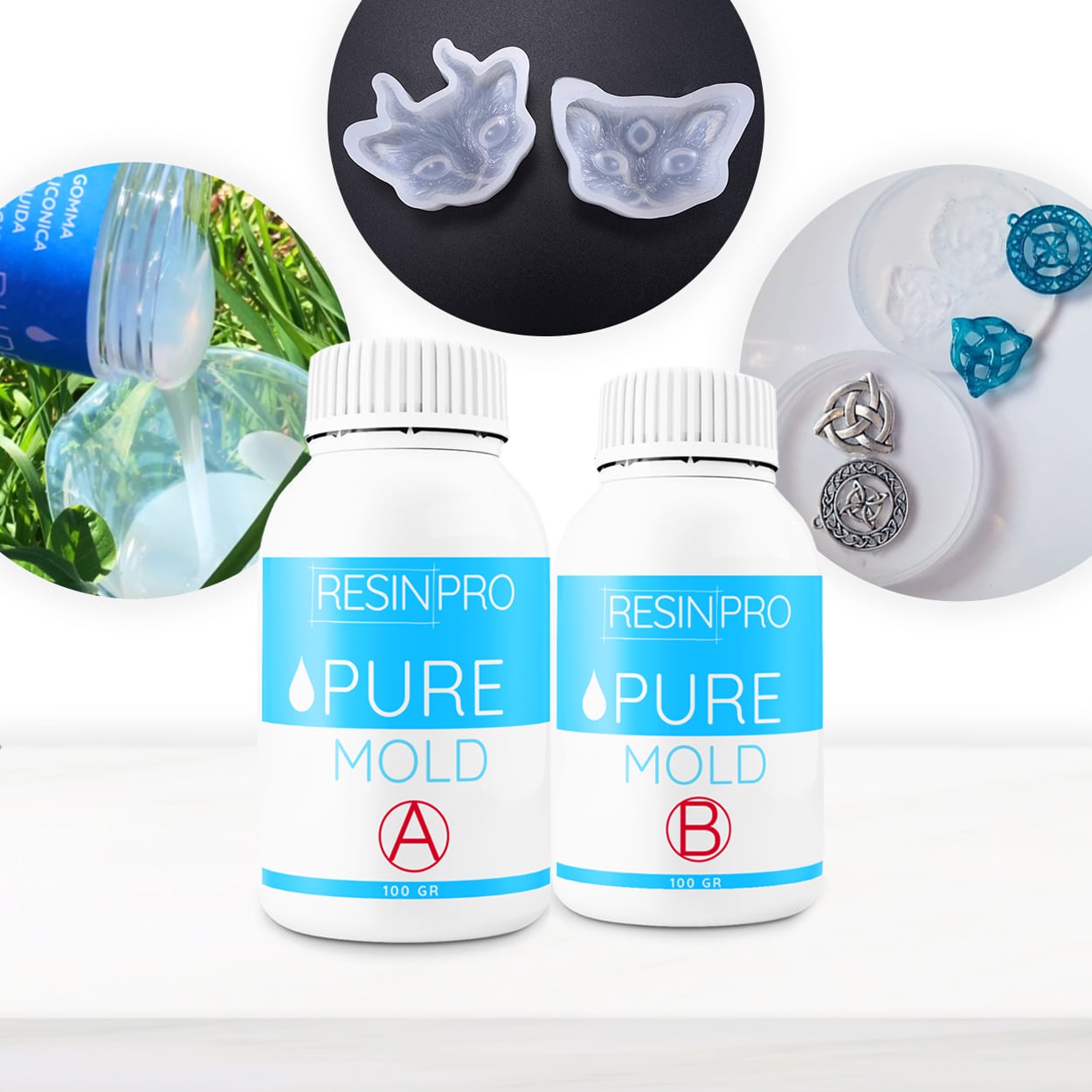
PLATINUM BASED TRANSLUCENT AND FAST CASTING LIQUID SILICONE RUBBER FOR MOULDS “Pure Mould” – Translucent Liquid Silicone Rubber for Mould Making is a platinum-based silicone specifically designed for users who need a reliable, transparent mould quickly. With a mixing ratio of 1:1 and a catalysis time of just 3–8 hours, it’s an excellent fit if your project demands speed without sacrificing detail. This material works well with resin, plaster, cement, and is ideal for applications where you want to observe the casting as it sets. Less mould shrinkage and a longer service life add even more value. For best results, aim for standard laboratory conditions and avoid excessive humidity or very low temperatures when curing. See more on “Pure Mould” – Translucent Liquid Silicone Rubber for Mould Making.
“Liquid Mould” – Bi-Component Silicone for Detailed and Complex Moulds
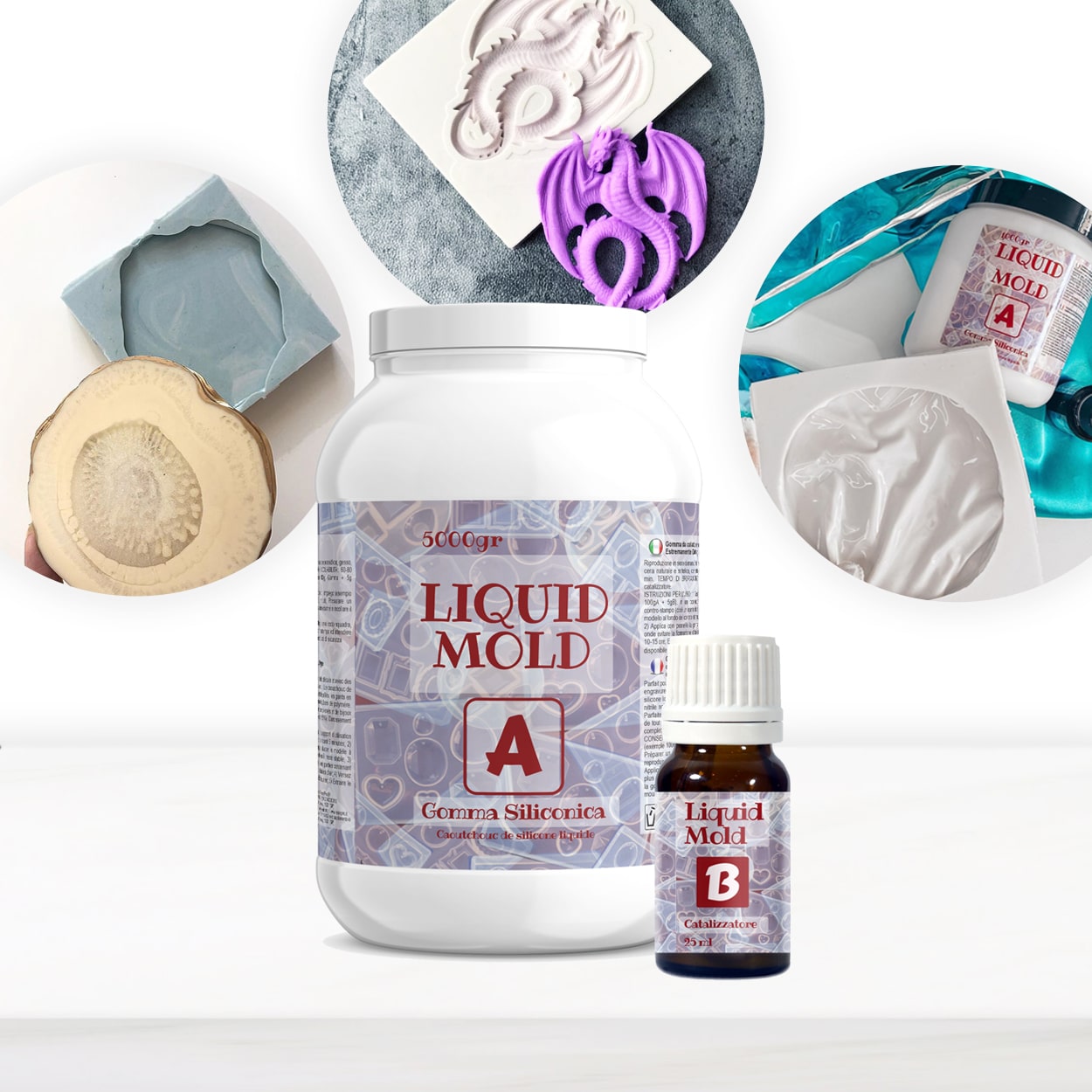
For highly detailed castings, the bi-component “Liquid Mould” silicones are formulated to reproduce every nuance. These products—available in different Shore hardness variants—require catalyst addition before use and typically cure in 10–12 hours at room temperature. This makes them well-suited for small objects, intricate details, and professional applications such as foundry work, jewellery, or technical castings. Patience is rewarded with perfectly detailed moulds, especially when working with complex undercuts.
If you’re undertaking a larger, professional project or need a significant quantity, “Liquid Mould” – Casting Liquid Silicone Rubber, 15 Shores 20.8 kg is ideal for bulk requirements, offering the same fine detail on a larger scale. Each variant, including “Liquid Mould” – Casting Liquid Silicone Rubber, 5-40 Shores, Bi-Component A+B, shares these curing characteristics, so do allow for overnight curing when planning projects.
Matching Drying Times to Your Project: Tips and Considerations
Maximise results by always checking the recommended working and curing times on your product. For fastest demoulding, products like “Pure Mould” are invaluable—especially for prototypes or repeatable short-run castings. If working with fine details, plan for an overnight cure with “Liquid Mould” variants to avoid premature demoulding which could cause deformations. Environmental factors like cold weather can slow down cure times, so an even, room-temperature workspace is optimal. For more options, visit our extensive Silicone Rubbers and silicon rubbers categories.
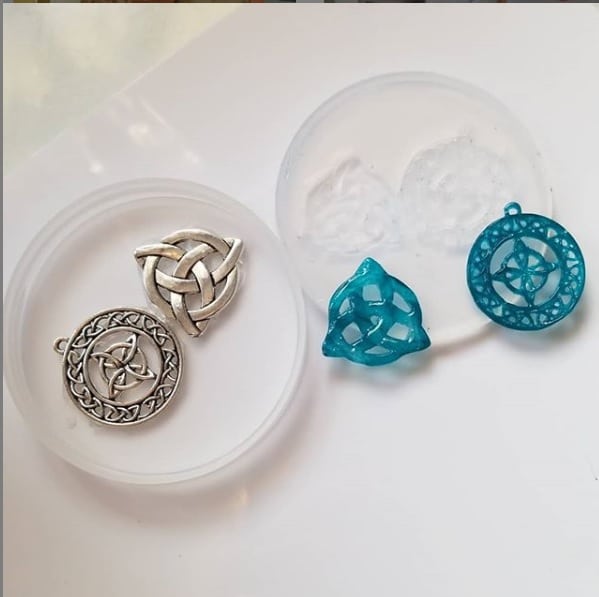
Behind the Scenes: Choosing the Right Silicone
Take a closer look at different silicone moulds after demoulding. Notice the crisp details and the effect proper curing time has on mould longevity, surface finish, and ease of use in both hobby and pro environments.
- "Pure Mould" – Translucent Liquid Silicone Rubber for Mould MakingPrice range: £23.95 through £166.95"Pure Mould" is a translucent liquid silicone rubber suitable for mould making compatible with various materials, designed for both professional and…
- "Liquid Mould" – Casting Liquid Silicone Rubber, 5-40 Shores, Bi-Component A+BPrice range: £14.45 through £387.45"Liquid Mould" is a casting liquid silicone rubber designed for detailed mould making, suitable for small objects and fine details.
- "Liquid Mould" – Casting Liquid Silicone Rubber, 15 Shores 20.8 kg£348.85"Liquid Mould" casting liquid silicone rubber is suitable for making detailed moulds including small objects and fine details.
Frequently Asked Questions
How long does GLS 50 silicone rubber take to dry?
Most GLS 50 style platinum-based silicone rubbers cure within 3–8 hours for fast types, or about 10–12 hours for standard detailed moulds.
What is the drying time for Pure Mould translucent silicone?
Pure Mould silicone typically reaches its cure in 3 to 8 hours at room temperature conditions.
How long does Liquid Mould bi-component silicone take to dry?
Liquid Mould systems usually cure within 10 to 12 hours, depending on ambient conditions and catalyst ratio.
Can I speed up silicone rubber curing times?
Curing time can sometimes be reduced by raising room temperature, but always stay within the product's recommended limits to avoid defects.
Why do detailed or thick silicone moulds sometimes need longer to cure?
Greater thickness or intricate details may require slightly more cure time; ensure the centre of the mould is fully set before demoulding.