💥No. 1 Value Epoxy Resin in the UK💥
Free shipping on orders over £29,85

How long does silicone take to cure?

How long does silicone take to cure?

A complete guide to silicone curing times and mould making

"Pure Mould" - Translucent Liquid Silicone Rubber for Mould Making
"I–Gum" - Non-Toxic Silicone Putty for Mould Making

Silicone curing time is crucial for anyone engaged in mould making, casting, or resin craft. Whether you are a hobbyist or professional, understanding how long silicone takes to set can help you plan your project, select the best material, and ensure flawless results every time. On this page, you will discover a detailed comparison of our leading silicones and gain insights into their differences in curing speed and usability for different applications.

Comparing Silicone Curing Times and Product Types

The curing time for silicone rubbers varies based on their formulation, intended use, and environmental conditions. Generally, silicone products for mould making fall into three main categories: fast-curing liquid silicones, putty-style silicones, and standard liquid silicones. Fast-curing options, like our translucent platinum-based rubbers, set in as little as three hours, while other standard liquid silicones may need up to 12 hours. Silicone putties offer a shorter working and cure time, making them ideal when speed is essential. The right choice depends on your project’s detail, scale, and urgency.

"Pure Mould" - Translucent Liquid Silicone Rubber for Mould Making

See the Curing Process in Action

Visualise how different silicone products behave during the curing phase. Our gallery showcases detailed progress from mixing to demoulding across various silicone types. Observe workability and clarity so you can pick the perfect product for your next project.

“Pure Mould” – Fast Curing Translucent Liquid Silicone

The “Pure Mould” – Translucent Liquid Silicone Rubber for Mould Making stands out for its rapid curing time, setting fully in approximately 3 to 8 hours. Its platinum-based formula delivers high mechanical performance and exceptional detail, making it suitable for both professionals and enthusiasts. With an easy 1:1 mixing ratio and translucent appearance, it provides clear visibility for accurate casting. This silicone is ideal when you require high-quality, reusable moulds in less time, and it performs reliably across a broad range of casting materials including epoxy, plaster, cement, and waxes.

“I–Gum” – Quick Setting Silicone Putty

If your project demands an even faster turn-around, “I–Gum” – Non-Toxic Silicone Putty for Mould Making offers a solution with a working time of 20 minutes and full curing in about two hours. This two-component putty is non-toxic, odourless, and requires a simple 1:1 mix. You can often work without gloves, as it is gentle on skin. It’s excellent for quick repairs, rapid prototype development, and smaller-scale casting where intricate details and immediate handling are priorities.

“Liquid Mould” – Standard and Large-Volume Silicone Rubbers

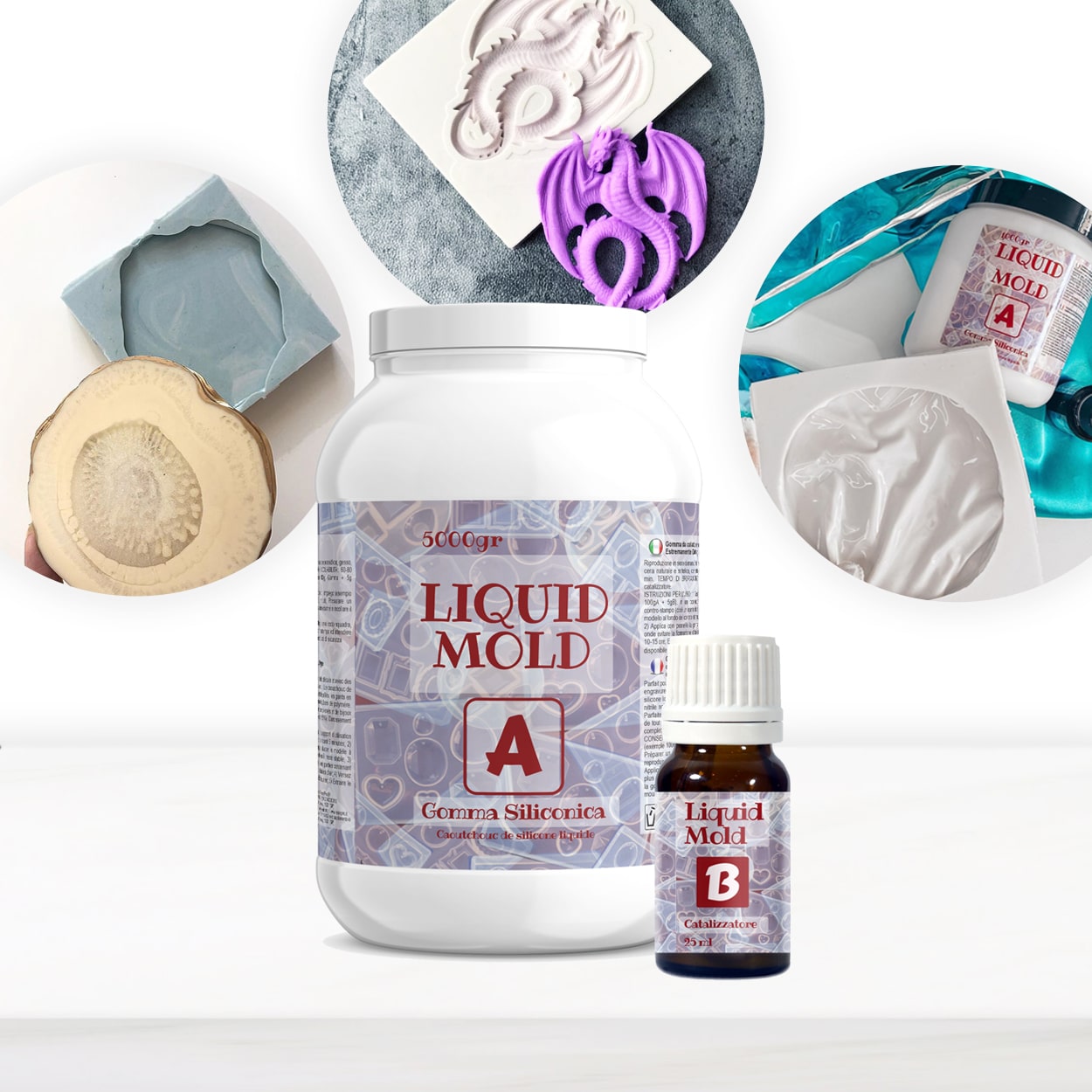
For those projects where maximum detail is key and a longer working window is needed, consider “Liquid Mould” – Casting Liquid Silicone Rubber, 5-40 Shores, Bi-Component A+B and its large-volume variant, “Liquid Mould” – Casting Liquid Silicone Rubber, 15 Shores 20.8 kg. These products are bi-component systems requiring catalyst addition, with typical cure times from 10 to 12 hours. Their formulation allows the silicone to flow into fine details and replicate undercuts, making them excellent for jewellery, small object reproduction, foundry moulds, and intricate decorative pieces. If you value precision and need to cast multiple objects from a single mould, these are reliable options.

Factors Affecting Silicone Cure Time

While product formulations set the fundamental cure windows, actual curing time may vary depending on temperature, humidity, and the thickness of your silicone application. Warmer environments accelerate curing, while cooler or damp conditions may slow it down. Always consult the product’s technical datasheet and allow for extra time if unpredictable conditions exist. Choosing the right silicone for your workflow can help avoid issues such as incomplete curing or tearing when demoulding, especially for large or highly detailed projects.

Expert Advice for Successful Silicone Curing

Achieve the best results by planning for your specific project scale and environment. For rapid tasks, a putty like “I–Gum” – Non-Toxic Silicone Putty for Mould Making is optimal, while complex or high-detail pieces benefit from the precision of liquid silicones such as “Liquid Mould” – Casting Liquid Silicone Rubber, 5-40 Shores, Bi-Component A+B. Balance your working time, climate, and mould size for trouble-free cures.

"Pure Mould" - Translucent Liquid Silicone Rubber for Mould Making

Frequently Asked Questions

What is the fastest curing silicone available?

Silicone putties like I–Gum cure in around two hours. Fast-cure liquids such as Pure Mould set in three to eight hours.

Read the full guide

Does room temperature affect silicone curing time?

Yes, warmer conditions usually accelerate curing, while lower temperatures can cause delays in full set.

Read the full guide

Can I demould silicone before it is fully cured?

Demoulding before full cure can damage the mould or leave tacky areas. Always follow the product's recommended curing time.

Read the full guide

Which silicone is best for detailed moulds?

Bi-component liquid silicones like Liquid Mould capture fine detail and undercuts perfectly.

Read the full guide

Does silicone putty cure faster than liquid silicone?

Yes, silicone putties are generally ready faster, but may not be ideal for large or highly intricate moulds.

Read the full guide

Are all curing times consistent between silicone products?

No, cure times vary from 20 minutes working time to up to 12 hours, depending on the product and conditions.

Read the full guide

Do I need a catalyst for silicone to cure?

Bi-component liquid silicones require mixing with a catalyst to initiate curing. Putty types also require thorough mixing.

Read the full guide

Home
Account
0
£0.00
Favorites
Assistance