 Free shipping on orders over £29,85
  Shipping Tracking!


 Google
 Facebook
How much area can I cover with 3 kg of resin?
Resin coverage for tables, floors, coatings, and outdoor areas explained.


If you’re planning a resin project, one of the first questions to answer is how much area a specific quantity will cover. Whether you’re tackling a river table, coating a kitchen countertop, sealing a floor, or creating a permeable outdoor surface, understanding resin yield is essential for budgeting and flawless results. This page is for artists, DIYers, and professionals looking to compare product coverage and choose the right resin for their needs.
Coverage Rates: Comparing Resin Types and Applications
Resin coverage depends on the product type, application method, layer thickness, and the porosity of the surface. For example, 3 kg of resin might cover a modest tabletop at 1 mm thick, but significantly less if poured to 2 cm for river tables. Floor primers and outdoor kits will yield different results due to their intended purpose and composition. Below, we break down the essential coverage metrics:
- General coatings (1 mm layer): Many resins list material consumption in kg/m² at this thickness. Typically, 1.2 kg coats 1 m² at 1 mm for glossy coatings.
- Primers: Consumption ranges widely (100–300 g/m²), so 3 kg can cover between 10 and 30 m², depending on the substrate.
- Moulded or thick applications: For river tables or embedded objects, expect 3 kg to cover much less area due to thicker pours.
- Outdoor permeable floors: Resin is mixed with pebbles—coverage is dictated by the mix ratio in the kit.
Using the figures from each product below, you can accurately estimate how far your 3 kg of resin will go in your project.

Visualising Resin Coverage
Understanding how much area your resin can cover is often easier with visuals. See typical results and finished projects using different resin thicknesses and application styles. From high-gloss tabletops to seamless floors, images help make sense of the technical coverage data. Explore our Multipurpose Epoxy Resins or complete kits for design inspiration aligned with your project goals.
“Heat Pro” – Flexible Heat-Resistant Glossy Coating
The “Heat Pro” – Flexible Heat-Resistant Glossy Coating is ideal for small to medium epoxy resin projects such as coasters, trays, and frames. Its flexible polyurethane formula provides a mirror-like, glossy finish that withstands surface temperatures up to 200°C. For a 1 mm layer, material consumption is approximately 1.2 kg per 1 m². This means 3 kg will cover about 2.5 m² at 1 mm thickness. However, the recommended total surface per kit is up to 0.5 m² for optimal results, making this best for detailed coatings or decorative items where heat and scratch resistance are priorities. Be sure to consider the recommended thickness and intended usage for best results.
“Epoxyprimer” – Universal Water-Based Two-Component Epoxy Floor Primer
“Epoxyprimer” – Universal Water-Based Two-Component Epoxy Floor Primer is designed as a preparatory layer for epoxy resin floor systems on surfaces such as concrete, tiles, and timber. Its consumption varies by the porosity of your surface, ranging from 100 to 300 g/m². With 3 kg, you could cover anywhere from 10 to 30 m²: closer to 30 m² on very smooth or low-porosity surfaces, and nearer 10 m² on rougher, more absorbent bases. Using a primer ensures maximum adhesion and durability of your floor system and is highly recommended before any further resin layers or decorative finishes.
“River-Table” – Complete Kit for Creating Your First Epoxy Resin Table
The “River-Table” – Complete Kit for Creating Your First Epoxy Resin Table bundles everything you need for a classic wood and resin table, including resin, sealant, pigments, and detailed instructions. With typical mould thicknesses of 2–5 cm per pour, the area covered by 3 kg will be substantially less. For example, at 2 cm deep, 3 kg covers roughly 0.15 m² (calculated via: area = weight / (thickness × density), assuming a density of about 1.1–1.2 kg/litre). The kit quantities are closely matched to a beginner’s project of approximately 0.5 m² per kit at a 2 cm resin layer, ideal for first-timers wanting a straightforward way to plan their materials.
“Flowstone” – Complete Permeable Floor Kit with Pebbles and Resin
For outdoor projects, the “Flowstone” – Complete Permeable Floor Kit with Pebbles and Resin uses a precise formula combining non-yellowing polyurethane or low-yellowing epoxy with decorative pebbles. Resin yield in these kits is based on the proportional mixing instructions—to cover, for example, 1 m² at a standard layer with the supplied aggregates, check the detailed guidance included in each kit. While a stand-alone 3 kg of resin is rarely used outside the kit context for these systems, following the instructions ensures proper drainage, durability, and appearance for your driveways, footpaths, or patios.
Tips for Accurate Resin Coverage Calculation
To avoid shortages or excess, always factor in the intended layer thickness, substrate type, and possible absorption or loss in the application process. For flat or low-porosity surfaces, you can typically achieve greater coverage per kg. Rough textures, absorbing woods, or high-build formats (e.g., embedded objects in resin) will consume more material. It is wise to add 10–15% extra to your estimates to cover edges, drips, and touch-ups, especially for decorative or artistic usage. Refer to each ResinPro product’s detailed instructions for optimal mixing, pouring, and curing conditions to get the most professional results from your chosen kit or formula.
Advice for Getting the Most from Your Resin
Accurate measuring and mixing are crucial to maximise coverage and prevent waste. Use flat, sealed surfaces to minimise absorption, and maintain the recommended temperature for optimal flow and curing. Consult the application guide for each ResinPro product, and don’t hesitate to reach out for personalised advice based on your project type.

- "Heat Pro" – Flexible Heat-Resistant Glossy CoatingPrice range: £26.45 through £185.45"Heat Pro" is a flexible polyurethane resin designed for epoxy projects, providing heat resistance and a glossy finish suitable for small to medium…
 "Epoxyprimer" – Universal Water-Based Two-Component Epoxy Floor PrimerPrice range: £156.45 through £286.45Epoxyprimer is a water-based two-component epoxy floor primer designed for reliable adhesion on various surfaces with simple application.
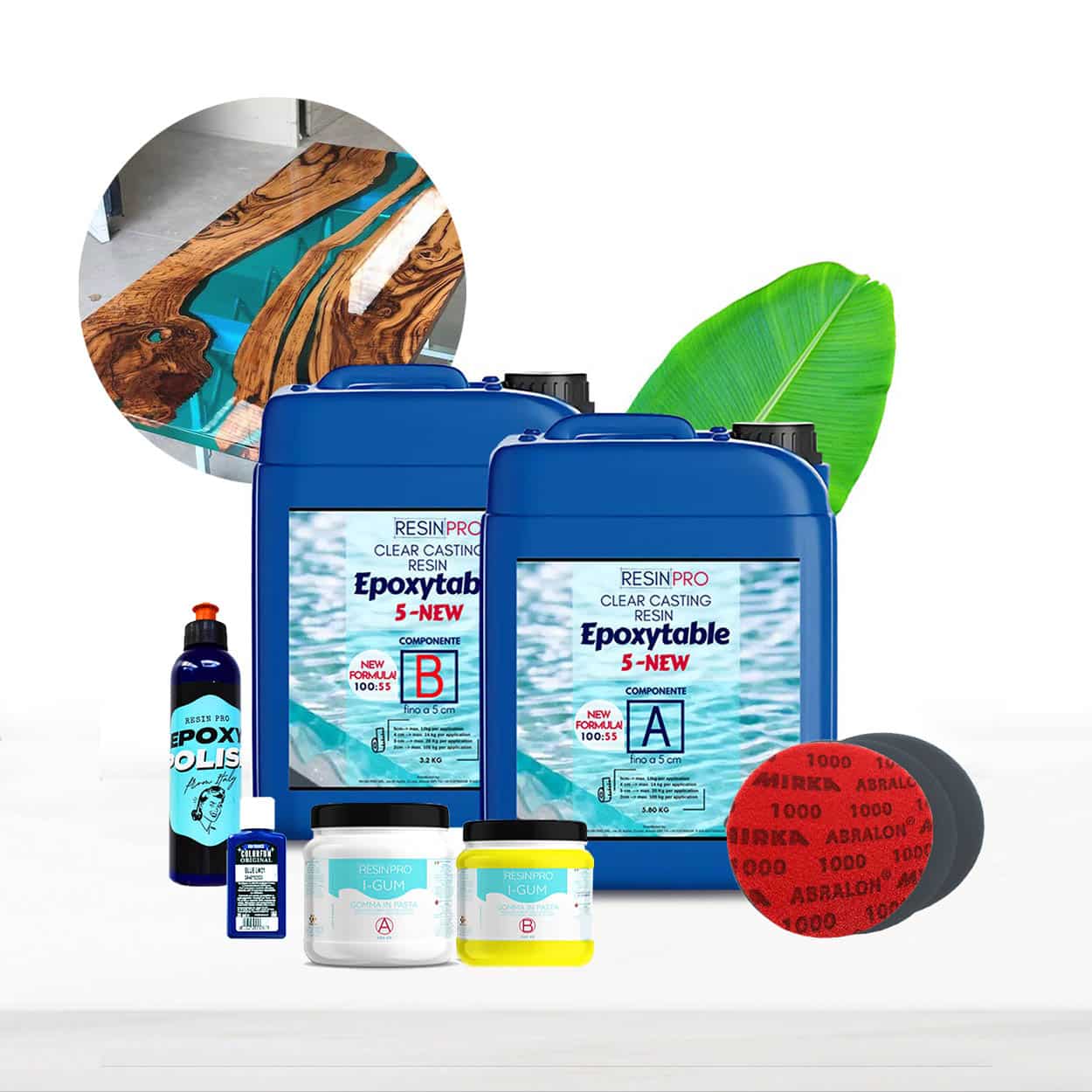 "River-Table" – Complete Kit for Creating Your First Epoxy Resin TablePrice range: £198.45 through £467.45"River-Table" Complete Kit includes resin, sealant, pigments and polishing materials with instructions for creating a wood and resin table.
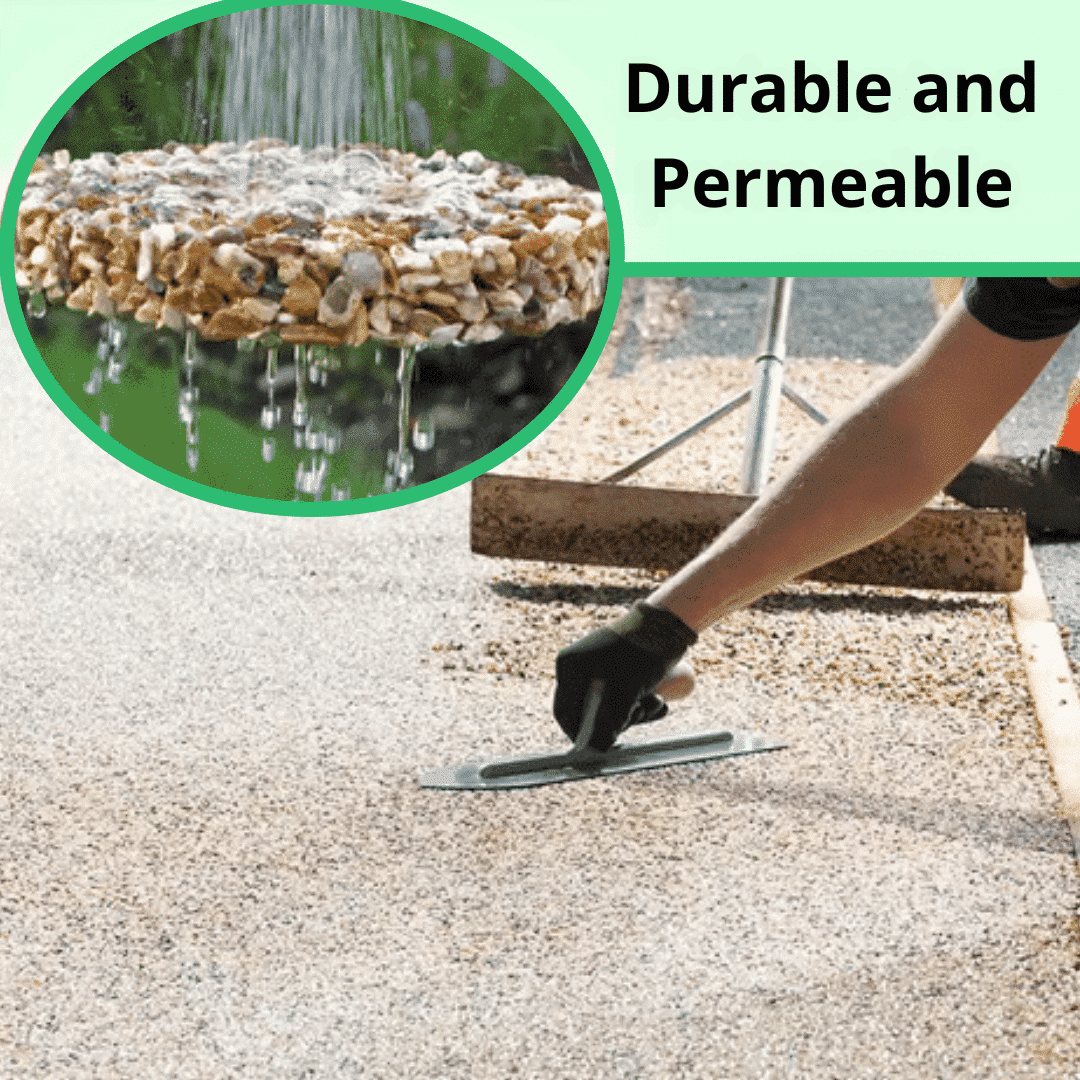 "Flowstone" – Complete Permeable Floor Kit with Pebbles and ResinPrice range: £49.95 through £3,915.45The Flowstone kit offers a permeable pebble and resin floor system designed for UK outdoor areas with easy application and colour guidance.
Frequently Asked Questions
How much area does 3 kg of resin cover on a surface?
Coverage depends on thickness: at 1 mm, 3 kg covers about 2.5 m². Thicker layers reduce coverage considerably.
What project types can 3 kg of resin complete?
3 kg suffices for small tables, trays, art, or as a primer for large floors. Large, deep pours require more material.
How much floor can 3 kg of primer cover?
Depending on absorption, 3 kg covers 10–30 m² as a floor primer. High-absorption surfaces use more primer.
Is 3 kg enough for outdoor permeable floors?
Resin for permeable floors is mixed with aggregates. Individual kits provide precise ratios for the area given—3 kg is a guide, not a set yield.
How do I calculate resin coverage for my project?
Multiply the intended area by layer thickness and resin density (about 1.1 kg/litre) to estimate total resin needed for your application.
Does epoxy or polyurethane resin cover more area?
Area coverage is similar for most epoxy and polyurethane systems at the same thickness. Surface prep and porosity have a greater effect.
Is 3 kg enough for my DIY countertop or artwork?
3 kg is sufficient for most small to medium DIY projects like coasters or countertops, provided the coating is under 1–2 mm thick.