 Free shipping on orders over £29,85
  Shipping Tracking!


 Google
 Facebook
How to apply resin on concrete?
Step-by-step guide for effective concrete resin applications
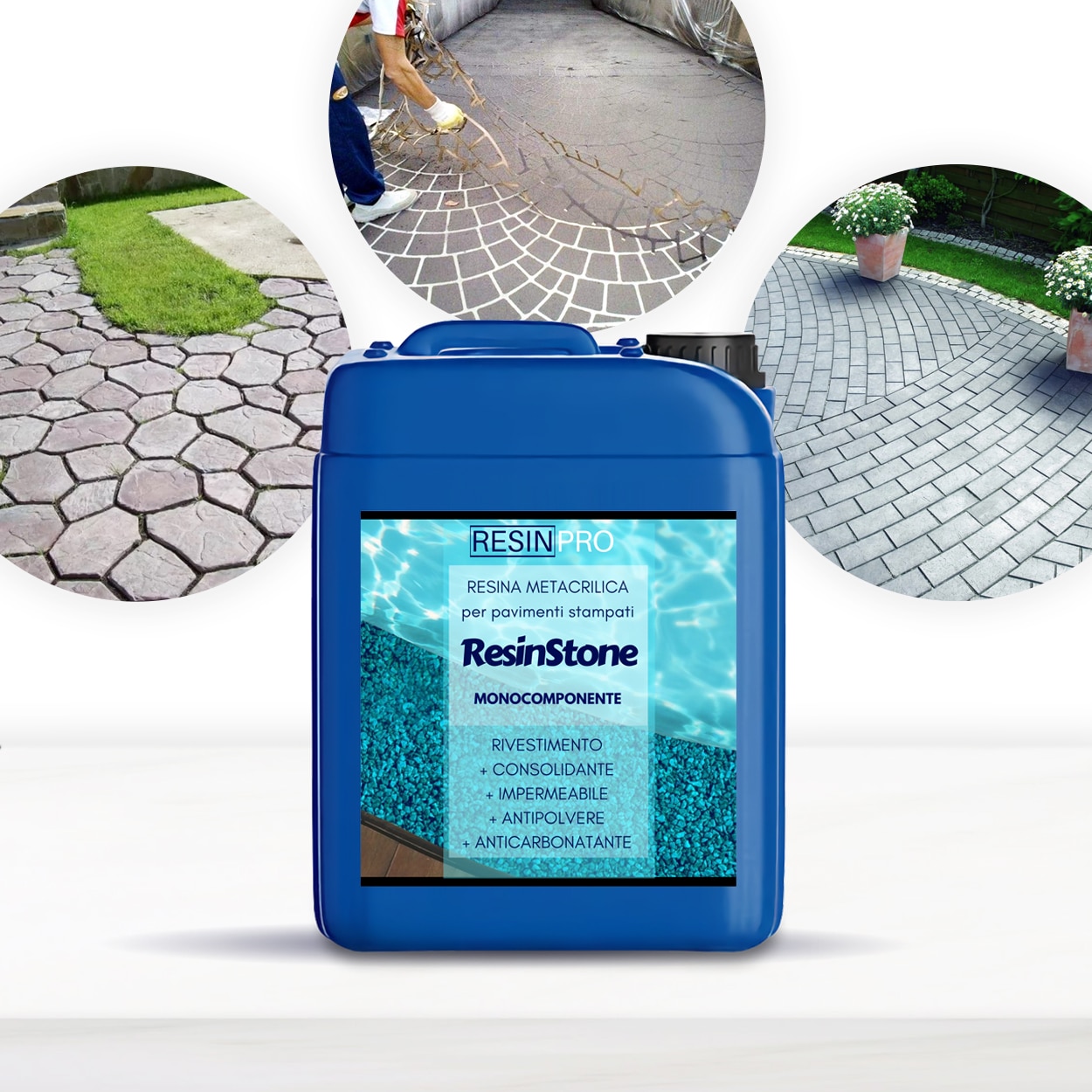

Applying resin to concrete brings superior durability, waterproofing, and beautiful finishes to floors, driveways, and decorative surfaces. Whether you want to protect a garage floor from chemicals or create a slip-resistant outdoor path, a resin coating transforms basic concrete into a robust, attractive surface. This guide takes you through each essential step to guarantee excellent results for both functional and aesthetic projects.
What You’ll Need
- “Resinstone” – One-Component Methacrylic Resin for Concrete Floors and Driveways: For durable, moisture-resistant sealing and protection.
- “Epoxyprimer” – Universal Water-Based Two-Component Epoxy Floor Primer: For priming and maximising resin adhesion to concrete.
- “Trasparente” – Epoxy Binder for Coloured Pebbles and Grits: For decorative applications with coloured grits or pebbles on concrete.
- Protective gloves, dust mask, safety goggles
- Roller, brush, or spatula for application
- Cleaning solvents or detergent
- Fine sanding block (optional)

Protective Equipment and Workspace Preparation
Always use safety gear when working with resins: gloves, goggles, and a dust mask will protect against fumes and skin irritation. Prepare a well-ventilated workspace and cover surrounding surfaces to avoid drips or accidental spills.
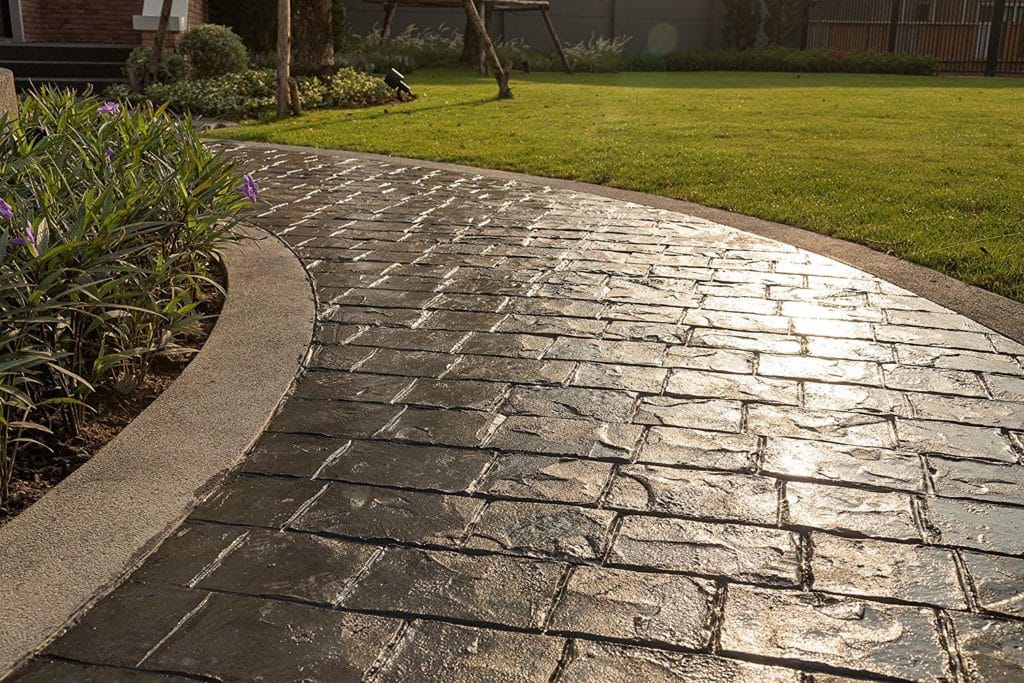
Step 1: Prepare the Concrete Surface
Thorough preparation is key to resin success. Start by cleaning the concrete with a broom and vacuum to remove dust, grease, and debris. Treat oil spots with detergent and rinse thoroughly, allowing the surface to dry completely. For old, polished, or highly dense concrete, lightly sand or mechanically abrade the surface to enhance absorption. Ensure any surface repairs—such as filling cracks—are dry and completely set before proceeding. Avoid applying resin to damp or cold concrete, as trapped moisture weakens adhesion.
Step 2: Apply a Primer for Strong Bonding
For many projects, especially in high-traffic or demanding environments, priming is essential to ensure maximum resin adhesion and durability. Use a suitable primer such as the “Epoxyprimer” – Universal Water-Based Two-Component Epoxy Floor Primer to treat the concrete. Mix according to instructions (typically a 100:40 ratio), then apply evenly with a roller, brush, or spatula. Allow the primer to cure for 24–48 hours at room temperature before proceeding to resin application. Priming reduces the risk of bubbles and guarantees a stable base for subsequent layers.
Step 3: Apply Your Chosen Concrete Resin
When the surface is clean, dry, and primed, it is ready for resin coating. For protection and sealing, a product such as “Resinstone” – One-Component Methacrylic Resin for Concrete Floors and Driveways can be applied straight from the container with a roller or brush. Spread a uniform coat to achieve even penetration and coverage. For decorative surfaces using pebbles or coloured grits, thoroughly mix stones with “Trasparente” – Epoxy Binder for Coloured Pebbles and Grits before laying the blend on concrete.
Allow for proper curing as directed—typically 10–12 hours for walkable use, but always check product-specific times. Avoid exposing the fresh coating to water or heavy traffic before full cure.
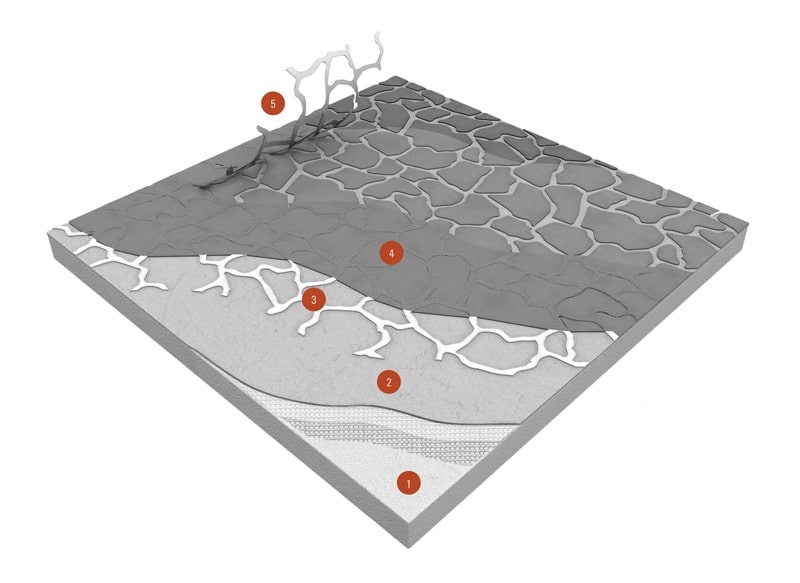
Step 4: Finishing and Maintenance
Once the resin has cured, assess the finish for uniformity and trapped bubbles. If needed, lightly sand to smooth out minor imperfections and remove dust before cleaning the surface with a damp cloth. Keep the resin-topped surface free of abrasive chemicals and maintain regularly by sweeping away debris, which will extend both appearance and function.
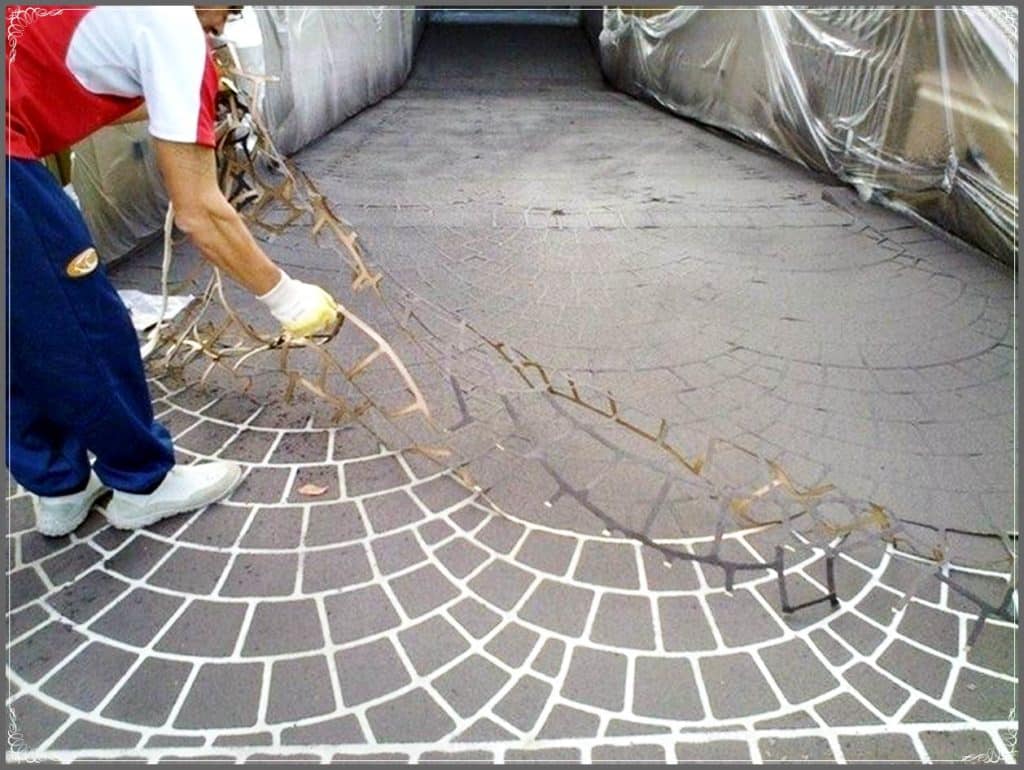
Tips and Common Mistakes When Applying Resin to Concrete
Cleanliness is crucial. Even small dust particles or damp spots can mar the finish or weaken adhesion. Always follow container mixing and curing instructions without deviation. Avoid over-applying resin or creating too thick a coat, as this can lead to uneven curing or surface defects. For outdoor projects, never apply resin to hot or sun-heated concrete—choose a cool day with low humidity instead.
If working with decorative resin and stones, ensure that all aggregates are dry, and the mixture is thoroughly blended before spreading. Test in a small, inconspicuous area first if unsure about final appearance or compatibility.
Checking Your Concrete Resin Results
Patience pays off with resin curing. After the final layer, wait the recommended time before exposing the surface to water or load. Proper curing ensures strong, durable results that stand the test of time on any concrete surface.
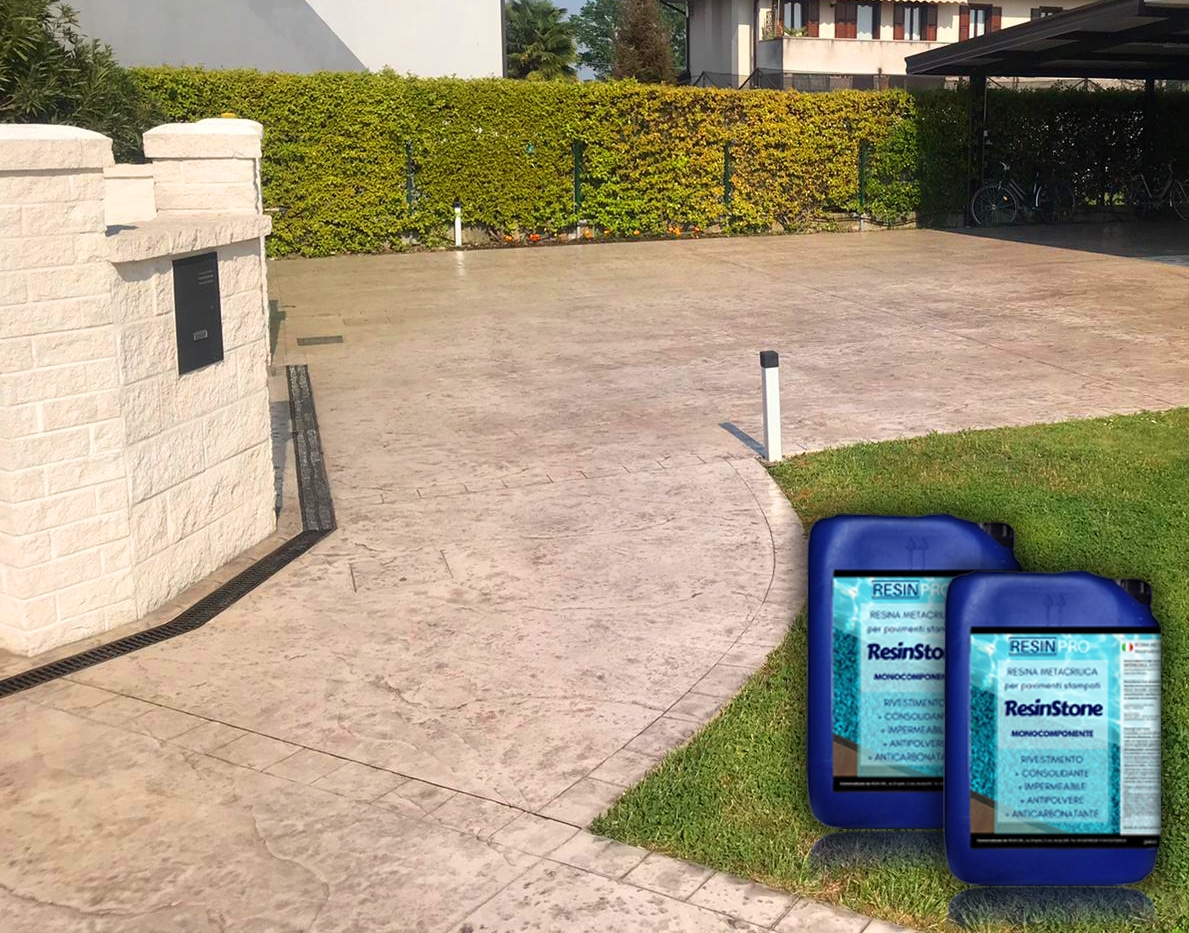
- "Resinstone" – One-Component Methacrylic Resin for Concrete Floors and DrivewaysPrice range: £29.85 through £59.85RESINSTONE is a one-component methacrylic resin designed for sealing and protecting concrete floors and driveways with durable, breathable protection.
 "Epoxyprimer" – Universal Water-Based Two-Component Epoxy Floor PrimerPrice range: £148.84 through £272.45"Epoxyprimer" is a water-based two-component epoxy floor primer designed for consistent adhesion suitable for various substrates including concrete…
 "Trasparente" – Epoxy Binder for Coloured Pebbles and GritsPrice range: £31.85 through £948.85"Trasparente" epoxy binder delivers a clear, UV-stable finish for coloured pebbles and grits, suited for projects on concrete and permeable floors.
Frequently Asked Questions
How should I prepare concrete before applying resin?
Clean thoroughly, remove grease or dust, and repair any cracks or holes. Allow to dry fully before priming.
Do I need a primer before applying resin to concrete?
A primer improves adhesion and prevents bubbles or peeling, especially for high-traffic areas or decorative applications.
Which type of resin is best for a driveway or outdoor path?
Choose a UV-resistant resin formulated for concrete surfaces, such as methacrylic or epoxy binders designed for outdoor use.
How long does resin take to cure on concrete?
Most resins become walkable in 10–12 hours, but allow up to 48 hours for full strength before heavy use.
Which tools are best for applying resin to concrete?
Use a roller, brush, or spatula for even coverage, and wear appropriate protective equipment at all times.
How do I avoid bubbles or surface flaws when applying resin?
Apply resin to a primed, dust-free, and dry surface. Avoid overworking the resin and follow all product instructions closely.