 Free shipping on orders over £29,85
  Shipping Tracking!


 Google
 Facebook
How to apply resin to the floor in liloleon?
Step-by-step flooring transformation for a stylish resin finish

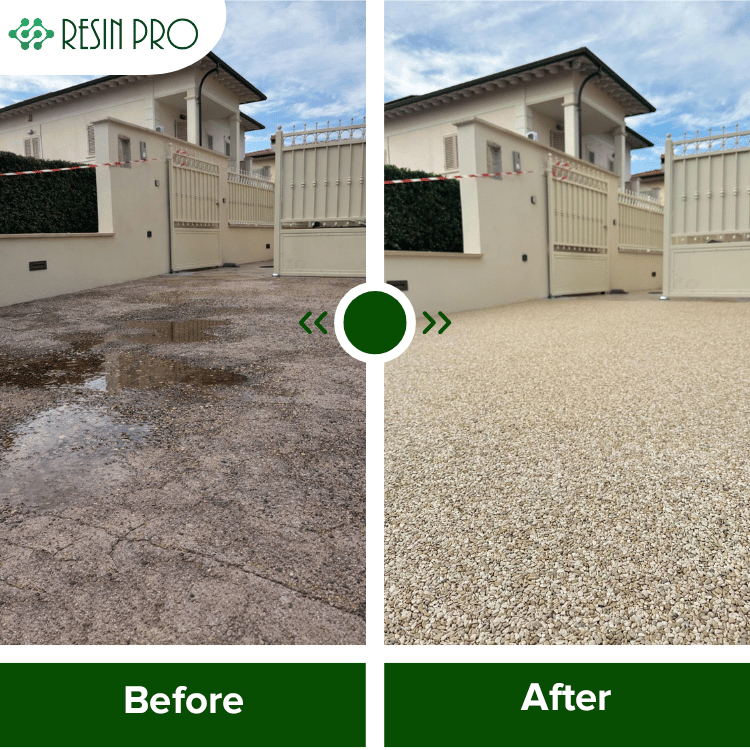
Transforming your space with a resin floor in liloleon offers a modern, seamless finish suitable for both new projects and refurbishments. This guide takes you through the essential steps of preparing, priming, and applying resin so you can create a durable and visually appealing surface, whether you’re a first-timer or improving your technique. Attention to detail at each stage is key to achieving lasting results and a flawless appearance.
What You’ll Need
- “Epoxyprimer” – Universal Water-Based Two-Component Epoxy Floor Primer — forms a secure base for resin adhesion on stable surfaces
- “Flowstone” – Complete Permeable Floor Kit with Pebbles and Resin — contains aggregates and suitable resin for permeable decorative floors
- “Trasparente” – Epoxy Binder for Coloured Pebbles and Grits — transparent binder for coloured stone designs or vibrant finishes
- “Polirock” – Polyurethane Binder for White Stones, 2kg Two-Component Kit — ideal for white stones, providing a clear, durable seal
- Roller, brush, or spatula for primer and resin application
- Protective gloves and mask
- Mixing buckets and stirrer
- Painter’s tape and plastic sheeting for masking
- Cleaning supplies (vacuum, mop, degreaser)

Tools and Safety for Liloleon Resin Flooring
Make sure to prepare all necessary tools, mixing containers, and protective gear before starting. Setting out your work area with proper ventilation and protection helps ensure a smooth workflow and reduces safety risks.
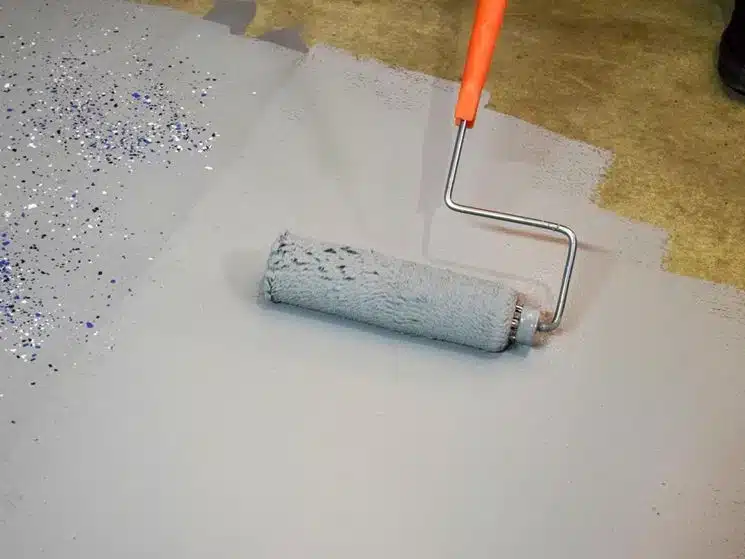
Step 1: Prepare and Clean the Substrate
Good results start with a flawless base. Ensure the surface is clean, dry, and level, removing any dust, grease, oil, or previous finishes. Use a vacuum to extract loose debris and a mild degreasing solution if needed. Any cracks or holes should be repaired using a suitable filler, as uneven or damaged substrates can lead to future delamination or imperfections in your resin layer. Allow the substrate to dry fully.
Step 2: Prime for Maximum Adhesion
Once the surface is prepped, apply a high-quality primer to enhance adhesion between the substrate and your resin system. For most substrates in liloleon, “Epoxyprimer” – Universal Water-Based Two-Component Epoxy Floor Primer is recommended due to its versatility across concrete, timber, screed, and tiles. Mix the two components according to instructions and spread evenly using a roller, brush, or spatula. Take care not to create puddles or miss any sections. Allow the primer to cure for 24–48 hours at room temperature before moving to the next stage.
Step 3: Mix and Apply the Resin System
Once the primer has cured, you are ready to mix and apply your chosen resin system. Select your binder based on the aggregate colour and desired effect: use “Trasparente” – Epoxy Binder for Coloured Pebbles and Grits for coloured or dark stone designs, or “Polirock” – Polyurethane Binder for White Stones, 2kg Two-Component Kit with white aggregates for a clear, no-yellowing finish. Mix the resin thoroughly as specified, then combine with your chosen aggregates. Ensure that all stones are uniformly coated for stability. Pour and distribute the mixture onto the primed surface, working section by section and smoothing with a trowel for an even, cohesive finish. Attention to detail at this point prevents voids and ensures a robust, attractive outcome.
Step 4: Allow for Proper Curing and Light Use
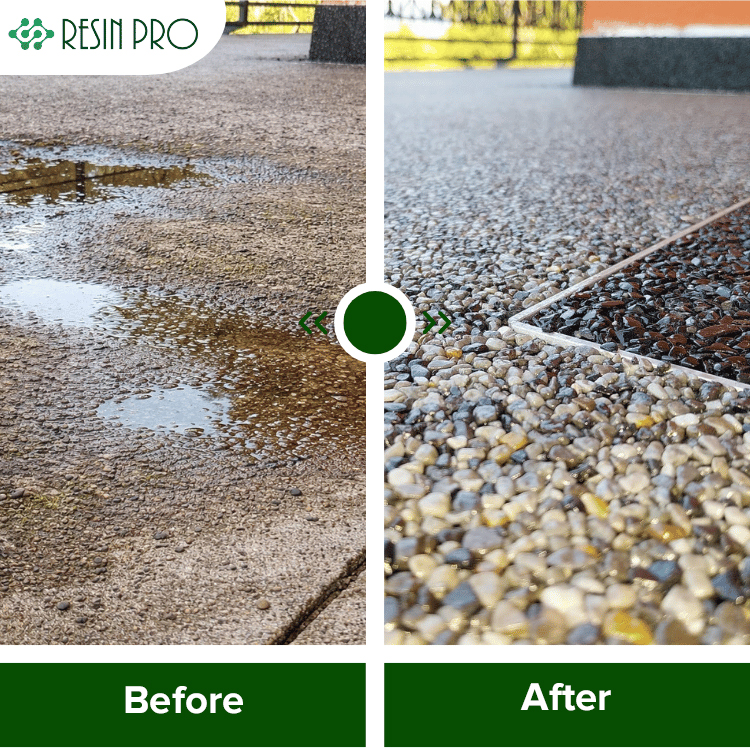
After installation, it’s vital to let the resin floor cure undisturbed. Minimum walk-on time is typically 10 hours for most binder and aggregate systems, but always allow a full cure period of up to 24 or 48 hours as provided in product instructions. During this period keep the area free from foot traffic, heavy loads, and moisture. Do not rush the curing stage; optimal performance and durability depend on this crucial final step.
Tips and Common Mistakes
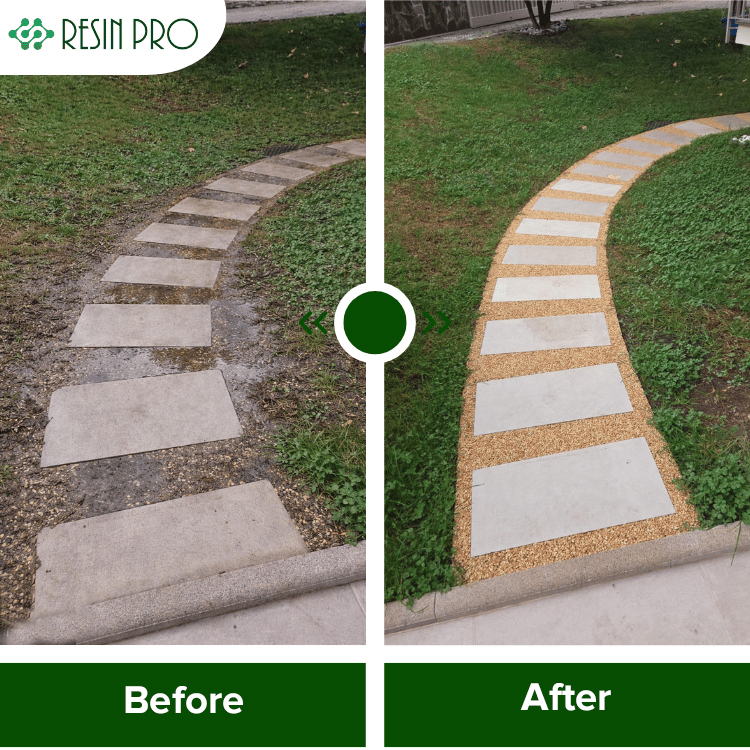
- Always follow the manufacturer’s instructions for mixing ratios, application method, and environmental conditions.
- Control temperature and humidity during application for best curing—avoid very low or high temperatures or very humid days.
- Use the correct resin system for white or coloured stones to prevent unwanted yellowing or colour change.
- Take care with edge masking to maintain neat boundaries and avoid resin run-off onto undesired areas.
- Work methodically and do not mix more resin than can be applied within its pot life.
Application Insights for a Flawless Resin Floor
Patience yields superior results—each step impacts the overall finish and durability. If unsure about mixing or weather conditions, consult a professional or refer to detailed guidelines on the ResinPro website.

- "Epoxyprimer" – Universal Water-Based Two-Component Epoxy Floor PrimerPrice range: £148.84 through £272.45"Epoxyprimer" is a water-based epoxy floor primer, designed for versatile use on concrete, tiles, screeds, and timber with simple application methods.
- "Flowstone" – Complete Permeable Floor Kit with Pebbles and ResinPrice range: £42.85 through £3,389.85"Flowstone" kit offers a durable, permeable pebble and resin option with customisable finish and guidance for application in outdoor UK spaces.
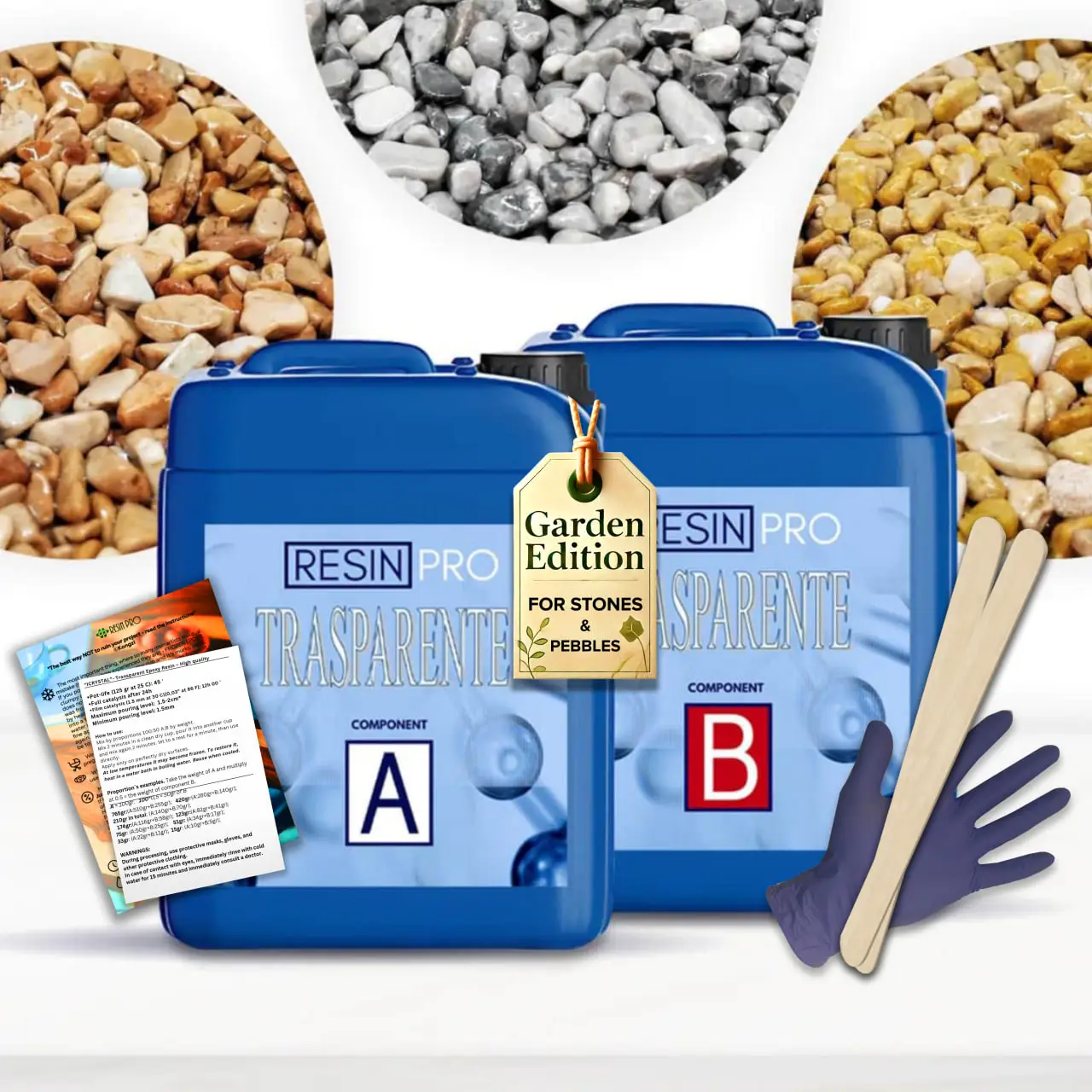 "Trasparente" – Epoxy Binder for Coloured Pebbles and GritsPrice range: £31.85 through £948.85"Trasparente" is a transparent epoxy binder designed for coloured pebbles and grits with a clear, bubble-free finish and UV stability.
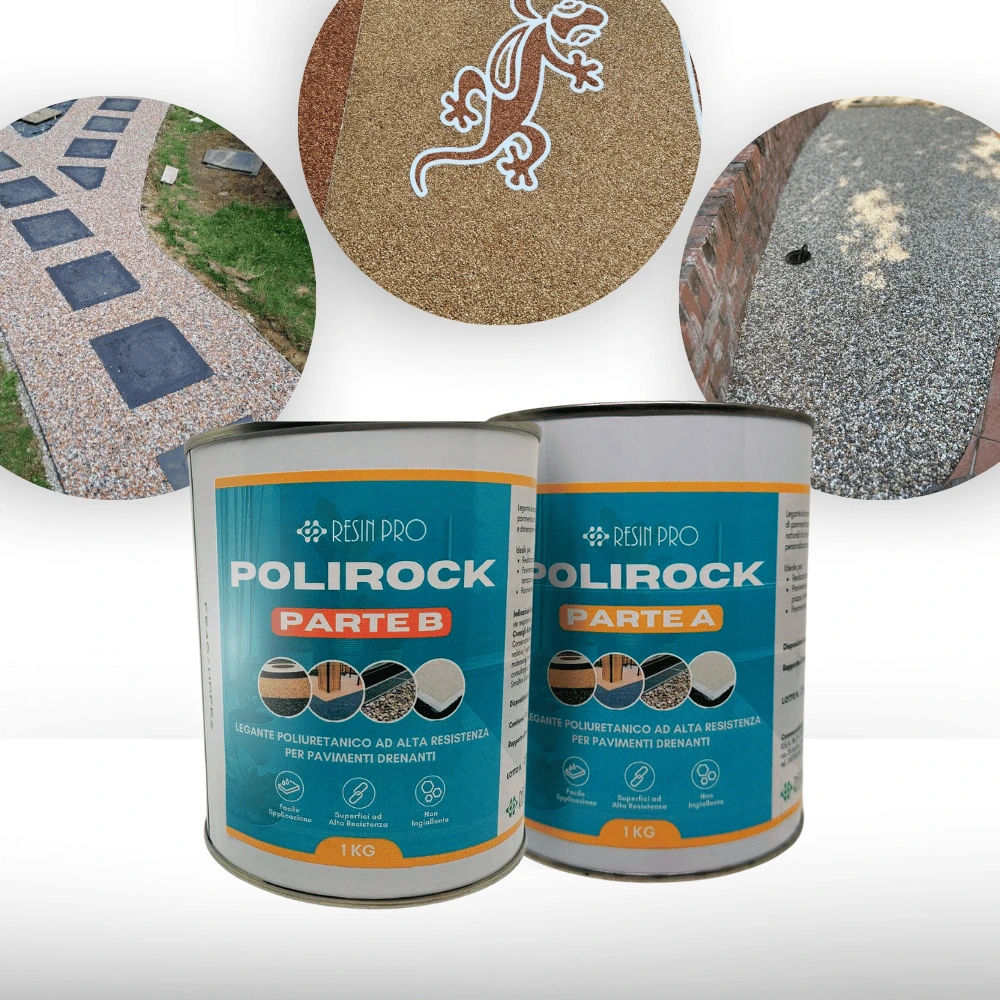 "Polirock" – Polyurethane Binder for White Stones, 2kg Two-Component Kit£58.85"Polirock" is a two-component polyurethane binder designed for creating durable and clear outdoor stone surfaces with a no-yellowing finish.
Frequently Asked Questions
How should I prepare my floor before applying resin in liloleon?
Clean, dry, and level the surface thoroughly. Remove all debris and repair any cracks before priming.
Which primer is best for resin flooring in liloleon?
"Epoxyprimer" – Universal Water-Based Two-Component Epoxy Floor Primer is versatile for stable indoor surfaces like concrete, screed, timber, or tiles.
How long does a resin floor in liloleon take to cure?
Allow at least 24 to 48 hours for full curing. Foot traffic is possible after around 10 hours for most systems.
Which resin should I use for white versus coloured stone floors?
Use "Polirock" for white stones to avoid yellowing, and "Trasparente" for coloured or dark aggregates for transparency and UV stability.
What are the best weather conditions for resin application?
Apply resin in mild, dry conditions. Avoid days with high humidity or temperature extremes for the best curing and finish.