 Free shipping on orders over £29,85
  Shipping Tracking!


 Google
 Facebook
How to apply resin to the terrace waterproofing membrane?
A practical guide to achieving waterproof, decorative terrace floors

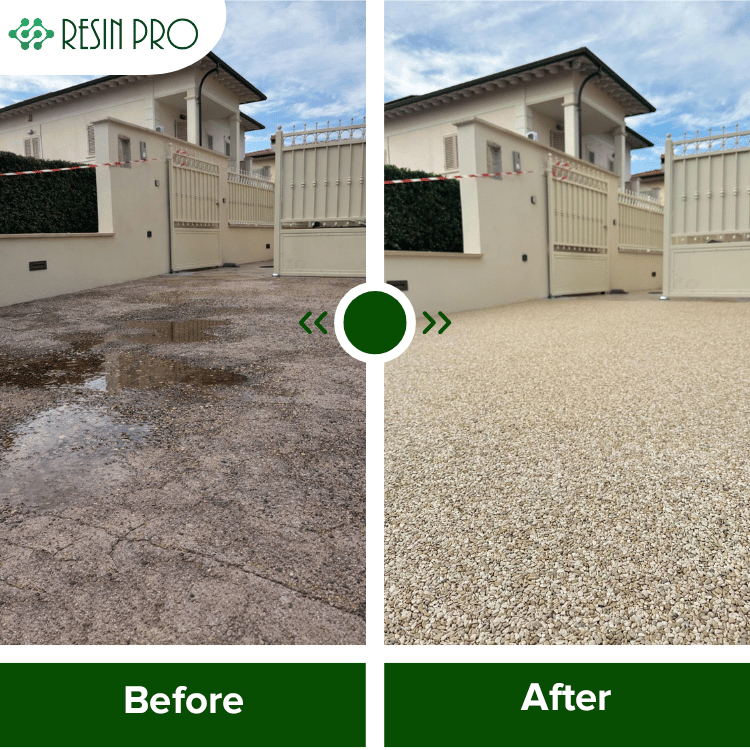
Properly applying resin over your terrace’s waterproofing membrane is essential for creating a long-lasting, water-resistant, and visually appealing surface. This comprehensive guide is designed for homeowners and professionals seeking to blend practical waterproofing with modern decorative finishes, ensuring durability and seamless protection against the British weather.
What You’ll Need
- “Epoxyprimer” – Universal Water-Based Two-Component Epoxy Floor Primer: Provides strong adhesion between membrane and resin layers.
- “Flowstone” – Complete Permeable Floor Kit with Pebbles and Resin, “Polirock” – Polyurethane Binder for White Stones, 2kg Two-Component Kit or “Trasparente” – Epoxy Binder for Coloured Pebbles and Grits: Choose depending on the desired appearance, stone type, and performance (see specific colour/aggregate guidance).
- Clean gloves, mixing buckets, and suitable application tools (roller, trowel, spatula).
Essential Tools and Surface Preparation
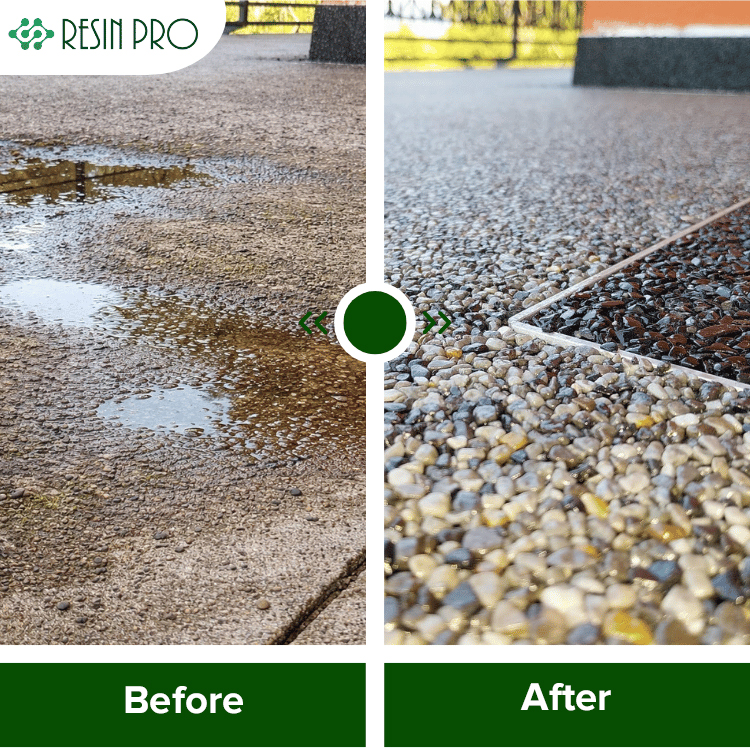
Superior adhesion starts with a spotless, stable membrane and proper priming. Gather your gloves, mixing buckets, and select appropriate primers and binders for either white or coloured aggregate finishes. Ensure your terrace is dry and weather conditions are stable before beginning application.
Step 1: Inspect and Prepare the Terrace Membrane
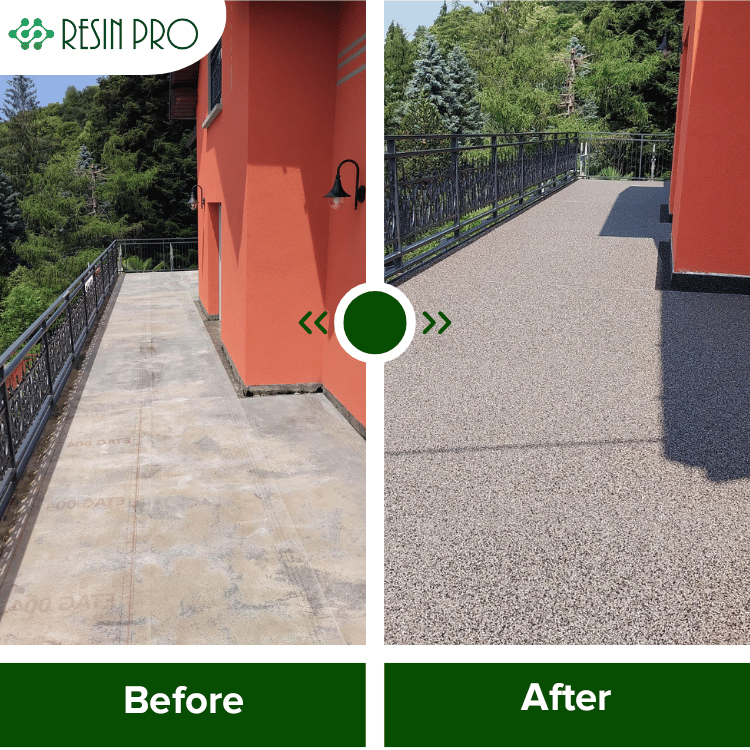
Start by thoroughly inspecting your terrace’s waterproof membrane for any damage, moisture, or signs of poor adhesion. The surface must be dry, stable, and free from dust, oil, loose material, or standing water. Minor imperfections should be patched and smoothed out—any cracks, blisters, or compromised areas may lead to adhesion failure. Allow all repairs to cure fully prior to proceeding, and avoid application during or immediately after rain.
Step 2: Apply the Floor Primer
After surface preparation is complete, the next crucial step is priming. Applying a dedicated primer layer over the clean waterproofing membrane promotes optimal resin adhesion and long-term performance. Use a roller or brush to evenly spread the “Epoxyprimer” – Universal Water-Based Two-Component Epoxy Floor Primer across the surface, ensuring all areas are covered without puddling.
Allow the primer to cure fully—typically 24–48 hours, depending on ambient conditions. This curing period is vital for reliable resin bonding. Avoid heavy foot traffic or moisture until the primer sets completely.
Step 3: Mix and Apply the Resin System
Once the primer has cured, you are ready to mix your chosen resin system. Carefully follow the product’s mixing ratios and instructions to achieve a uniform blend. For white or light stone finishes, use “Polirock” – Polyurethane Binder for White Stones, 2kg Two-Component Kit to ensure non-yellowing clarity; for coloured aggregate, use “Trasparente” – Epoxy Binder for Coloured Pebbles and Grits, or opt for the all-in-one “Flowstone” – Complete Permeable Floor Kit with Pebbles and Resin for streamlined installation.
Combine resin and stones thoroughly in a clean mixing bucket, then evenly distribute the mixture across the terrace using a trowel or spatula. Work promptly to prevent premature setting. Compact the mix gently to achieve a consistent depth and texture, and edge carefully for a refined finish. Pay particular attention to upstands, joints, and drains to prevent future water ingress.

Step 4: Curing and Final Inspection
Leave the freshly applied surface undisturbed for the full recommended curing period—usually at least 10 to 24 hours before light traffic, longer before returning outdoor furniture. Protect the area from rain, dust, and extreme temperatures during this phase to prevent blemishes or compromised strength. Conduct a final inspection for evenness, edge integrity, and adhesion; address any touch-ups as needed after the surface is cure-dry.

Tips, Common Mistakes, and Troubleshooting
Always check weather conditions before beginning—humidity and temperature extremes can impair resin setting and bonding. Incomplete surface preparation or missed primer spots typically cause delamination or poor durability. When mixing, avoid under-blending, which may result in patchy or weak areas. If any surface defects appear after curing, lightly sand and refill with the appropriate resin/aggregate mix. Patience during each curing stage greatly improves long-term performance and appearance.
Success Stories and Visual Inspiration
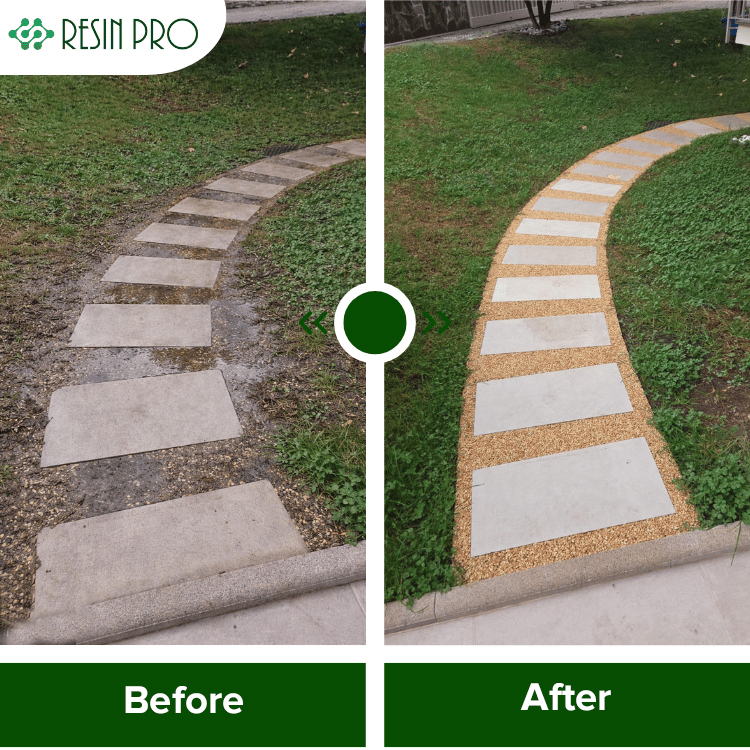
See how homeowners have revitalised their terraces using resin-based systems by combining Eco-friendly & odourless primers and Customisable finish binders. View examples of Weather-Resistant and No Yellowing surfaces that provide both beauty and reliable waterproofing.
- "Flowstone" – Complete Permeable Floor Kit with Pebbles and ResinPrice range: £42.85 through £3,389.85"Flowstone" is a permeable pebble and resin floor kit designed for outdoor spaces with simple application guidance.
- "Epoxyprimer" – Universal Water-Based Two-Component Epoxy Floor PrimerPrice range: £148.84 through £272.45"Epoxyprimer" is a water-based two-component epoxy floor primer designed for reliable adhesion on various substrates, suited for the terrace…
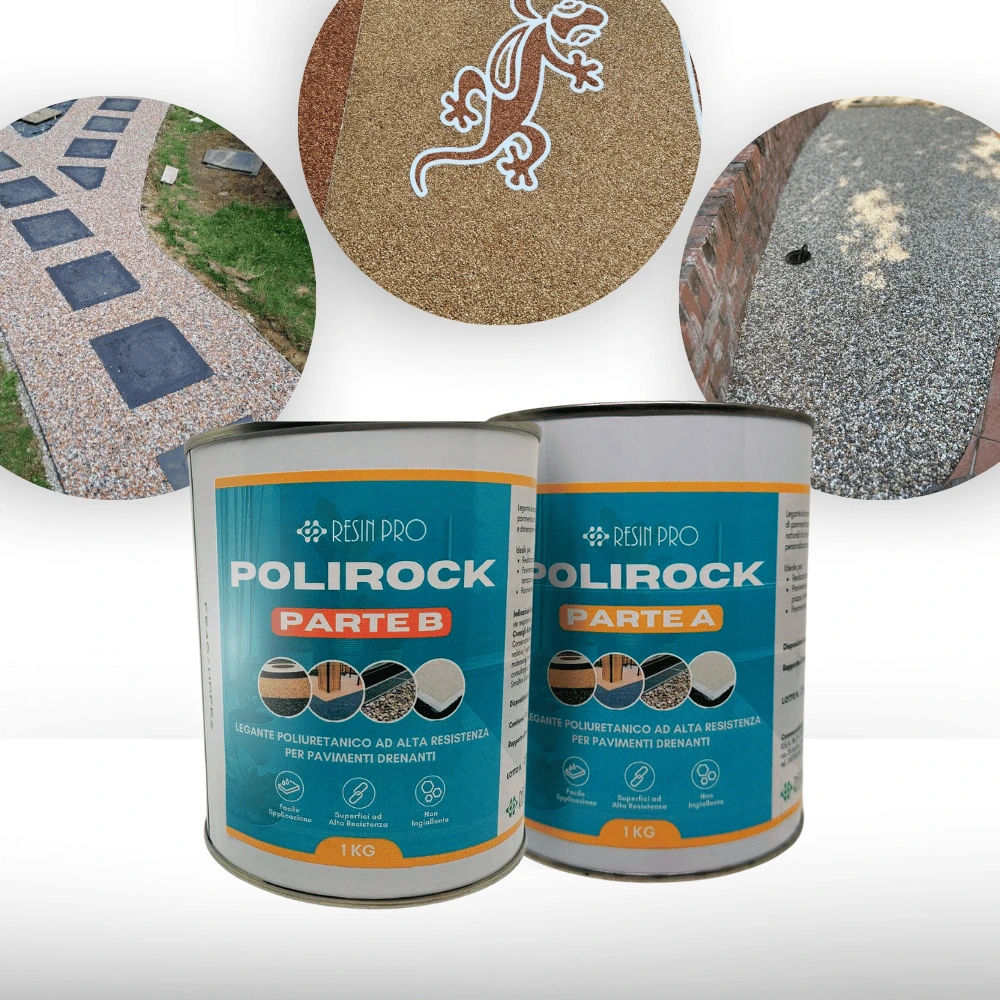 "Polirock" – Polyurethane Binder for White Stones, 2kg Two-Component Kit£58.85Polyurethane binder suitable for creating decorative and permeable outdoor stone surfaces using white stones with lasting durability.
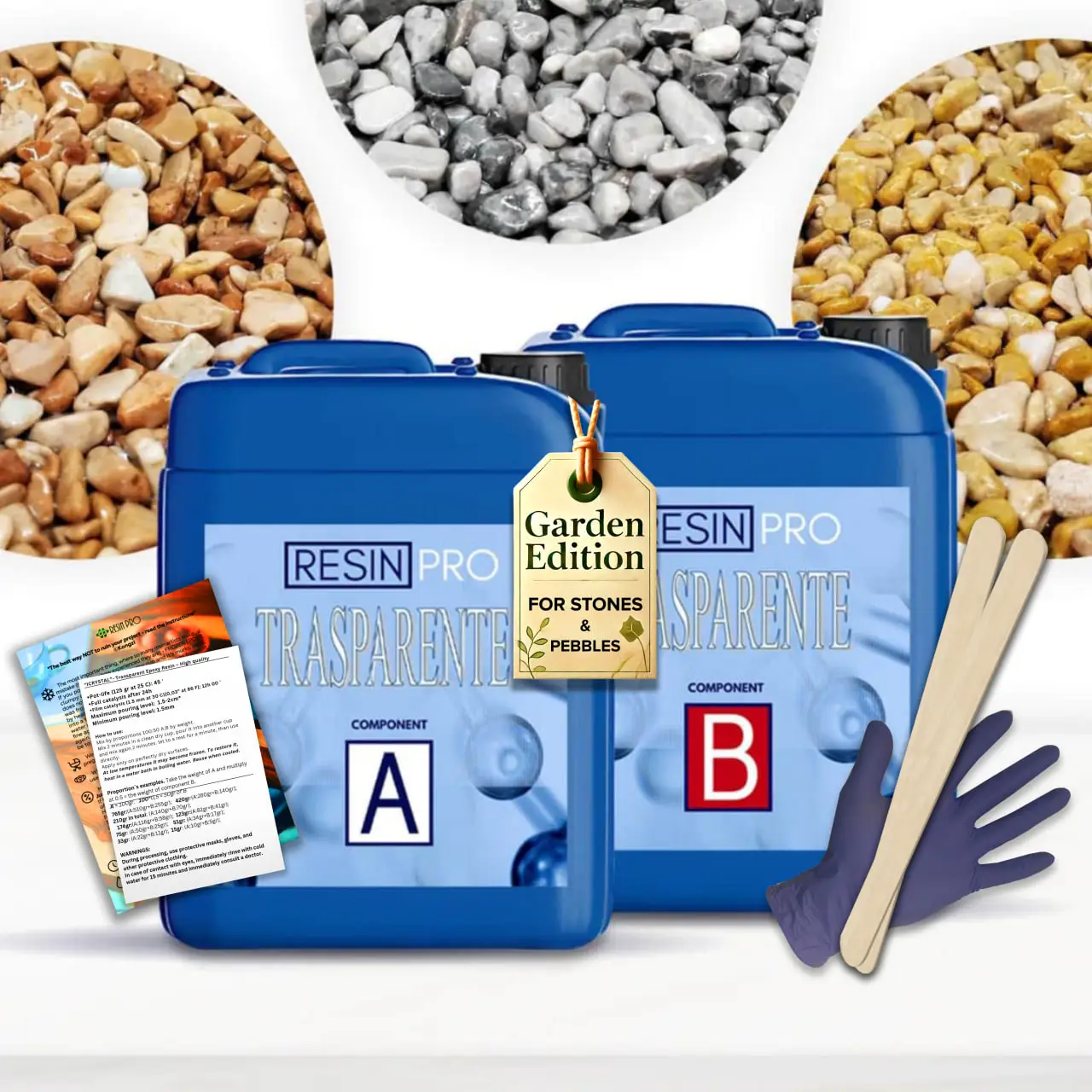 "Trasparente" – Epoxy Binder for Coloured Pebbles and GritsPrice range: £31.85 through £948.85"Trasparente" is a clear epoxy binder designed for coloured pebbles and grits, with UV resistance and low viscosity for terrace waterproofing…
Frequently Asked Questions
Do I need a primer over the terrace membrane?
A primer is highly recommended to ensure the resin adheres securely to the waterproofing membrane and delivers long-lasting results.
What happens if it rains while resin is curing?
Rain during curing risks surface blemishes and improper setting. Always plan so resin has enough time to cure in dry conditions.
How do I choose between polyurethane and epoxy?
Use polyurethane for white stones to prevent yellowing; choose epoxy for coloured aggregates needing clear, UV-stable adhesion.
Can I repair surface defects after curing?
Minor surface irregularities can be sanded and refilled with additional resin-aggregate mix to restore a smooth finish.
Can I apply resin over my terrace membrane as a DIY project?
Yes, if you follow surface preparation, priming, and mixing instructions carefully, resin application is suitable for DIY enthusiasts.
How long before I can use my terrace again?
You can typically walk on the surface after 10–24 hours, but wait longer before placing furniture or heavy items.
Will the resin surface stay non-yellowing outdoors?
When using suitable binders for each stone type, such as polyurethane for white stones, the surface will resist yellowing and UV damage.