 Free shipping on orders over £29,85
  Shipping Tracking!


 Google
 Facebook
← Back to How do you resin a gadget?
Resin coatings can make gadgets look vibrant and new, but air bubbles can spoil a flawless finish. With a few simple techniques and the right products, you can significantly reduce or even eliminate bubbles during your resin projects.
Mixing Resin Carefully
The mixing stage is where most air bubbles are introduced. To minimise bubbles, combine your resin and hardener slowly and deliberately—avoid whipping or aggressive stirring. Let the resin mixture stand for a moment after blending, as this gives trapped bubbles a chance to rise to the surface. Low-viscosity resins such as “Liquidissima” Epoxy Resin are ideal for detailed coatings and flow smoothly, making bubble release easier.
Applying and Finishing Techniques
Once you pour or apply the resin on your gadget, use a toothpick or pin to gently pop any visible surface bubbles straight away. For stubborn or smaller bubbles, wave a heat gun or small torch briefly across the resin’s surface—gentle warmth helps bubbles escape without overheating or scorching. Work in a dust-free environment and avoid pouring in thick layers, as this makes bubbles harder to remove.
When Bubble Control Matters Most
- Highly detailed gadgets: Textured surfaces and small crevices are more prone to trapping air.
- Clear or glossy projects: Any bubbles show up easily in transparent or high-gloss finishes, so precision matters.
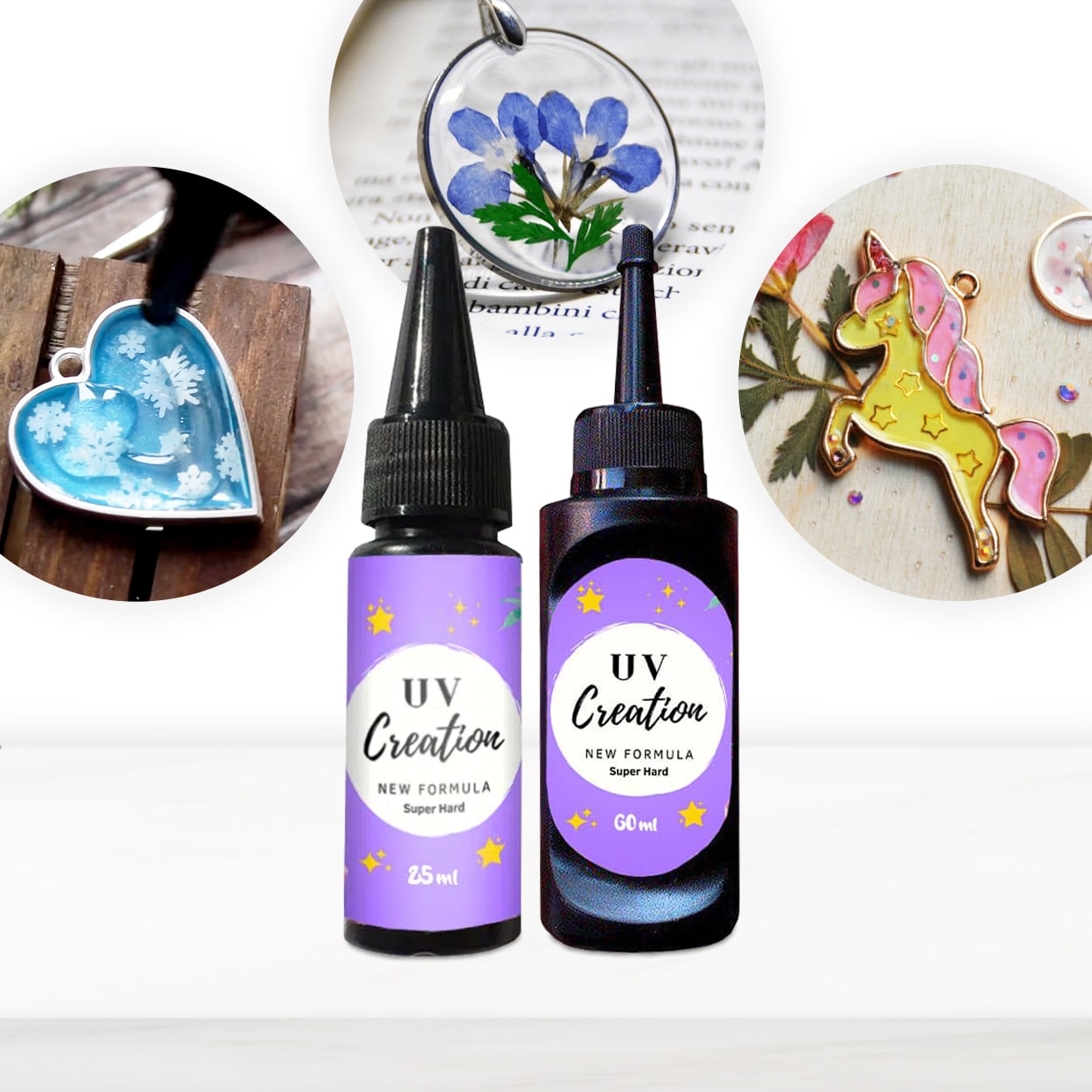
- Speedy resins: Products like UV–Creation acrylic resin cure fast, so acting quickly to address bubbles is crucial.
Related products
Related guides
By using slow mixing, precise application, and choosing suitable products, you can achieve beautifully clear resin coatings on gadgets. For more guidance on gadget resining projects, see our comprehensive overview at How do you resin a gadget?