 Free shipping on orders over £29,85
  Shipping Tracking!


 Google
 Facebook
How do you resin a gadget?
Step-by-step guide for durable, glossy gadget coating at home
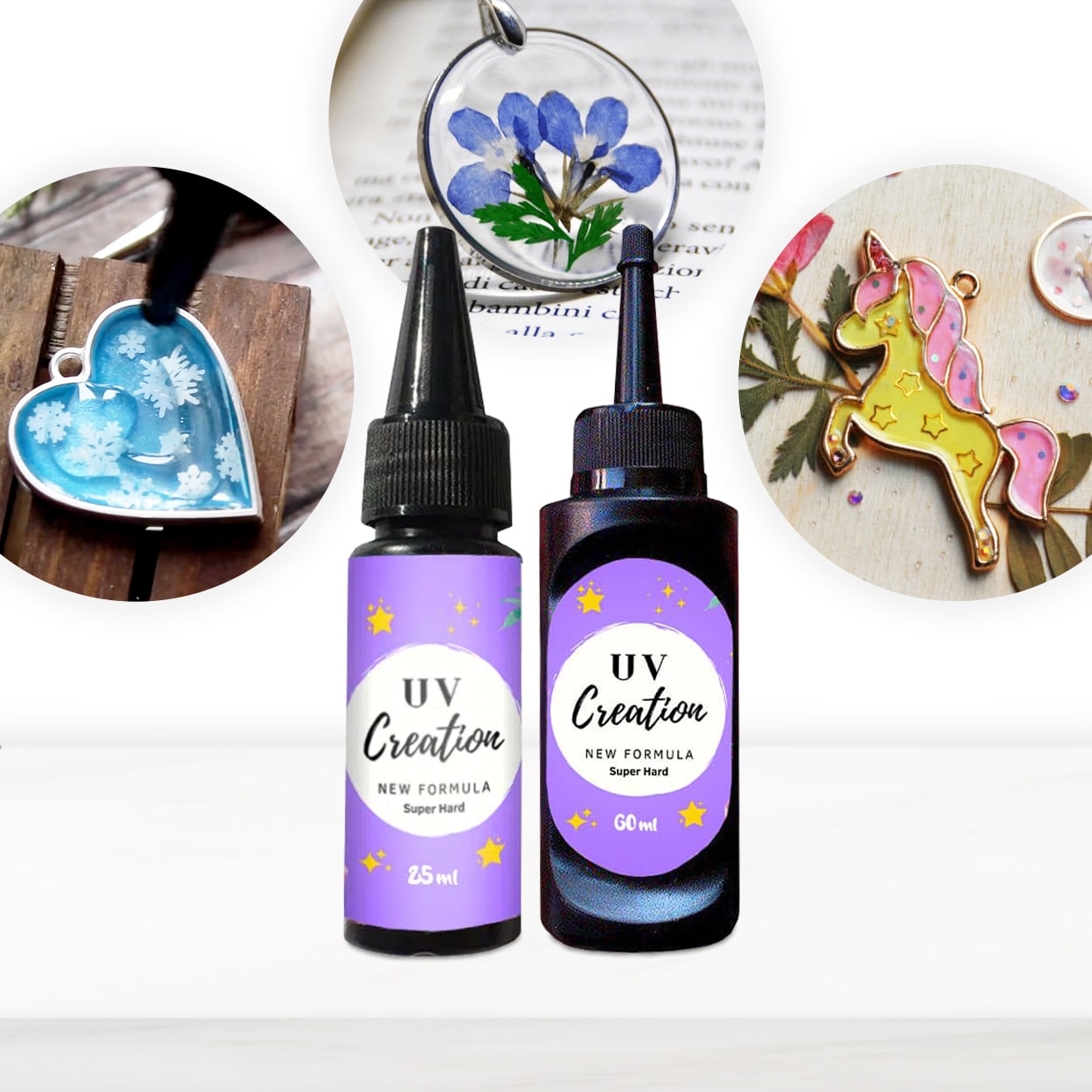
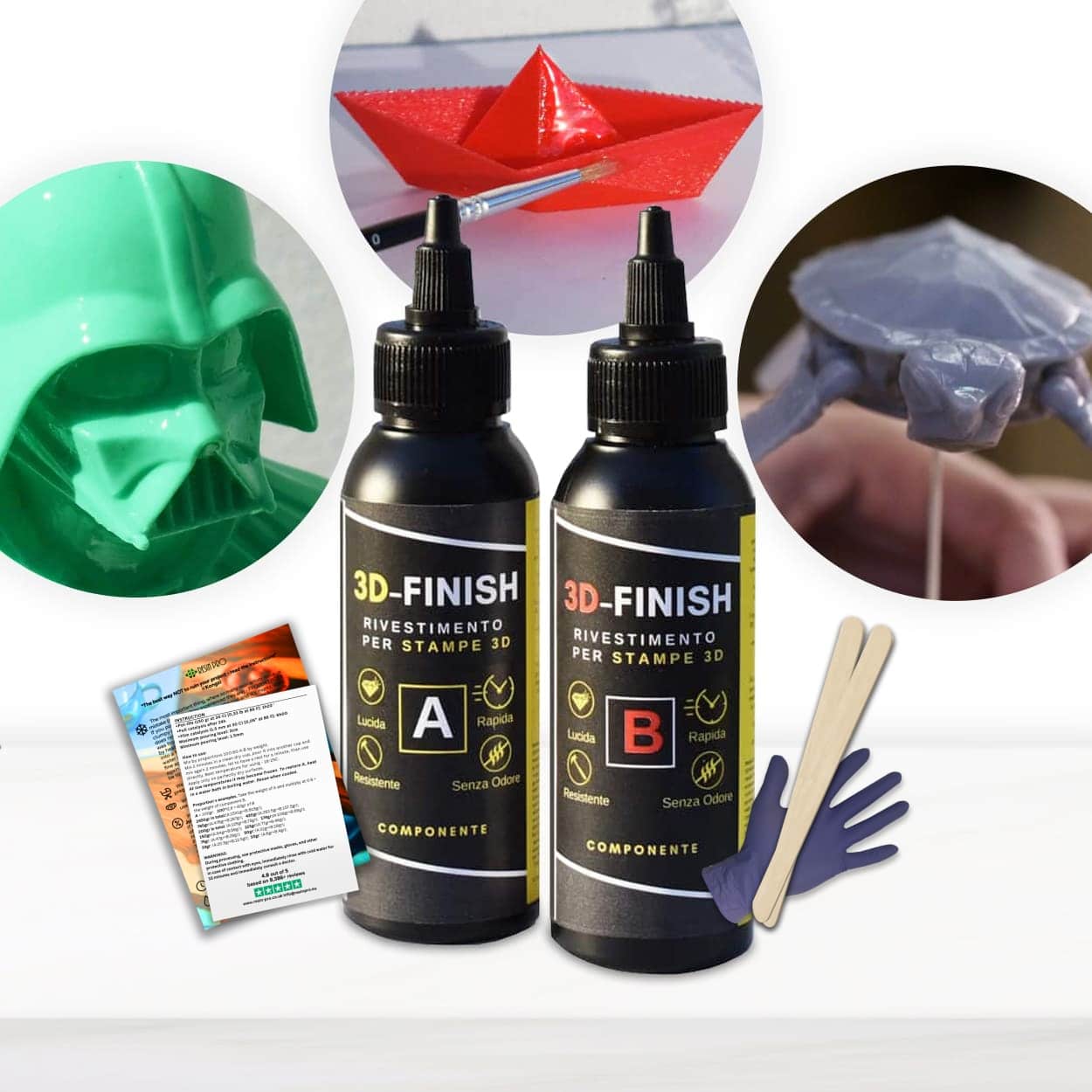
Resin coating is an excellent way to give your gadgets a durable, protective layer while also achieving an attractive glossy finish. Whether you are restoring, upgrading, or customising small electronic cases, accessories or decorative pieces, mastering the resin process will enhance both appearance and longevity. This guide provides a step-by-step approach for both beginners and hobbyists aiming to achieve professional-grade results at home.
What You’ll Need
- “UV–Creation” – Fast Acrylic Resin, 3 Minute UV Cure: A quick-curing UV resin for small, detailed gadgets requiring minimal downtime.
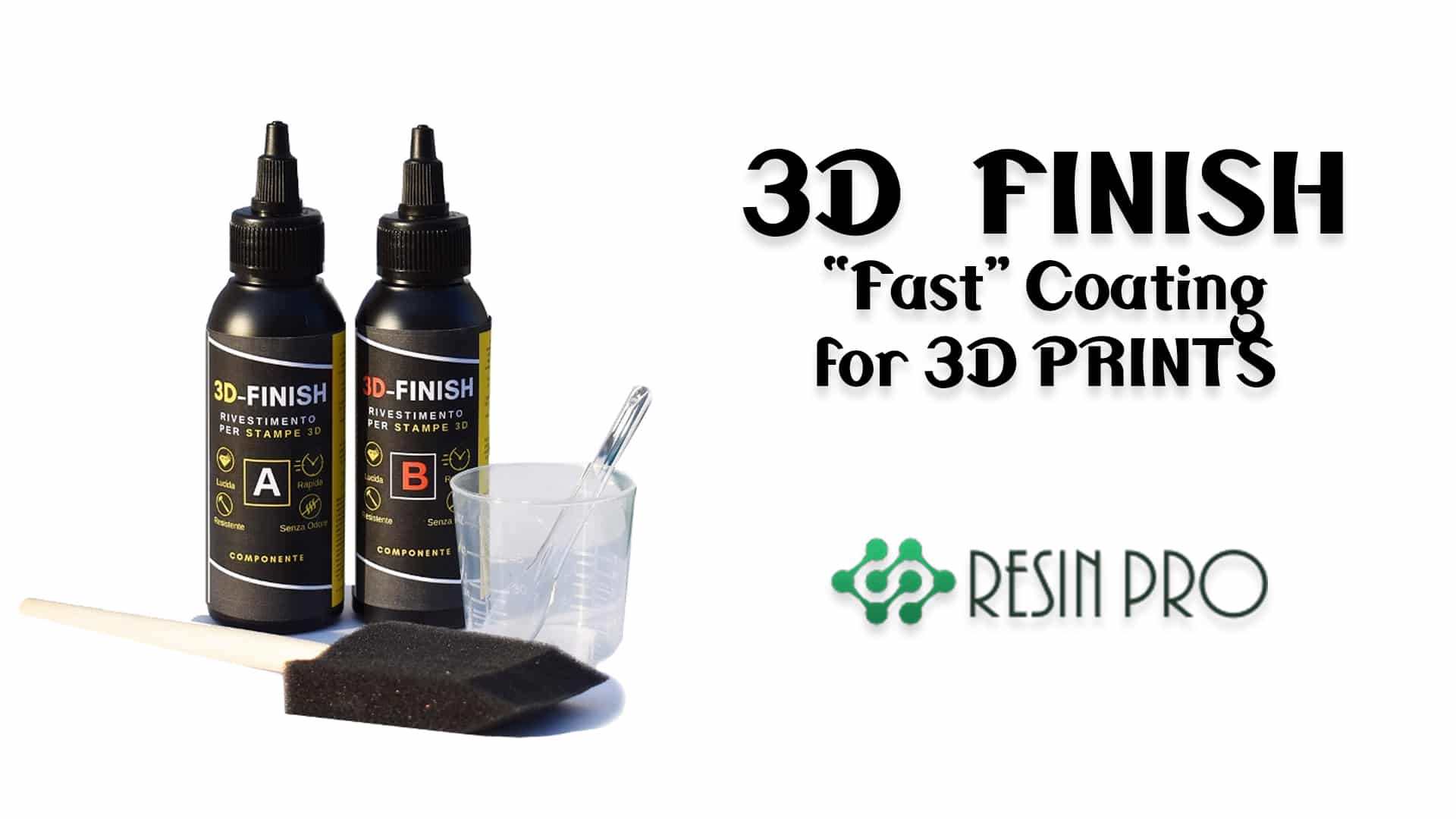
- “3D Finish” – Fast Coating Epoxy Resin for 3D Prints: Ideal for finishing and protecting 3D printed or plastic gadget surfaces.
- “Liquidissima” – Epoxy Resin For Creations & Jewellery: Best for intricate decorative work and delicate finishes.
- “One-2-One” – Epoxy Resin for Handcraft, 1:1 Mixing Ratio: A user-friendly resin for straightforward coatings and crafts.
- Nitrile gloves and protective eyewear
- Mixing cups and stirrers
- Masking tape and a non-stick working mat
- Fine sandpaper (optional, for surface prep)
- UV lamp (if using UV resin)
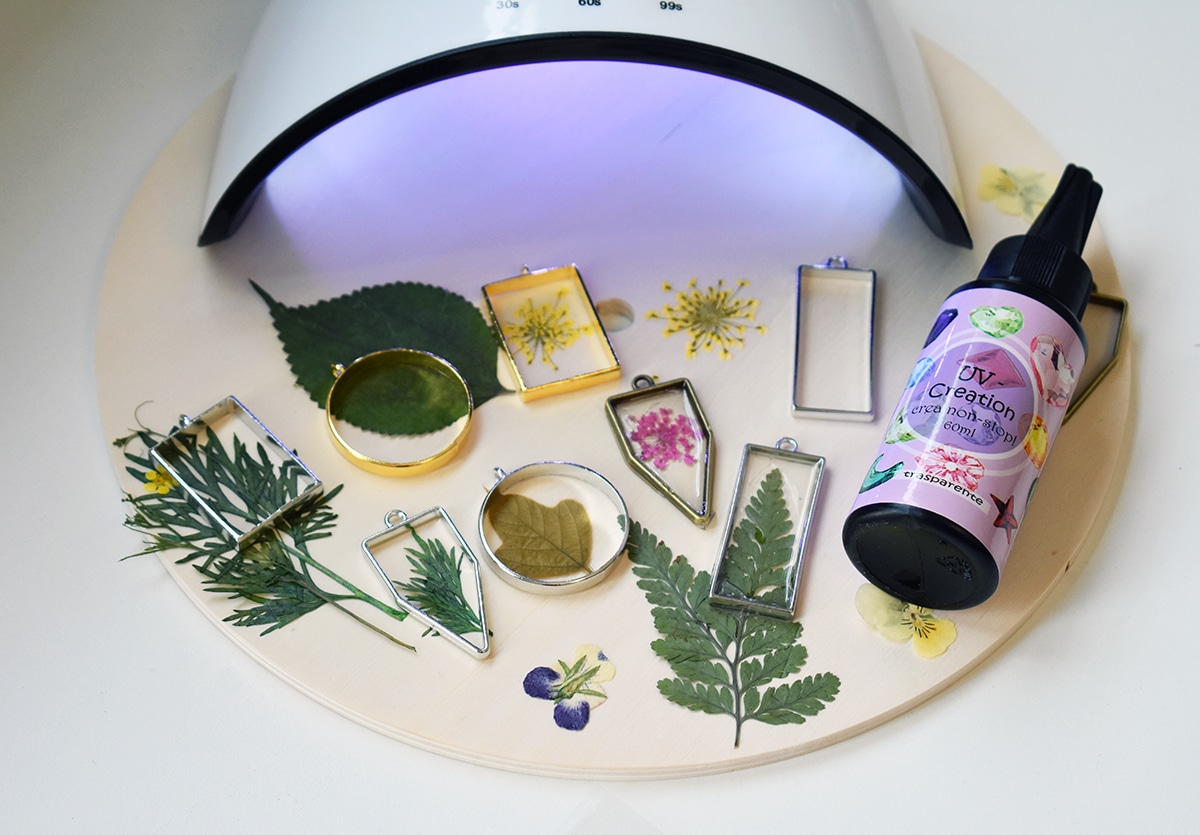
Essential Tools for Gadget Resin Coating
Gathering the right tools is the first step towards a high-quality resin finish. Carefully selected resins, mixing aids, and safety gear will make the process smoother and the result longer-lasting. Choose your resin based on the size, shape, and detail level of your gadget.
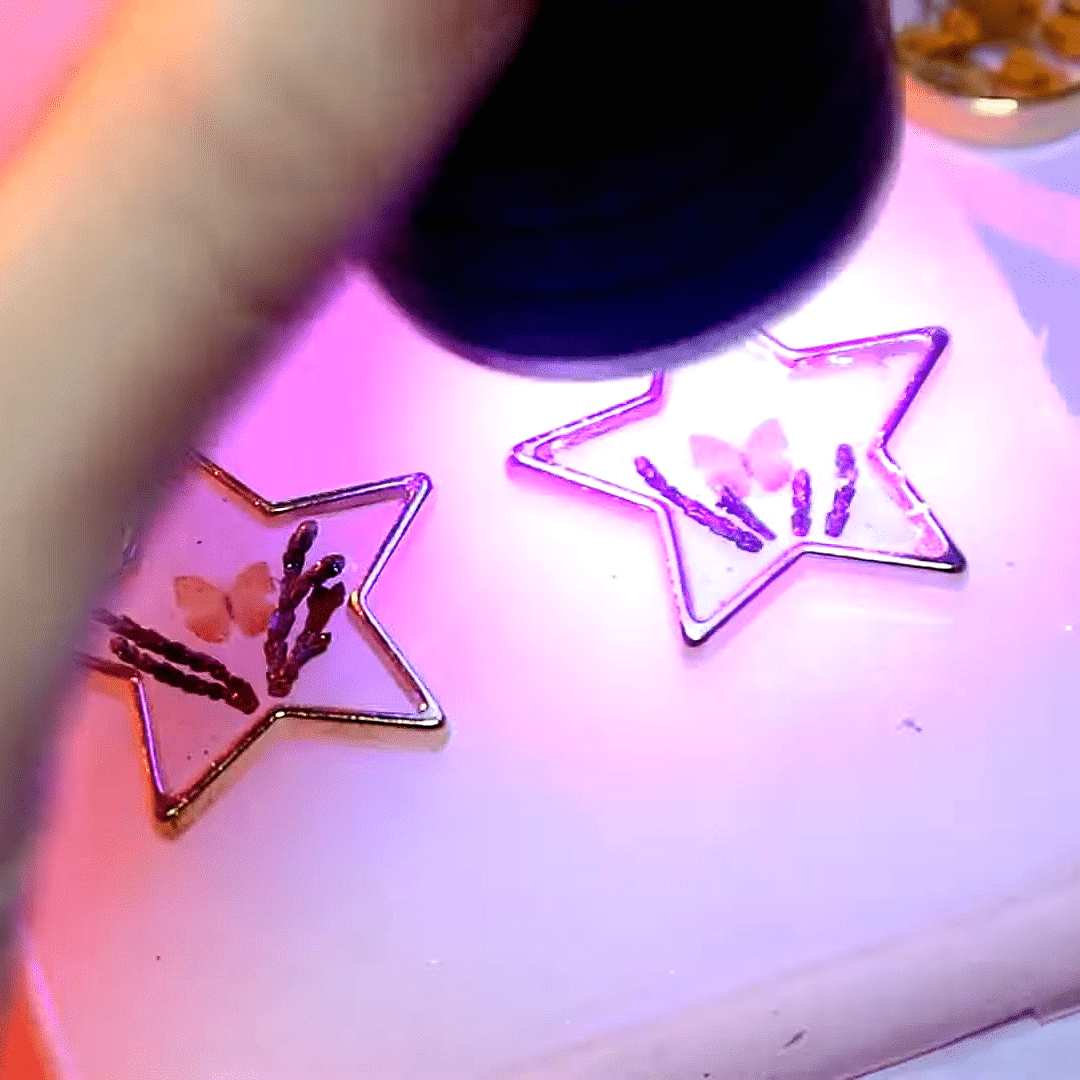
Protect the Work Area
Before beginning, set up your workspace in a well-ventilated area. Cover your table with a non-stick mat or disposable sheet and keep paper towels handy to address any spills. Always wear nitrile gloves and protective eyewear to avoid skin or eye contact with uncured resin. Good preparation minimises mess and aids in a smoother workflow, especially when working with gadgets that may have intricate or recessed areas.
Prepare the Gadget Surface
Cleaning and prepping the gadget surface is essential for a strong resin bond and a pristine finish. Remove dust, oils, or debris using a lint-free cloth—if the item is heavily soiled or shiny, lightly sanding with fine sandpaper can promote adhesion. Mask off any areas that should not be coated and ensure the gadget is completely dry before moving to the next step.
Mix Your Resin Carefully
Select the resin that best suits your project’s needs—for example, use “3D Finish” – Fast Coating Epoxy Resin for 3D Prints for plastic or 3D printed gadgets. Read the manufacturer’s instructions precisely; if using an epoxy, combine the resin and hardener at the indicated ratio in a mixing cup and stir gently but thoroughly, ensuring no unmixed residue remains. For UV resin, such as “UV–Creation” – Fast Acrylic Resin, 3 Minute UV Cure, you can use it straight from the bottle without premixing.

Apply the Resin Evenly
Pour or brush the mixed resin onto your gadget in thin, even layers, ensuring full coverage but avoiding excessive build-up. Work methodically, moving from one section to another to catch any runs or drips before they cure. For small details or crevices, use a fine brush or silicone tool; rotate the gadget carefully to watch for air bubbles and pop any that appear with a suitable tool.
Cure and Finish the Surface
Allow the resin to cure undisturbed, following the time recommended for your product. If you used “UV–Creation” – Fast Acrylic Resin, 3 Minute UV Cure, position the item under a UV lamp for the specified period. For epoxies, leave the gadget on a flat surface at room temperature for the appropriate cure time. Once fully cured, you can lightly sand and polish for an ultra-smooth, high-gloss result, if desired.
Tips, Common Mistakes & Troubleshooting
Work patiently and resist the urge to rush the curing process, as premature handling can mar the finish. Always measure and mix resin accurately; improper ratios may leave the surface sticky or uneven. Ensure gadgets are dust-free before pouring and keep the workspace clean to prevent embedded imperfections. If bubbles persist, use a pin or gentle heat to remove them before curing fully.
Achieving Top-Quality Resin Results
Patience and attention to detail are crucial for a flawless finish. Follow each step carefully and take pride in both preparation and aftercare to enjoy a beautiful, long-lasting resin-coated gadget.

- "UV–Creation" – Fast Acrylic Resin, 3 Minute UV CurePrice range: £8.45 through £62.95UV–Creation is a fast curing acrylic resin designed for jewellery making and crafting under UV light.
- "3D Finish" – Fast Coating Epoxy Resin for 3D PrintsPrice range: £13.95 through £19.95"3D Finish" offers a fast, non-drip coating to enhance 3D print details and strength, suitable for common 3D print plastics.
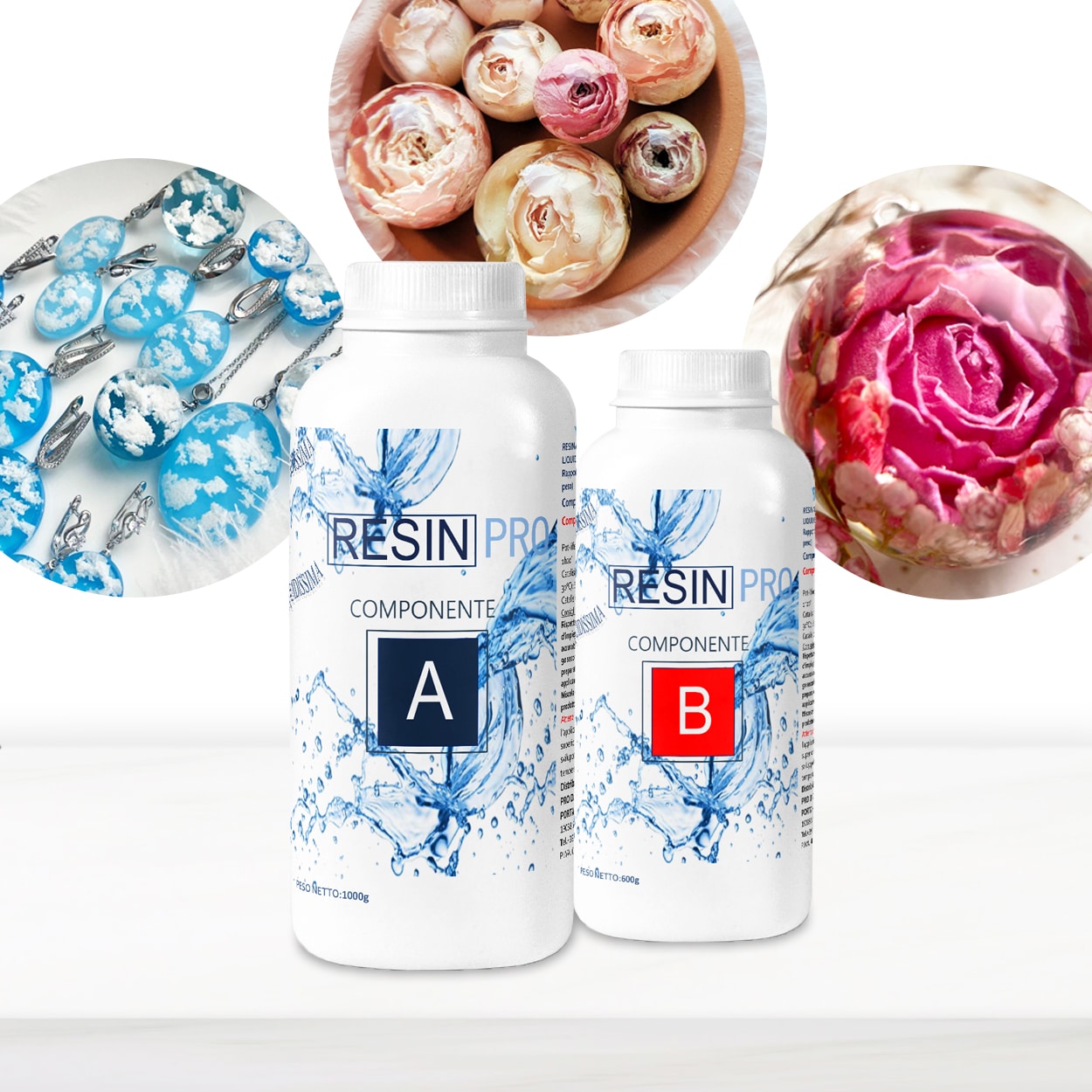 "Liquidissima" – Epoxy Resin For Creations & JewelleryPrice range: £12.85 through £31.85"Liquidissima" is a clear epoxy resin suitable for detailed moulds, offering longer working time and a self-levelling finish for creative projects.
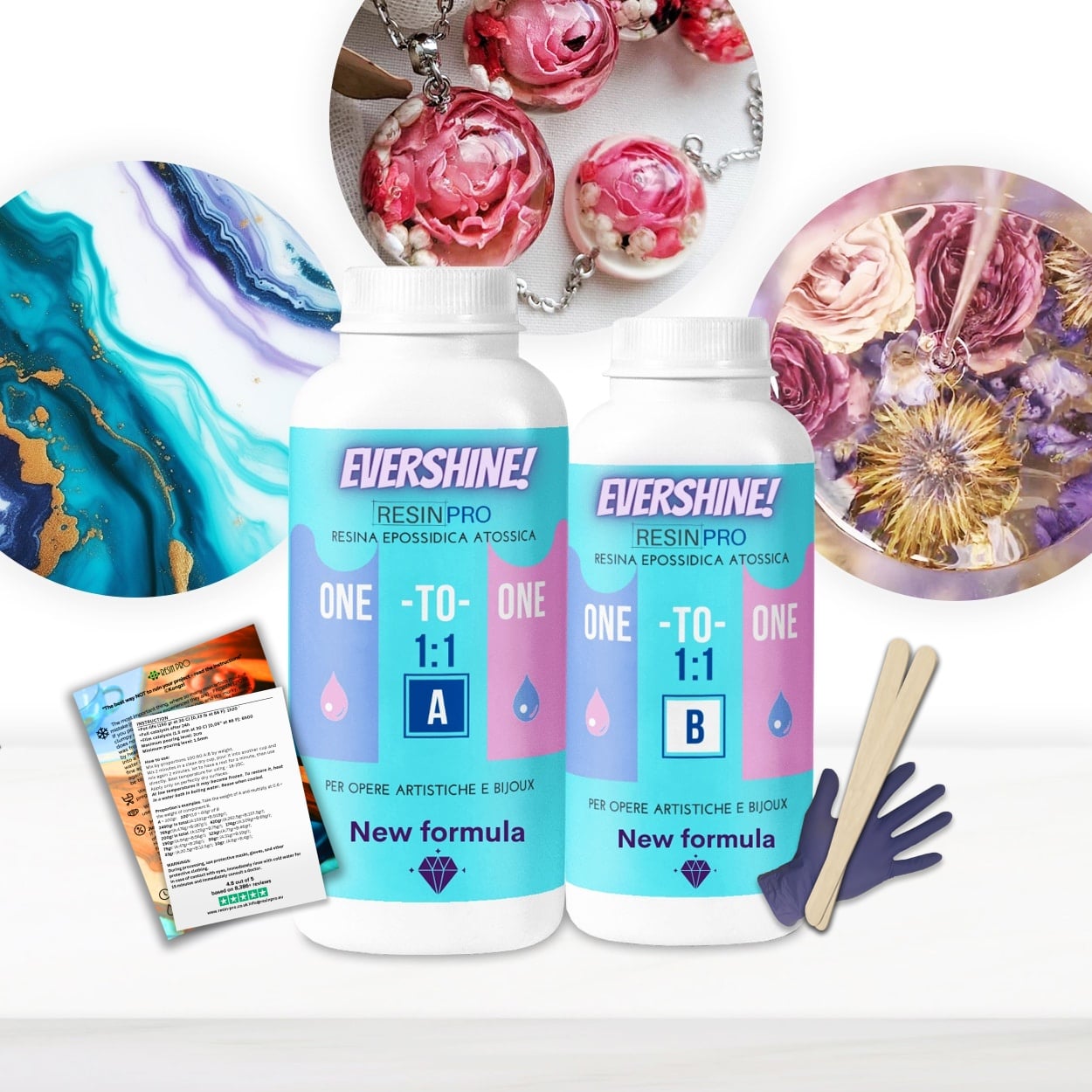 "One-2-One" – Epoxy Resin for Handcraft, 1:1 Mixing RatioPrice range: £15.95 through £59.95"One-2-One" epoxy resin is a non-toxic, clear resin designed with an easy 1:1 mixing ratio, suitable for craft projects within this theme.
Frequently Asked Questions
What is the best type of resin for gadgets?
Choose the resin that matches your gadget’s material and the finish you want. UV resin is excellent for quick cures and small details, while epoxy resins are preferred for larger or more durable coatings.
Can UV resin be used on electronic gadgets?
UV resin works well for non-conductive decorative parts or casings but should not be applied directly onto exposed circuits or connectors.
How do I avoid bubbles when coating gadgets with resin?
Mix slowly to minimise air introduction and use a pin or heat to gently pop bubbles before the resin cures on your gadget.
Can resin be removed from a gadget once cured?
Cured resin is difficult to remove without damage. Prevent mistakes by protecting any areas you do not wish to coat before starting.
How long should resin cure on gadgets before use?
Follow the cure time given by your resin—this may range from a few minutes for UV resin to several hours for epoxy types.
What if the resin stays sticky after curing?
Sticky resin usually results from incorrect mixing ratios or insufficient curing. Leave to cure longer, and always mix thoroughly.
Can I use resin to coat 3D printed gadget parts?
Yes, resins such as fast coating epoxy are designed to bond with common 3D printed plastics and enhance surface gloss and durability.