 Free shipping on orders over £29,85
  Shipping Tracking!


 Google
 Facebook
How to dry resin quickly?
Speeding up resin curing is a common goal for artists, jewellery makers, and DIY enthusiasts who value efficiency without compromising quality. Whether you work with UV-cured or traditional two-part epoxy resins, this guide explains how to safely accelerate the drying process, avoid common mistakes, and achieve professional results more quickly.
Master faster resin curing for flawless craft results

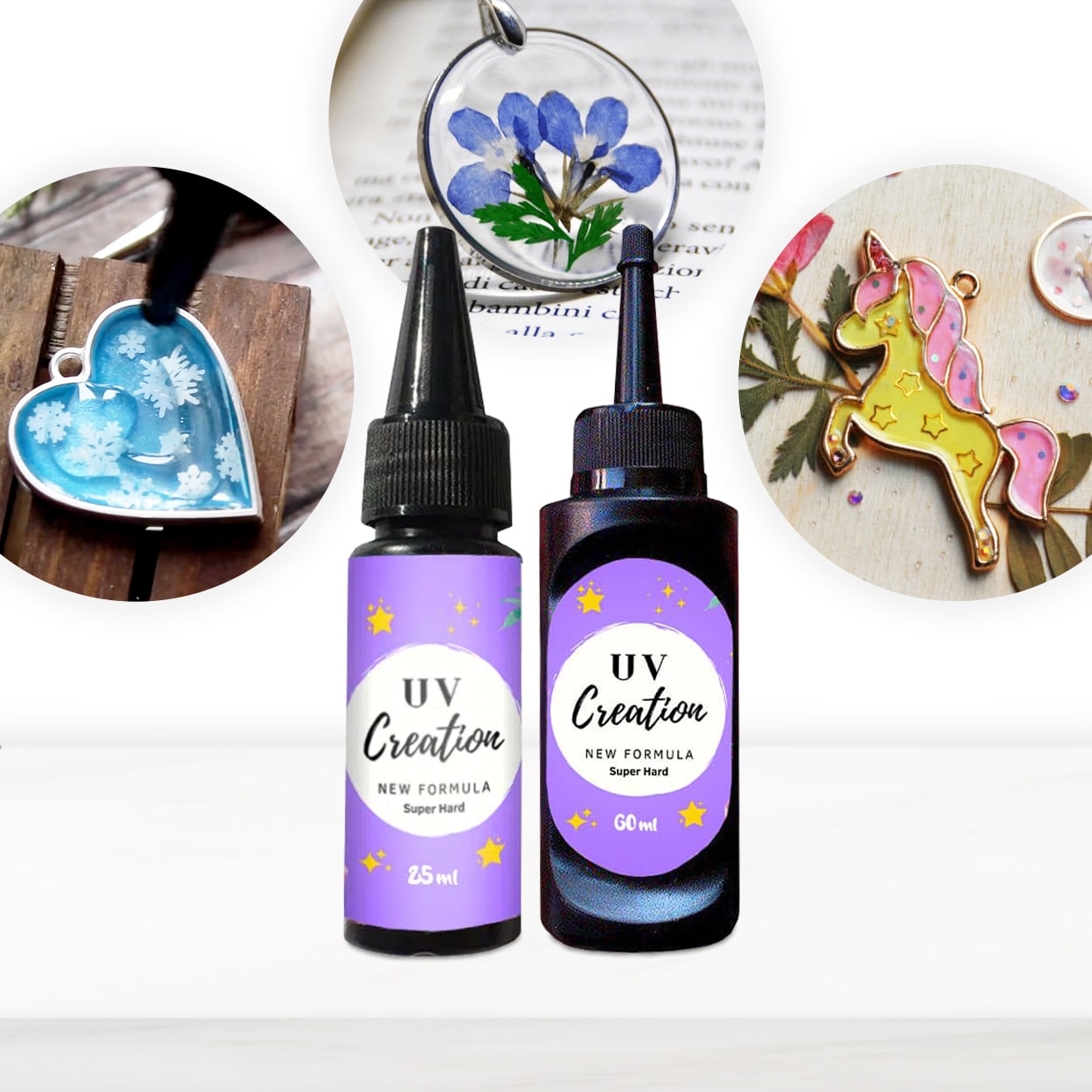
What You’ll Need
- 180W UV Lamp with Automatic Sensors for Fast Resin and Gel Curing – A powerful lamp designed to cure UV resin and gels efficiently.
- “UV–Creation” – Fast Acrylic Resin, 3 Minute UV Cure – A fast-curing UV resin ideal for rapid projects.
- 21 LED UV Torch for Fast Acrylic Resin Curing – A portable option for quick curing of small resin pieces.
- Gas Heat Gun for Epoxy Resin – Precision Tool for Bubble Removal and Finishing – Useful for gently speeding up the curing of epoxy resins.
- Protective gloves and a well-ventilated workspace

Visual Guide to Fast Resin Curing Tools
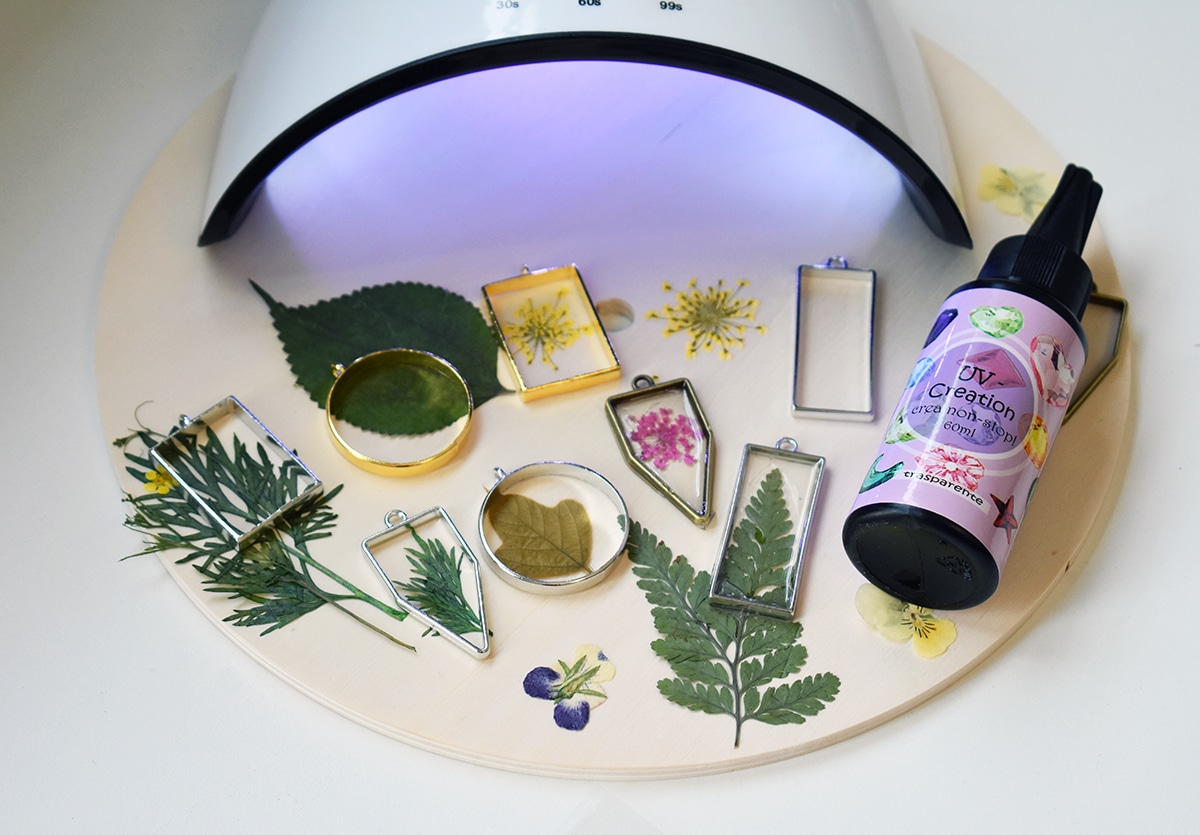
Explore our UV resins and accessories to see lamps, torches, and fast-curing resins in action. These tools are designed to give you both speed and flawless results.

Step 1: Prepare your workspace and choose the right resin
Proper preparation is crucial for fast, reliable results. Start by selecting a resin that best matches your intended use and desired drying time. UV-cured resins are the quickest option, offering full cures within minutes under a UV lamp or torch. Traditional two-part epoxies generally need more time, but their process can still be optimised for efficiency.
Organise your workspace to ensure easy access to tools and protective gear. Lay out your moulds or surfaces, and read the manufacturer’s instructions before starting. Preparation at this stage will help prevent any delays during the curing process. Take care to wear gloves and ensure good ventilation at all times when working with resins.
Step 2: Control your environment for quicker curing
Temperature and humidity play a major role in how quickly resin cures. For best results, maintain a warm environment (ideally between 21-25°C for most resins) and keep humidity low. Cold or damp conditions significantly extend curing times and may cause defects such as cloudiness or bubbles. Use a small space heater if necessary, but never overheat the area or expose the resin directly to high temperatures.
Always keep your workspace free of dust and away from direct draughts, as both can affect the finish and drying time. Work on a level surface to avoid shifting while the resin hardens. Monitoring these environmental factors is key for consistent, quick cures.
Step 3: Apply heat or UV light to speed up drying
For UV-cured resin projects, use a tool designed for efficient, even curing. The 180W UV Lamp with Automatic Sensors for Fast Resin and Gel Curing can harden suitable resins in minutes, making it ideal for small jewellery pieces or detailed crafts. For spot-curing or hard-to-reach areas, a 21 LED UV Torch for Fast Acrylic Resin Curing is a practical, portable alternative.
If you are working with two-part epoxy resin, a Gas Heat Gun for Epoxy Resin – Precision Tool for Bubble Removal and Finishing can gently increase surface temperature and help remove bubbles. Hold the heat gun at a distance and move it in sweeping motions; avoid directing concentrated heat at one spot to prevent scorching or uneven curing. Always check that your specific resin type is compatible with this approach.
Never use a domestic oven or microwave for resin projects, as this poses significant safety hazards and risks damaging your work.
Step 4: Check and finish your work with care
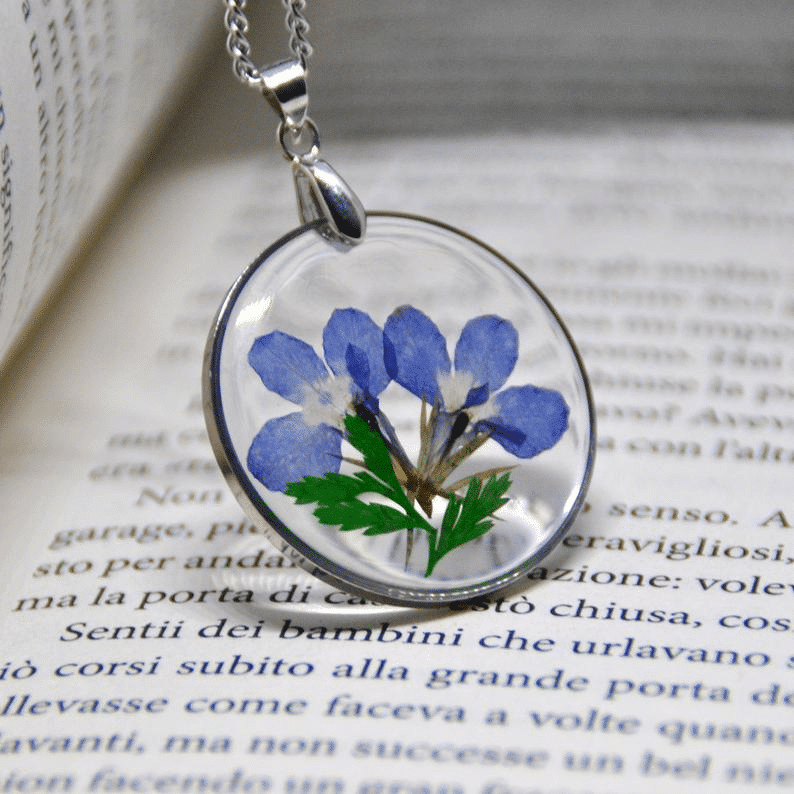
Once initial curing appears complete, gently test the surface for tackiness using a clean, gloved finger. Full curing may take a little longer even after demoulding, especially for thicker layers or while using epoxy resins. Always allow extra time if there is any doubt; rushing the process in the final stage can lead to fingerprints, warping, or marks.
After confirming a hard cure, remove your piece from the mould and allow it to air-dry if any areas still feel slightly soft. You may wish to give a final polish or sand edges, but only do this once you are certain the resin is fully set. Approaching this step with patience ensures you achieve a flawless result, even when using quick-curing techniques.
Tips, Troubleshooting and Common Mistakes
Work in thin layers when using UV resin to guarantee thorough curing, as thicker pours may not set evenly. For epoxy resins, avoid adding extra hardener to speed up drying—this can actually prevent the resin from hardening properly. Always follow the recommended ratios and curing times in the product instructions. If your piece remains sticky, try applying a brief additional exposure to UV or gentle heat, but avoid overexposure.
Be aware that coloured or opaque resins may take longer to cure, especially with UV systems. Ensure all tools are clean before use to prevent contamination of the resin, which can affect setting times. Patience in preparation and attention to environmental factors will provide the greatest improvement in resin drying speed and finished quality.
Proven Methods Shown by Real Artists
See how real creators use “UV–Creation” – Fast Acrylic Resin and Gas Heat Gun for Epoxy Resin for efficient, high-quality finishes in live workshops and craft demonstrations.

- 180W UV Lamp with Automatic Sensors for Fast Resin and Gel Curing£13.15The 180W UV Lamp with automatic sensors is designed for fast resin curing, suitable for UV resin and gel applications.
- "UV–Creation" – Fast Acrylic Resin, 3 Minute UV CurePrice range: £7.85 through £59.85"UV–Creation" is a fast curing acrylic resin suited for jewellery and craftwork where quick drying under UV light is preferred.
 21 LED UV Torch for Fast Acrylic Resin CuringOriginal price was: £9.85.£6.85Current price is: £6.85.The 21 LED UV Torch offers consistent curing performance for acrylic resin, designed to support quick drying in crafts and creative projects.
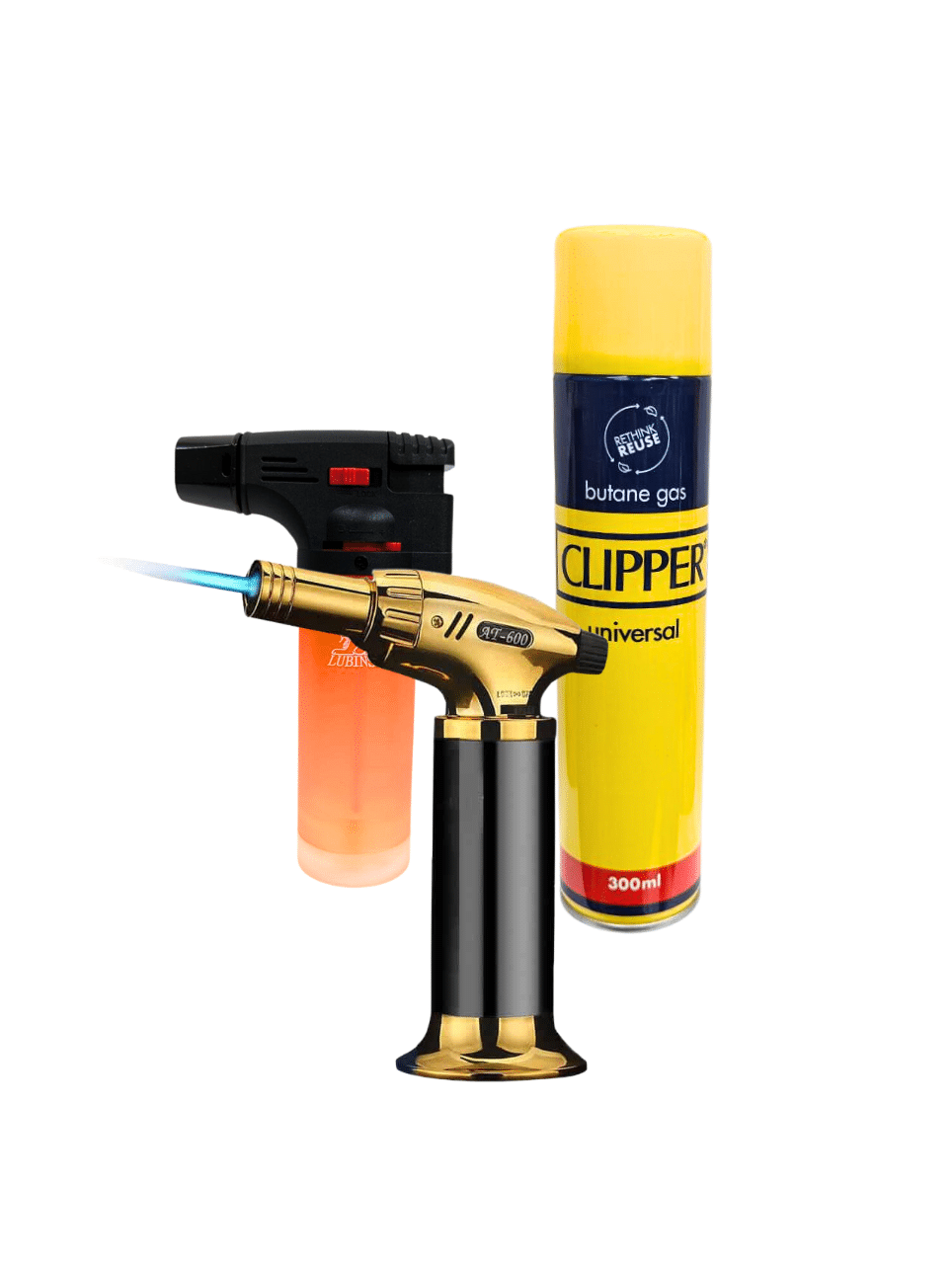 Gas Heat Gun for Epoxy Resin – Precision Tool for Bubble Removal and FinishingPrice range: £4.15 through £13.85The Gas Heat Gun is designed for efficient bubble reduction and smooth epoxy resin finishes.
Frequently Asked Questions
What's the fastest way to dry UV resin at home?
Using a dedicated UV lamp ensures even exposure and the fastest curing for most UV resins, providing hard results in minutes.
Can I use a heat gun to dry all resins?
Heat guns are suitable for most epoxy resins, but not all UV or specialised resins. Check your product's instructions before applying heat.
Why is my resin still tacky after curing?
Sticky surfaces can result from insufficient UV exposure, incorrect ratios, or environmental humidity. Additional curing time may help.
Should I add more hardener for quicker drying?
No, adding extra hardener can prevent proper curing and cause surface defects. Always follow recommended ratios.
Is UV light safe for resin crafts?
UV light is effective for curing specific resins, but always wear eye protection and avoid prolonged skin exposure for safety.
Does coloured resin take longer to cure?
Yes, resins with heavy pigments or opaque colours often require longer curing times, especially with UV systems.