 Free shipping on orders over £29,85
  Shipping Tracking!


 Google
 Facebook
how to make resin dry faster
Accelerate resin curing with proven methods and tips
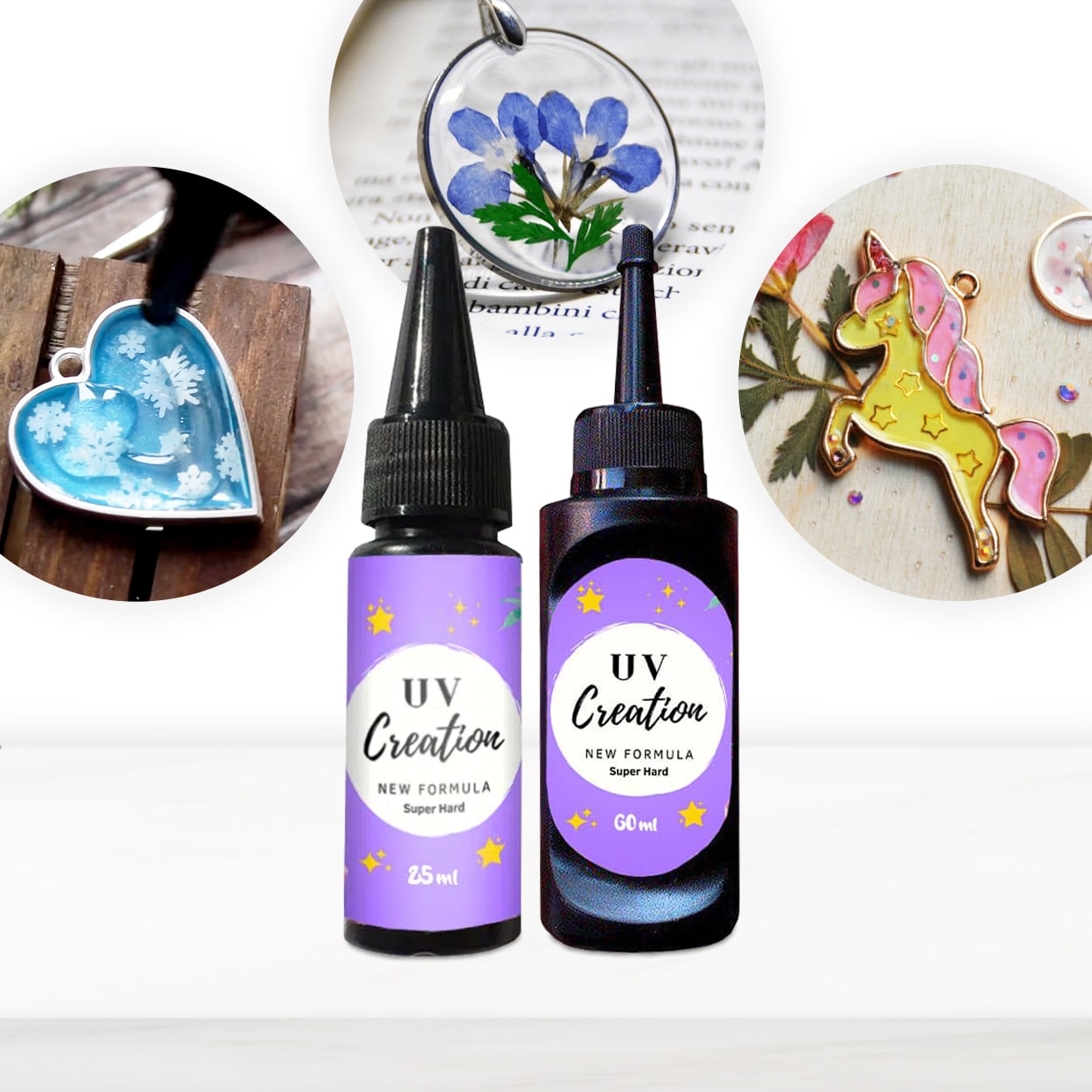
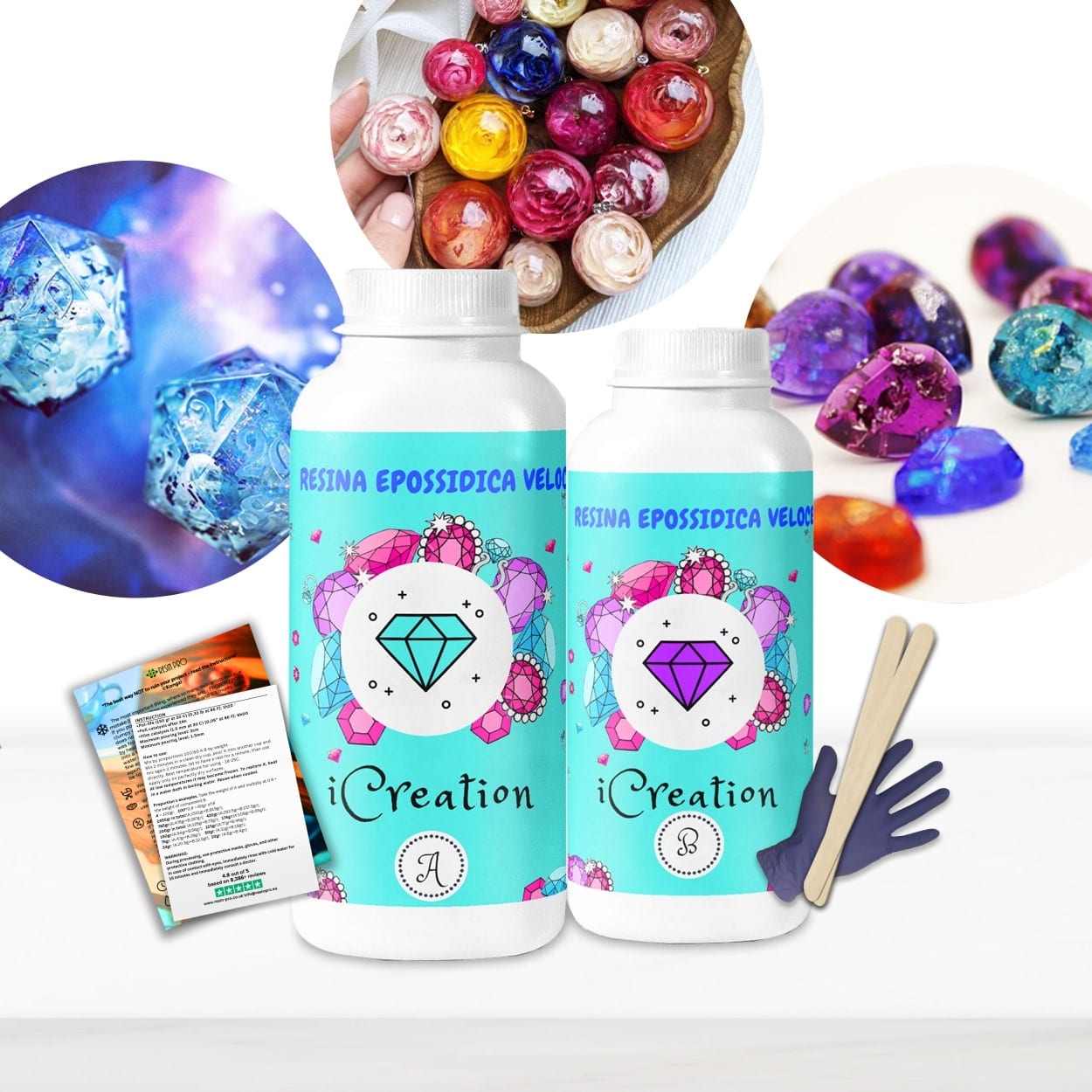
If you’re looking to reduce waiting times for your resin projects, understanding the best methods to make resin dry faster is essential. Whether crafting jewellery, casting models, or producing prototypes, optimising your curing process can save precious time and ensure a quality finish. This guide outlines practical, safe, and result-focused strategies for accelerating the drying of resin, based on expert technique rather than risky shortcuts.
What You’ll Need
- “UV–Creation” – Fast Acrylic Resin, 3 Minute UV Cure: Fast-curing UV acrylic resin suitable for professional and hobby jewellery makers seeking efficient results.
- “ICreation” – Fast Epoxy Resin, 6h Demoulding, Transparent Gloss Finish: Designed for those seeking fast curing with a clear, glossy finish in jewellery and decorative crafts.
- “Polyform” – Polyurethane Casting Resin, Beige, Fast-Setting for Prototyping: Polyform is designed for fast and precise polyurethane casting in rapid prototyping and small batch production.
- “IWhite” – Polyurethane Casting Resin – White, Fast-Curing Two-Part System: Two-part polyurethane resin designed for fast, detailed casting and rapid prototyping.
- Thermometer and hygrometer (to monitor environment)
- UV curing lamp (for UV resin only)
- Mixing cups, stirrers, and suitable PPE (gloves and mask as needed)
- Small fan or gentle heat source (such as a low-temperature craft heater)
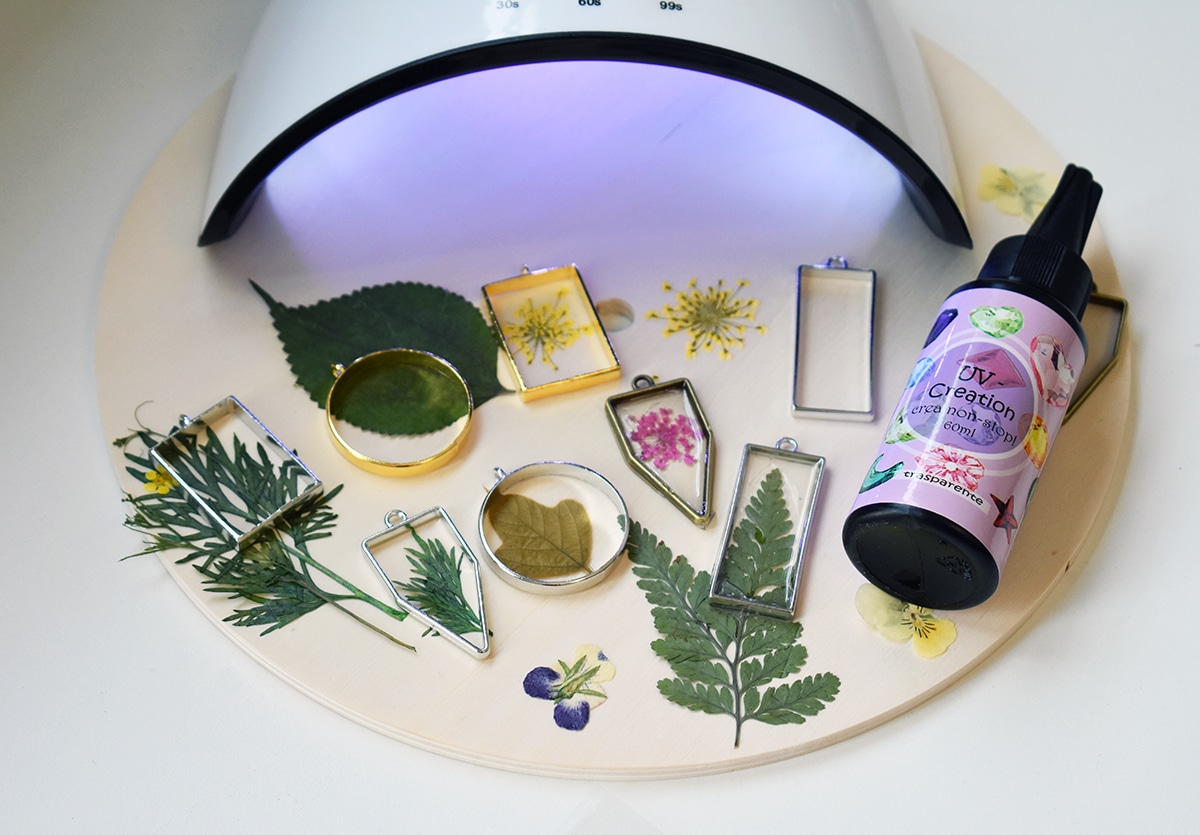
Visual Curing Process Examples
See how different resin types respond to controlled environments and proper curing techniques. Notice the clarity and finish achieved with fast acrylic, epoxy, and polyurethane resins when optimal methods are followed.
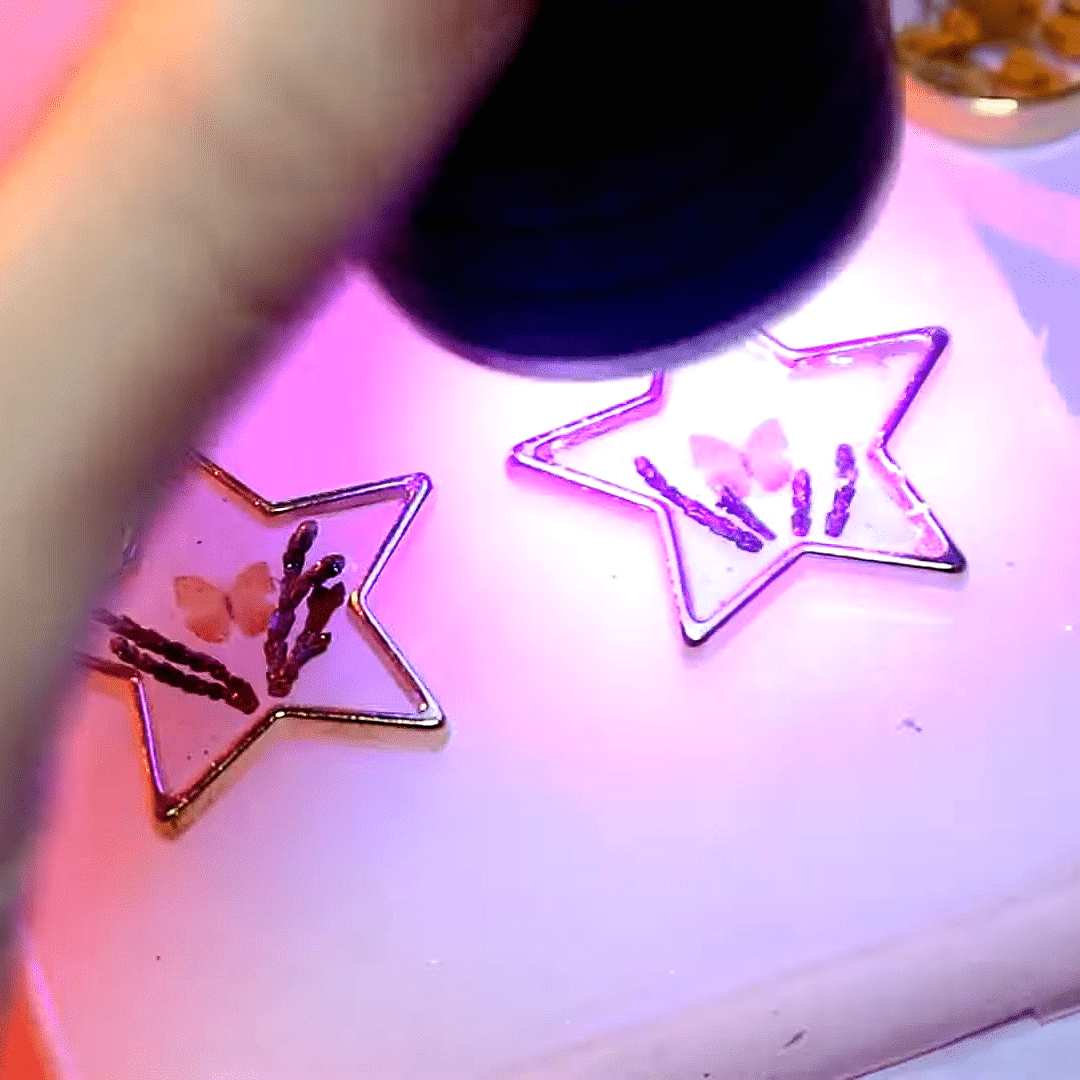
Step 1: Use a suitable curing environment
A controlled environment is fundamental for curing resin efficiently. Always work in a dust-free area where the temperature and humidity are within the recommended range for your chosen resin. Most resins cure best between 18–25°C with low relative humidity (below 50%). Lower temperatures or high humidity can considerably slow down curing, result in a tacky surface or even prevent full hardening. Avoid curing resin in cold garages or damp cellars, and instead select a ventilated, stable indoor location.
Place your project on a levelled surface away from direct cold drafts. For UV resins, such as “UV–Creation” – Fast Acrylic Resin, 3 Minute UV Cure, ensure direct exposure to the curing lamp—UV light intensity and correct wavelength are critical for rapid setting.
Step 2: Choose the correct resin type
Not all resins cure at the same speed, so selecting the right formulation for your needs can significantly decrease drying time. UV acrylic resins react instantly with light, curing within 2–3 minutes under a proper UV lamp, making them perfect for small objects and jewellery. For larger projects or where a UV lamp is impractical, fast-setting polyurethane resins like “Polyform” – Polyurethane Casting Resin, Beige, Fast-Setting for Prototyping and “IWhite” – Polyurethane Casting Resin – White, Fast-Curing Two-Part System cure quickly (within 30 minutes) and are ideal where demoulding speed is crucial.
Epoxy resins generally take longer to cure, but specialist blends such as “ICreation” – Fast Epoxy Resin, 6h Demoulding, Transparent Gloss Finish allow you to demould in as little as six hours—much faster than standard formulations.
Step 3: Mix and measure precisely
Precise mixing and accurate measurement are vital to ensure optimal curing times and project consistency. Follow the resin manufacturer’s recommended ratios—deviating from them could slow the chemical reaction, cause incomplete curing, or even ruin your work. For two-part resins like polyurethane systems, thoroughly mix parts A and B, scraping the sides and bottom of the mixing vessel to avoid soft or wet spots. Using clean, dry containers and utensils also helps prevent moisture contamination that could interfere with the curing process.

Step 4: Enhance airflow or apply gentle warmth
Introducing a gentle airflow or a little warmth (never excessive heat) can help speed up the evaporation phase and promote an even cure. Position a small fan near (but not directly blowing hard onto) your project. Alternatively, use a low-heat craft heater to gently raise the ambient temperature, being careful to avoid overheating or direct contact, which could lead to resin defects such as yellowing, bubbling, or cracks.
For UV-cured resin, ensuring a uniform light exposure over the piece remains the most effective way to achieve a fast and complete cure. With polyurethane and epoxy, only subtle environmental tweaks are required—rapid or aggressive heating is not advised.
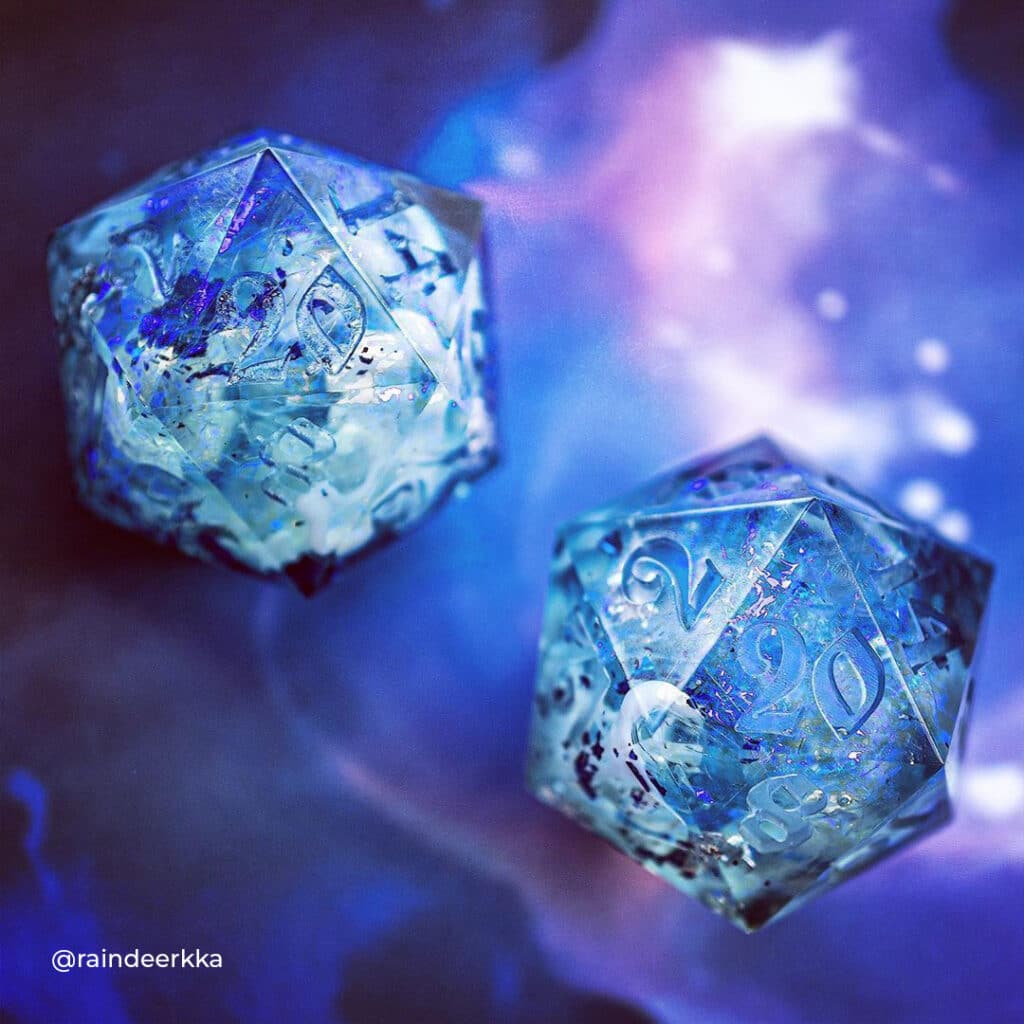
Troubleshooting: Avoid curing shortcuts that risk project quality
Resist the temptation to use household ovens or strong heat guns to accelerate curing, as rapid temperature changes can cause warping, yellowing, or bubbles. Overexposure to UV lamps or placing resins too close to strong bulbs may discolour or distort the piece. If your project is not hardening, carefully review the resin type used, mixing ratio, and curing environment first.
Always read the datasheet for your chosen resin and prioritise steady, controlled processes. This not only improves results but also helps avoid unnecessary waste and disappointment.
Before and After: Curing Speed and Quality
Compare the impact of various curing approaches on the speed and final look of resin projects. This includes avoiding overheating and ensuring even exposure, resulting in a flawless, bubble-free finish and reduced waiting times.
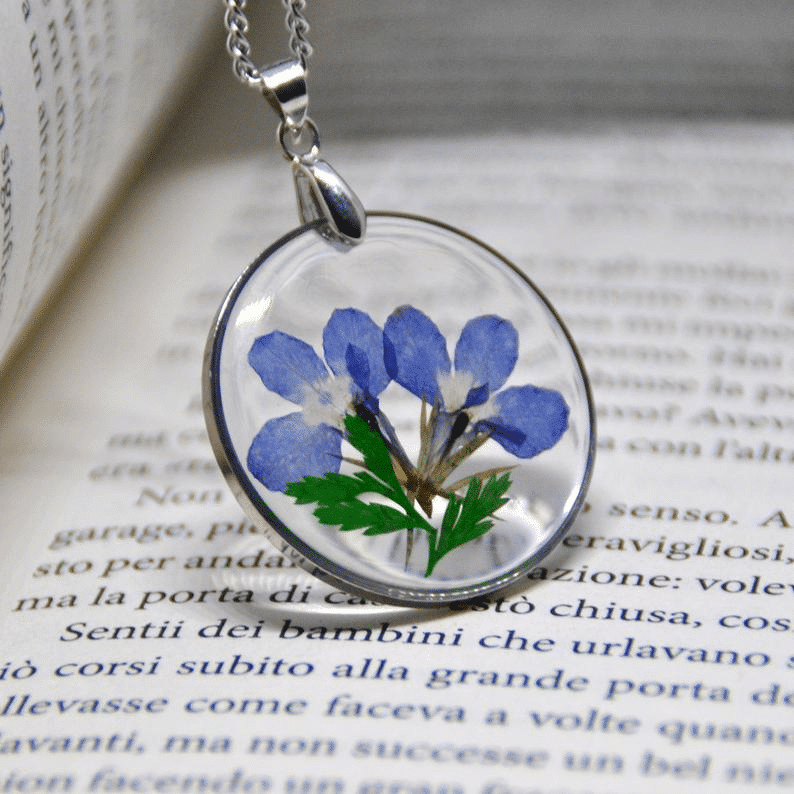
- "UV–Creation" – Fast Acrylic Resin, 3 Minute UV CurePrice range: £7.85 through £59.85UV–Creation is a fast-curing UV acrylic resin ideal for jewellery and crafts with a clear, glossy, non-yellowing finish.
- "ICreation" – Fast Epoxy Resin, 6h Demoulding, Transparent Gloss FinishPrice range: £19.40 through £52.85"ICreation" fast epoxy resin offers a 6-hour demoulding time and crystal-clear glossy finish suitable for time-sensitive art and craft projects.
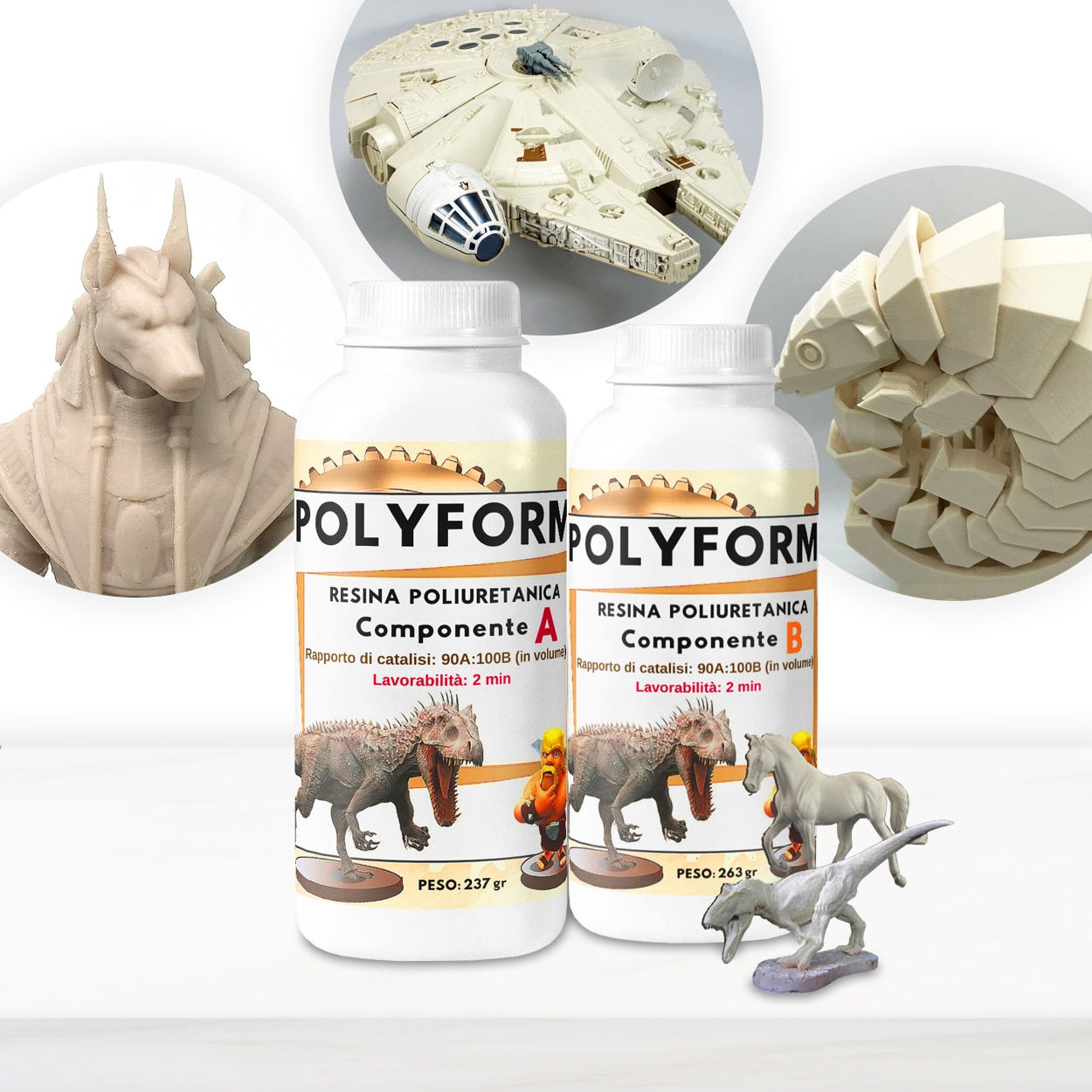 “Polyform” – Polyurethane Casting Resin, Beige, Fast-Setting for PrototypingPrice range: £19.85 through £134.85Polyform casting resin sets quickly and is suitable for precise prototype and model making applications needing durable results.
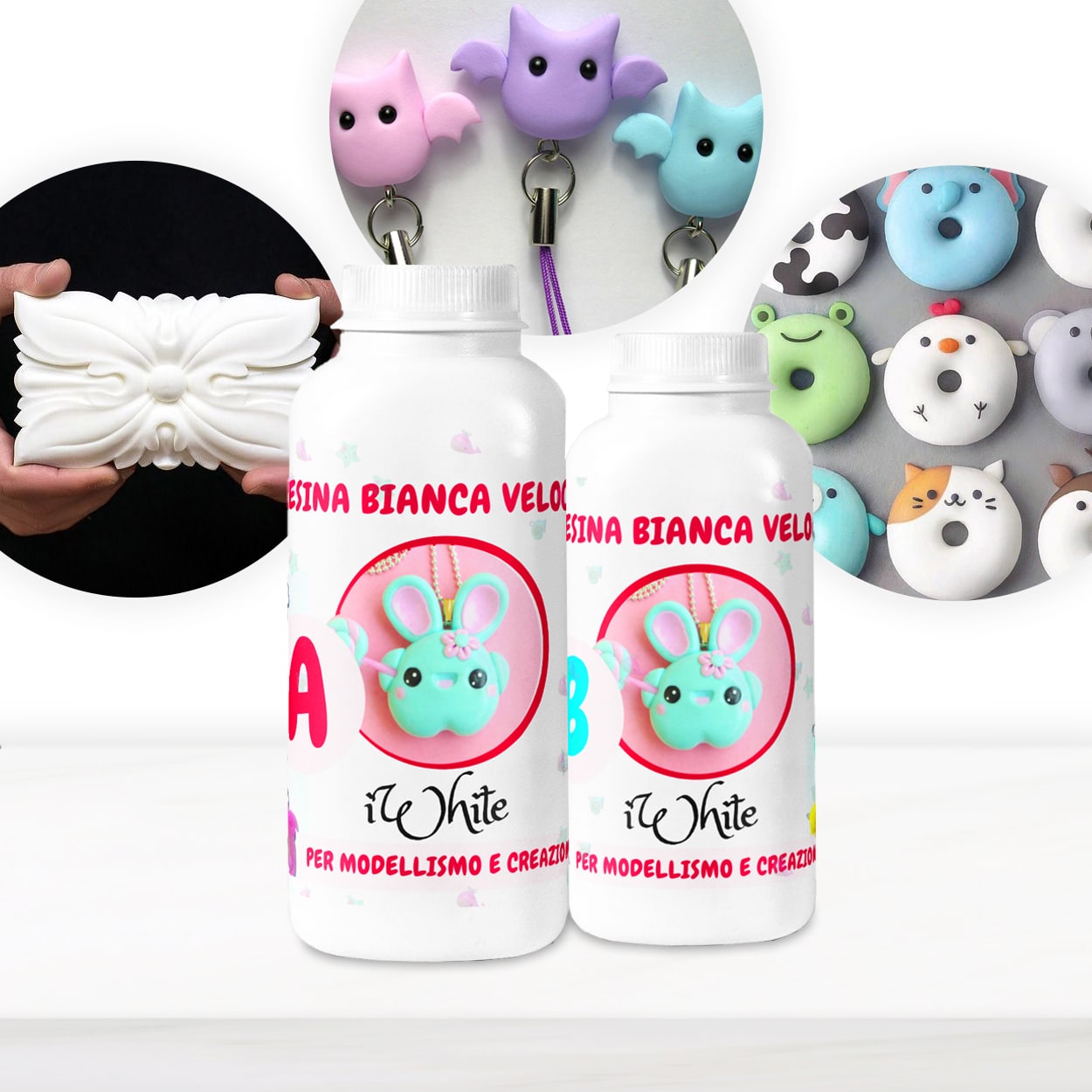 “IWhite” – Polyurethane Casting Resin – White, Fast-Curing Two-Part SystemPrice range: £22.85 through £34.85IWHITE White Polyurethane Casting Resin is suitable for fast prototyping and detailed modelling in line with the theme of how to make resin dry…
Frequently Asked Questions
Can a UV lamp be used to cure resin faster?
UV lamps rapidly cure UV-type resins in minutes, but will not work on standard epoxies or polyurethane resins.
Does room temperature affect resin drying time?
Yes, lower temperatures or high humidity levels can slow down curing—always work in a stable, room-temperature environment.
What happens if you overheat resin?
Excessive heat can cause bubbling, yellowing, or cracking. Always use gentle, indirect warmth for best results.
What is the fastest type of resin to dry?
UV-cure acrylic resins and fast-setting polyurethane blends offer the quickest curing times under correct conditions.
Will a fan help resin dry faster?
A gentle fan can improve airflow and help speed up curing, but avoid strong drafts that may disturb your work.
Does incorrect mixing cause slow curing?
Yes, inaccurate measurements or poor mixing can lengthen drying times or cause incomplete cures, so follow instructions carefully.
How can I demould epoxy resin earlier?
Use a fast-set formulation and monitor temperature; do not force demoulding, or damage can occur.