 Free shipping on orders over £29,85
  Shipping Tracking!


 Google
 Facebook
← Back to How to make moulds for resin?
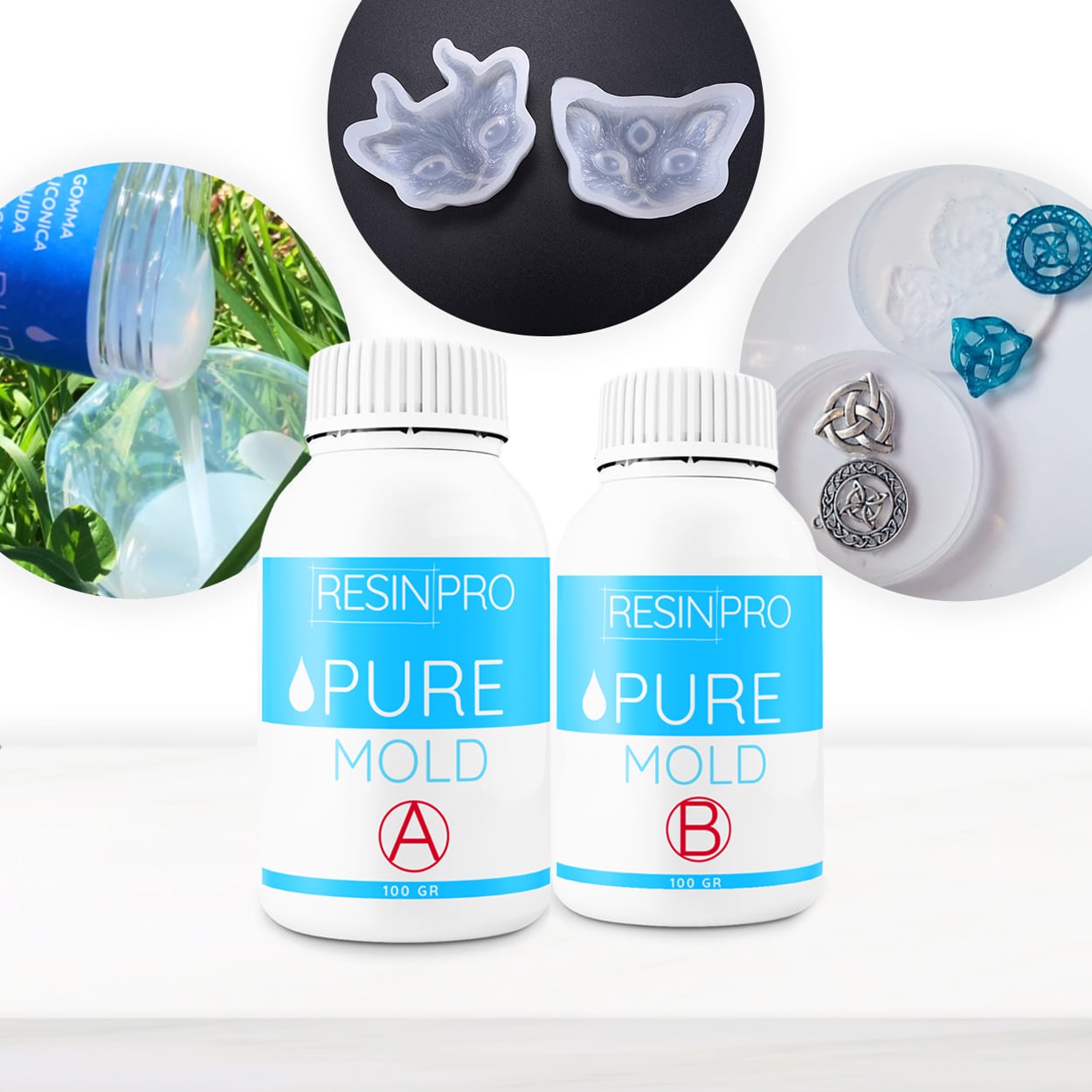
Silicone moulds are popular for creating resin pieces, but over time, small defects such as bubbles or minor tears can occur. Repairing these imperfections before your next casting preserves fine details and helps achieve quality results.
How to Spot and Assess Mould Defects
Regularly inspect your silicone moulds for small surface bubbles, nicks, or slight tears, especially after frequent use. Even minor imperfections can impact the finish of your resin castings, especially with clear or detailed pieces. Clean the mould first so you can see any defects clearly.
Simple Steps to Patch Small Defects
- Prepare your materials: Have fresh liquid silicone ready, like “Pure Mould” silicone rubber, and clean mixing tools.
- Mix a small amount: Use a minimal batch, prepared according to the manufacturer’s instructions.
- Apply carefully: Use a fine brush or spatula to dab the fresh silicone into any holes, surface bubbles, or tears. Work slowly for accuracy.
- Allow to cure fully: Wait until the patch is completely set according to the curing time on your silicone’s instructions before using the mould again.
When Quick Mould Repairs Matter
Timely patching is essential when producing detailed or transparent resin items, as even small defects can imprint or interrupt your design. It’s especially worthwhile for favourite or high-quality moulds that see regular use.
Related products
Related guides
With a bit of careful maintenance and prompt repairs, you can keep your silicone moulds in top condition and continue producing beautiful resin creations. For more guidance and products designed for resin mould making, visit our main how to make moulds for resin page.