 Free shipping on orders over £29,85
  Shipping Tracking!


 Google
 Facebook
How to make a hole in a resin sink on YouTube?
A practical guide for preparing holes in resin sinks safely


Drilling a hole in a resin sink may seem daunting, but with the right approach you can achieve a clean, professional finish without damaging your surface. Whether you’re installing taps, drains or accessories, this step-by-step guide ensures safety and success for both beginners and experienced DIYers.
What You’ll Need
- Power drill with variable speed
- Diamond-tipped hole saw or carbide drill bit (size based on hole requirement)
- Masking tape
- Measuring tape and marker
- Spray bottle with water (for cooling)
- Personal protective equipment (PPE): safety glasses, dust mask, gloves
- Support material (wooden board or foam block)

Visual Reference for Tools and Setup
Inspecting example projects or video guides can clarify safe workspace setup for resin sink drilling. Consider watching Free Step-by-Step Lesson “Kiwi Coasters” by Natalia Natirum or other resin tutorials for insights into surface preparation, even if the focus is decorative art.
Step 1: Measure and Mark the Position
Begin by accurately measuring where you need the hole placed on your resin sink. Double check your specifications for taps, waste outlets, or fittings to ensure precise placement. Use masking tape over the area to be drilled—this helps prevent the drill bit from slipping and reduces surface chipping. Mark the exact centre of your intended hole using a marker on top of the tape.
Take extra care in this step, as correcting an off-centre hole in resin is difficult. If possible, review reference guides or resources for sink installations to ensure alignment with plumbing or attachments.

Step 2: Prepare Your Workspace and Safety
Set your resin sink on a stable, padded surface supported underneath by scrap wood or foam block. This backing provides the necessary resistance and absorbs vibrations as you drill. Prioritise safety: clear any clutter, ensure good ventilation when working with resin dust, and don your PPE. Always use appropriate PPE including safety glasses and a dust mask.
Having a spray bottle filled with water will be essential for cooling the drill bit and reducing resin dust. Arrange your workspace so everything is within easy reach before beginning.
Step 3: Drill the Pilot Hole
Using a sharp diamond-tipped bit or carbide drill bit, carefully drill a small pilot hole at your marked position. Start at a low speed and apply gentle, steady pressure—do not force the drill. Work slowly and steadily, never force the drill. This approach minimises the chance of the bit wandering and keeps the resin from cracking.
Once you have a shallow indentation, step back and verify alignment. The pilot hole serves as a guide for your hole saw or larger bit in the next stage.
Step 4: Drill the Main Hole with Cooling
Attach a diamond-tipped hole saw or a carbide hole saw to your drill, matching the size required. Place the guide into your pilot hole. Start the drill at low speed. Periodically spray water onto the bit and sinking area to cool the resin and suppress dust as you drill.
Apply steady, moderate pressure, letting the tool do the work. Pause occasionally to check progress and allow both the bit and resin to cool; this is crucial to avoid softening or deforming the resin. Allow cooling time between drilling intervals to avoid heat damage. When the hole saw is close to breaking through, reduce pressure further to avoid chipping on the exit side.
Step 5: Finishing Touches and Clean-Up
Once the hole is made, carefully remove any rough or sharp edges using a deburring tool or fine sandpaper. Remove masking tape, wipe the area clean with a damp cloth, and check that the new opening fits your intended fitting or pipe accurately.
Dispose of resin dust responsibly and wash hands thoroughly after the job. Your resin sink is now ready for installation or fitting accessories as required.
Tips, Common Mistakes and Troubleshooting
Preparation and patience are key. Measure twice and use masking tape before drilling. Make sure your drill bits are sharp and designed for use on hard surfaces—blunt bits are more likely to cause issues. Sharp drill bits reduce the risk of cracks or chips.
If you notice excess heat or burnt resin odour, stop drilling and let the area cool before resuming. Should any cracks appear, seal them with a suitable epoxy resin before reuse. If unsure, search for detailed visual references or video demonstrations to observe the technique before replicating it on your own sink.
Example: Deep Pour Resin Usage
Understand the properties of resins commonly used in sink and surface creation. Products such as “Epoxytable 10-Ten” – Deep Pour Epoxy Resin for Tables, Up to 10cm Casting illustrate how thick resin castings behave and why the right drilling approach matters for maintaining structural integrity in such projects.

- Free Step-by-Step Lesson "Kiwi Coasters" by Natalia NatirumOriginal price was: £99.00.£0.00Current price is: £0.00.A free video tutorial showing how to make resin kiwi-like trays and coasters using commonly used materials.
- Free Step-by-Step Lesson – "Pomegranate Trays" by Natalia NatirumOriginal price was: £99.00.£0.00Current price is: £0.00.Free video tutorial on creating resin pomegranate trays with guidance from Natalia Natirum, matching the theme.
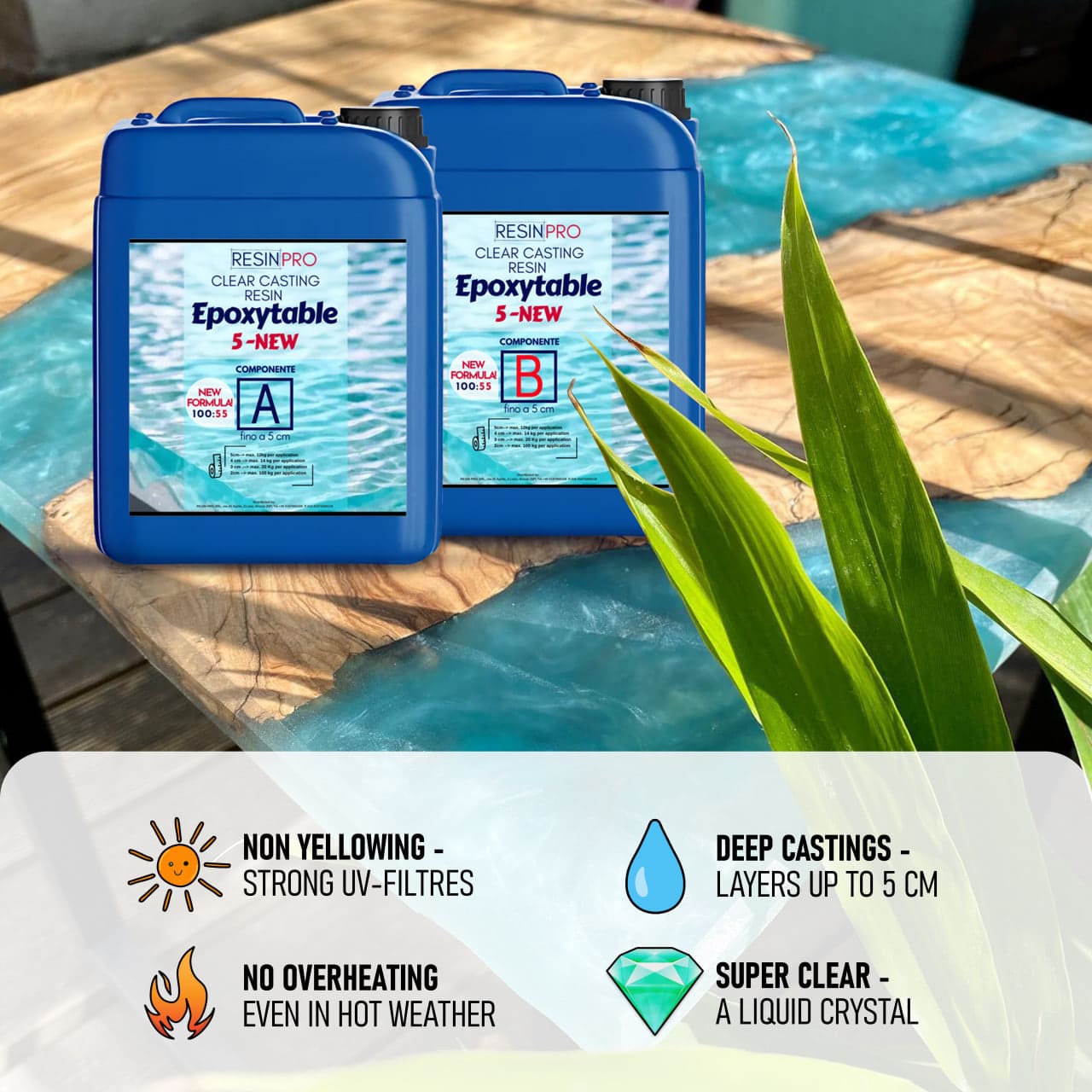
- "EpoxyTable 5-Five" – Deep Pour Epoxy Resin for Tables and Large Projects – Up to 5cmPrice range: £16.85 through £1,099.85"EpoxyTable 5-Five" is designed for deep pouring projects up to 5cm thick. Suitable for tables and large resin art with strong UV protection.
 “Epoxytable 10-Ten” – Deep Pour Epoxy Resin for Tables, Up to 10cm CastingPrice range: £33.85 through £334.85Epoxy resin designed for deep casting up to 10cm, suitable for tables and large projects within the theme.
Frequently Asked Questions
Can you drill a hole in a resin sink?
Yes, you can drill a hole in a resin sink using the correct drill bits and careful technique to avoid cracks.
Which tool is best to make a hole in resin?
A diamond-tipped or carbide drill bit is best for making clean, precise holes in resin materials.
How do you avoid cracks when drilling a sink?
Use sharp bits, go slowly, keep the drill bit cool with water, and support the sink from below to prevent cracks.
How do you remove chips from a drilled resin hole?
Smooth chipped edges with fine sandpaper or a deburring tool after drilling to achieve a neat finish.
Should you use water cooling when drilling resin?
Yes, water cooling prevents overheating, controls dust, and protects the resin from softening or burning.
What safety gear do you need for drilling resin?
Always wear safety glasses, gloves, and a dust mask to protect against resin dust and flying chips.