 Free shipping on orders over £29,85
  Shipping Tracking!


 Google
 Facebook
How to make a resin garage floor?
Step-by-step guidance for strong, stylish resin flooring

Creating a resin garage floor offers exceptional durability, easy cleaning, and a modern, attractive finish. Whether you want a seamless high-gloss look or a decorative pebble style, this guide covers each step for preparing, priming, and applying resin to achieve professional results on concrete or similar substrates.
What You’ll Need
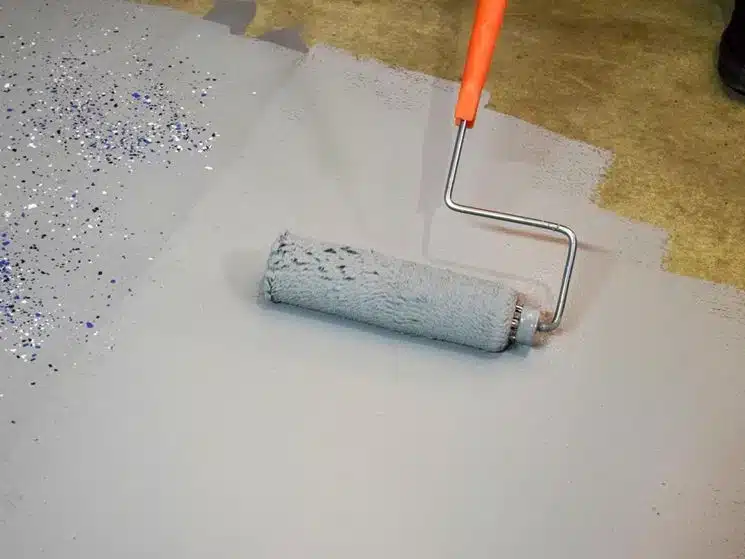
- “Epoxyprimer” – Universal Water-Based Two-Component Epoxy Floor Primer – for superior adhesion on concrete and similar surfaces
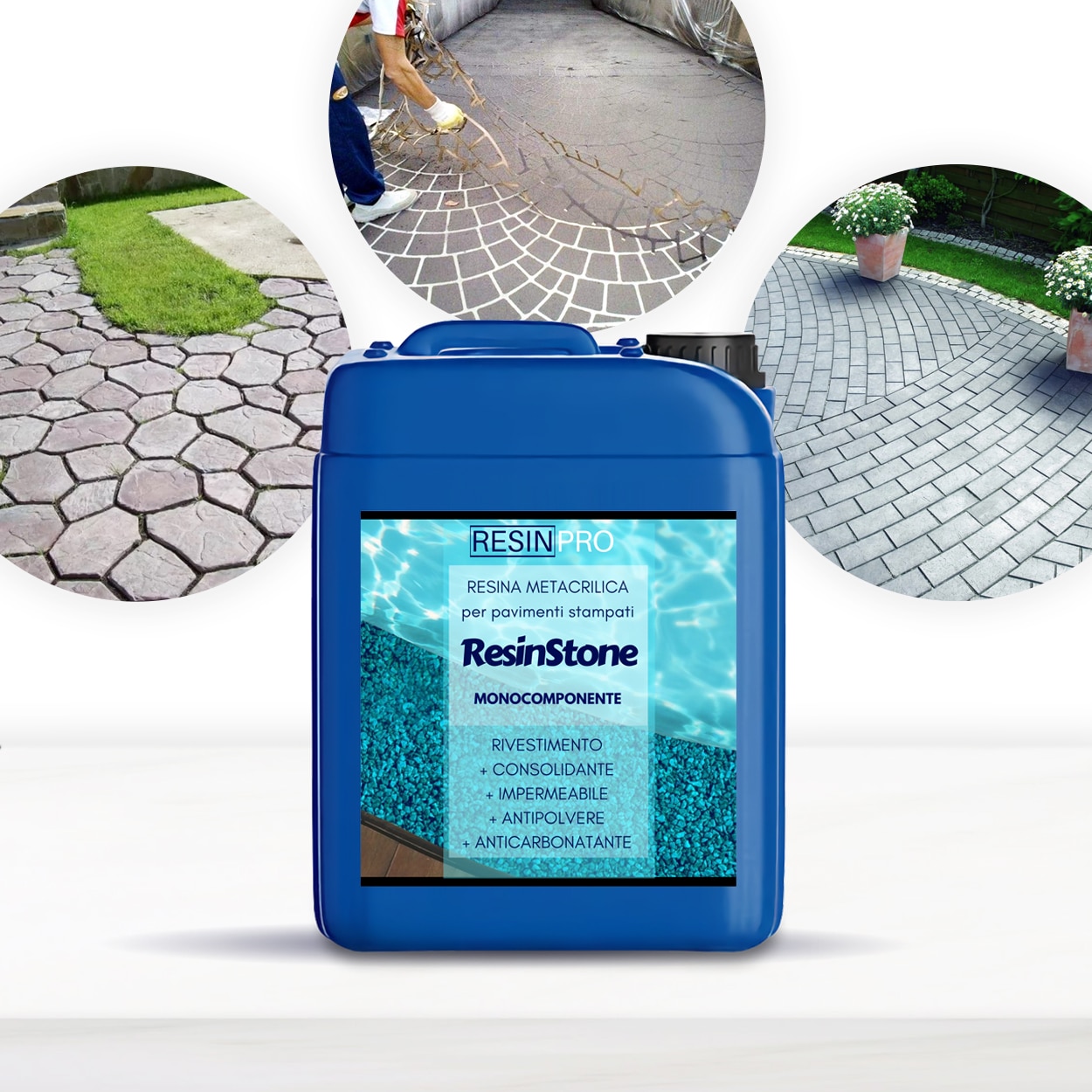
- “Resinstone” – One-Component Methacrylic Resin for Concrete Floors and Driveways – for sealing and finishing concrete floors
- “Trasparente” – Epoxy Binder for Coloured Pebbles and Grits – for decorative stone or pebble garage floors
- “Flowstone” – Complete Permeable Floor Kit with Pebbles and Resin – for a permeable decorative finish
- Protective gloves and goggles
- Mixing buckets and mixing sticks or paddle drill
- Roller, brush, or trowel (as appropriate)
- Masking tape (for edges)

Surface Prep Essentials
Proper preparation is the foundation of any successful resin floor installation. Remove debris, clean oil stains, and repair cracks for a stable starting point. This prep work will ensure optimal adhesion and longevity for your garage flooring system.
Step 1: Prepare the Surface
Start by thoroughly cleaning the garage floor. Remove any loose debris, oil stains, and grease using a degreaser and stiff brush; rinse off any cleaning residue and allow the floor to dry completely. Old paint or flaky areas should be scraped or sanded, and significant cracks filled with appropriate repair compounds.
Cleanliness is crucial for adhesion: Dust, grease, or moisture can compromise the resin bond and reduce the lifespan of the floor. Use masking tape to protect wall edges or adjoining areas you do not want coated.
Assess the readiness of the substrate—it should be solid, dry, and stable. Avoid excessive moisture in concrete, as this can lead to bubbling or poor adhesion in later steps.

Step 2: Prime the Floor
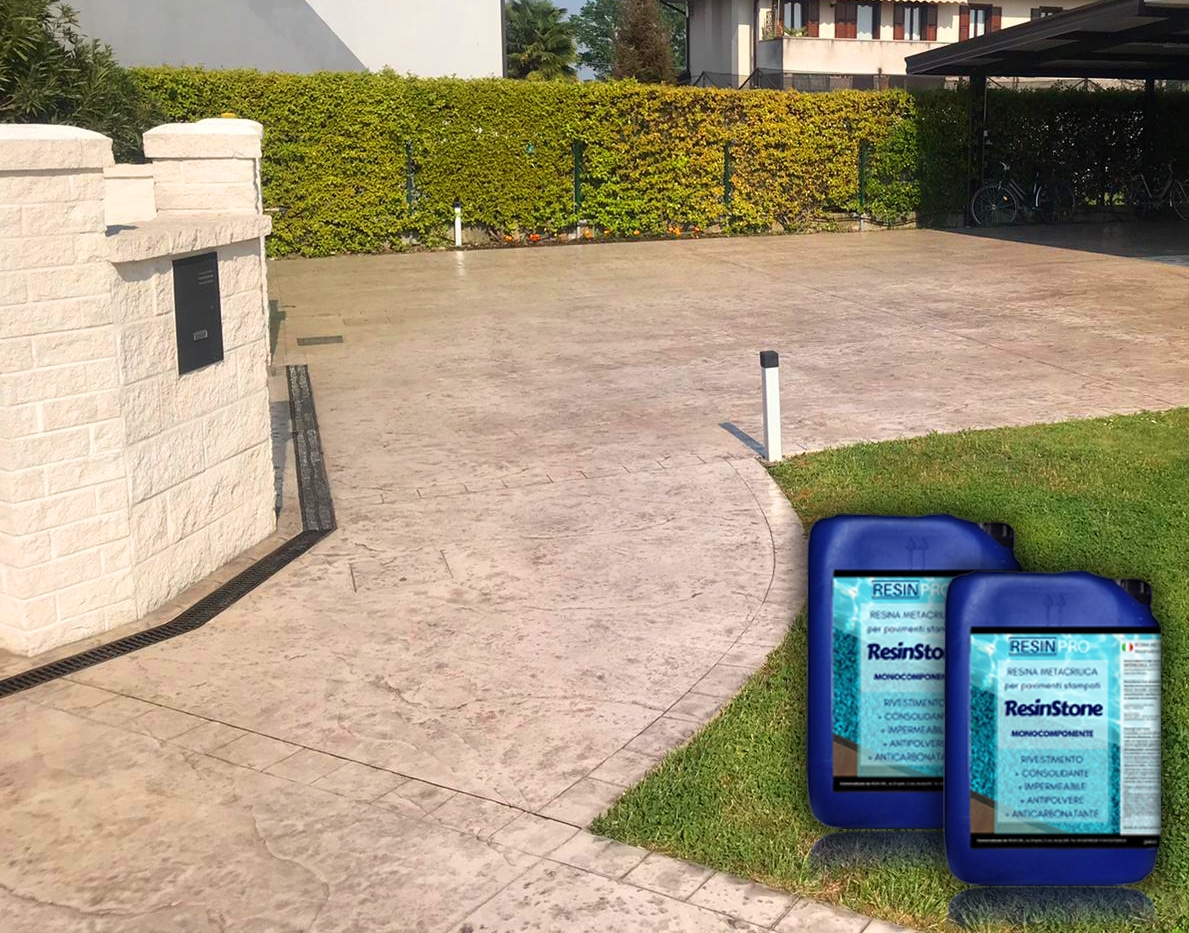
Once clean and dry, prime the surface to maximise resin adhesion. For concrete floors, a dedicated primer such as “Epoxyprimer” – Universal Water-Based Two-Component Epoxy Floor Primer is ideal. Mix the components as directed and apply with a roller or brush to create an even, consistent layer.
Allow the primer to cure fully—usually 24–48 hours—before moving to the next stage. Priming not only enhances bond strength but also evens out porosity for a smoother, longer-lasting finish.
Plan for drying and curing times: Rushing can cause later layers to delaminate or cure improperly. Make sure all primed surfaces are dry to the touch before recoating.
Step 3: Apply Your Chosen Resin System
After priming, you can apply your preferred resin floor finish.
For a traditional, smooth resin garage floor, use a sealing and finishing resin such as “Resinstone” – One-Component Methacrylic Resin for Concrete Floors and Driveways. Mix according to manufacturer’s guidance and pour onto the surface, spreading evenly with a roller or squeegee. Thin coats ensure deeper penetration and better resistance. Allow the product to cure; most floors are ready for light use after about 12 hours and full use within 24 hours.
For decorative or permeable finishes, opt for a binder such as “Trasparente” – Epoxy Binder for Coloured Pebbles and Grits or a complete kit like “Flowstone” – Complete Permeable Floor Kit with Pebbles and Resin. These systems are mixed with coloured aggregates and then spread onto the floor, compacted and left to cure. Follow the kit’s included guidance for best results and specific ratios.
Always work in a well-ventilated space and wear protective equipment.
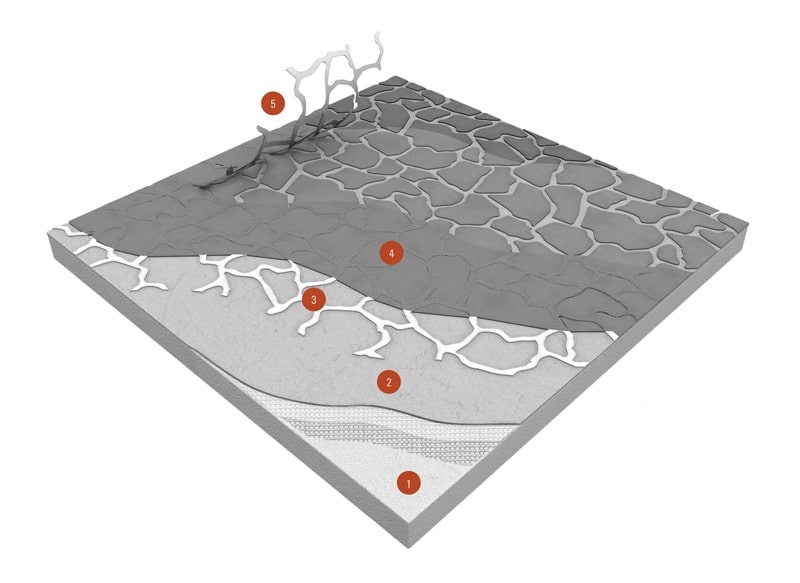
Step 4: Final Curing and Clean-Up
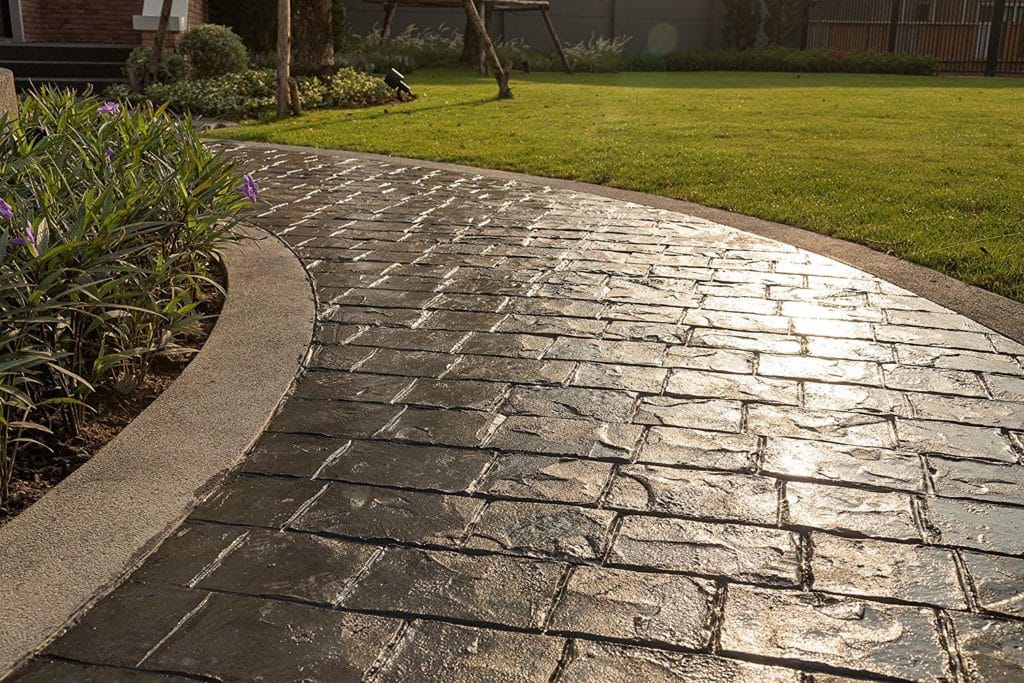
Do not walk on or drive over your new resin floor until the curing process is fully complete. Curing times may vary with temperature and humidity, but it is vital to observe manufacturer recommendations to avoid damage.
Remove masking tape while the resin is still slightly tacky to ensure crisp, clean edges. Once fully cured, the garage floor will resist stains, abrasion and most chemicals. Sweep or damp-mop as usual for an easy-care surface.
Tips, Common Mistakes and Troubleshooting
Ventilate the workspace well when using resin products indoors.
Avoid excess moisture in the substrate to prevent bubbling or adhesion issues—if in doubt, test with a moisture meter.
Do not rush application between layers; always allow each coat to dry as specified.
If a resin layer fails to cure or remains tacky, scraping off affected areas and reapplying fresh product may be necessary after confirming that the underlying layer is dry and free of contamination.
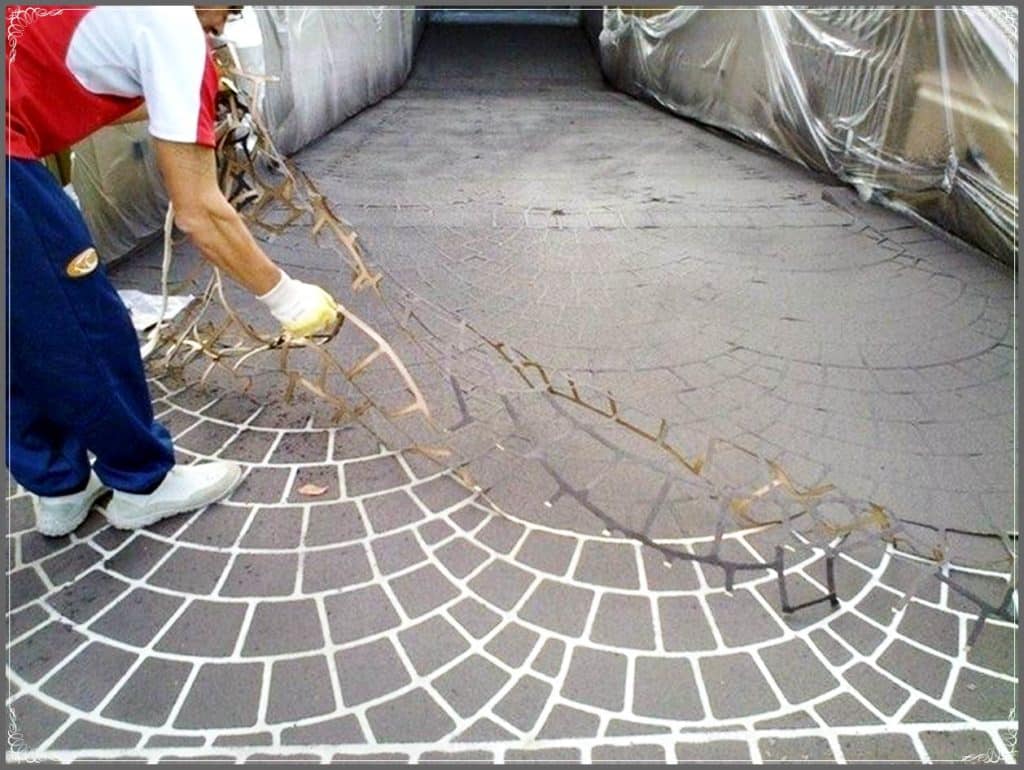
Curing and Maintenance Visuals
Quality and durability improve with correct curing. Always allow sufficient time for each layer to set before using the floor. Routine sweeping or a quick mop keeps your new floor in pristine condition for years to come.

- "Epoxyprimer" – Universal Water-Based Two-Component Epoxy Floor PrimerPrice range: £156.45 through £286.45Epoxyprimer is a water-based epoxy floor primer designed for reliable adhesion and suitable for concrete, wood, tiles and screeds.
- "Resinstone" – One-Component Methacrylic Resin for Concrete Floors and DrivewaysPrice range: £36.71 through £336.48"Resinstone" is a one-component methacrylic resin formulated for sealing concrete floors with durable, moisture-resistant protection.
 "Trasparente" – Epoxy Binder for Coloured Pebbles and GritsPrice range: £33.45 through £397.95"Trasparente" is a transparent epoxy binder designed for coloured pebbles and grits to achieve clear, UV-stable decorative floors.
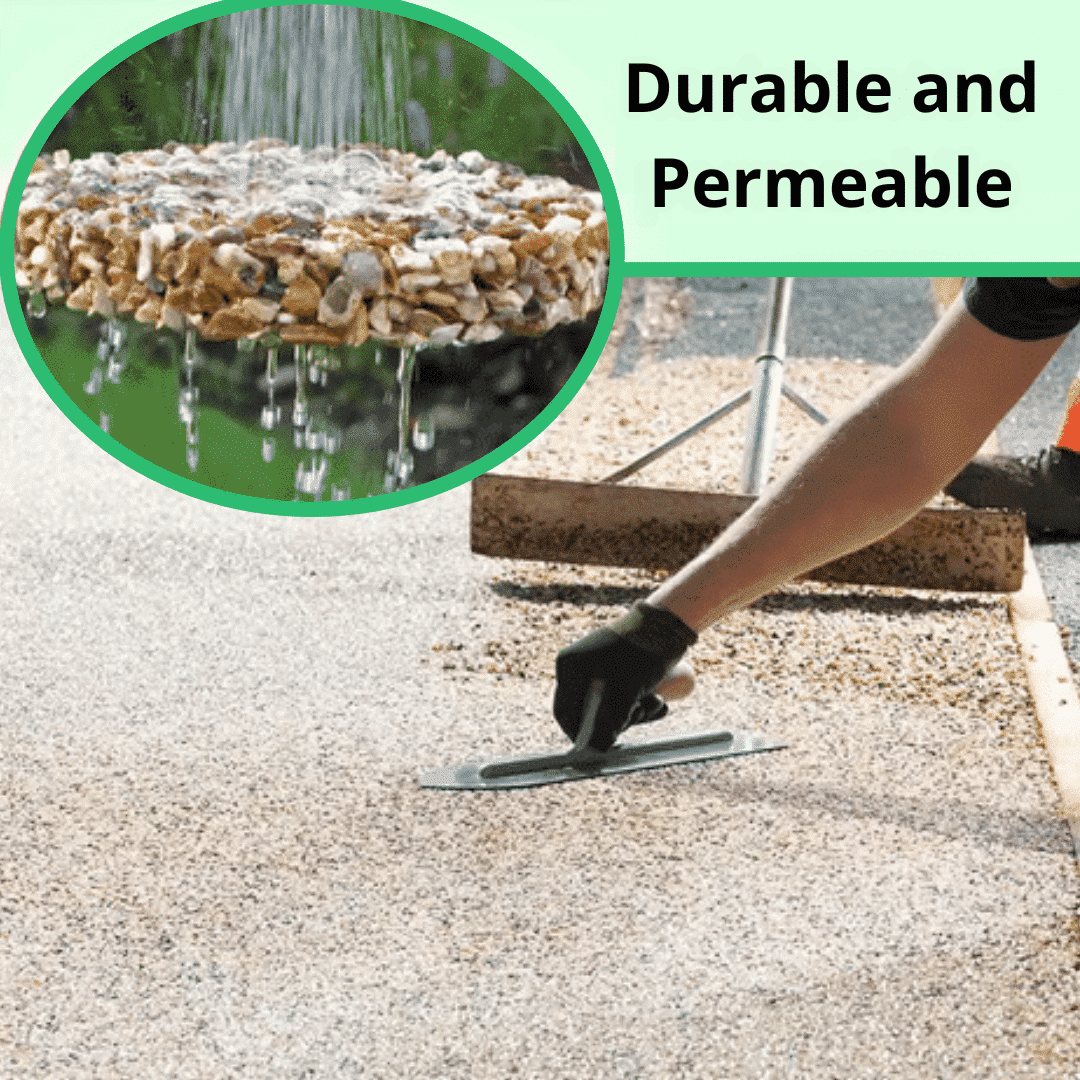 "Flowstone" – Complete Permeable Floor Kit with Pebbles and ResinPrice range: £49.95 through £3,915.45"Flowstone" kit provides a durable, permeable pebble and resin flooring system with detailed guidance for UK outdoor applications.
Frequently Asked Questions
Do I need to prime a garage floor before applying resin?
Yes, priming improves adhesion and durability for all types of resin garage floors. Use primers suitable for your substrate.
How long does a resin garage floor need to cure?
Curing times vary by product but range from 12 to 48 hours. Always follow manufacturer guidelines before walking or driving on the surface.
Can I install resin flooring over old concrete?
Yes, as long as the concrete is clean, stable and free of moisture. Proper preparation is key to long-lasting results.
What if my resin floor remains tacky after curing?
A tacky finish may indicate insufficient mixing, curing or moisture problems. Remove affected areas and reapply as needed.
Which resin system should I use for a decorative pebble garage floor?
Transparent epoxy binders like "Trasparente" or kits such as "Flowstone" are recommended for pebble floors, ensuring durability and aesthetic appeal.
Should I hire a professional or can I do this myself?
With careful preparation and attention to instructions, many DIYers achieve excellent results. Larger or complex floors benefit from expert help.