 Free shipping on orders over £29,85
  Shipping Tracking!


 Google
 Facebook
How to make a Vray resin floor?
Step-by-step guide for a durable, aesthetic resin floor finish

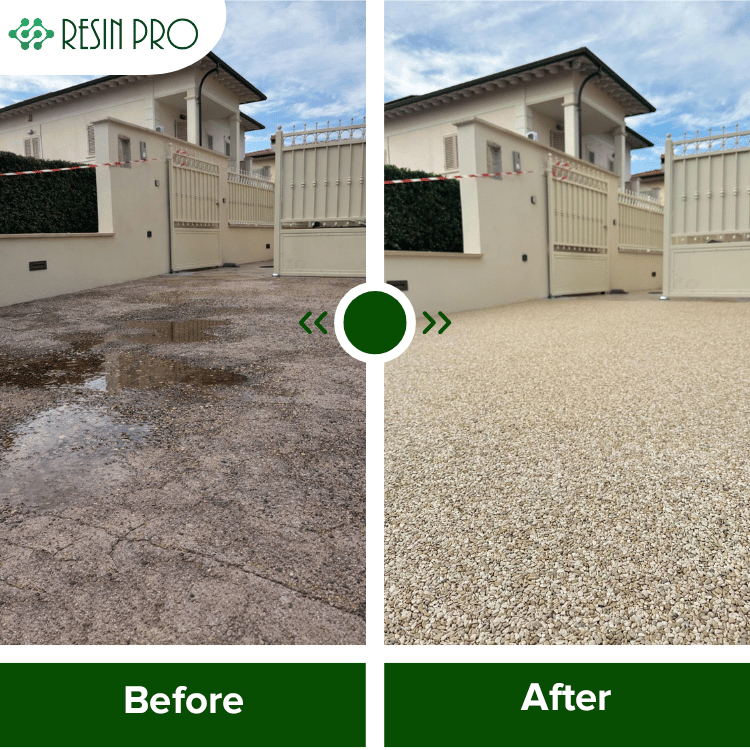
Creating a Vray resin floor offers a stunning, seamless finish for contemporary spaces, both indoors and out. This guide details each step to achieve a durable, permeable surface with that distinctive ‘rendered in Vray’ look, covering preparation, resin mixing, and installation techniques. Whether you’re a DIY enthusiast or a professional, follow these practical instructions for a reliable, attractive outcome.
What You’ll Need
- “Epoxyprimer” – Universal Water-Based Two-Component Epoxy Floor Primer: A water-based primer for preparing concrete, screed, tile, or timber surfaces.
- “Flowstone” – Complete Permeable Floor Kit with Pebbles and Resin: All-in-one kit for outdoor permeable pebble resin flooring.
- “Trasparente” – Epoxy Binder for Coloured Pebbles and Grits: For vibrant, coloured aggregate floors.
- “Polirock” – Polyurethane Binder for White Stones, 2kg Two-Component Kit: For decorative, long-lasting finishes with white stones.
- Aggregates or pebbles of your colour/size choice
- Mixing tools (drill with paddle, bucket, or cement mixer for large areas)
- Application tools (spatula, trowel, or squeegee)
- Protective gloves and suitable clothing
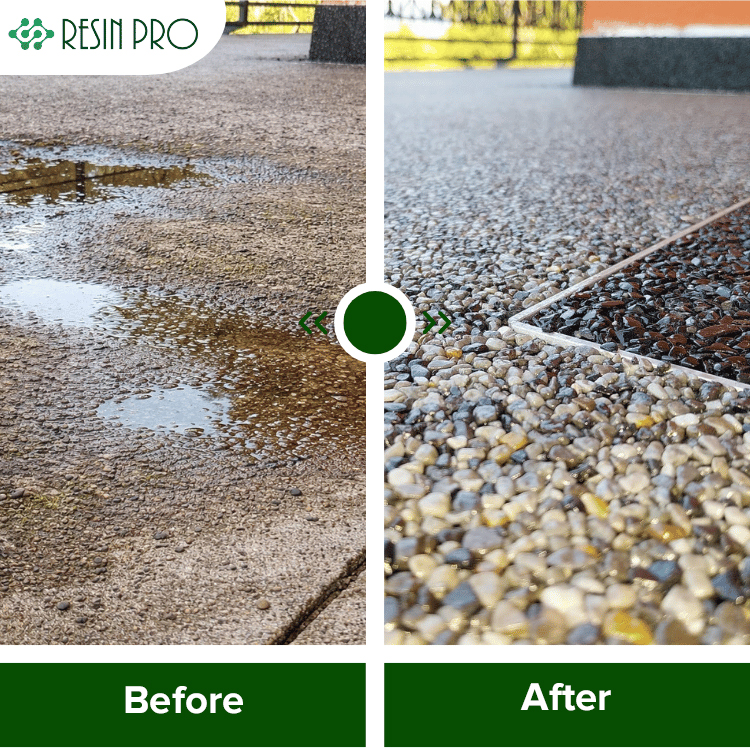
Essential Tools and Application Close-Ups
View detailed images showing the mixing of resin binders, priming techniques, and hands-on application of pebbles with resin to visualise each stage of your Vray resin floor project. High-quality visuals help demystify the tools and tactile steps required for a professional result.
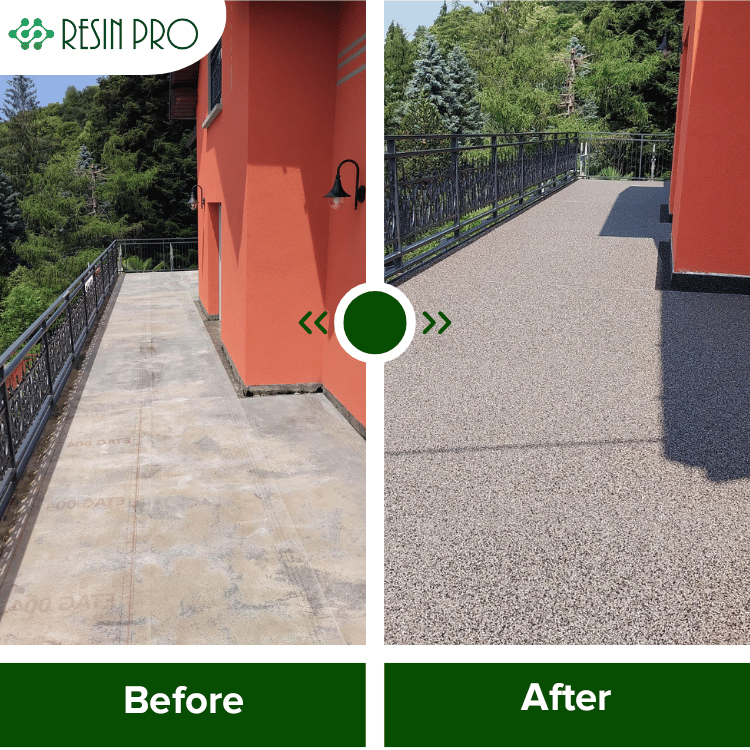
Step 1: Prepare the Surface Thoroughly
The foundation of any resin floor is the surface you start with. Remove all dust, debris, grease and old coatings from your substrate. If working over concrete or screed, repair cracks and ensure the base is stable, clean, and dry. Timber or tile bases must be fully adhered and free from movement for best results. Taking time at this stage prevents problems like poor adhesion or uneven finish later. Check substrate stability and cleanliness before any resin application.
Once clean, apply “Epoxyprimer” – Universal Water-Based Two-Component Epoxy Floor Primer as your primer layer. Use a roller or brush for an even coat and allow it to cure as per product instructions—typically 24–48 hours.
Step 2: Mix Resin Binder and Aggregates Evenly
Next, prepare your resin binder and aggregates. Choose the correct binder for your stones: select “Polirock” – Polyurethane Binder for White Stones, 2kg Two-Component Kit if using white or light-coloured stones, or “Trasparente” – Epoxy Binder for Coloured Pebbles and Grits for vibrant or dark aggregates. Kits like “Flowstone” – Complete Permeable Floor Kit with Pebbles and Resin provide all components measured for optimal results.
Put on gloves and eye protection. In a large bucket or mixer, thoroughly combine your aggregates and resin to ensure every stone is evenly coated. Follow the resin–stone ratio recommended by the product to avoid weak spots or waste. Mix aggregates and resin thoroughly for even impregnation.
Step 3: Apply and Level the Resin-Aggregate Mix
Pour the freshly mixed resin and aggregate onto your primed surface. Distribute evenly with a trowel, spatula, or squeegee. Level the mix to the desired thickness, usually between 10–20 mm for standard applications. Work methodically in sections, ensuring a consistent, seamless aesthetic. Do not overwork the area, as this can draw resin to the surface or create unevenness.
Compacting gently with a float will help eliminate voids and ensure maximum strength and durability. Pay attention to edges and joints to maintain a neat finish.

Step 4: Allow Proper Curing and Perform Finishing Steps
Once laid, allow the floor to cure undisturbed. Curing times depend on temperature and product type but typically range from 24–72 hours. Protect the floor from dust, water, rain, and heavy traffic during this stage. Allow each layer to cure fully to ensure adhesion and longevity.
After full curing, perform any finishing touches—such as cleaning, edge trimming, or anti-slip treatments where needed. Your new Vray resin floor is now ready for use and will provide durable, appealing performance in all seasons.
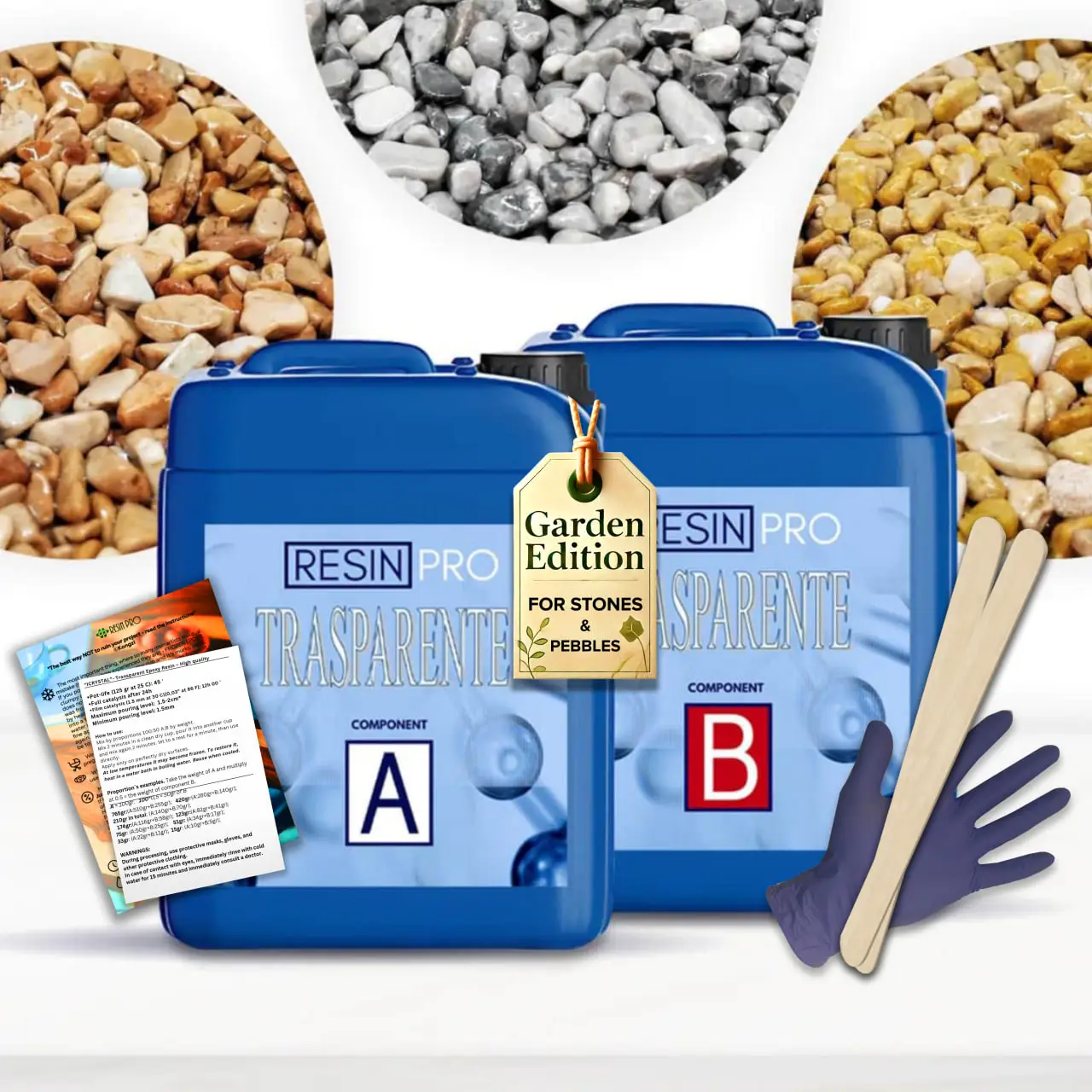
Tips and Common Mistakes in Vray Resin Flooring
- Use correct binder for your chosen stone or aggregate. Polyurethane is needed for white stones; use the appropriate epoxy for coloured or dark stones.
- Ensure all equipment is clean before starting to avoid contamination.
- Wear protective gear to prevent skin or eye contact with uncured resin.
- Avoid application during rain, frost, or high humidity. Work in suitable weather—avoid rain or very humid conditions.
- Don’t rush curing times—patience leads to a better, longer-lasting result.
Finish Variations and Project Inspiration
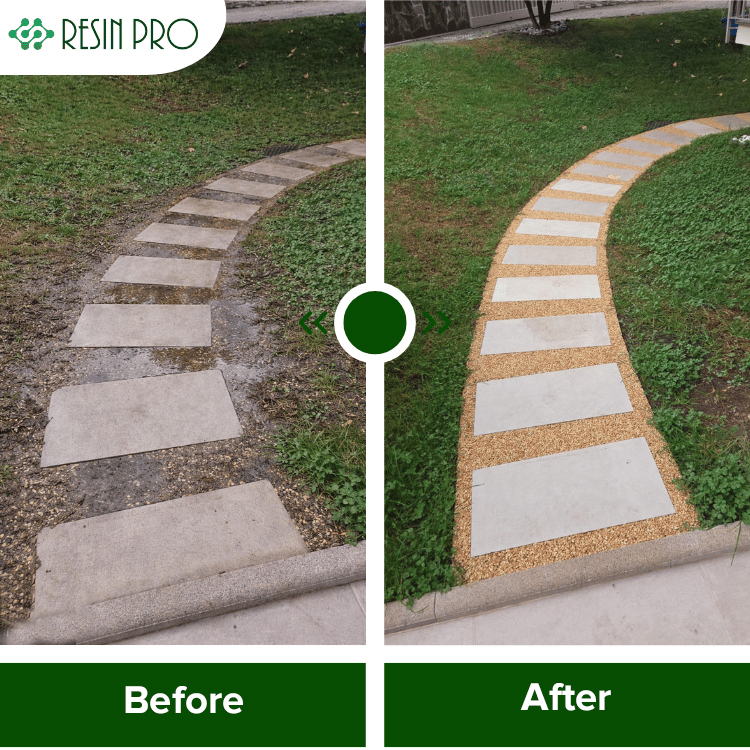
Explore examples of completed resin pebble floors in various colours and aggregate sizes, plus different surface finishes perfect for driveways, paths, or patios. Let these images guide your design and help you anticipate the final look of your Vray resin floor.
- "Flowstone" – Complete Permeable Floor Kit with Pebbles and ResinPrice range: £42.85 through £3,389.85"Flowstone" kit provides a durable and permeable pebble and resin solution, suitable for UK patios and paths with step-by-step guidance.
- "Trasparente" – Epoxy Binder for Coloured Pebbles and GritsPrice range: £31.85 through £948.85"Trasparente" is a clear epoxy binder suitable for coloured pebbles and grits, offering UV resistance and a bubble-free finish for resin floors.
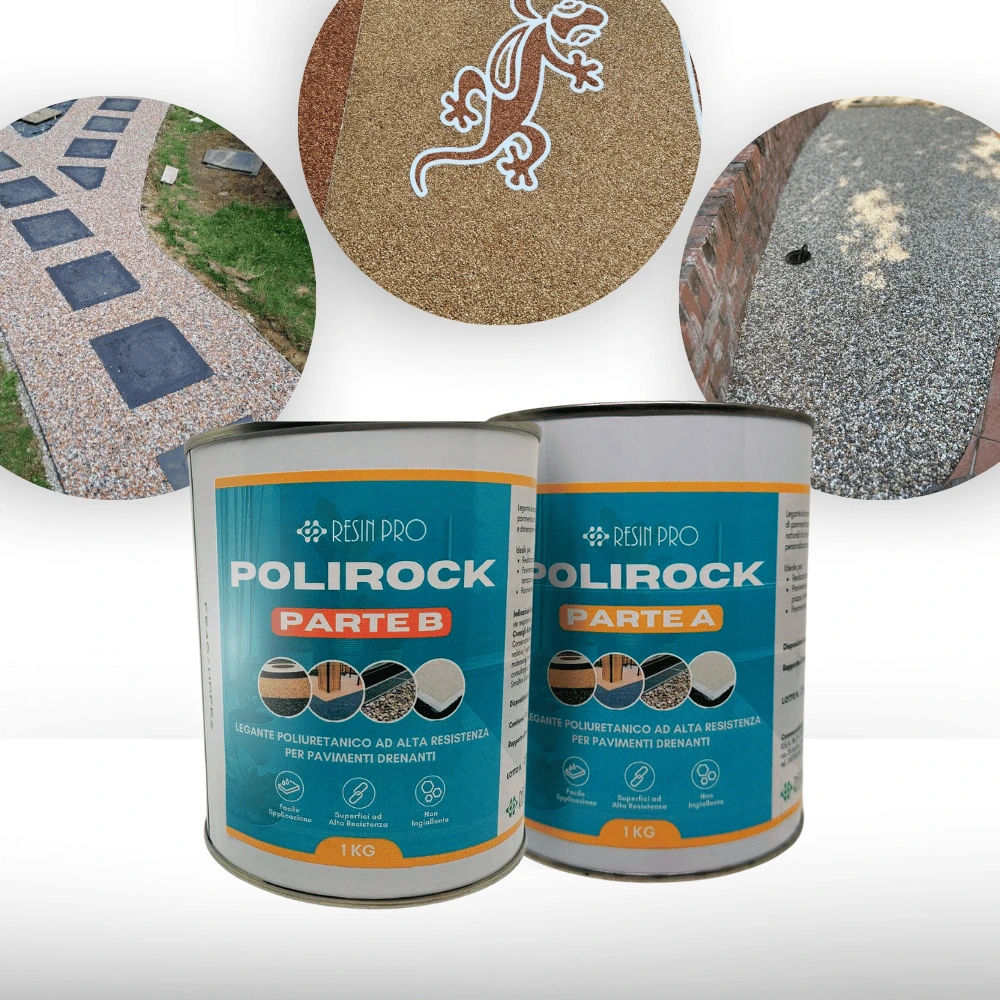 "Polirock" – Polyurethane Binder for White Stones, 2kg Two-Component Kit£58.85"Polirock" polyurethane binder for white stones is a two-component kit designed for durable and decorative outdoor surfaces.
 "Epoxyprimer" – Universal Water-Based Two-Component Epoxy Floor PrimerPrice range: £148.84 through £272.45"Epoxyprimer" is a water-based two-component epoxy floor primer designed for reliable adhesion on various stable surfaces.
Frequently Asked Questions
Can I install a Vray resin floor both indoors and outdoors?
Yes, Vray resin floors are suitable for both indoor and outdoor environments, provided you use the right binders and follow correct preparation steps.
How long does it take for a Vray resin floor to cure?
Final curing typically takes between 24 and 72 hours, depending on product, thickness, and weather conditions.
What surfaces can serve as a base for a resin floor?
Stable concrete, screed, tiles, and timber are all suitable, as long as they are well-prepared and dry.
Is it necessary to use a primer before applying the resin mix?
Yes, a primer promotes adhesion and prevents delamination between the base and the resin-aggregate layer.
How do I prevent yellowing on white stone floors using resin?
Use a non-yellowing polyurethane binder specifically formulated for white stones for lasting clarity.
Can resin pebble floors be made slip-resistant?
Yes, anti-slip finishes are a feature of many resin-aggregate systems and can be enhanced with surface texturing.
What are the most common mistakes made when creating a Vray resin floor?
Skipping primer, not mixing resin thoroughly, or applying in the wrong weather can all affect results and long-term durability.