 Free shipping on orders over £29,85
  Shipping Tracking!


 Google
 Facebook
How to Make Bracelets with Resin
Easy guide to casting, finishing, and customising resin jewellery pieces.


Resin bracelets offer a beautiful way to create unique, personalised jewellery right at home. Whether you are a beginner or an experienced crafter, mastering the fundamental steps of the resin bracelet-making process ensures impressive, professional-looking results every time. This guide walks you through every stage, from preparation to the finishing touches, so you can confidently craft your own bespoke accessories.
What You’ll Need
- “Evershine Collection” – Artisan Jewellery Epoxy Resin Kit with 100+ Accessories: A comprehensive kit for beginners with essential resin, pigments, moulds, and findings.
- “UV–Creation” – Fast Acrylic Resin, 3 Minute UV Cure: Ideal for rapid curing and layering detailed bracelet pieces.
- “One-2-One” – Epoxy Resin for Handcraft, 1:1 Mixing Ratio: A versatile epoxy resin for both novices and experienced crafters.
- “Icrystal” – Clear Epoxy Resin – Odourless Formula – Up to 1.5cm: Best for deep or extra-clear bracelet castings requiring an odourless, high-gloss finish.
- Silicone bracelet moulds (various sizes/styles)
- Protective gloves, apron, and well-ventilated space
- Mixing cups, stirrers, droppers or pipettes
- Pigments, glitters, dried flowers, or decorative inserts (optional)
- UV lamp (for UV-cured resin)
- Fine sandpaper, polishing compound, soft cloth
- Mini drill (for fitting findings, optional)

Inspiration: Resin Bracelets in Progress
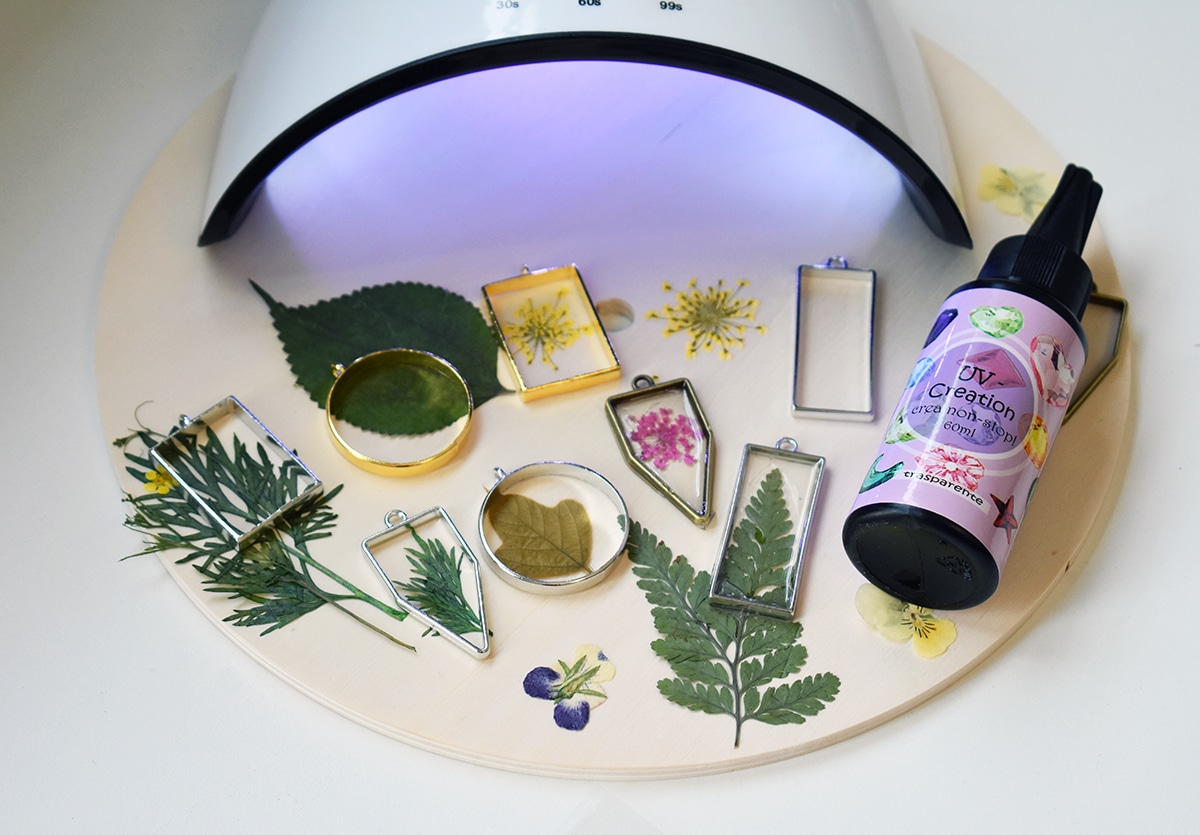
Watch resin transform raw components into radiant jewellery. Each bracelet reflects your own style, whether you choose sparkling pigments, pressed flowers, or a clear crystal look. Designs can be sleek and minimal or colourful and decorative. Explore ideas using alphabet moulds, glitters, and decorative findings for truly personalised accessories.
Step 1: Prepare Your Work Space and Moulds
Organise all your materials on a protected, even surface in a well-ventilated area. Cover your table with plastic sheeting or baking paper to prevent resin spills from sticking. Thoroughly clean your silicone bracelet moulds; any dust or grease can leave permanent marks. If you want particularly shiny results, lightly polish the inside of the mould. Thorough preparation is key for flawless results.
Have your design elements ready. Lay out pigments, glitters, dried flowers, or other inserts you plan to embed within the resin.
Always wear gloves before you begin mixing or pouring resin, and consider wearing an apron to protect clothing.
Step 2: Mix and Colour Your Resin
Following your chosen resin’s instructions, accurately measure the components—epoxy and hardener, or single-pour UV resin. Many crafters find the “One-2-One” – Epoxy Resin for Handcraft, 1:1 Mixing Ratio particularly beginner-friendly due to its simple equal-parts mixing by volume. Mix slowly and thoroughly until the resin is perfectly blended and bubble-free.
Now is the time to add pigment powders, liquid dyes, glitters, or tiny decorative items. Stir gently to fully disperse any colourants without introducing extra air. Take your time to measure and mix precisely—under- or over-mixed resin may not cure as expected, leaving soft or cloudy patches.
If you prefer a fast finish, the “UV–Creation” – Fast Acrylic Resin, 3 Minute UV Cure lets you skip mixing entirely and sets rapidly under UV light. Always follow safety advice for the specific resin in use.
Step 3: Pour and Cure the Bracelets
Slowly pour the prepared resin into your silicone moulds in a thin, even stream. For wider or chunkier bangle designs, the “Icrystal” – Clear Epoxy Resin – Odourless Formula – Up to 1.5cm works well for single layers up to 1.5cm thick. Tap the mould gently on the table to release trapped air bubbles. A pin or toothpick can help you pop stubborn bubbles on the surface.
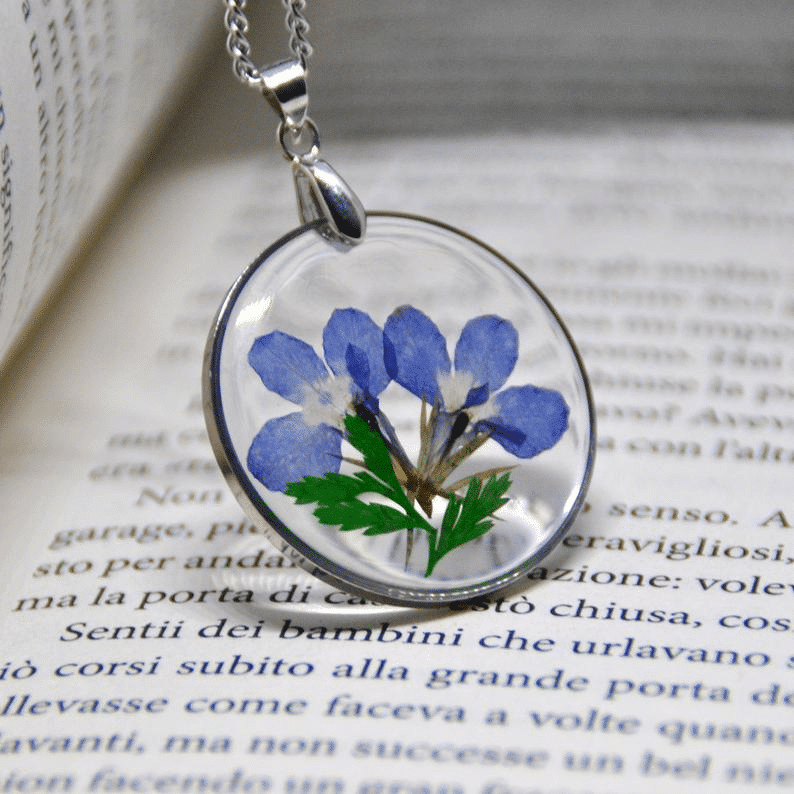
If using UV resin, fill, then immediately place the piece under a UV lamp for the recommended time (typically 2–3 minutes). For two-part epoxy resins, leave undisturbed on a level surface to cure; curing times range from several hours to overnight depending on the resin type. Avoid moving or touching the bracelet until fully set, as this can cause fingerprints or distortions.
Step 4: Demould and Finish Your Bracelet
Once completely cured, gently flex and peel back the silicone mould to release the bracelet. Demould when fully cured for best clarity—removing too soon can warp or mar the surface. Minor imperfections or sharp edges can be smoothed using fine wet-and-dry sandpaper.
Polish the bracelet surface with a soft cloth and a little dedicated resin polish for a high-gloss finish. To turn plain resin bands into functional jewellery, use a mini drill to add jump rings, chains, or charms. The accessory tools from the “Evershine Collection” – Artisan Jewellery Epoxy Resin Kit with 100+ Accessories offer an easy way to finish and personalise your creations.
Tips, Troubleshooting, and Common Pitfalls
Common pitfalls include under-measuring or insufficient mixing, which can result in sticky or soft spots. To avoid bubbles, always mix gently and pour slowly. If a piece appears cloudy, double-check that the mould and all inclusions are clean and completely dry before casting.
Never force demoulding before full cure—patience is rewarded with clearer, tougher bracelets. Work in a ventilated space and use gloves for comfort and safety at every stage.
Experiment with decorative items for one-of-a-kind looks whilst following recommended layering thickness for best curing results.
Perfecting Your Resin Bracelet Finish
Final finishing brings out the shine and detail of your bracelet. Use fine sanding, dedicated polish, and the right findings to craft professional-quality pieces. Remember: gentle handling and attention to detail elevate your resin work from DIY to truly bespoke jewellery art.
- "Evershine Collection" – Artisan Jewellery Epoxy Resin Kit with 100+ Accessories£20.85"Evershine Collection" is a beginner-friendly jewellery epoxy resin kit featuring 500g of clear resin and over 100 accessories for creative crafting.
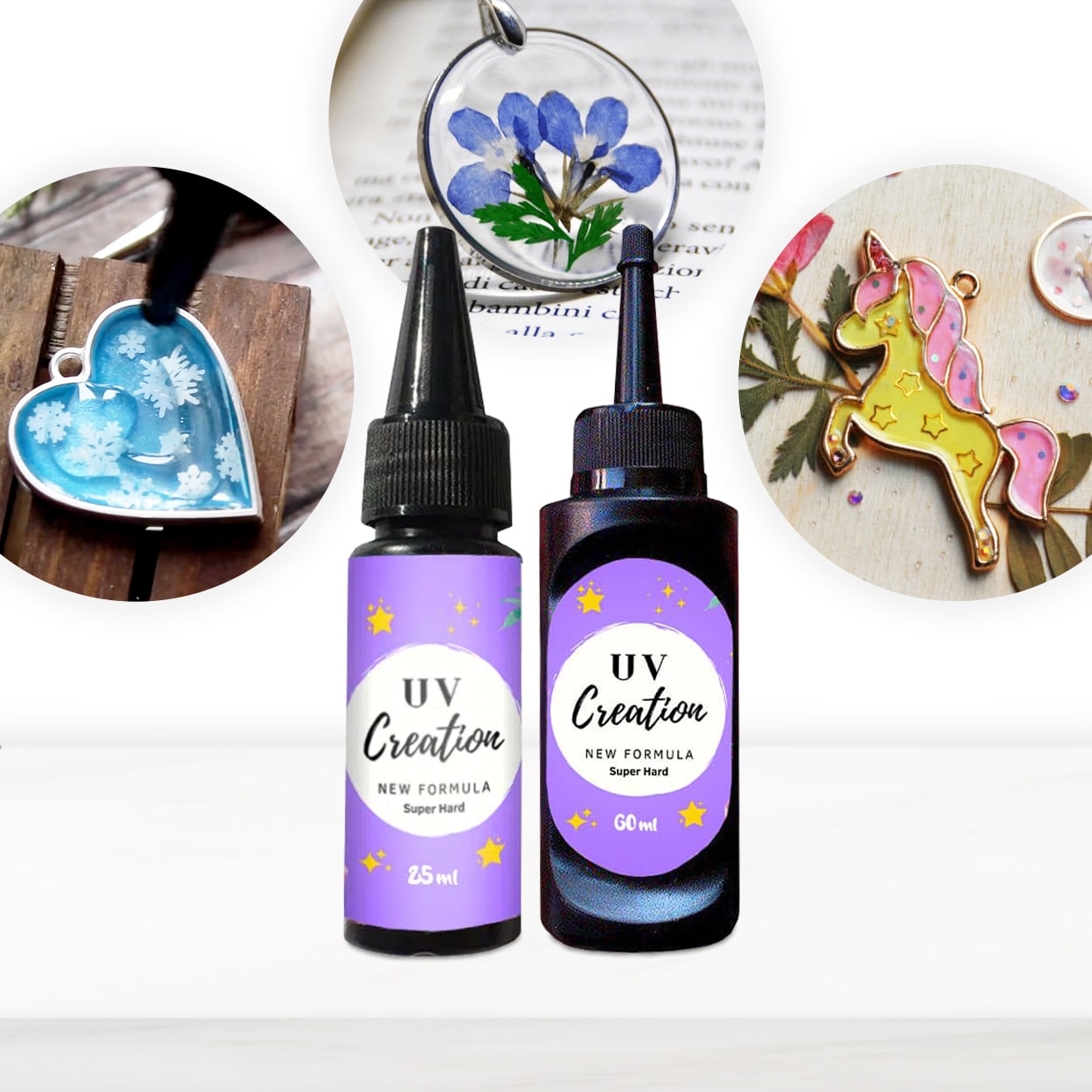
- "UV–Creation" – Fast Acrylic Resin, 3 Minute UV CurePrice range: £7.85 through £59.85"UV–Creation" Fast Acrylic Resin cures rapidly under UV light, suitable for jewellery making with a clear, glossy, non-yellowing finish.
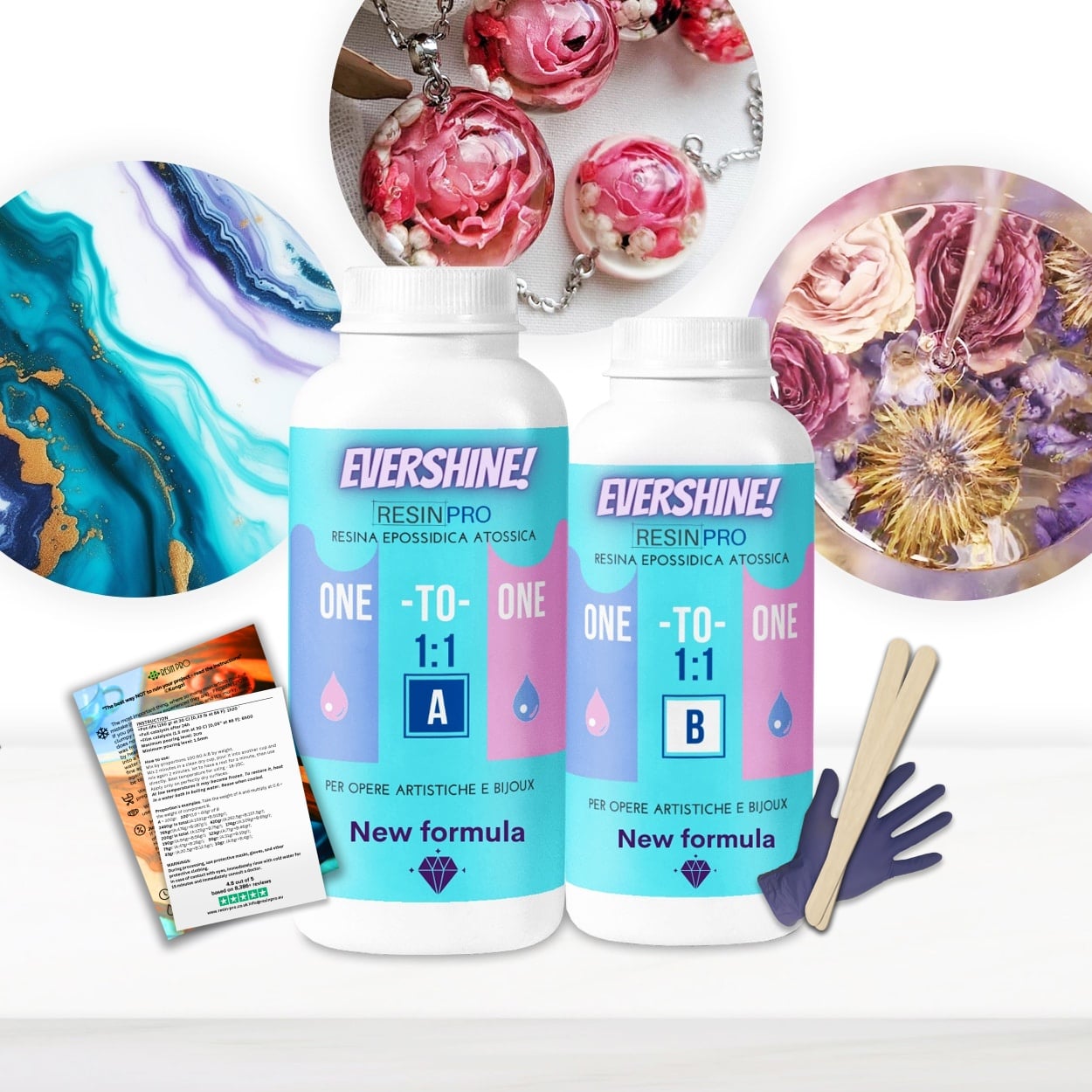 "One-2-One" – Epoxy Resin for Handcraft, 1:1 Mixing RatioPrice range: £14.85 through £56.85"One-2-One" epoxy resin offers easy 1:1 mixing ratio and clear, glossy finish for jewellery making and decorative crafts.
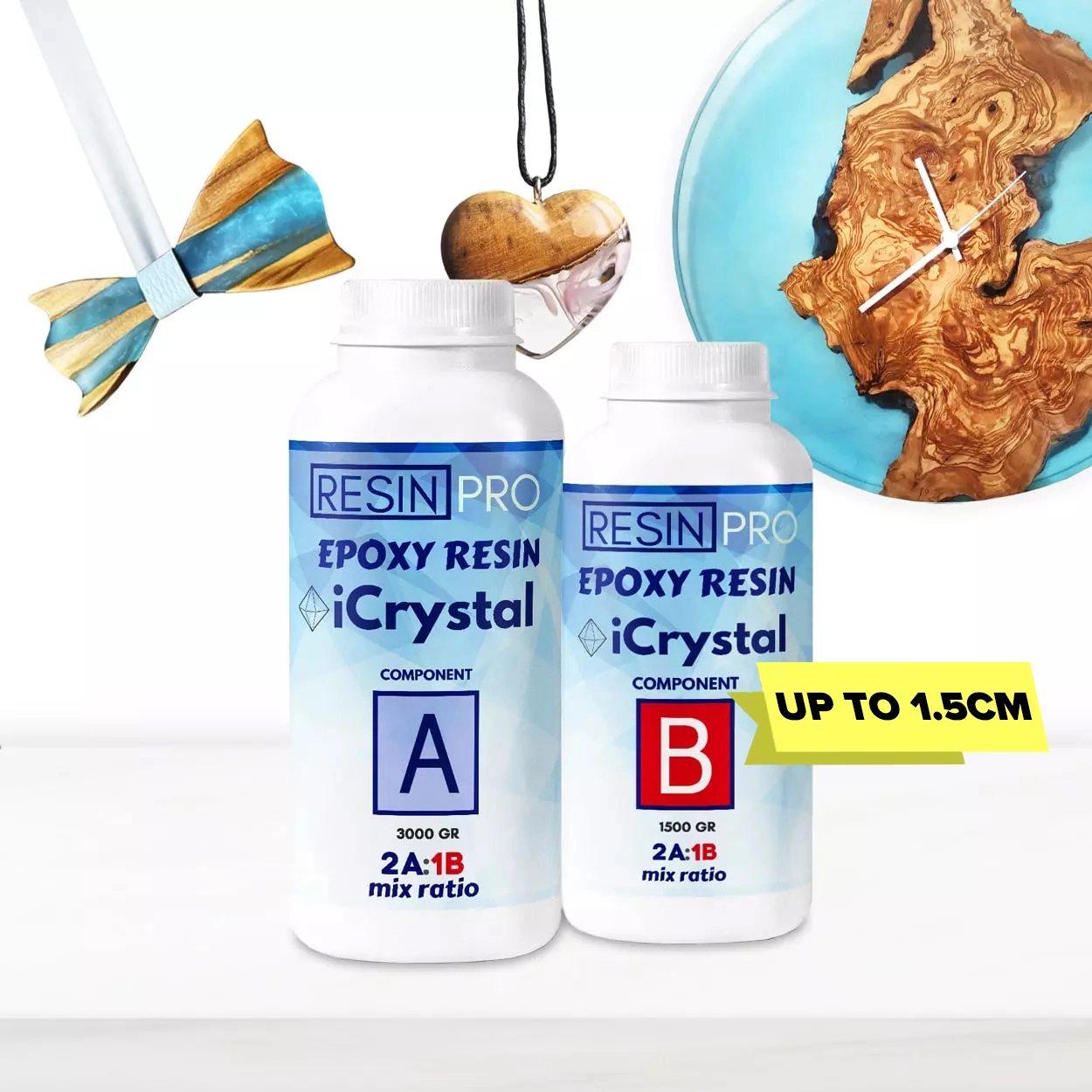 "Icrystal" – Clear Epoxy Resin – Odourless Formula – Up to 1.5cmPrice range: £11.65 through £954.85"Icrystal" Clear Epoxy Resin is a transparent, odourless resin suitable for various creative uses, aligning with resin bracelet-making projects.
Frequently Asked Questions
What mixing ratio should I use for resin bracelets?
Always follow your resin’s instructions. Many beginner kits use an easy 1:1 ratio by volume, while some require 2:1. UV resin needs no mixing.
When is the right time to demould my bracelet?
Only remove your bracelet when it is fully cured. Curing times vary by resin but rushing can result in warping or surface marks.
Is resin safe to use at home?
Yes, with good ventilation and protective gloves. Choose non-toxic and odourless resins for the most comfortable experience.
Can I use dried flowers or pigments in my resin bracelet?
Absolutely. Be sure all inserts are dry and mix pigments thoroughly before pouring for even results.
How do I prevent bubbles in my resin bracelets?
Mix slowly and pour gently. Tapping the mould or using a toothpick helps release trapped air.
What is the best way to finish resin jewellery?
Sand rough edges with fine paper, polish for extra gloss, and use a mini drill to fit findings or charms.