 Free shipping on orders over £29,85
  Shipping Tracking!


 Google
 Facebook
How to make pourable silicone rubber for moulds?
Step-by-step guide for reliable, high-detail silicone mould making
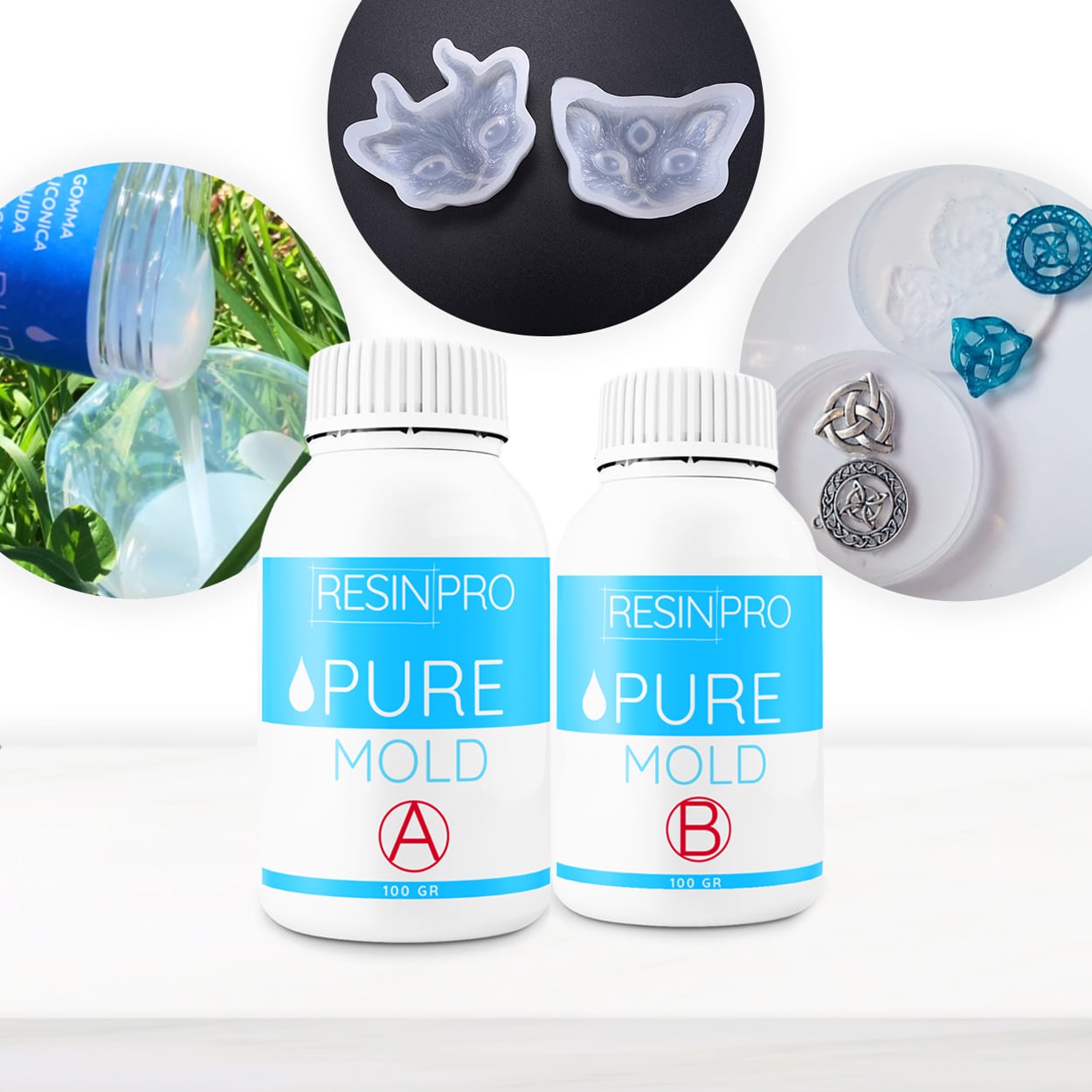
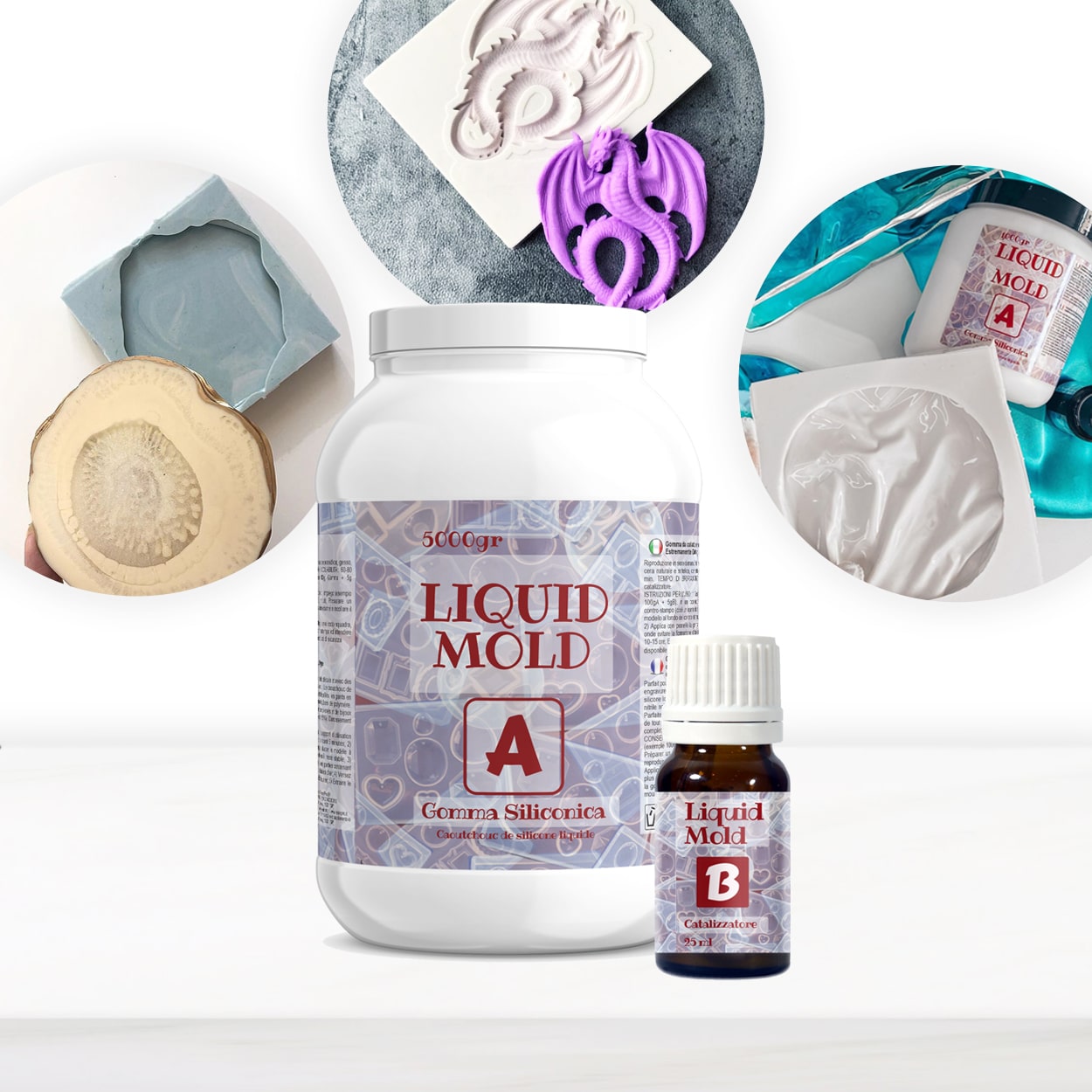
Creating pourable silicone rubber moulds opens the door to precise, detailed and reusable forms for your resin or casting projects. Whether you’re crafting bespoke jewellery, replicating intricate prototypes, or interested in hobby modelling, mastering this technique ensures professional results every time. This guide walks you through the essentials for making durable silicone rubber moulds at home or in your studio.
What You’ll Need
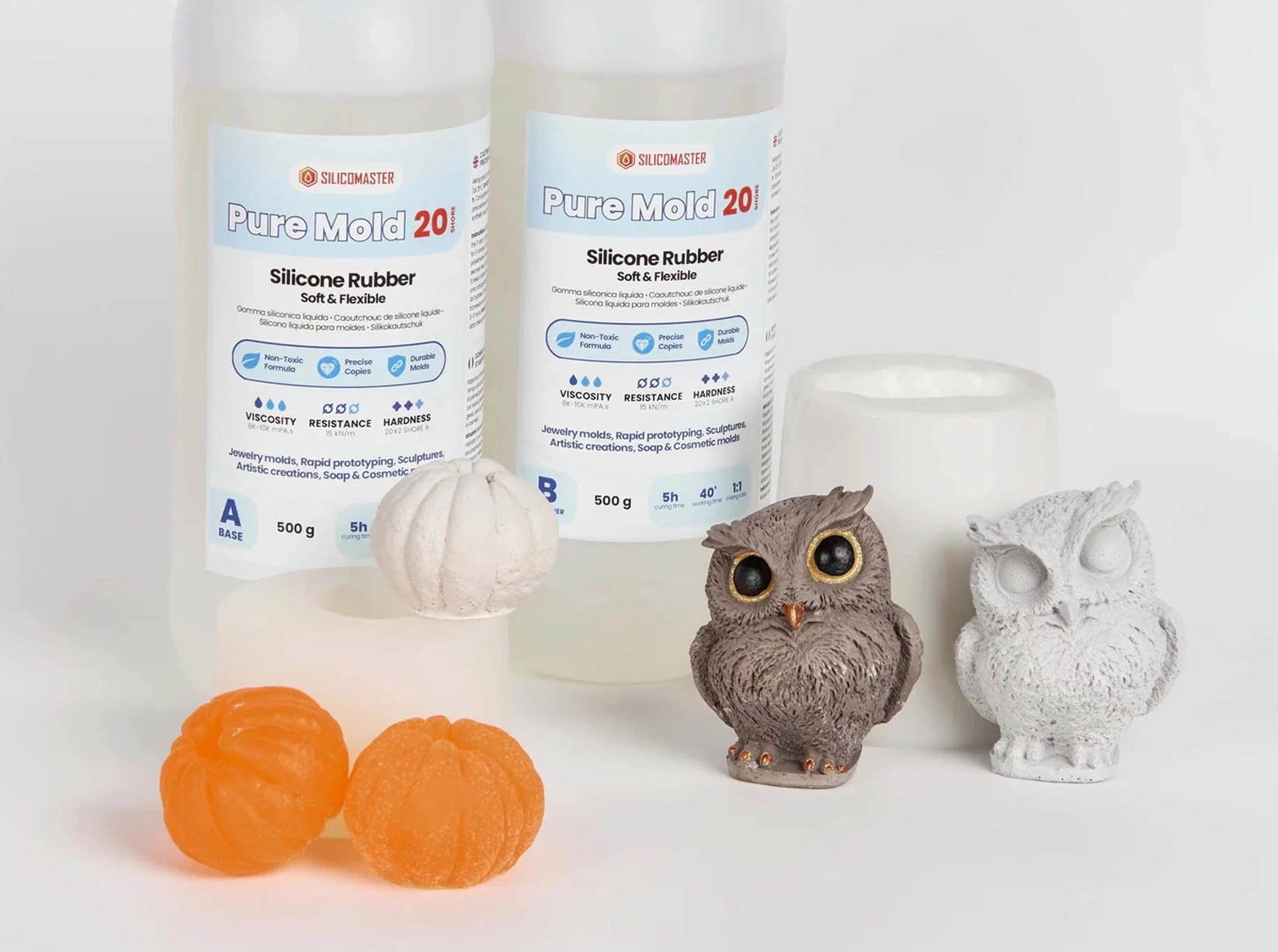
- “Pure Mould” – Translucent Liquid Silicone Rubber for Mould Making – Ideal for detailed, translucent moulds compatible with resins and castings
- “Liquid Mould” – Casting Liquid Silicone Rubber, 5-40 Shores, Bi-Component A+B – Perfect for reproducing fine detail in small or complex objects
- “I–Gum” – Non-Toxic Silicone Putty for Mould Making – (If you need a hand-mouldable putty alternative)
- Silicone Oil for Mould Protection and Easy Release – 15ml – To prolong your mould’s life and ensure easy release
- Disposable mixing cups and stirring sticks
- Protective gloves and apron
- An accurate scale (for weighing components, if required)
- An object or master model to mould
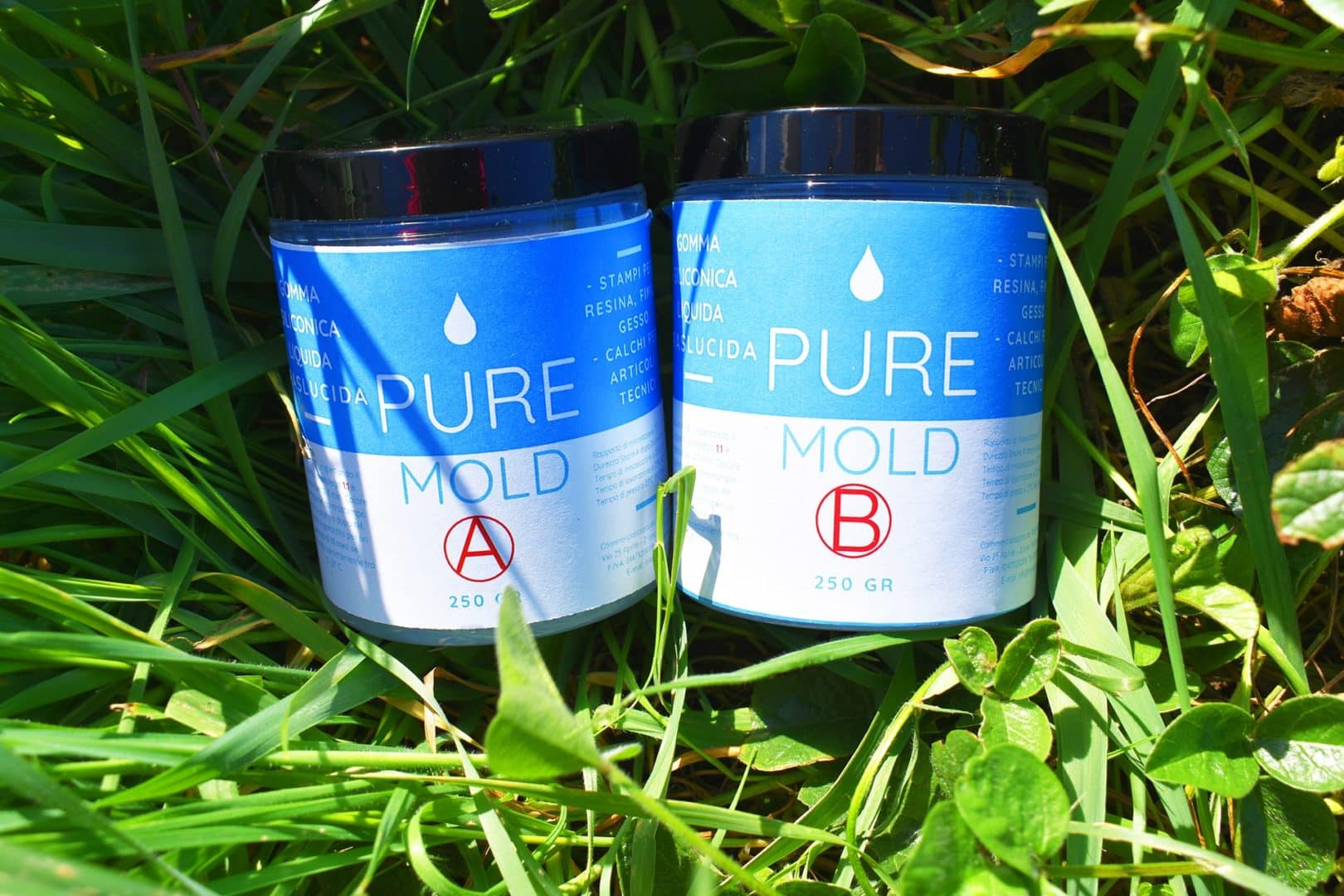
Essential Tools for Silicone Mould Making
For best results, gather all materials before you start: accurate digital scales, disposable mixing cups, stirring sticks, gloves and your chosen silicone. Organising your space and wearing appropriate protection minimises errors and ensures a smooth workflow.
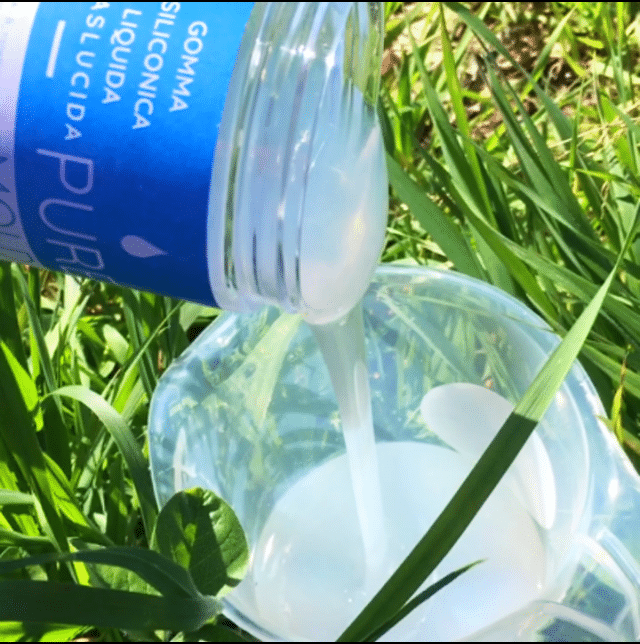
Step 1: Prepare Your Workspace and Master Model
Begin by selecting a clean, well-ventilated workspace free from excessive moisture and dust, as contaminants can interfere with both silicone curing and surface finish. Place your chosen object (the master) on a flat, stable surface. If necessary, secure it in a container or construct a simple mould box around it to contain the silicone when poured. Always ensure the master is dry and free of oil or debris for best results.
If working with models prone to adhesion or intricate detail, consider applying a thin layer of release agent before pouring the silicone. This can help retain crisp edges and facilitate easy demoulding later. For ongoing use and added protection, Silicone Oil for Mould Protection and Easy Release – 15ml may be applied sparingly to extend the lifetime of reusable moulds.
Step 2: Mix the Silicone Rubber Components
Refer to the instructions provided with your chosen silicone rubber. Most quality moulding silicones such as the “Pure Mould” – Translucent Liquid Silicone Rubber for Mould Making or “Liquid Mould” – Casting Liquid Silicone Rubber, 5-40 Shores, Bi-Component A+B are two-part systems that require precise measuring and thorough mixing. Add component A and B in the recommended ratio (commonly 1:1 by weight or volume) in a clean mixing cup.
Mix components thoroughly using precise ratios. Stir gently, scraping the sides and bottom, until a uniform mixture is achieved. Avoid vigorous stirring to reduce the risk of introducing air bubbles, which can compromise mould detail and strength.
Step 3: Pour the Silicone Rubber
Carefully pour the freshly mixed silicone over the master model. Begin at one corner or edge and let the silicone flow naturally, rising slowly to envelop the entire object. This approach helps to push out trapped air and reduces the formation of air bubbles. For highly detailed or undercut masters, a thin preliminary ‘brush-on’ coat can be applied before the main pour.
Pour silicone slowly to prevent air bubbles. If available, tapping the mould box gently can further help release trapped air from intricate surfaces.
Step 4: Allow to Cure and Demould
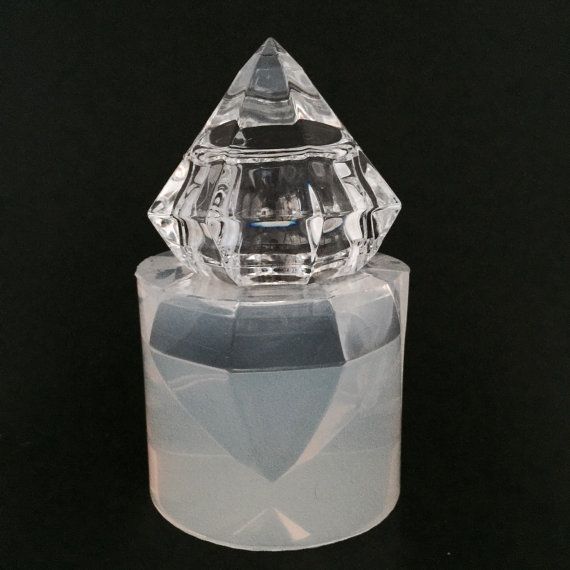
Let the silicone set undisturbed for the manufacturer’s recommended curing time. This can range from a few hours for fast-curing types to overnight for broader applications. Avoid moving or disturbing the container during this phase, as vibration can disrupt the settling process and introduce flaws.
Once the silicone is completely set, carefully remove the mould from its container. Release the master gently. Allow full curing before demoulding to ensure maximum dimensional stability and durability.
Tips, Common Mistakes and Troubleshooting
To achieve consistent results, always work within the recommended temperature and humidity ranges for your silicone system. Avoid moisture and dust contamination, as these can impede curing or create surface blemishes. For best shelf life, store silicone rubber in sealed containers away from drastic temperature changes.
If you encounter tackiness or incomplete curing, check that you have measured and mixed accurately—improper ratios are a common cause. For bubbles at the surface or within your mould, slower pouring and gentle tapping can help remove trapped air. If repeated casting is planned, occasional applications of release agent or silicone oil will keep the mould’s surface flexible and prolong its reusability.
Professional Hints for Consistent Mould Quality
To improve mould longevity and ease of use, apply a thin layer of Silicone Oil for Mould Protection and Easy Release – 15ml before each use. This helps prevent sticking and extends the life of your silicone moulds.

- "Pure Mould" – Translucent Liquid Silicone Rubber for Mould MakingPrice range: £22.85 through £158.85"Pure Mould" is a translucent liquid silicone rubber suitable for mould making compatible with resins, plaster and cement.
- "Liquid Mould" – Casting Liquid Silicone Rubber, 5-40 Shores, Bi-Component A+BPrice range: £13.45 through £368.85"Liquid Mould" is a bi-component casting liquid silicone rubber suitable for moulds with fine details in small objects.
 "I–Gum" – Non-Toxic Silicone Putty for Mould MakingPrice range: £22.85 through £99.85"I–Gum" putty is designed for creating moulds and frames for materials like resin and wax with a non-toxic formula.
 Silicone Oil for Mould Protection and Easy Release – 15ml£5.15Silicone Oil for Mould Protection and Easy Release – 15ml is suitable for providing mould protection and easy resin release.
Frequently Asked Questions
How do I ensure the right mixing ratio for silicone rubber?
Always use digital scales for weighing. Most silicones require a precise 1:1 ratio by weight or volume. Thorough mixing is essential for even curing.
How long should I wait before removing the mould?
Check the silicone’s technical sheet, but typically you should wait 3 to 12 hours until the mould is firm and rubbery before demoulding.
What’s the best way to prevent air bubbles during pouring?
Pour slowly from one spot and let the silicone flow naturally. Tapping the mould box gently helps release trapped air from details.
How do I clean and store silicone moulds for reuse?
Clean with mild soap and water and let dry completely. Store moulds in a cool, dry, sealed container away from direct sunlight.
Do I need a release agent for all types of master models?
A release agent is helpful for porous or sticky materials. For smooth, sealed surfaces, use as needed or try silicone oil for added protection.
Why did my silicone remain tacky or soft after curing?
Check that you followed the correct mixing ratio and that the components were mixed evenly. Environmental moisture or contaminants can also cause issues.