 Free shipping on orders over £29,85
  Shipping Tracking!


 Google
 Facebook
How to make silicone moulds for resin castings?
Step-by-step guide to mastering silicone mould making
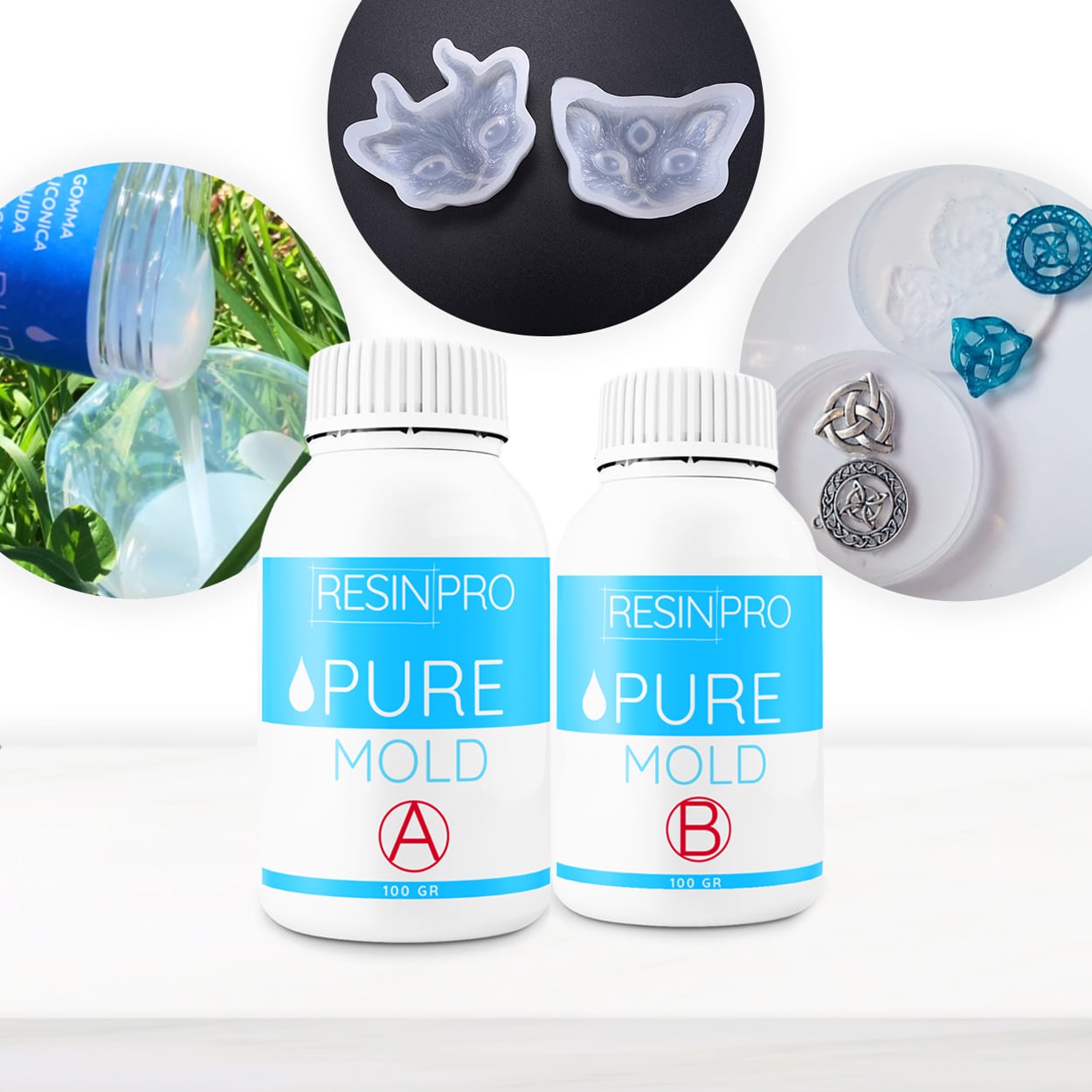
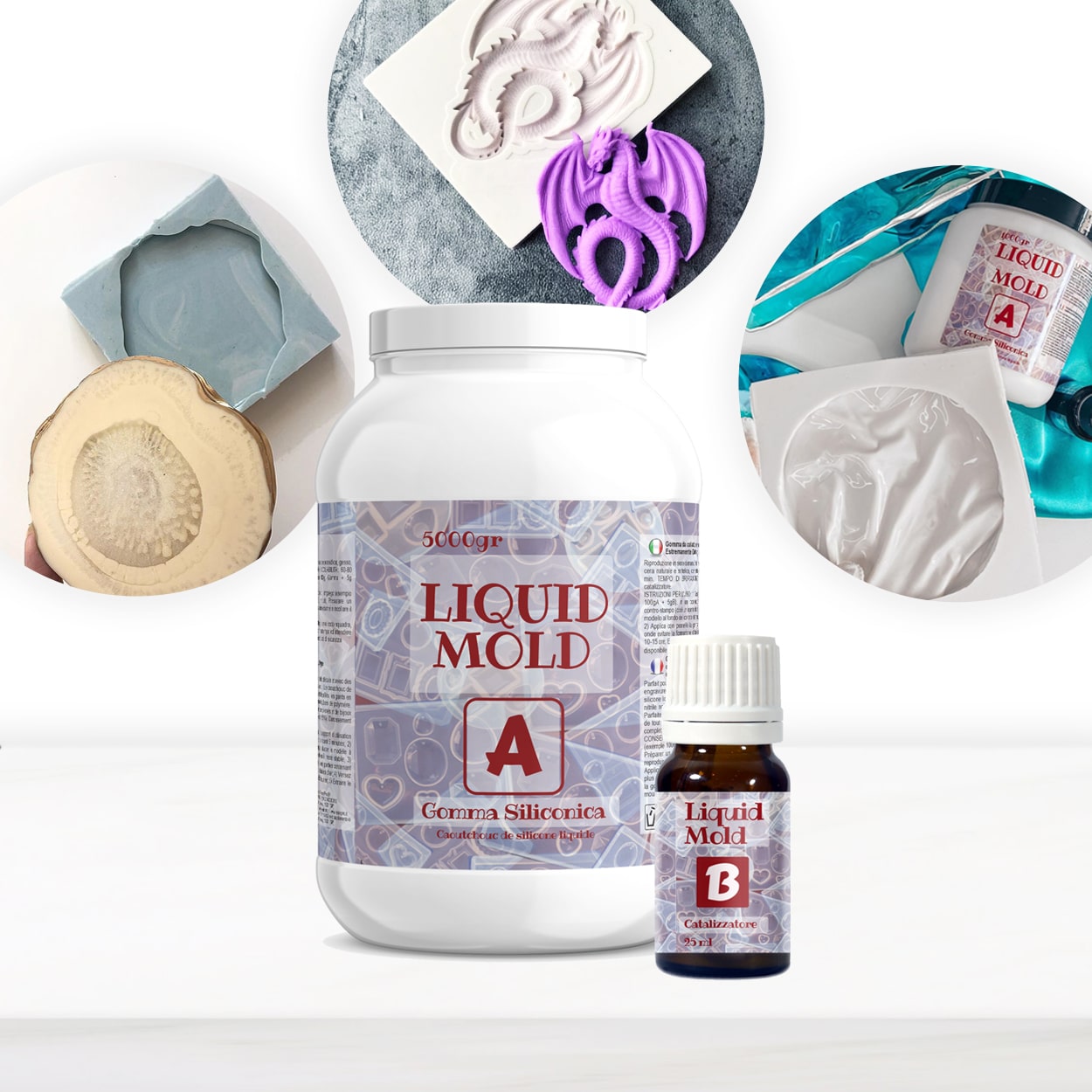
If you’re aiming to produce your own unique resin pieces, learning how to make silicone moulds is an essential skill. This guide walks you through every stage, from planning your mould to mixing, pouring, and successfully removing flawless silicone moulds ready for casting resin. Whether you’re a hobbyist or a budding professional, mastering this process ensures strong, detailed, and reusable results.
What You’ll Need
- “Pure Mould” – Translucent Liquid Silicone Rubber for Mould Making – Liquid translucent silicone rubber suitable for creating detailed and durable moulds compatible with various casting materials.
- “Liquid Mould” – Casting Liquid Silicone Rubber, 5-40 Shores, Bi-Component A+B – Designed for making highly detailed moulds, perfect for small objects and jewellery.
- “I–Gum” – Non-Toxic Silicone Putty for Mould Making – Non-toxic putty for fast, hand-moulded forms or frames.
- Master item or model to copy
- Mixing cups and stirring sticks
- Release agent (if appropriate)
- Protective gloves, apron and mask as needed
- A mould box or suitable barrier for liquid silicone
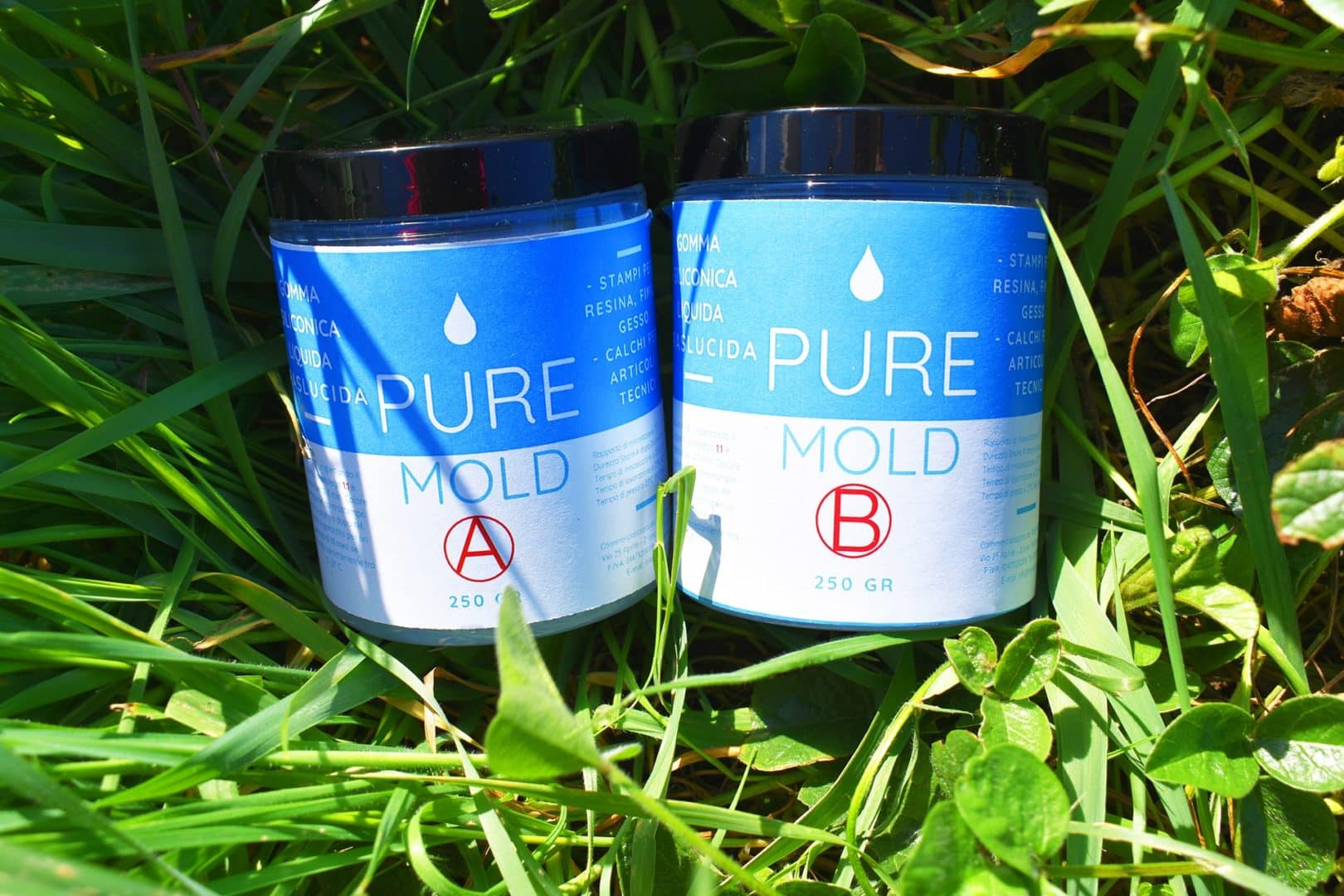
Essential Tools and Materials for Silicone Mould Making
High-quality silicone and accurate measuring equipment are crucial for successful mould making. Always ensure your workspace is organised and ventilated before you begin, as this helps avoid spills and contamination of both materials and your final moulds.
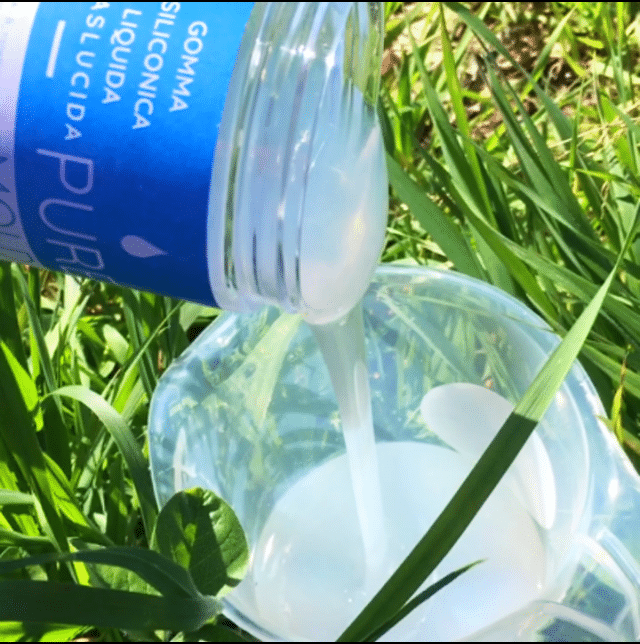
Step 1: Prepare Your Model and Work Area
Start by ensuring your master item (the object you’ll be moulding) is completely clean and free from dust or grease, as residue can affect the quality of the finished mould. Position your model inside a suitable mould box, leaving enough space around all sides to create a sturdy silicone wall. Secure the model in place with adhesive if needed—preventing any movement ensures crisp detail in your final cast.
It’s good safety practice to Use gloves and work in a well-ventilated area when handling liquid silicone or resin. Gather all necessary materials and protect your workspace with sheets or disposable coverings, as silicone can seep into unwanted areas during pouring.
Step 2: Mix and Measure Your Silicone
Choose the most appropriate silicone for your project—liquid silicones, such as “Pure Mould” – Translucent Liquid Silicone Rubber for Mould Making or “Liquid Mould” – Casting Liquid Silicone Rubber, 5-40 Shores, Bi-Component A+B, are ideal for capturing fine detail and producing high-quality moulds for resin casting.
Accurately weigh both parts of your chosen silicone, following the manufacturer’s mix ratio (typically 1:1 by weight or volume for most products above). Pour Part A and Part B into a clean mixing cup and blend thoroughly, scraping the sides of the container to ensure consistency. For putty applications, “I–Gum” is mixed in equal parts by hand and quickly kneaded until uniform.
Avoid rushing the process—Mix silicone accurately and thoroughly to avoid areas that remain sticky or uncured in the final mould.
Step 3: Pour the Silicone and Remove Bubbles
Slowly pour the mixed silicone into the mould box, starting from one corner and allowing it to flow over and around the model. This helps to displace air and coats the item evenly. Pouring in a thin stream from a height also encourages trapped bubbles to break before setting in the mould. For intricate models, gently tap the mould box or use a fine tool to tease out any hidden bubbles.
Avoid agitating the silicone once poured—Avoid air bubbles during pouring by working slowly and using the right pouring technique. Should you notice surface bubbles, gently blow across the surface or use a vacuum chamber if available for perfect results.
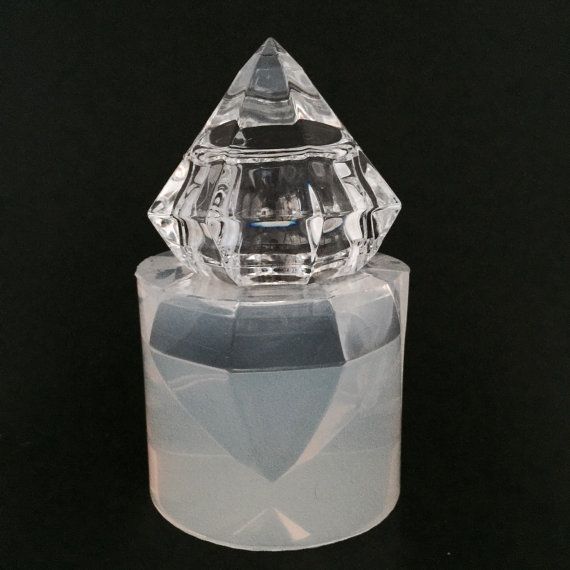
Step 4: Allow to Cure and Demould
Let the silicone cure for the recommended time stated by the manufacturer—generally 3–8 hours for fast-cure products or up to 12 hours for traditional formulas. Do not rush this process; premature demoulding can result in tears or misshaped moulds.
Once the silicone has fully set, carefully separate it from the mould box and gently remove the model. It’s best to Allow full cure before demoulding to ensure the mould remains flexible and durable for multiple casting cycles.
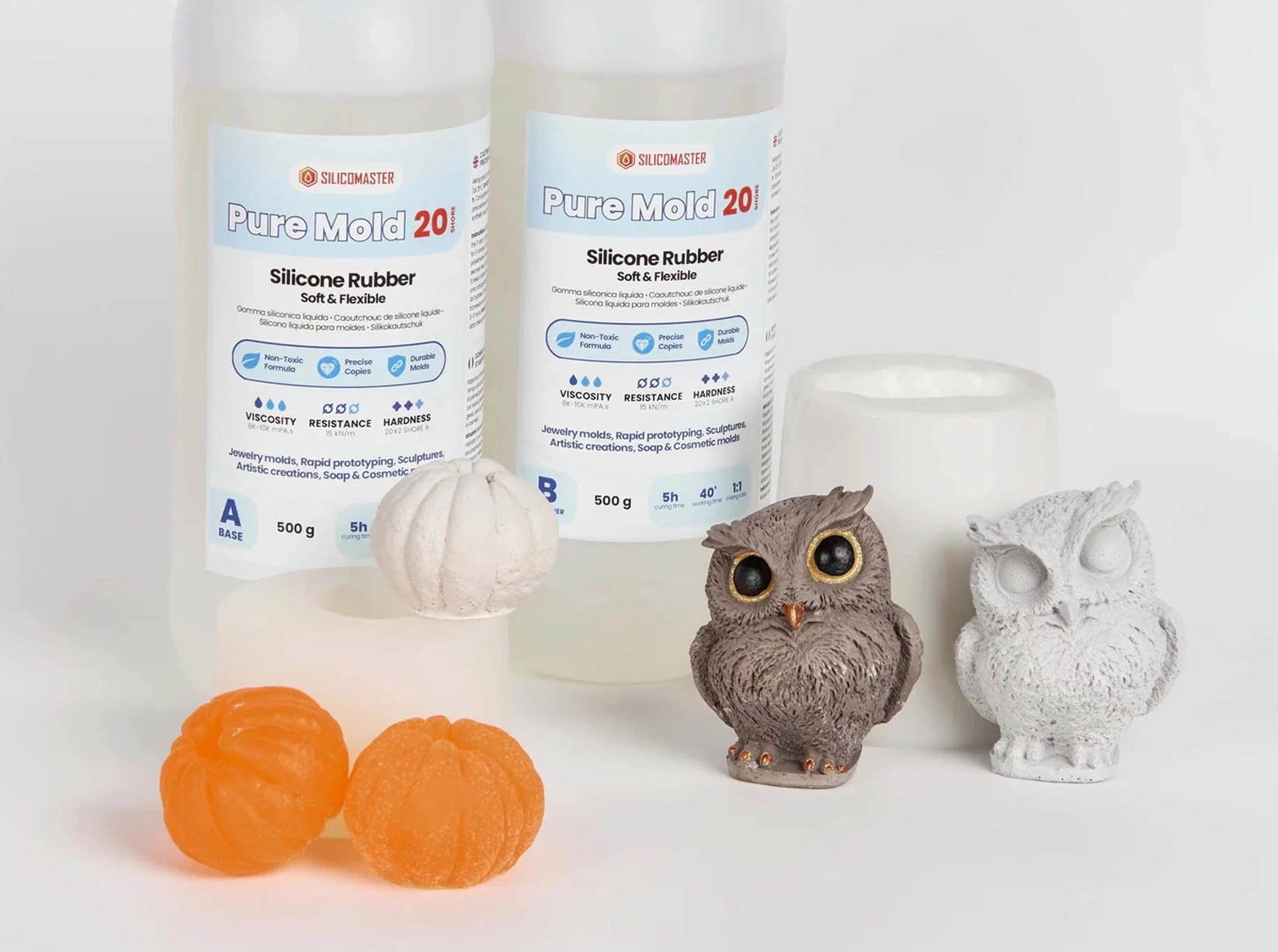
Tips and Troubleshooting for Flawless Silicone Moulds
For long-lasting and high-quality silicone moulds, always use fresh materials and store them away from moisture. If using a release agent, test compatibility with your item first. When storing moulds after use, Store silicone moulds flat and away from sunlight to prevent warping or degradation of the silicone. Remember, patience and good technique are vital—rushed steps nearly always result in air bubbles or weak points in your mould.
Care and Storage of Silicone Moulds
After use, clean moulds thoroughly and keep them flat to preserve their shape. Avoid exposure to direct sunlight and sources of heat, as this can degrade the elasticity and detail of your silicone over time.
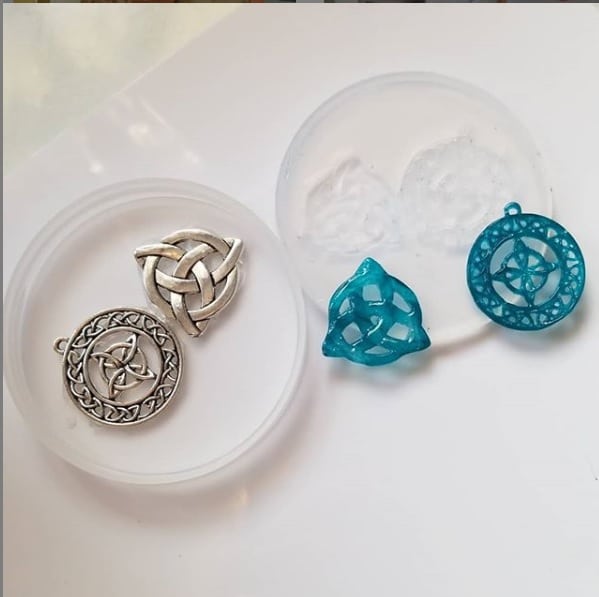
- "Pure Mould" – Translucent Liquid Silicone Rubber for Mould MakingPrice range: £22.85 through £158.85"Pure Mould" is a translucent, fast curing silicone rubber designed for making quality moulds compatible with resins and other materials.
- "Liquid Mould" – Casting Liquid Silicone Rubber, 5-40 Shores, Bi-Component A+BPrice range: £13.45 through £368.85"Liquid Mould" casting liquid silicone rubber is suitable for making detailed moulds in line with the theme of silicone moulds for resin castings.
 "I–Gum" – Non-Toxic Silicone Putty for Mould MakingPrice range: £22.85 through £99.85"I–Gum" is a non-toxic silicone putty designed for mould making with a 1:1 mix ratio and long working time.
 "EpoxyTable 5-Five" – Deep Pour Epoxy Resin for Tables and Large Projects – Up to 5cmPrice range: £16.85 through £1,099.85"EpoxyTable 5-Five" is designed for deep pour projects such as tables. It offers low exothermic reaction and strong UV filters for non-yellowing…
Frequently Asked Questions
Can I reuse my silicone mould for resin casting?
Yes, silicone moulds are designed for multiple uses if treated properly and not overstressed during demoulding.
Do I need a release agent when using silicone moulds with resin?
It depends on the resin type and mould complexity. Silicone is usually non-stick, but a release agent may help for complex or cured resin.
How can I avoid air bubbles in my silicone mould?
Pour silicone slowly in a thin stream and, if possible, gently tap the mould box or use a vacuum chamber to remove trapped air.
How long does silicone take to cure?
Cure times vary. Fast formulas may set in 3–8 hours, while other types can require up to 12 hours or more for full strength.
What type of silicone is best for detailed castings?
Liquid silicone rubbers with low viscosity capture finer details. Choose based on your model’s intricacy and required flexibility.
Can I use silicone putty for small or quick moulds?
Yes, silicone putty is ideal for small items, repairs, or when you need a fast-setting mould by hand.
How should I store unused silicone moulds?
Store them flat, in a cool and dry place, away from direct sunlight to help maintain their elasticity and shape.