 Free shipping on orders over £29,85
  Shipping Tracking!


 Google
 Facebook
How to make wide-hole beads with resin?
Crafting wide-hole beads with resin is a rewarding process that lets you design original beads for bespoke jewellery, macramé, or craft projects. Whether you’re a beginner or experienced artist, this guide details essential steps and tips for achieving strong, glossy, and perfectly-shaped resin beads every time.
Step-by-step techniques for unique resin jewellery projects
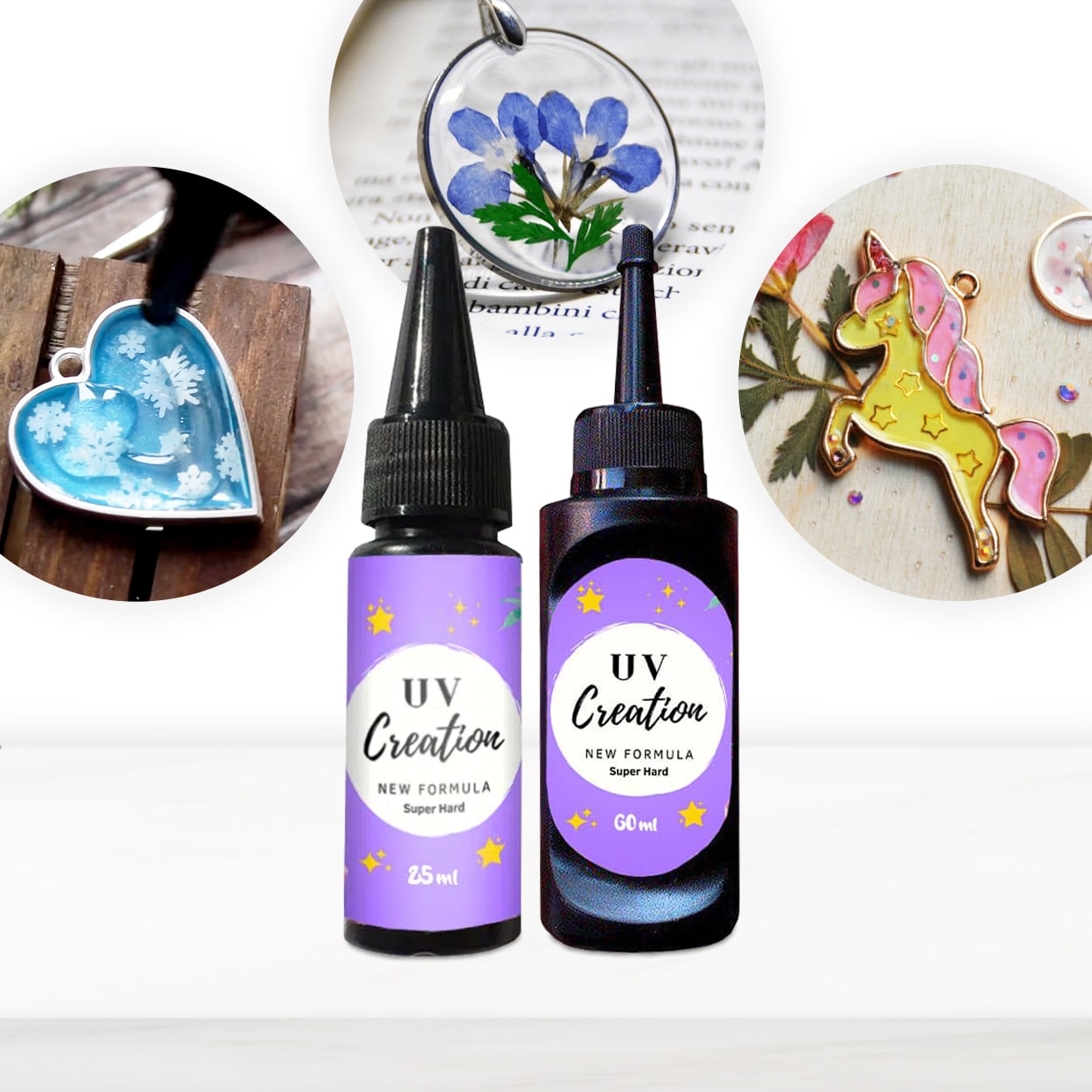

What You’ll Need
- “UV–Creation” – Fast Acrylic Resin, 3 Minute UV Cure – for quick curing crystal-clear finishes
- “Evershine Collection” – Artisan Jewellery Epoxy Resin Kit with 100+ Accessories – ideal for those who want a comprehensive tool and accessory set
- “Trasparente” – Multipurpose Clear Epoxy Resin for Casting – Up to 2cm – best for thicker, ultra-clear bead designs
- “Fairy Wings” – UV Resin for Volumetric Reliefs, Dual Colour, 30ml – great for detailed, decorative layering or highlights
- Clean silicone bead moulds (with wide shaft for hole)
- Release agent (optional)
- Mixing cups and sticks
- Protective gloves
- UV lamp (for UV resins)
- Precision file or reamer (for finishing holes if needed)
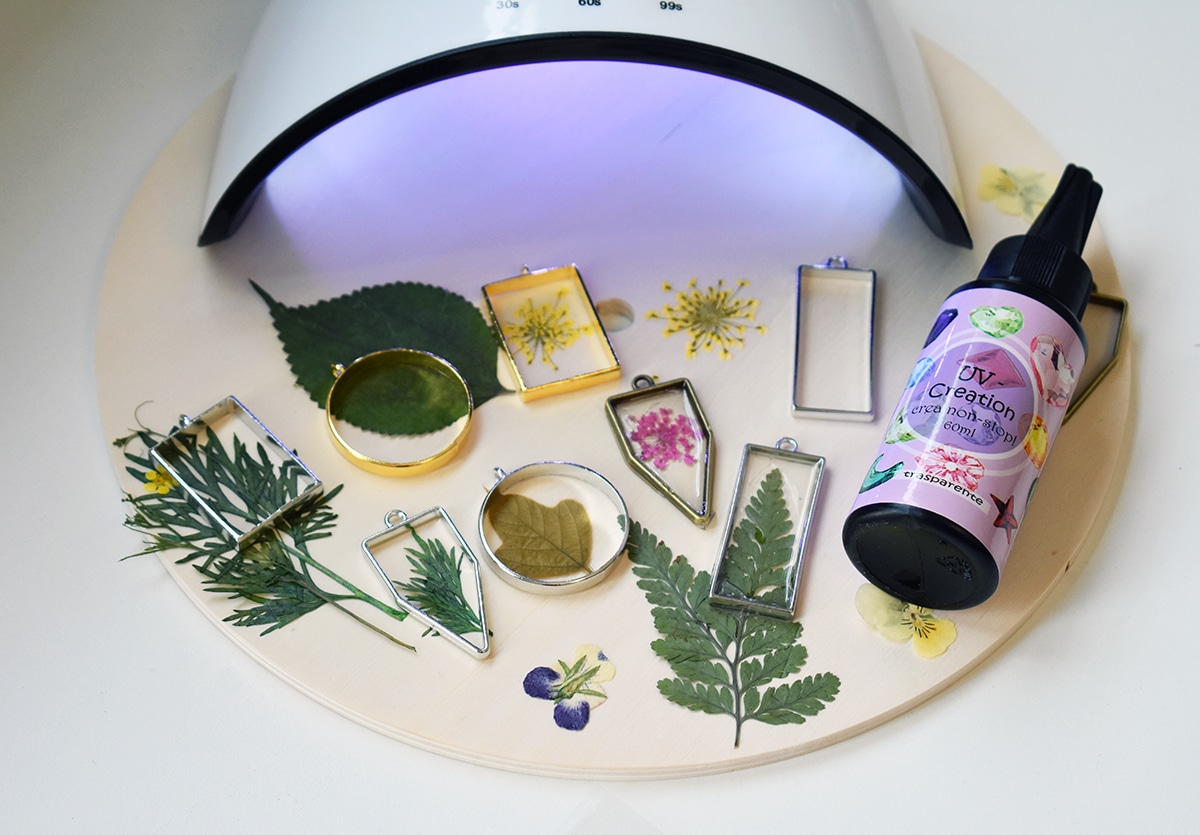
Essential Tools and Workspace Setup
Set up your workspace with plenty of light and tidy all materials before you begin. Prepare clean mixing tools, wear gloves for skin protection, and keep your UV lamp or curing area close at hand. This saves time and helps prevent spills or cross-contamination while working with resin.
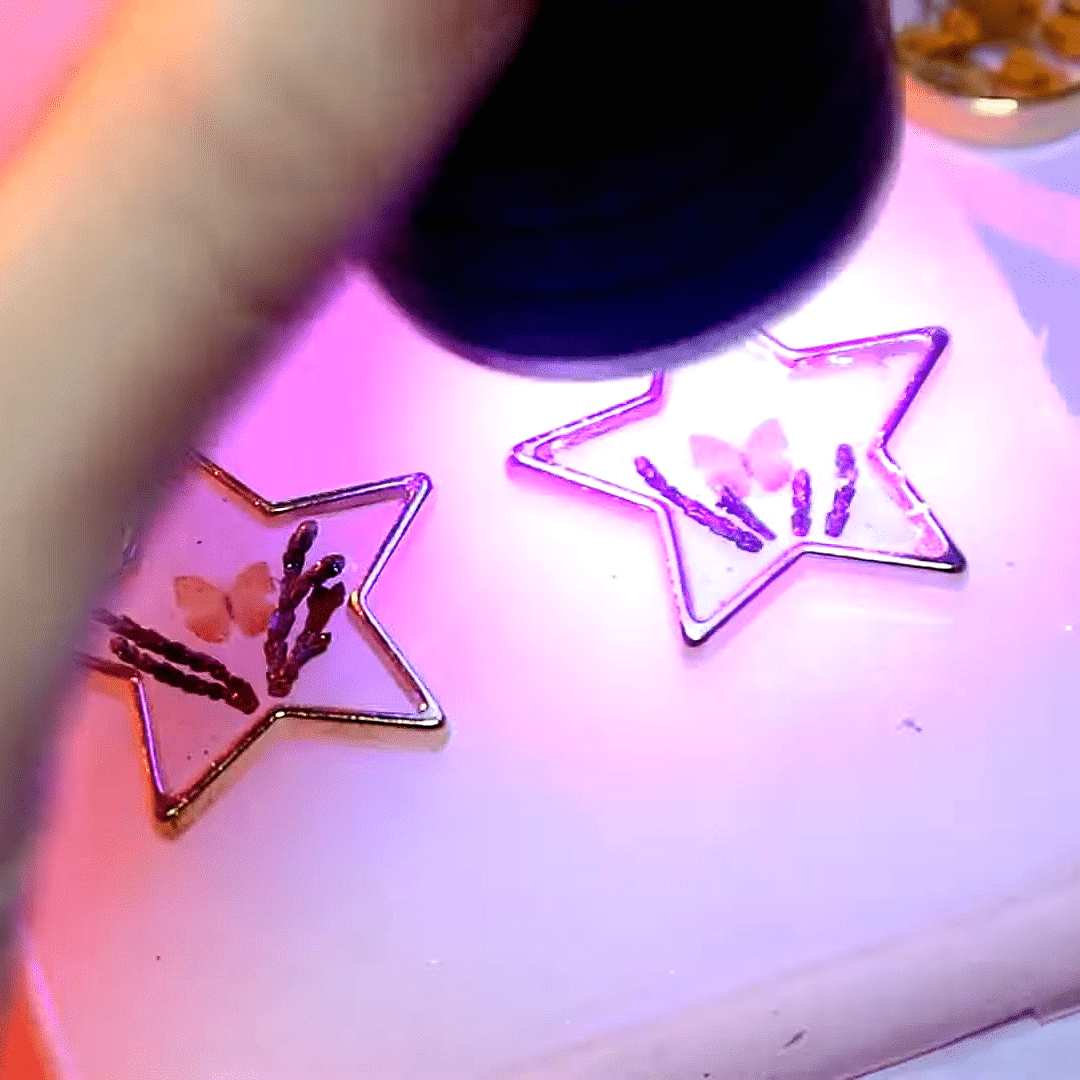
Step 1: Prepare Your Workspace and Moulds
Ensure your workspace is clean and well-ventilated before starting. Lay down protective sheets to catch spills. Pick silicone bead moulds designed for wide-hole beads, ensuring the central shaft or rod for the hole is firmly placed and dust-free. Optionally, use a release agent for easier demoulding. Having everything arranged prior to resin mixing minimises errors during the working time.
Step 2: Mix and Colour Your Resin
Follow the instructions for your chosen resin. For easy, reliable results, try a kit like the “Evershine Collection” – Artisan Jewellery Epoxy Resin Kit with 100+ Accessories which comes with a 1:1 mixing ratio and colour pigments for creative effects. Always mix slowly to avoid introducing bubbles and stir until a uniform colour and consistency are achieved. If using UV resin such as “UV–Creation” – Fast Acrylic Resin, 3 Minute UV Cure, no mixing is required unless adding colourants.
Work in small batches, particularly when dealing with fast-curing, UV-based resins. If layering effects or fine decorative highlights are desired, consider using “Fairy Wings” – UV Resin for Volumetric Reliefs, Dual Colour, 30ml to achieve subtle 3D designs before completing the main pour.
Step 3: Fill the Moulds
Pour the resin slowly into your bead moulds, ensuring the hole insert stays in position. Use a pipette or small spatula for accuracy if required. Tap the mould gently to encourage trapped air bubbles to rise and burst. Avoid overfilling, as excess resin may block the bead holes. For thick beads, a deep-cast epoxy like “Trasparente” – Multipurpose Clear Epoxy Resin for Casting – Up to 2cm provides durable, ultra-transparent results in single layers up to 2cm.
If working in layers, allow each to fully cure before adding the next. For UV resins, cure each layer under a UV lamp for the recommended time (usually 2–5 minutes), ensuring an even set throughout.
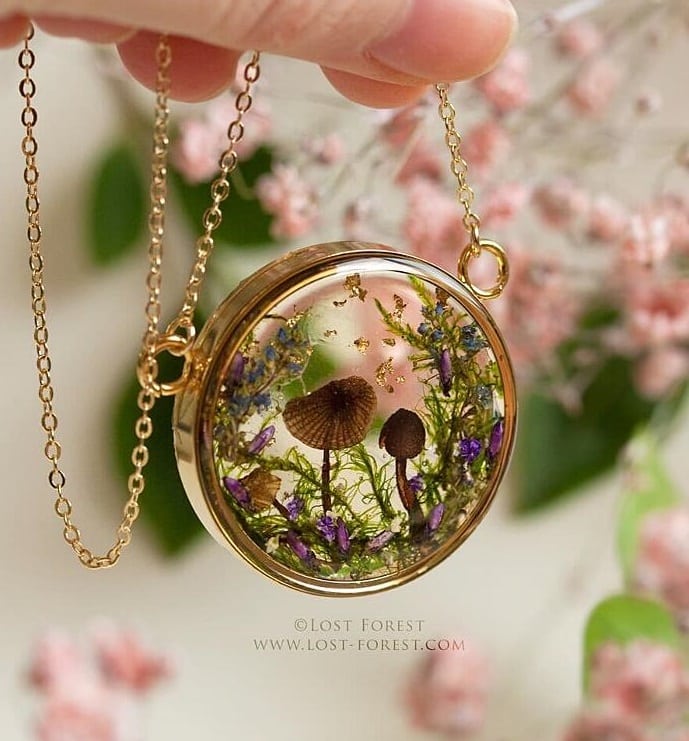
Step 4: Demould and Finish Your Beads
Allow adequate curing time based on your resin type: UV resins set in minutes under a lamp, while two-part epoxies typically require 12–24 hours. Once cured, remove beads carefully to avoid cracking. Take out hole inserts gently to preserve the opening.
If needed, remove any flash or excess resin around the bead holes using a precision file or reamer for a smooth, snag-free finish. Wash beads in mild, soapy water if surfaces feel tacky, or lightly sand for a matte effect.

Tips, Troubleshooting, and Common Mistakes
Achieve perfect beads by pouring slowly and keeping the moulds stable throughout curing. Air bubbles are a frequent concern—work in warm conditions, consider pre-heating resins, and tap moulds gently after pouring. Skipping the release agent or removing beads before full cure may damage detail. Epoxy resins take longer to cure but offer a tougher finish, while UV resins allow rapid corrections and layering.
Sticky surfaces or cloudiness are often due to improper mixing or undercuring. Always follow product instructions and avoid pouring layers thicker than recommended by your specific resin type.
Creative Techniques and Experimentation
Experiment with layering pigments, embedding decorative elements, or using multiple resin types in one bead. Combining UV resins for fast top layers and epoxy for depth allows stunning professional results. Let your creativity drive each unique bead design without fear of trying new finishes or effects.
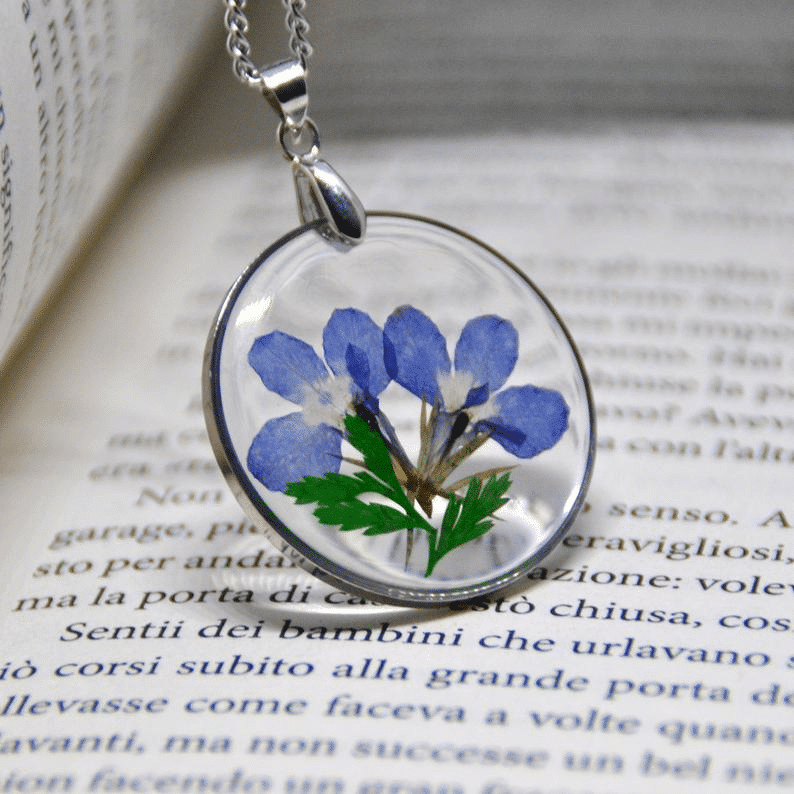
- "UV–Creation" – Fast Acrylic Resin, 3 Minute UV CurePrice range: £7.85 through £59.85UV–Creation is a fast-curing UV acrylic resin designed for jewellery crafters seeking a clear and non-yellowing finish.
- "Evershine Collection" – Artisan Jewellery Epoxy Resin Kit with 100+ Accessories£20.85The "Evershine Collection" offers a complete resin jewellery kit with clear 1:1 epoxy and over 100 accessories for artisan craft projects.
 "Trasparente" – Multipurpose Clear Epoxy Resin for Casting – Up to 2cmPrice range: £8.45 through £948.85"Trasparente" offers an ultra-clear, scratch-resistant finish suitable for detailed castings and tables up to 2cm thick.
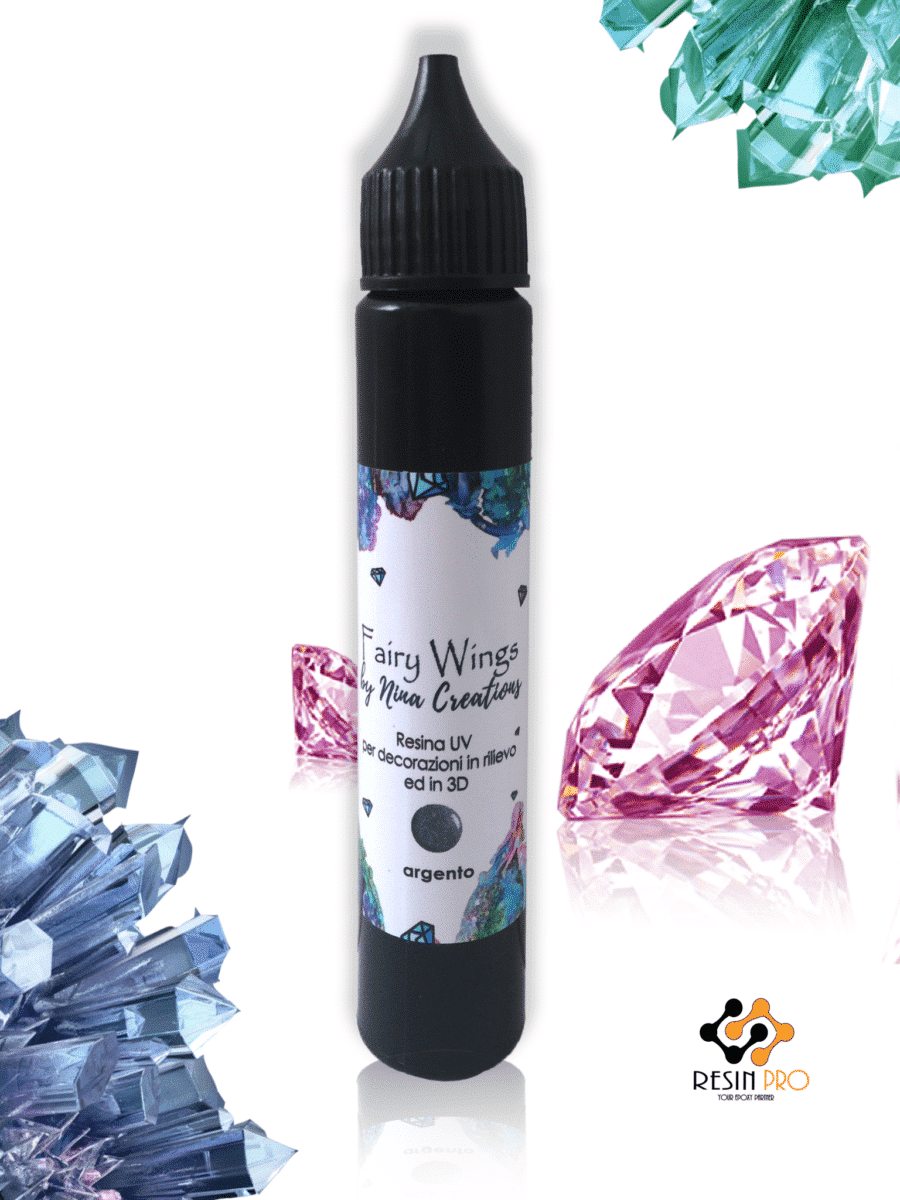 "Fairy Wings" – UV Resin for Volumetric Reliefs, Dual Colour, 30mlOriginal price was: £15.15.£2.85Current price is: £2.85."Fairy Wings" UV Resin is designed for detailed volumetric reliefs with dual colours and fast UV curing.
Frequently Asked Questions
Which resin is best for beginners making beads?
Epoxy kits like the "Evershine Collection" offer an easy 1:1 mix and helpful accessories, ideal for new crafters.
How can I prevent bubbles in resin beads?
Mix slowly, pour carefully, and tap the mould gently to release trapped air. Warm resin beforehand to reduce viscosity.
How do I safely demould resin beads?
Wait for the resin to cure fully before gently flexing the mould and removing the beads to avoid breakage.
How do I keep bead holes open and tidy?
Ensure mould inserts are correctly placed and clear excess resin after curing with a fine file or reamer.
Why is my resin bead still sticky after curing?
Sticky beads can result from undercuring or incorrect mixing. Check the instructions and ensure proper curing time.
Can I use UV and epoxy resin in one bead?
Using UV resin for fast details and epoxy for main casting is possible—just make sure each layer cures fully before adding the next.