 Free shipping on orders over £29,85
  Shipping Tracking!


 Google
 Facebook
How to make wood and resin tables?
Creating a stunning wood and resin table can transform any living space with unique, bespoke character. Whether you’re interested in river tables or statement centrepieces, this step-by-step guide will walk you through every stage—from preparing your timber to the final polish. You’ll learn essential safety practices, pouring techniques, and insider tips for a professional finish.
Step-by-step guide for achieving striking river tables at home
What You’ll Need
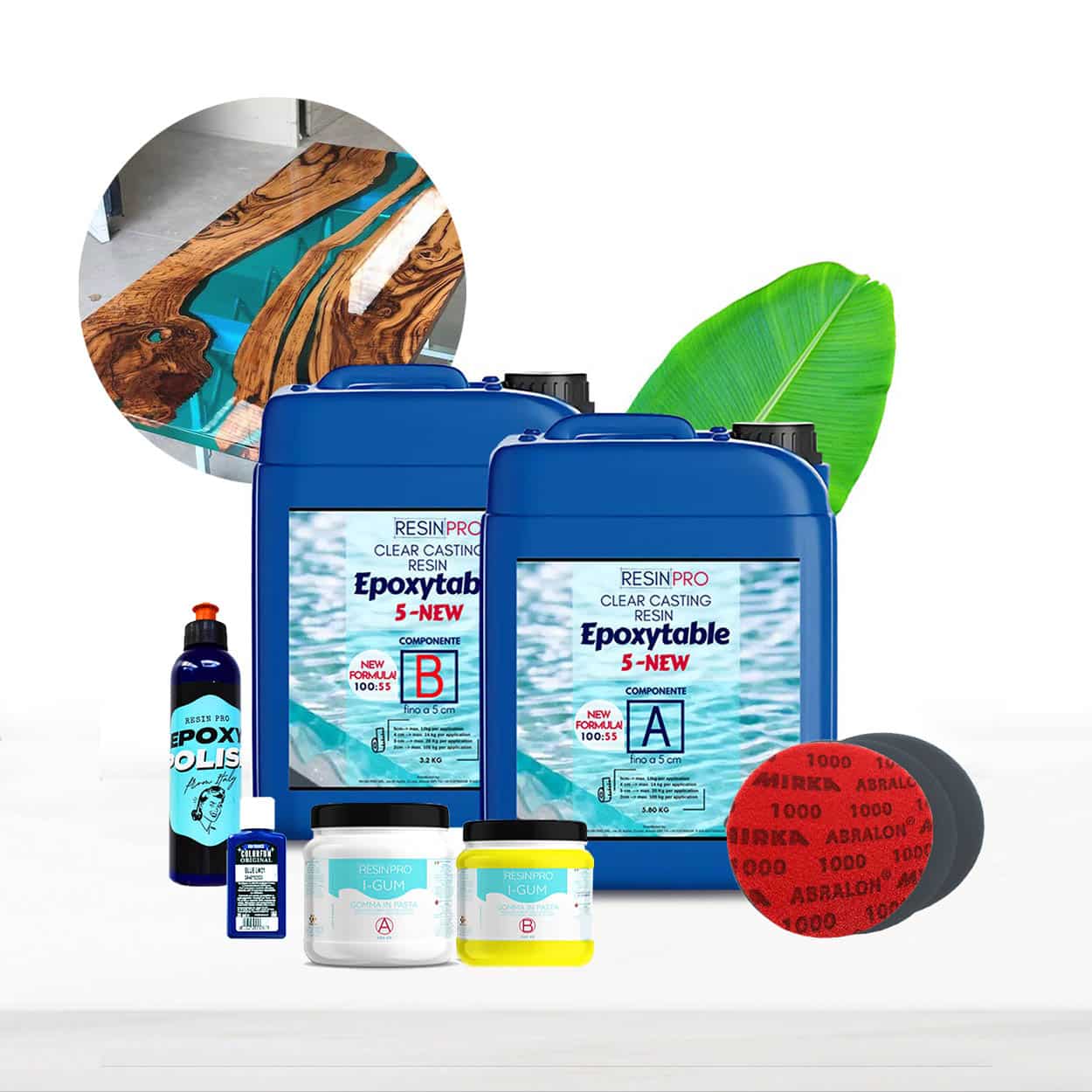
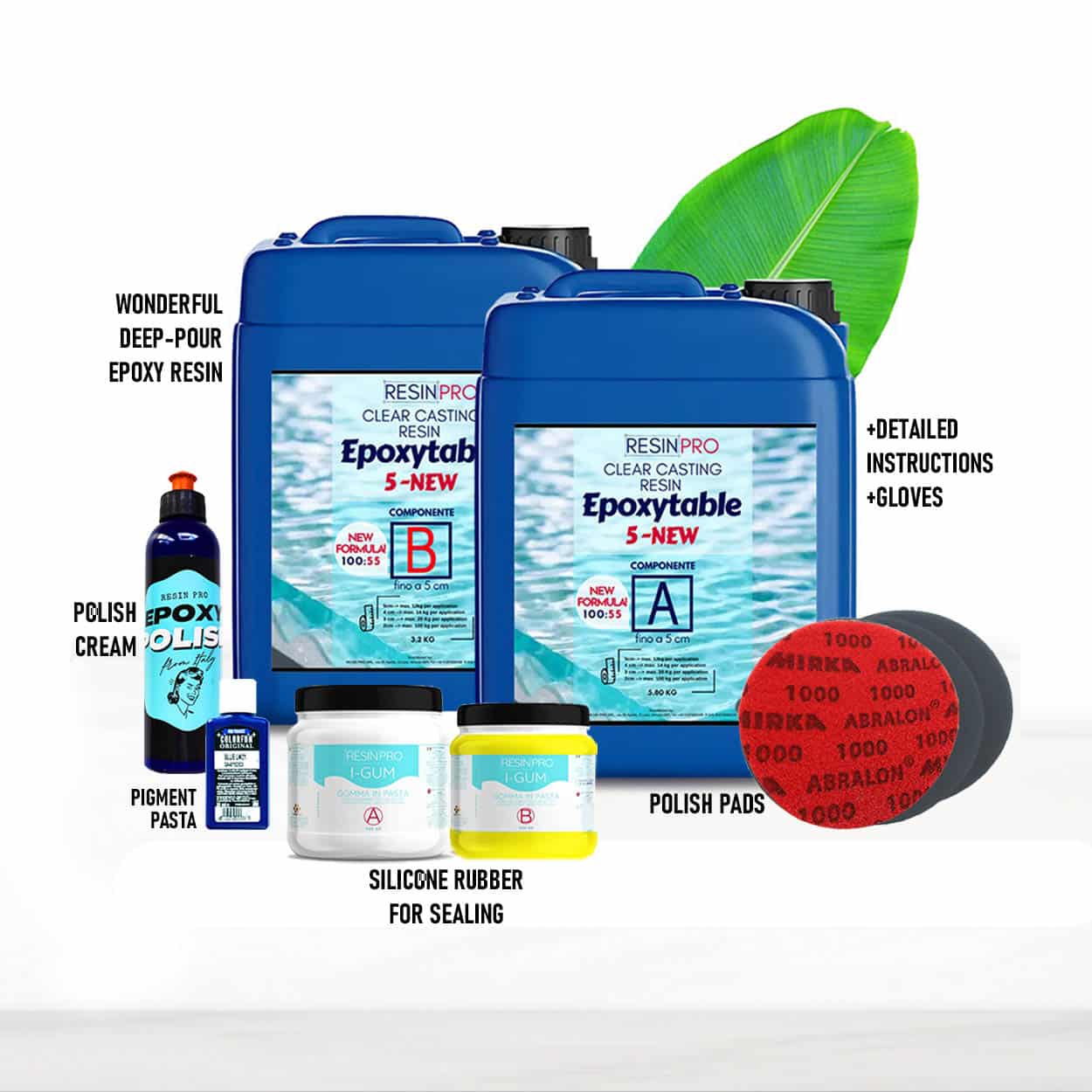
- “River-Table” – Complete Kit for Creating Your First Epoxy Resin Table – Ideal for beginners, contains all fundamental materials for your first project.
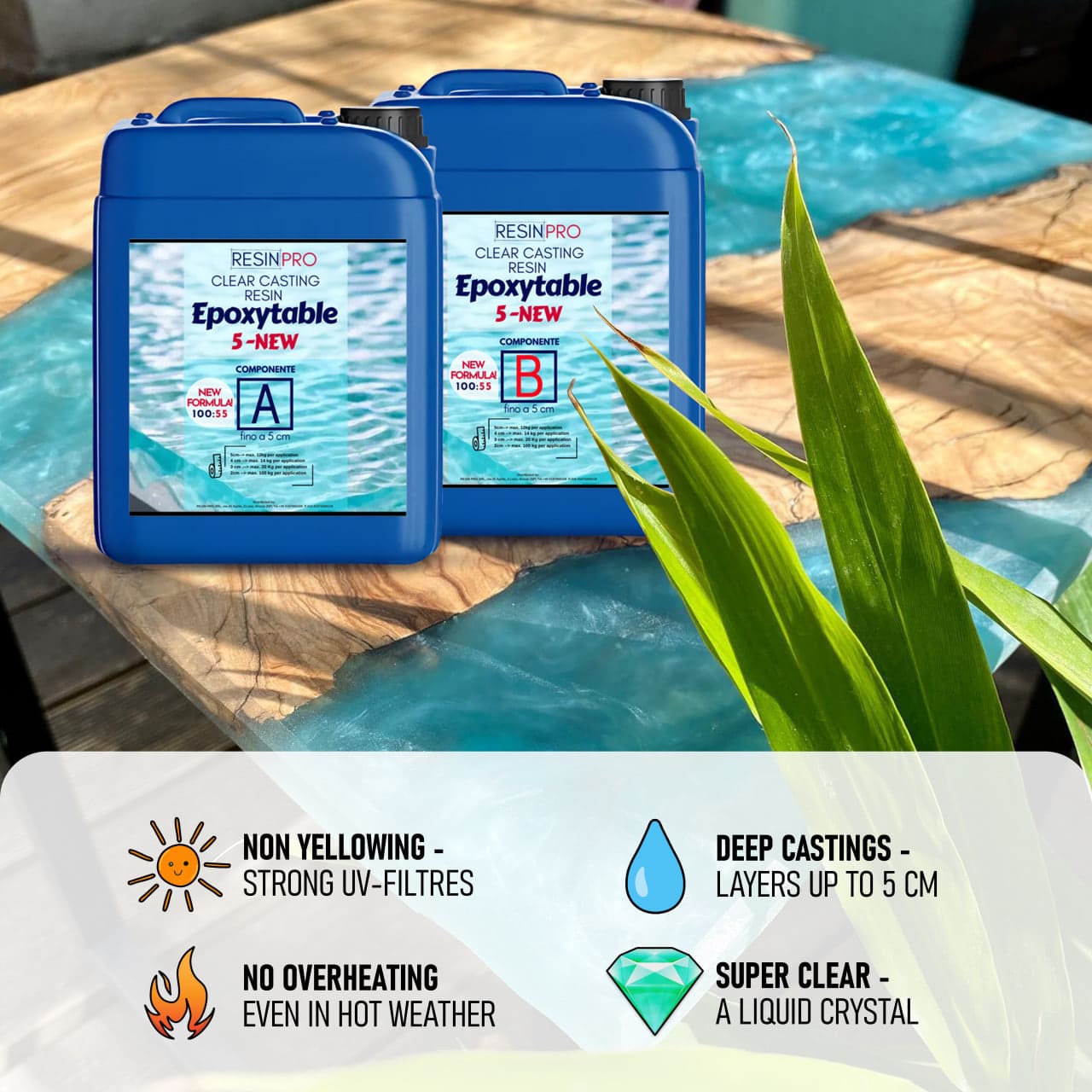
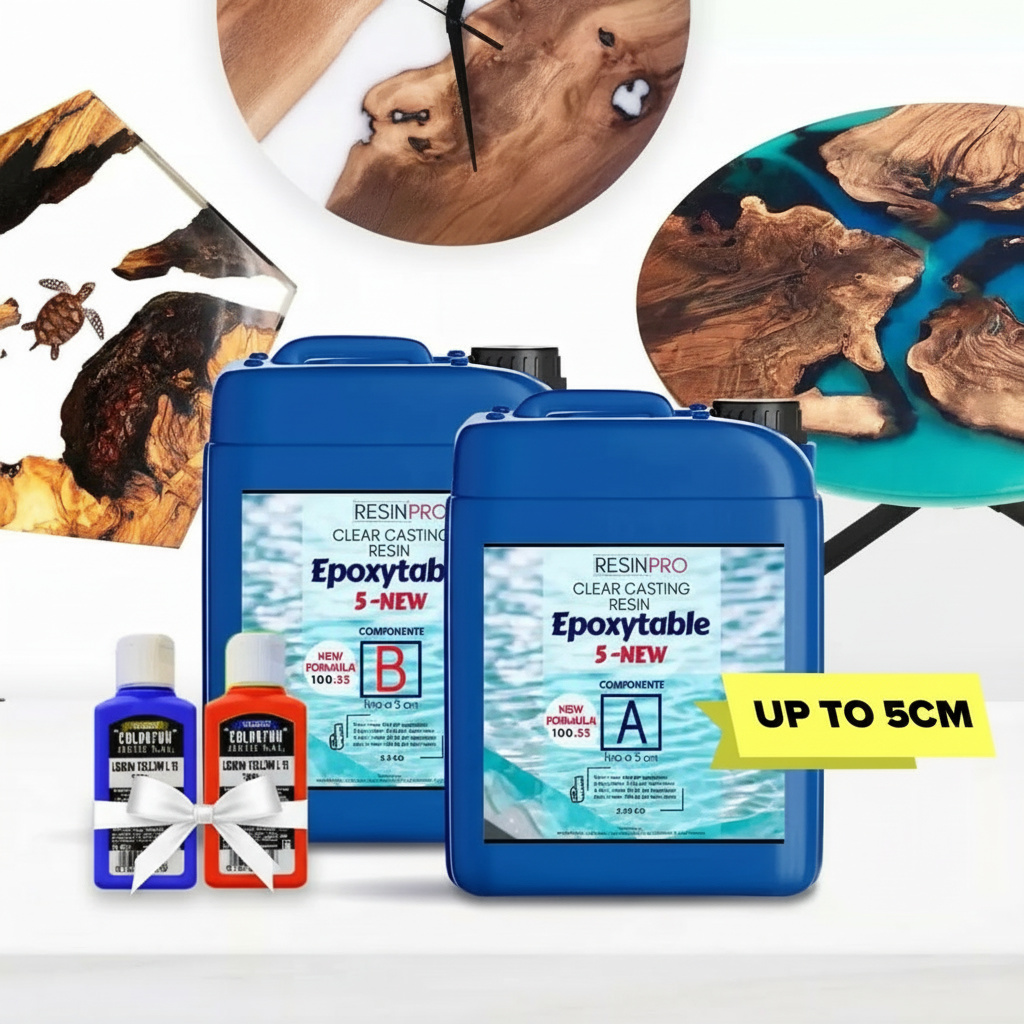
- “EpoxyTable 5-Five” – Deep Pour Epoxy Resin for Tables and Large Projects – Up to 5cm – Perfect for river or dining tables requiring deep, crystal-clear resin pours.
- “Epoxytable 10-Ten” – Deep Pour Epoxy Resin for Tables, Up to 10cm Casting – Suitable for especially thick or dramatic pours.
- “Geode O” – Large Wooden Board Table Base for Epoxy Resin Projects – 90x60cm or 120x80cm – Provides a sturdy and flat work surface for resin table projects.
- Protective gloves, mask and eye protection
- Mixing containers and stirring sticks
- Clamps and level
- Silicone sealant
- Sandpaper and polishing compounds
- Painter’s tape

Setting Up Your Workspace Safely
Ensure your workspace is ventilated and clean to protect both your health and your project. Always wear gloves and a mask when handling resin and sand dust. Prepare all your materials within easy reach and keep children and pets away from curing projects.
Step 1: Prepare the Wood and Workspace
Begin by selecting your timber—ensure it’s Choose high-quality, kiln-dried wood free from excessive moisture or damage, as this will help minimise risks of resin issues such as moisture reaction or warping. Flatten your wood using a planer or sander and remove any bark or loose material. Clean thoroughly with a dry cloth to remove dust and debris.
Build a formwork or mould using melamine-faced boards, ensuring it is slightly larger than your intended table size. Seal all joints and edges with Seal the wood thoroughly using silicone sealant to prevent resin leaks. Attach the wood securely within the mould using clamps or weights. Double-check everything is level to avoid uneven resin distribution.
Step 2: Mix and Pour the Epoxy Resin
Don protective gloves and ensure your workspace is well-ventilated. Carefully read the instructions for your chosen resin. For tables requiring deep pours (over 5cm), select a resin suitable for the depth such as “EpoxyTable 5-Five” or “Epoxytable 10-Ten”. If you’re starting out and want an all-in-one solution, the “River-Table” Complete Kit offers everything needed.
Measure the resin and hardener precisely following suppliers’ recommendations. Always mix resin and hardener in precise ratios to avoid tackiness or incomplete cure. Mix thoroughly, scraping sides and bottom to combine fully. Add pigments for colour effects if desired, then pour steadily into the mould, allowing the resin to flow around and between the wooden pieces.
Step 3: Manage Layers, Curing and Bubbles
For extra-deep river tables, Pour resin in layers for depths over 5–10cm to control heat and prevent cracking. Allow each layer to partially cure (typically 8–24 hours, depending on resin instructions) before adding the next. Use a heat gun or torch lightly over the surface after pouring each layer to dissipate trapped air and achieve a crystal-clear finish.
Keep your workspace at a stable temperature (ideally 18–24°C) and avoid humidity, which can affect the cure and clarity. Keep your workspace dust-free during cure by covering your project with a clean plastic tent or box.

Step 4: De-mould, Sand and Polish
After the resin has fully cured—refer to your resin’s instructions for timing—demould carefully. Remove the table from its form, then sand the surfaces progressively with finer grits; start with 120-grit and work up to 2000-grit for a glass-like sheen. Polishing compounds, such as those found in the “River-Table” – Complete Kit, can be applied for a mirror finish, enhancing the unique interaction between wood and resin.
Finish by cleaning away dust and apply a furniture oil or appropriate sealant to protect the wooden components.
Tips and Common Mistakes
- Measure and mix carefully—improper ratios are a common cause of sticky or cloudy results.
- Seal wood edges with resin or a compatible sealer to prevent air bubbles.
- Work in a stable environment to avoid uneven cures and discolouration.
- Avoid pouring too much resin at once if using standard casting resins.
- Patience is key: allow each layer to fully cure and don’t rush removal from the mould.
Showcase Your Masterpiece
Highlight your finished wood and resin table as a standout feature in your home or showcase it to clients. Experiment with different pigment colours and wood types for truly bespoke results, and proudly photograph your creation to inspire your next project.

- "River-Table" – Complete Kit for Creating Your First Epoxy Resin TablePrice range: £188.85 through £444.85"River-Table" kit provides materials and instructions for creating wood and resin tables suitable for beginners, matching the theme.
- "EpoxyTable 5-Five" – Deep Pour Epoxy Resin for Tables and Large Projects – Up to 5cmPrice range: £16.85 through £1,099.85"EpoxyTable 5-Five" offers a clear, bubble-free formula suitable for deep pouring up to 5cm for tables and large woodworking projects.
 “Epoxytable 10-Ten” – Deep Pour Epoxy Resin for Tables, Up to 10cm CastingPrice range: £33.85 through £334.85“Epoxytable 10-Ten” is designed for deep pours up to 10cm and is suitable for creative wood and resin tables.
 "Geode O" – Large Wooden Board Table Base for Epoxy Resin Projects – 90x60cm or 120x80cm"Geode O" Big wooden table base supports epoxy resin projects in wood and resin themes.
Frequently Asked Questions
What resin is best for deep or thick river table pours?
Choose an epoxy resin designed for deep pours, such as EpoxyTable 5-Five or Epoxytable 10-Ten, to avoid overheating and clarity problems.
How can I eliminate bubbles from my resin as it cures?
Use a heat gun or torch gently over the resin surface after each pour, and seal the wood first to limit trapped air.
Is wood and resin table making suitable for complete beginners?
Yes, especially with a complete kit and detailed instructions such as those in the River-Table kit.
What kind of wood should I use when making a resin table?
Use kiln-dried, stable hardwoods to minimise warping or movement after pouring the resin.
How long does the cured resin in a wood table take to fully harden?
Full curing can take several days up to a week depending on thickness and resin brand, always use the guidance provided.
Should I seal my wood before pouring epoxy resin?
Yes, sealing prevents bubbles from escaping during resin pour and ensures a clearer finish.
Are there specific pigments or dyes for colouring resin tables?
Yes, use pigments formulated for epoxy resin to achieve vibrant and consistent colour effects.