 Free shipping on orders over £29,85
  Shipping Tracking!


 Google
 Facebook
How to obtain plant resin or gum?
Step-by-step guide to collecting plant resin safely and efficiently.
Whether you are an artist, crafter, or simply curious about using natural substances, learning how to obtain plant resin or gum can open up unique possibilities for creative and practical projects. This guide is for anyone interested in safely and responsibly collecting plant resin or gum for crafting, preservation, or natural product making. We cover every step, from identifying suitable plants to proper storage and use, with an emphasis on sustainable, eco-conscious methods.
What You’ll Need
- A small, sharp knife or pruning tool for making careful cuts
- Cotton gloves or disposable gloves (for sticky substances)
- Collection containers (such as glass jars or silicone pots)
- Protective clothing (long sleeves to avoid skin contact)
- Optional: Strong Technical Degreaser for Resin Projects – 100% Natural Formula – for easy clean-up of tools and surfaces after collection
- Labels for marking container contents and collection date
Tools and Environment for Safe Resin Collection
Select tools that are sharp and easy to clean, and choose a collection area away from pollutants. A natural surface cleaner helps maintain equipment, and gloves protect both your hands and the quality of your collected resin or gum. Practice sustainability throughout the process.
Step 1: Identify Suitable Resin- or Gum-Producing Plants
Start by researching which local plant species naturally exude resin or gum. Common sources include pine and fir trees (for resin), as well as acacia and cherry trees (for gum). Choose mature, healthy specimens, as young plants may be harmed by collection. Check local guidelines on foraging—in some regions, harvesting from wild trees may be regulated to protect flora.
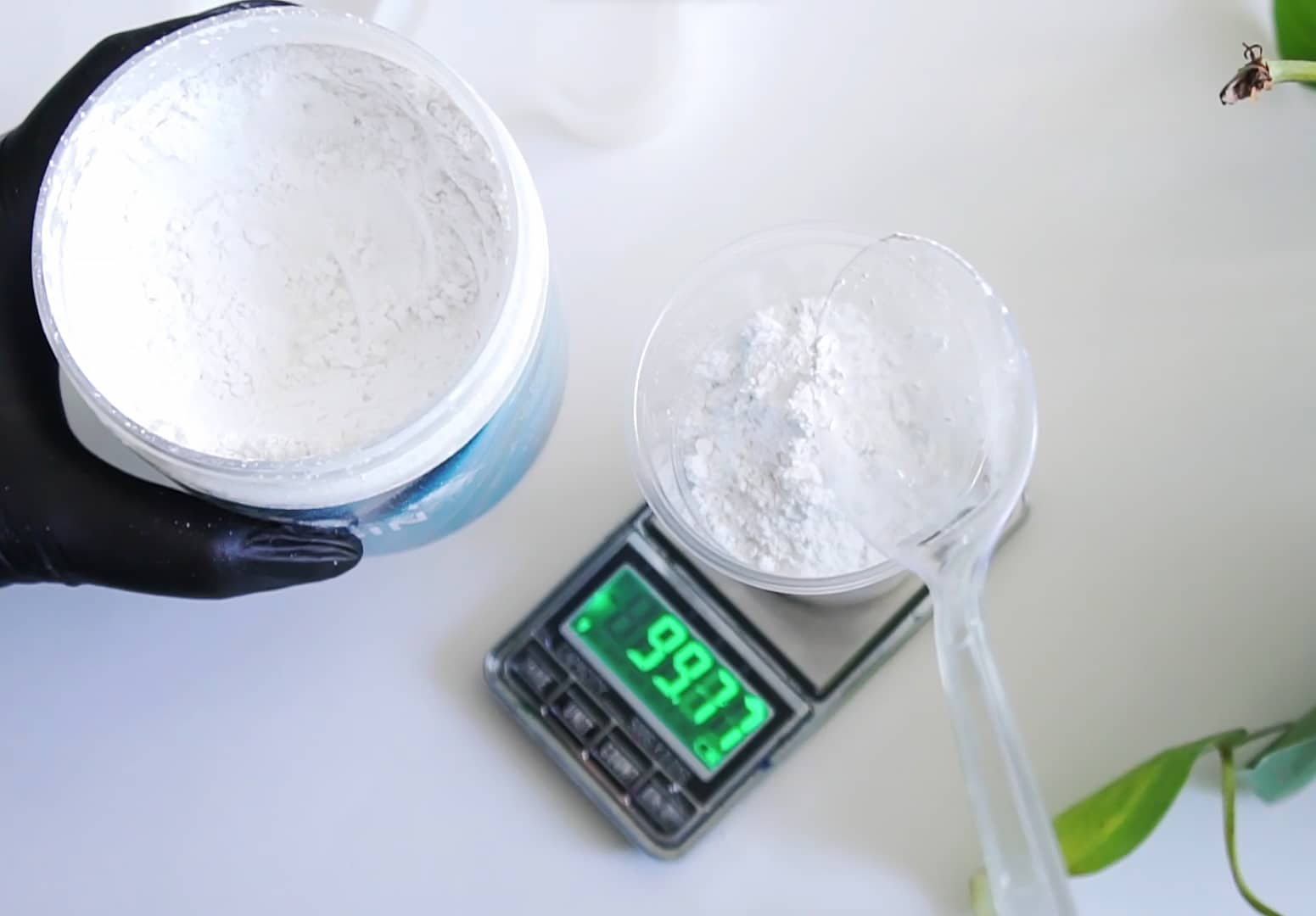

Step 2: Prepare Your Workspace and Tools
Ensure your tools are sharp and thoroughly cleaned to prevent contamination or infection in the plant. If sticky residue is a concern, a natural cleaner such as the Strong Technical Degreaser for Resin Projects – 100% Natural Formula makes tidying up fast and eco-friendly. Wear gloves and protective clothing to shield your skin from potential irritants and to keep your resin pure.
Use sharp, clean tools for best results and minimal impact on tree health.
Step 3: Collect Resin or Gum Gently
Look for resin that is already oozing from natural wounds or cracks in the bark. If needed, carefully make a small incision or peel back a section of bark to encourage exudation. Allow the resin or gum to accumulate for several days if you wish to collect a larger amount. Carefully scrape the residue using your knife, taking care not to damage the underlying wood.
Gum often flows more freely in warm weather, while resin secretion may follow injury or seasonal cycles. Choose the right collection period based on your target species.
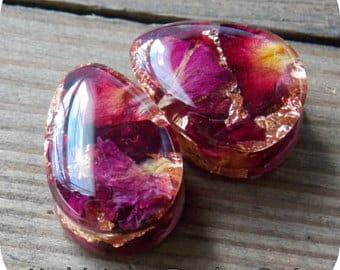
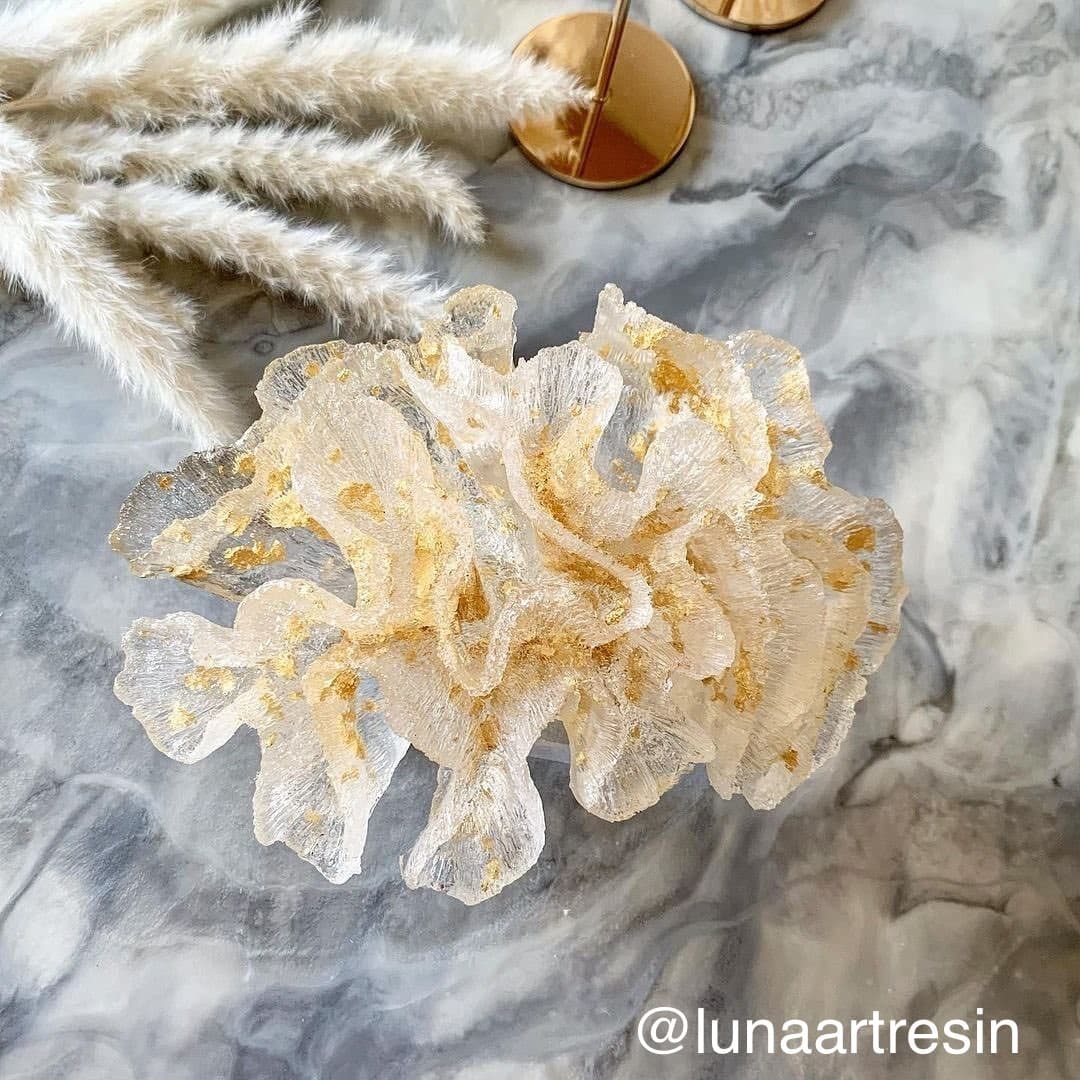
Step 4: Practise Responsible Foraging and Storage
Only take small quantities from each plant to allow for regeneration. Avoid deep cuts, as these may hurt the plant or introduce disease. Place collected material in your clean container, and clearly label it. Avoid taking too much from any plant—prioritise sustainability.
To keep your resin or gum fresh, store resin in a cool, dry place away from direct sunlight. This preserves quality for later use in crafts or natural art projects.
Tips and Troubleshooting for Collecting Plant Resin
Patience is key—plants often secrete resin or gum slowly. Avoid using dirty or blunt cutting tools, which can introduce contaminants or damage the plant. For easy clean-up of sticky tools and hands, a mild, eco-friendly cleaner such as Strong Technical Degreaser for Resin Projects – 100% Natural Formula is ideal after collection. When storing or using natural resin, keep it properly sealed to maintain its characteristics and avoid unwanted contamination.
Sustainable Resin Gathering in Crafts
Sustainability is essential when foraging for plant resin or gum. Only harvest what you need, and allow trees or shrubs to recover. Responsible collection is vital to preserve resources for future craft and artistic projects.
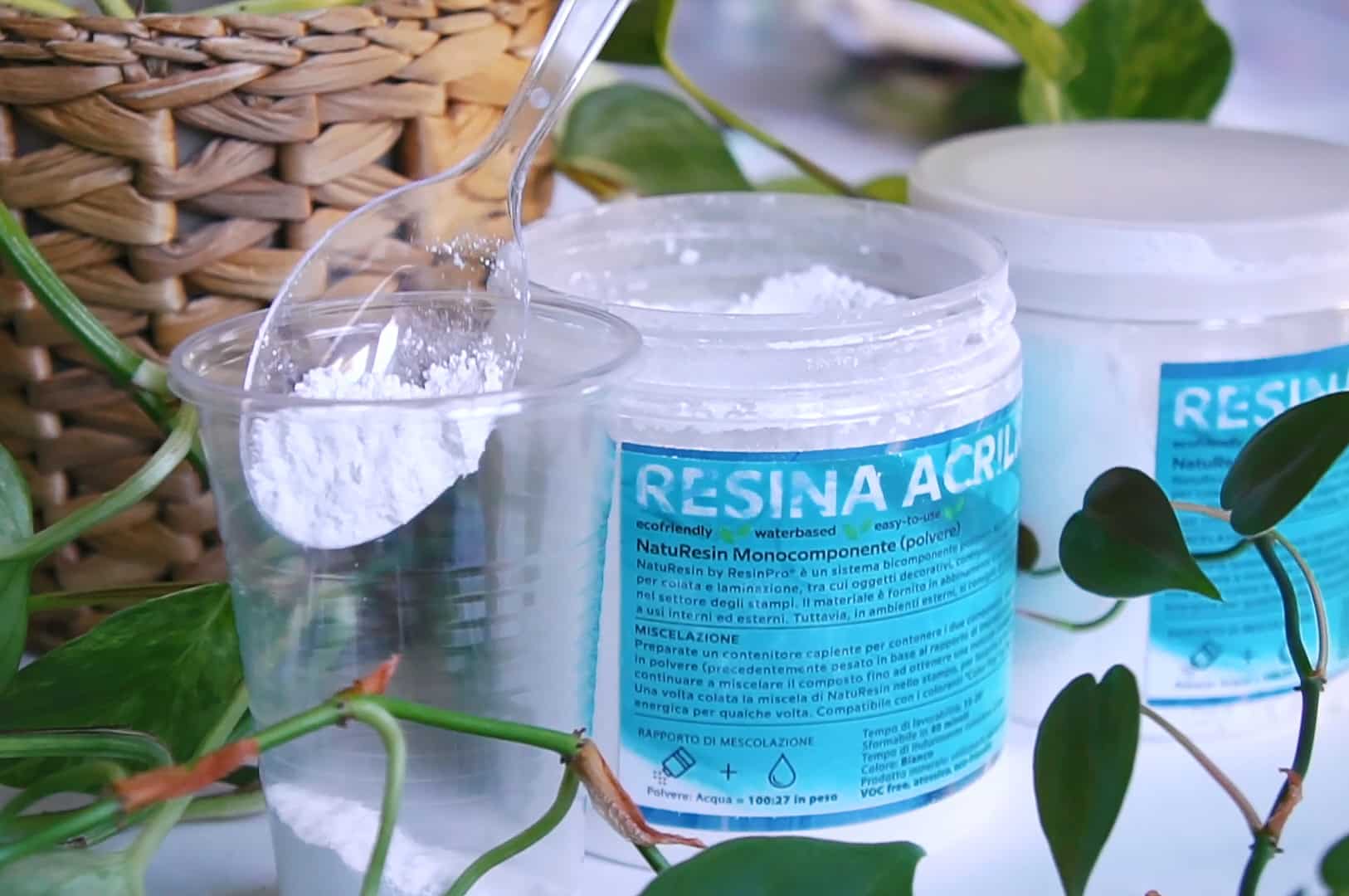
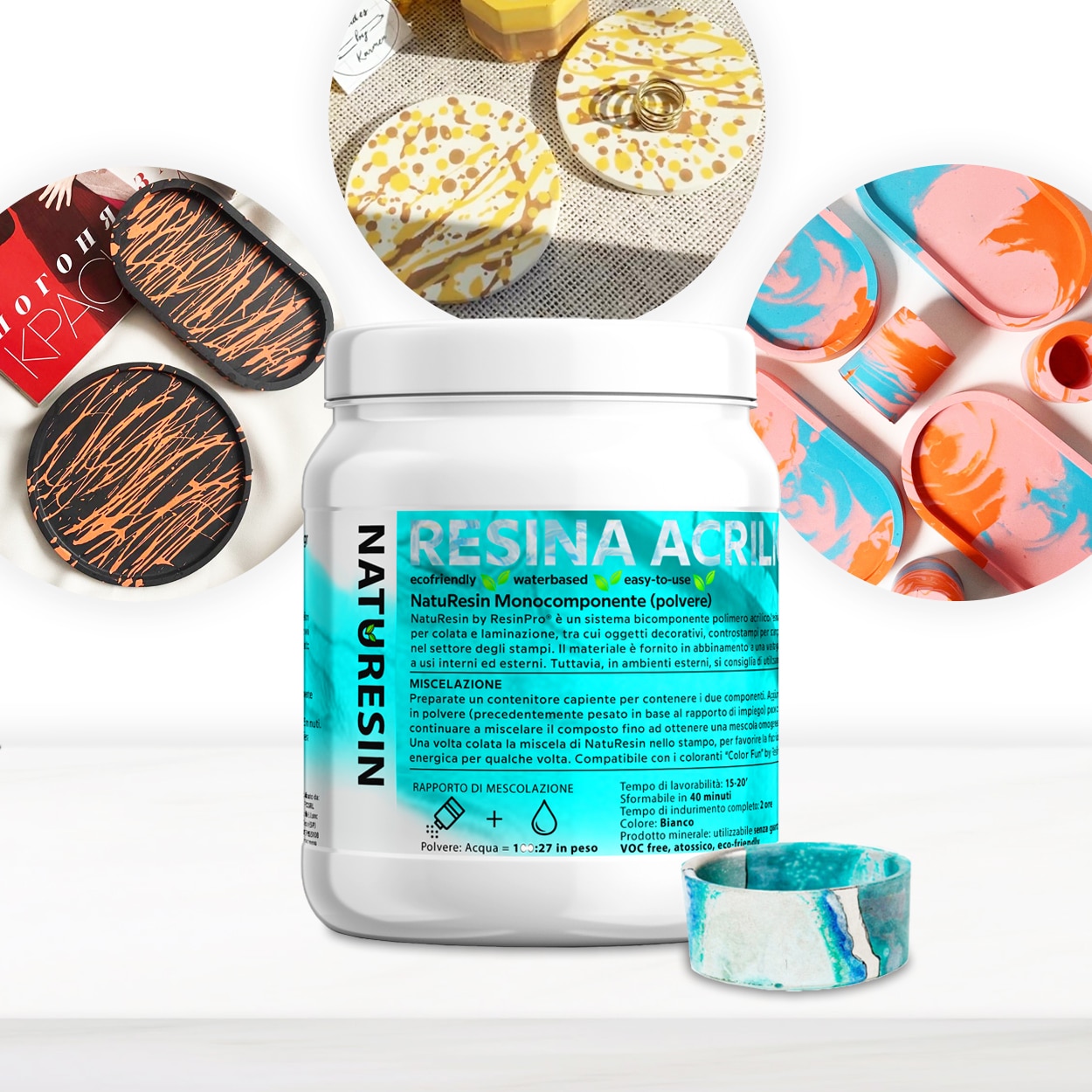
- “NatuResin” – Mineral Resin & Water System for Creative Casting and CraftsPrice range: £18.95 through £104.95NatuResin is a water-activated mineral resin designed for creative casting and crafts, suitable for safe artistic projects both indoors and outdoors.
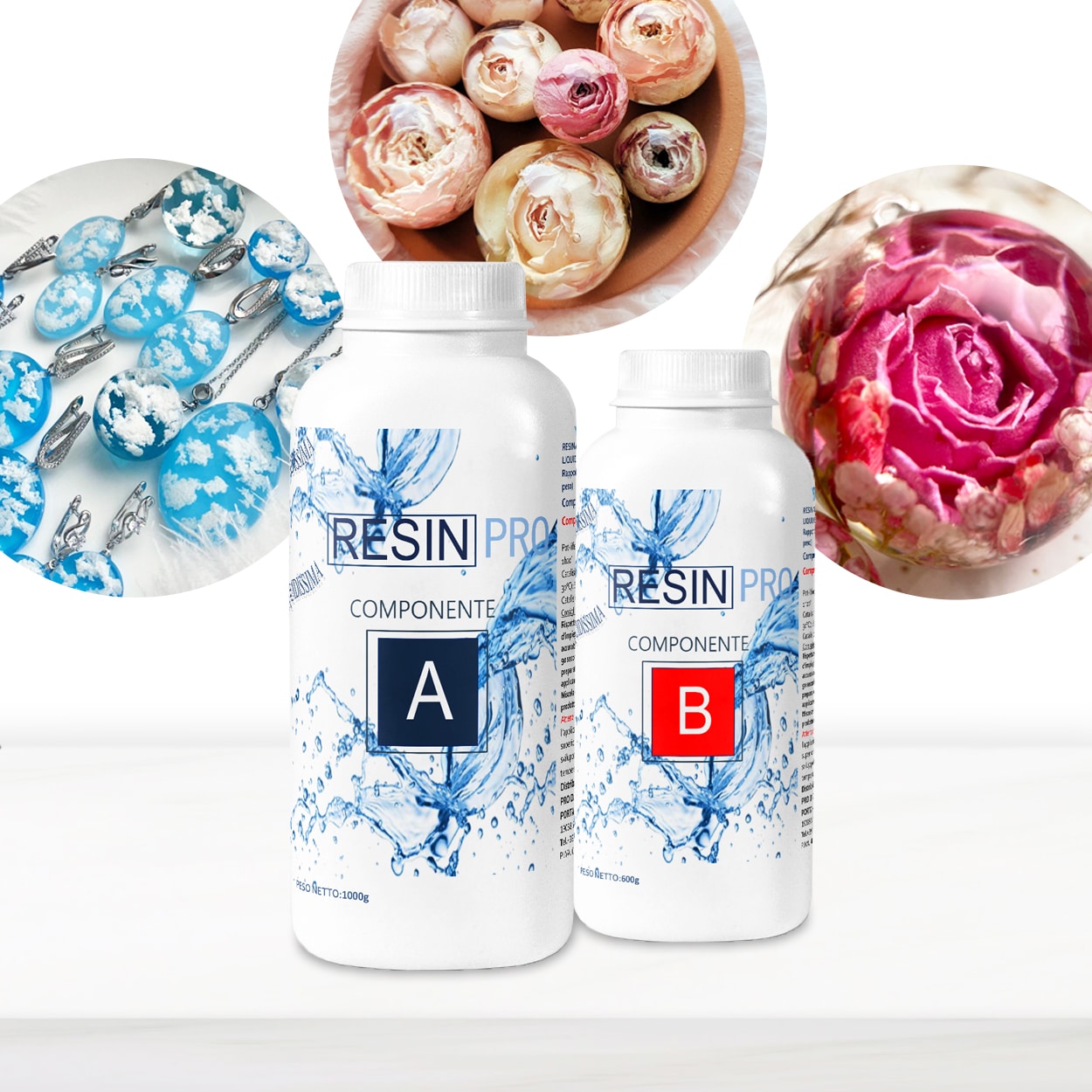
- "Liquidissima" – Epoxy Resin For Creations & JewelleryPrice range: £12.85 through £31.85Liquidissima epoxy resin provides clear, low viscosity casting for jewellery and creative moulds under the theme 'How to obtain plant resin or gum?'.
 Natural Dried Flowers for Art Projects and Epoxy Resin CastingPrice range: £5.95 through £8.45Natural dried flowers prepared for use in epoxy resin art and craft projects, suitable for capturing nature's aesthetic.
 Strong Technical Degreaser for Resin Projects – 100% Natural FormulaOriginal price was: £10.95.£9.45Current price is: £9.45.Strong Technical Degreaser is designed for cleaning in resin projects using a 100% natural formula, suitable for various surfaces.
Frequently Asked Questions
What plants produce natural resins or gum?
Common resin producers include pine and fir trees; gums are obtained from acacia, cherry, and some fruit trees.
What are safe practices for collecting plant resin?
Use sharp, clean tools and avoid excessive damage to plants. Collect small amounts and observe local foraging rules.
How do I clean tools after collecting resin?
Wipe tools with a natural degreaser or mild soap solution immediately after use, before resin hardens.
How should I store freshly collected resin?
Store resin in airtight, labelled containers in a cool, dry place out of direct sunlight for maximum freshness.
How much resin can I legally harvest?
Check local regulations as limits vary. Never collect without permission from protected or private land.
Should I use natural or craft resins for art projects?
Natural resin offers unique character, but craft resins can provide predictability and ease for consistent results.