 Free shipping on orders over £29,85
  Shipping Tracking!


 Google
 Facebook
← Back to How to obtain plant resin or gum?
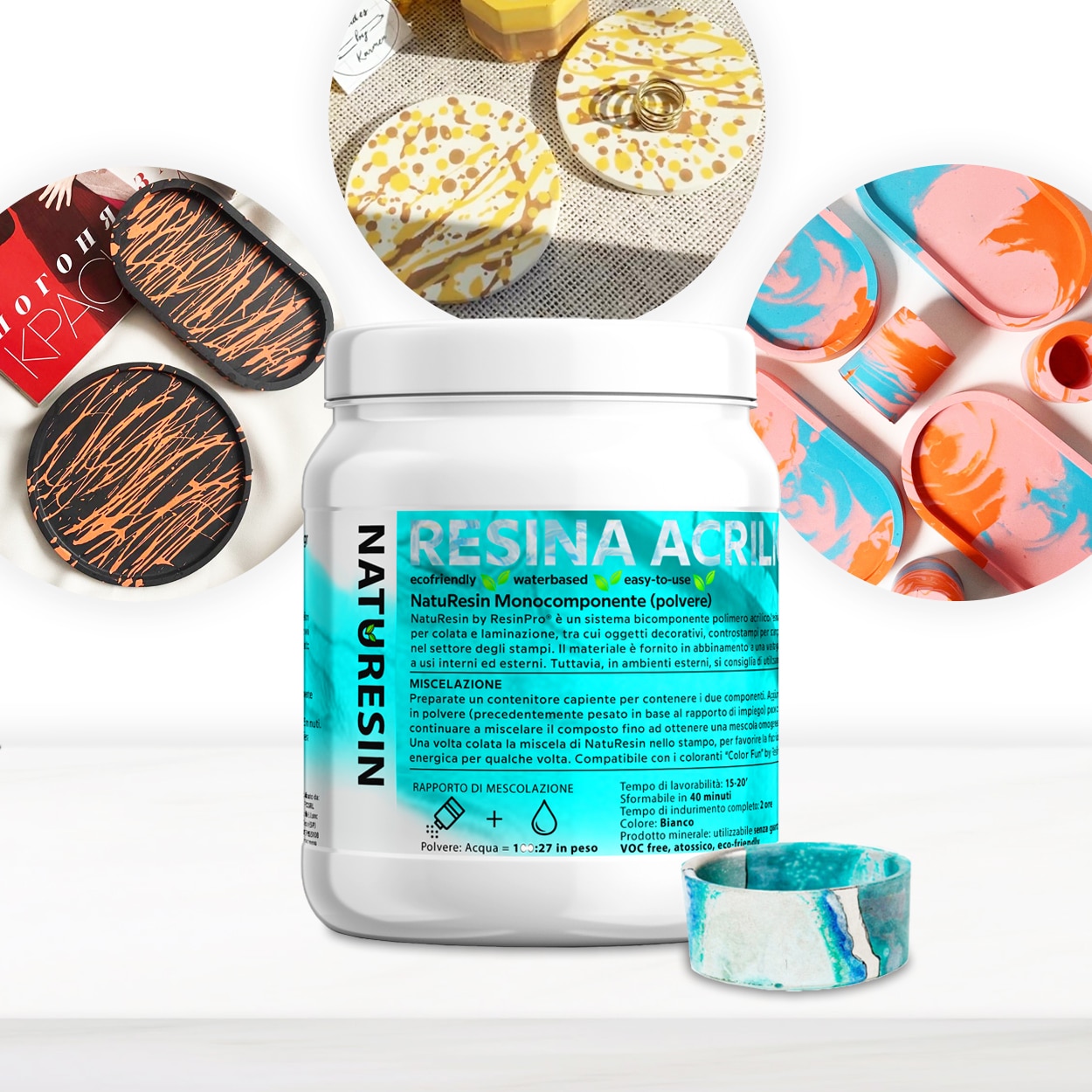
Many plants naturally produce resins and gums, which have been valued for a variety of uses from crafts to woodworking and even traditional remedies. Understanding which plants are involved can help guide your creative projects, whether you’re seeking authentic materials or looking for effective alternatives.
Plants That Yield Natural Resins
The most prominent group of resin-producing plants are conifers, especially pine and fir trees. These trees exude sticky resins when their bark is damaged, effectively sealing wounds and deterring pests. Other species, such as spruce and larch, may also produce notable resins. These tree resins have traditionally been gathered for use in varnishes, adhesives, and even some arts and crafts projects due to their protective and durable properties.
Common Gum-Producing Plants
Natural plant gums, while similar to resins, have a different composition and appearance—tending to be more soluble and less sticky. Acacias, including the source of gum arabic, are among the most widely recognised gum-producing plants. Certain fruit trees, such as cherry, plum, and even peach, may also exude gums as a response to injury. Plant gums are popular in creative applications for their gentle binding qualities and are often used for paper crafting or botanical art.
Guidance for Creative Use
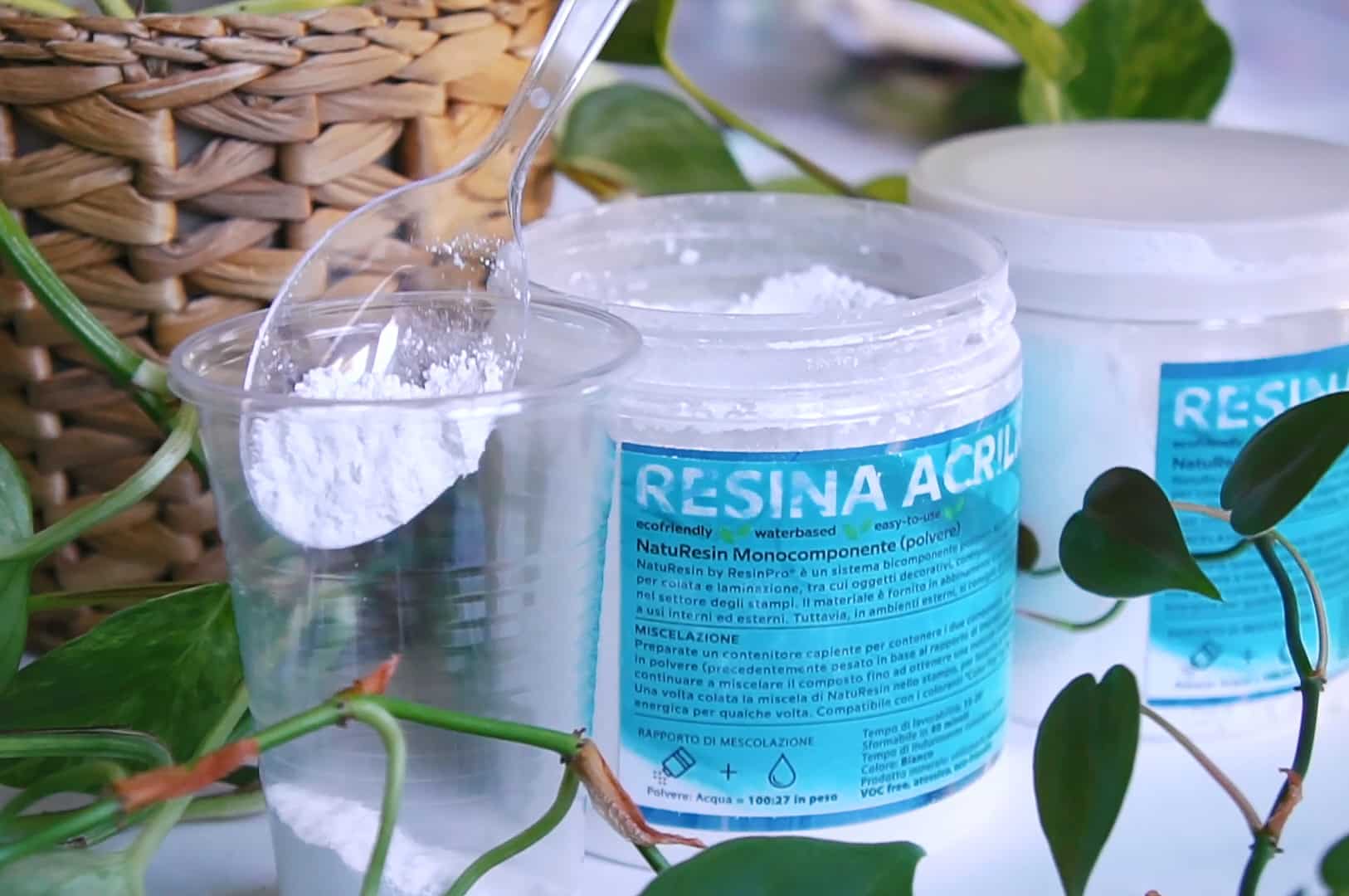
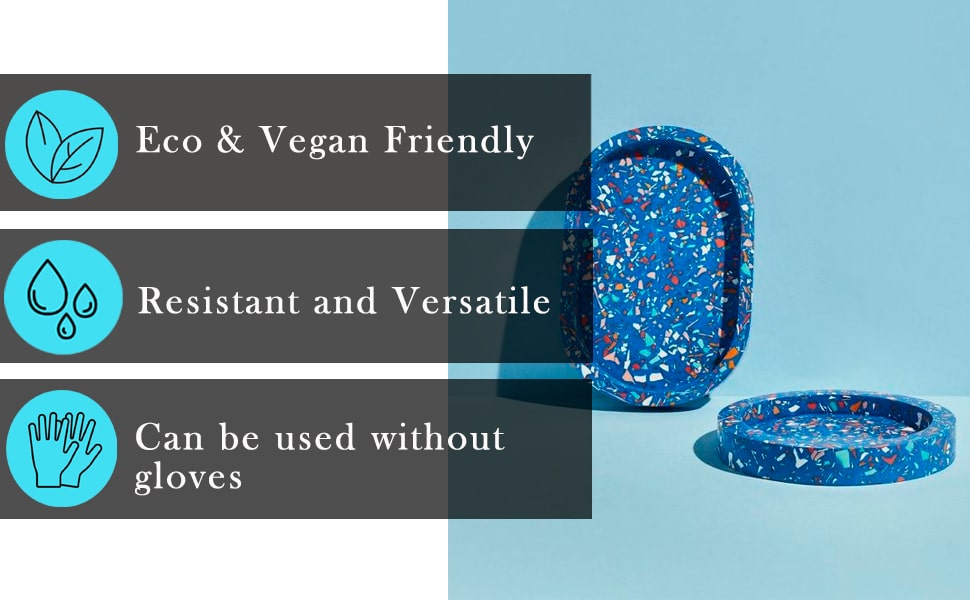
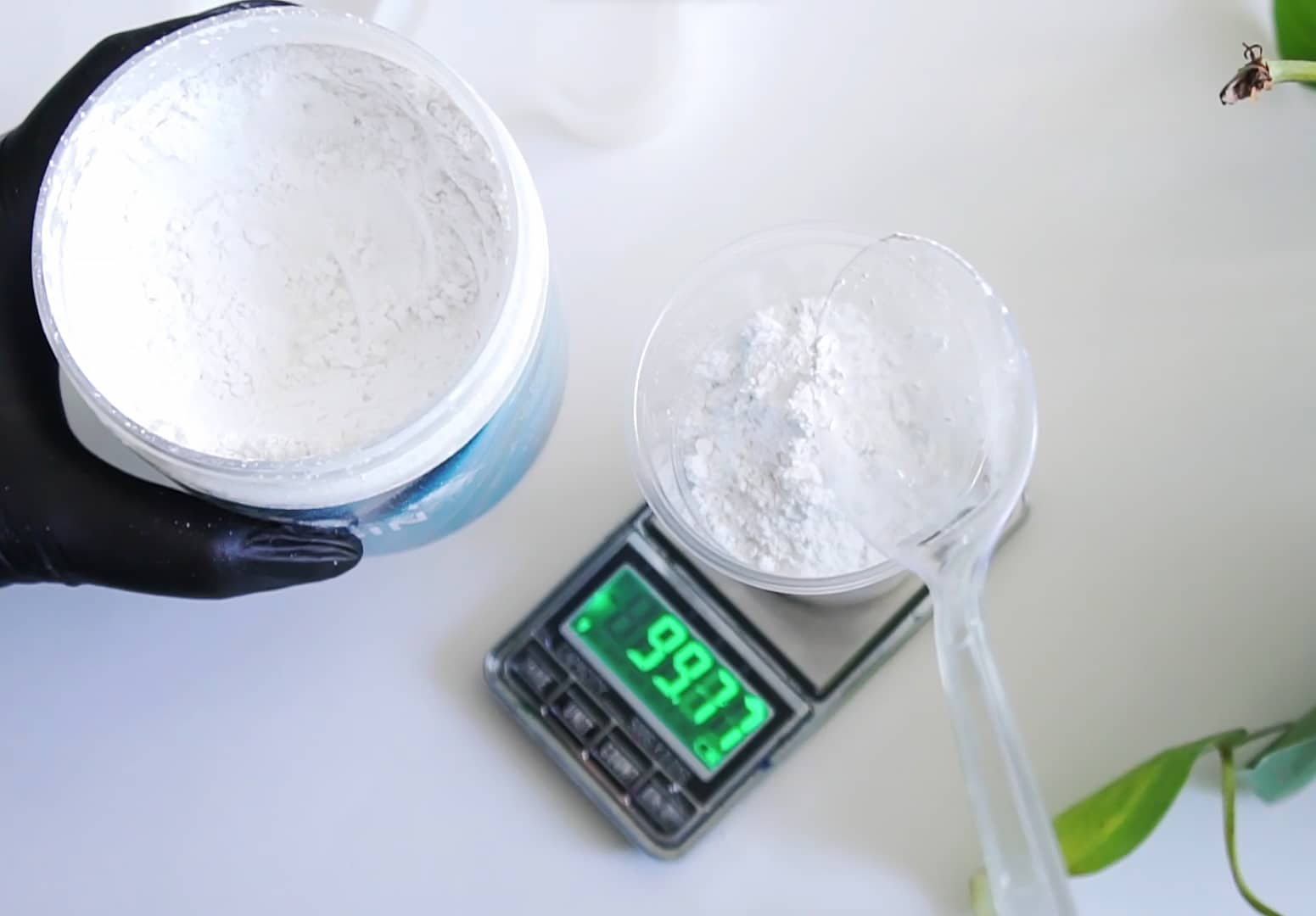
When aiming to use plant-derived resins or gums in crafts, consider their form, solubility, and availability. While harvesting directly from trees can be challenging and is subject to sustainable gathering methods, ready-to-use alternatives exist. For instance, water-activated mineral resins like NatuResin offer an approachable, safe solution for crafters seeking a natural aesthetic. Additionally, incorporating botanical elements—such as dried flowers—can help capture the look and feel of natural resins in your work.
When This Matters
Knowing which plants produce resins or gums is especially useful if you’re creating art inspired by nature or want to experiment with traditional materials. It also assists those searching for plant-based, eco-friendly options in creative casting and decorative crafts.
Related products
Related guides
Exploring plants that yield natural resins and gums not only enriches your craft knowledge but also deepens your appreciation for natural materials. If you’d like to learn more about working with plant resins or suitable alternatives, visit our main guide: How to obtain plant resin or gum?