 Free shipping on orders over £29,85
  Shipping Tracking!


 Google
 Facebook
How to paint a resin floor?
Step-by-step guide to achieving a resilient resin floor finish
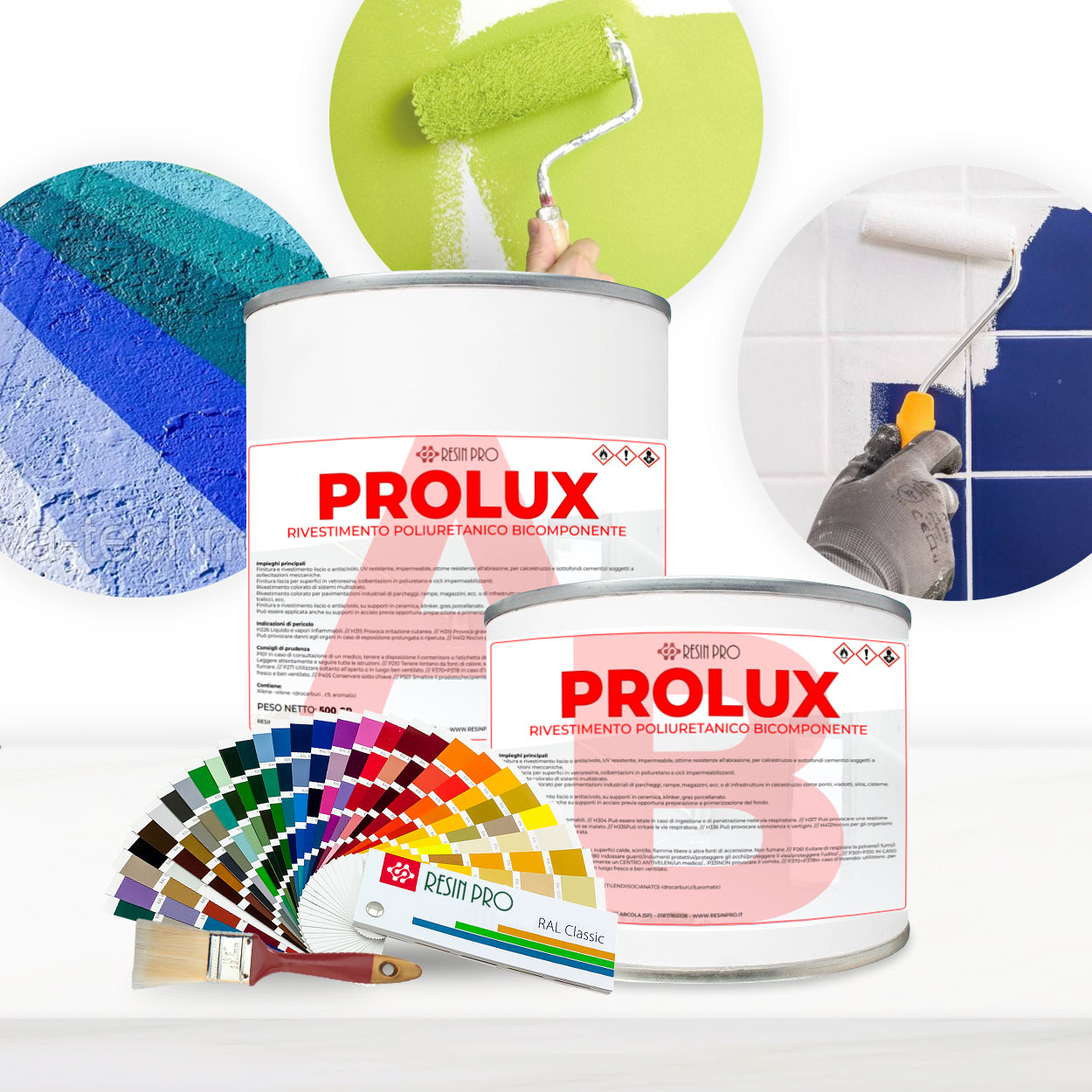

Painting a resin floor is an effective way to create a seamless, durable, and highly attractive surface, whether for a garage, workshop, kitchen, or commercial space. This guide will walk you through the techniques required to achieve a smooth, long-lasting resin floor coating—helping you tackle every stage, from preparation to finishing, confidently and safely.
What You’ll Need
- “Epoxyprimer” – Universal Water-Based Two-Component Epoxy Floor Primer: For maximum adhesion to the substrate
- “Prolux” – PU coating for tiles, concrete, plastic and metal – suitable for driveable surfaces: Used as the top protective layer
- Resin & Paint Application Rollers – Short-Pile, Large, and Sponge Types: For primer and coating application

Visual Overview: Painting a Resin Floor
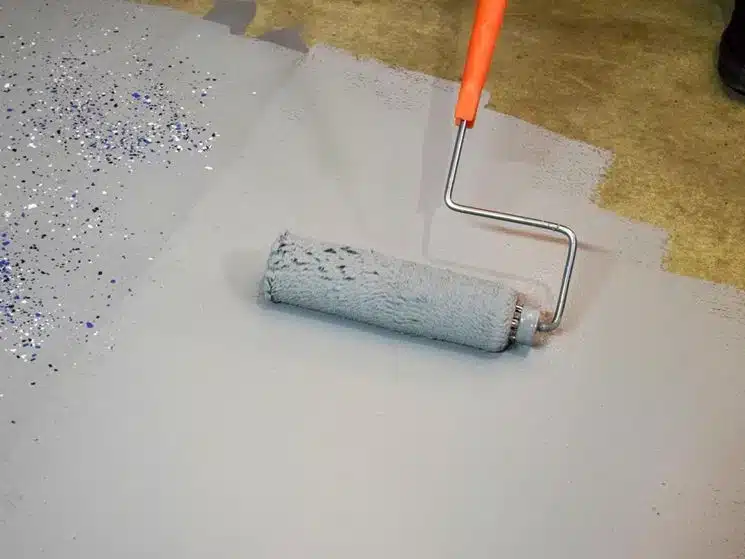
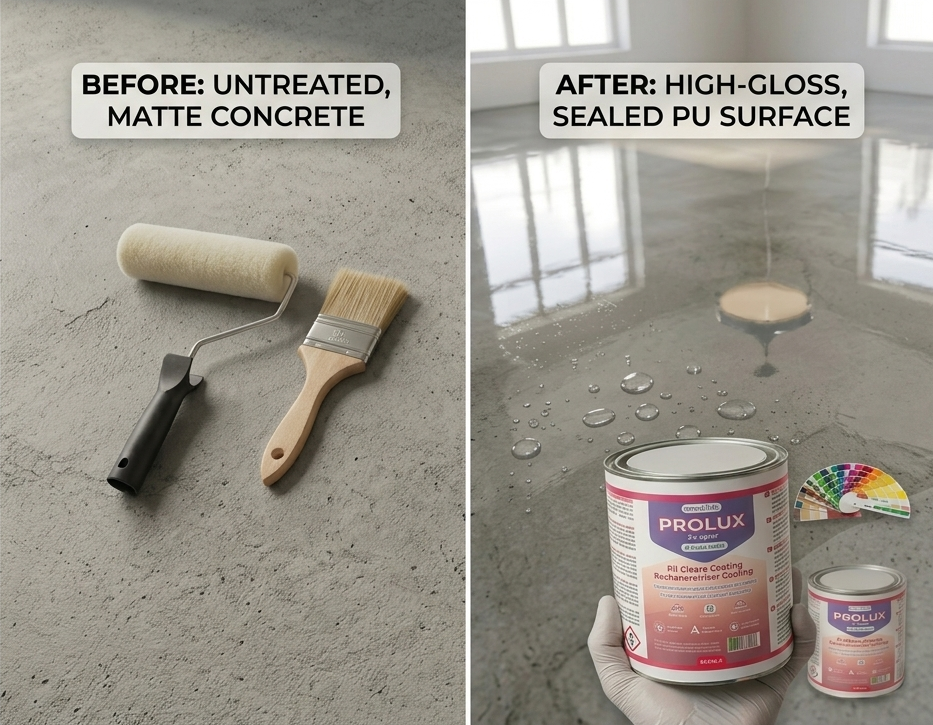
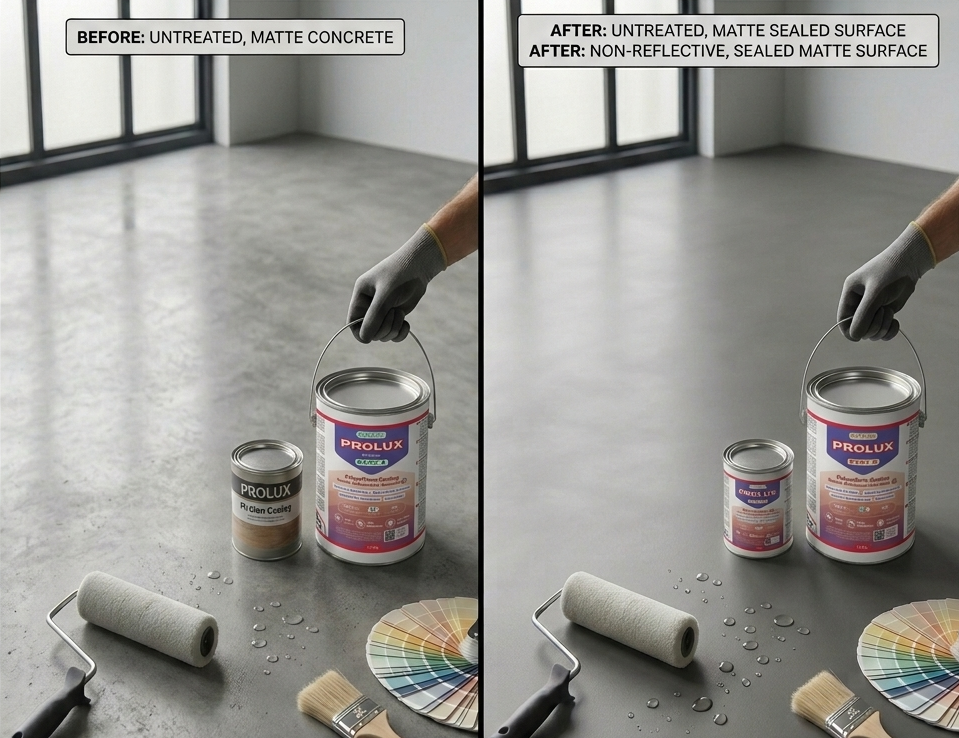
Review before-and-after photos of resin floor projects and watch short video demonstrations to help visualise each stage of the painting process. Observe how proper substrate preparation and methodical application ensure an even, attractive finish with lasting durability.
Step 1: Prepare and Clean the Substrate
A flawless resin floor starts with thorough preparation. Remove any existing coatings, dust, or debris from the surface. For concrete and tile substrates, make sure all loose materials and contaminants are eliminated. Fill cracks or holes with suitable filler and allow them to dry. The surface must be dry, stable, and free from oil or grease to enable the resin to bond correctly. Mechanical preparation such as light sanding helps create a textured finish for improved adhesion and should be followed by a careful vacuuming.
Pay particular attention to corners and edges, as these can be tricky to coat evenly if not properly prepared.
Step 2: Apply the Epoxy Floor Primer
Once the substrate is clean and dry, apply a suitable primer to promote effective bonding between the substrate and resin layers. “Epoxyprimer” – Universal Water-Based Two-Component Epoxy Floor Primer is ideal for concrete, ceramic, screed, tile, and timber surfaces. Mix the components thoroughly according to the manufacturer’s instructions.
Use a short-pile or large application roller for a consistent, even coat. Work systematically to ensure complete coverage, especially at junctions and around obstacles. Allow the primer to cure fully, typically 24–48 hours, before proceeding to the next stage.
Step 3: Paint the Resin Floor with Polyurethane Coating
When the primer is cured, you can apply your top resin floor coating. A two-component polyurethane system, such as “Prolux” – PU coating for tiles, concrete, plastic and metal – suitable for driveable surfaces, provides long-lasting protection. Mix the coating as recommended (usually 2:1 by volume) and allow a few minutes for any trapped air bubbles to dissipate.
Apply using clean rollers designed for epoxy and polyurethane coatings. Short-pile rollers help achieve smooth finishes, while larger rollers are ideal for broad surfaces. Apply the coating in sections, avoiding excessive overlapping, and work towards a uniform layer. Always ventilate well while applying and adhere to product-specific pot life and recoating times.
Step 4: Allow Proper Curing and Finishing Touches
After painting, let the resin floor cure undisturbed as instructed—this may take up to 48 hours depending on the system used and ambient conditions. Protect the floor from foot traffic, water, or contaminants during this period. Once cured, inspect for missed areas or uneven patches; touch up if required, always following safety protocols.
Clear any masking or protection once the surface is hard and fully set. Avoid placing heavy loads or dragging objects over the new floor for at least several days after application.

Tips and Common Mistakes
Always use compatible primers and coatings for best bonding. Skipping a dedicated primer can lead to poor adhesion and future coating failure. Allow sufficient curing time between application stages. Rushing can damage the floor’s finish and integrity.
Avoid excess resin pooling as it may cause uneven curing. Use rollers suitable for resin application to spread coatings thinly and evenly. Ventilate work areas to minimise fumes and ensure safety.
Troubleshooting Gallery: Resin Floor Finishes
View examples of common issues such as poor adhesion, bubbling, or uneven layers alongside successful applications. Spot the difference between professional results and preventable mistakes to hone your skills and improve future flooring projects.

- "Epoxyprimer" – Universal Water-Based Two-Component Epoxy Floor PrimerPrice range: £156.45 through £286.45"Epoxyprimer" is a water-based epoxy floor primer suited for various surfaces, designed to aid adhesion when painting a resin floor.
- "Prolux" – PU coating for tiles, concrete, plastic and metal – suitable for driveable surfacesPrice range: £44.85 through £494.85"Prolux" polyurethane coating provides durable protection against UV, abrasion and weathering for surfaces including tiles and concrete.
- Resin & Paint Application Rollers – Short-Pile, Large, and Sponge TypesPrice range: £3.62 through £5.09Rollers designed for epoxy resin applications provide precision and uniformity on resin surfaces in this How to paint a resin floor? theme.
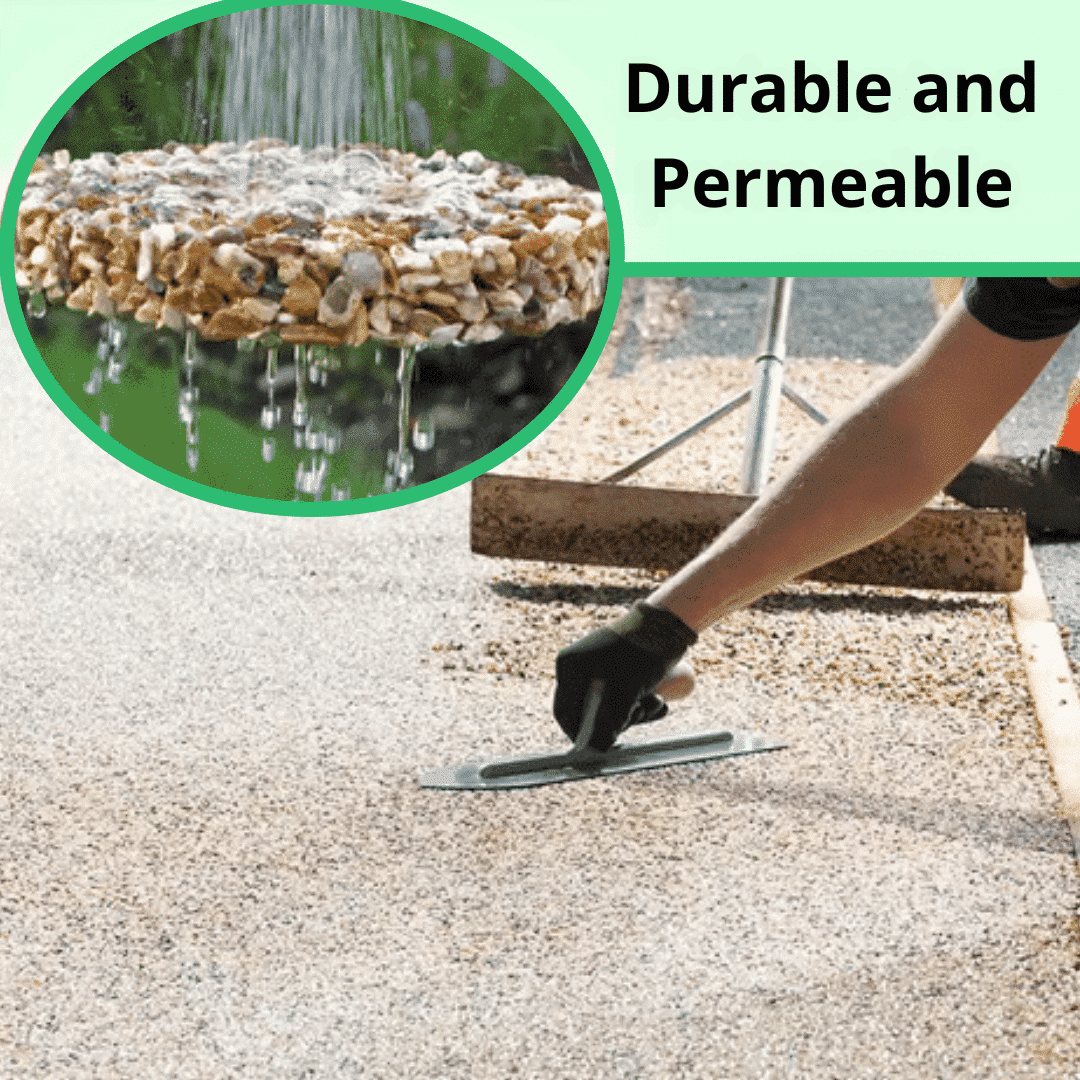 "Flowstone" – Complete Permeable Floor Kit with Pebbles and ResinPrice range: £49.95 through £3,915.45"Flowstone" kit offers a durable and permeable pebble and resin flooring system designed for outdoor use in the UK climate with simple application.
Frequently Asked Questions
Do I need to use a primer on all substrates?
Yes, a compatible primer maximises adhesion for both porous and non-porous floors, helping prevent future coating failure.
How long before I can walk on a painted resin floor?
Most resin floors need 24–48 hours of undisturbed curing before light foot traffic. Full mechanical strength may require several days.
Which roller is best for epoxy applications?
A short-pile roller works well for detailed coating, while a large roller is suited for broader areas. Sponge rollers help achieve self-levelling finishes.
Is resin floor coating suitable for bathrooms or kitchens?
Yes, resin floors are seamless and water-resistant, making them suitable for kitchens, bathrooms and other wet areas.
Can I paint over an old resin floor?
Yes, but ensure the old surface is clean, sanded, and free of contaminants before priming and recoating.
How do I fix bubbles or marks in a resin floor?
Lightly sand the affected area, remove dust, and touch up with fresh resin or coating as required.
What colours and finishes are available?
Polyurethane and resin coatings come in a wide variety of colours with gloss, satin, or matt finishes to suit your interior design.