 Free shipping on orders over £29,85
  Shipping Tracking!


 Google
 Facebook
how to remove epoxy resin residue from the floor?
Practical steps for spotless, resin-free floor surfaces
Leftover epoxy resin on floors poses both a visual nuisance and a potential slip hazard, especially after home improvement or DIY projects. This guide will show you effective methods to remove epoxy resin residue from most floor types, including concrete, tile, laminate, and wood. By following the steps below, you will achieve a clean, resin-free floor without damaging the underlying material.
What You’ll Need
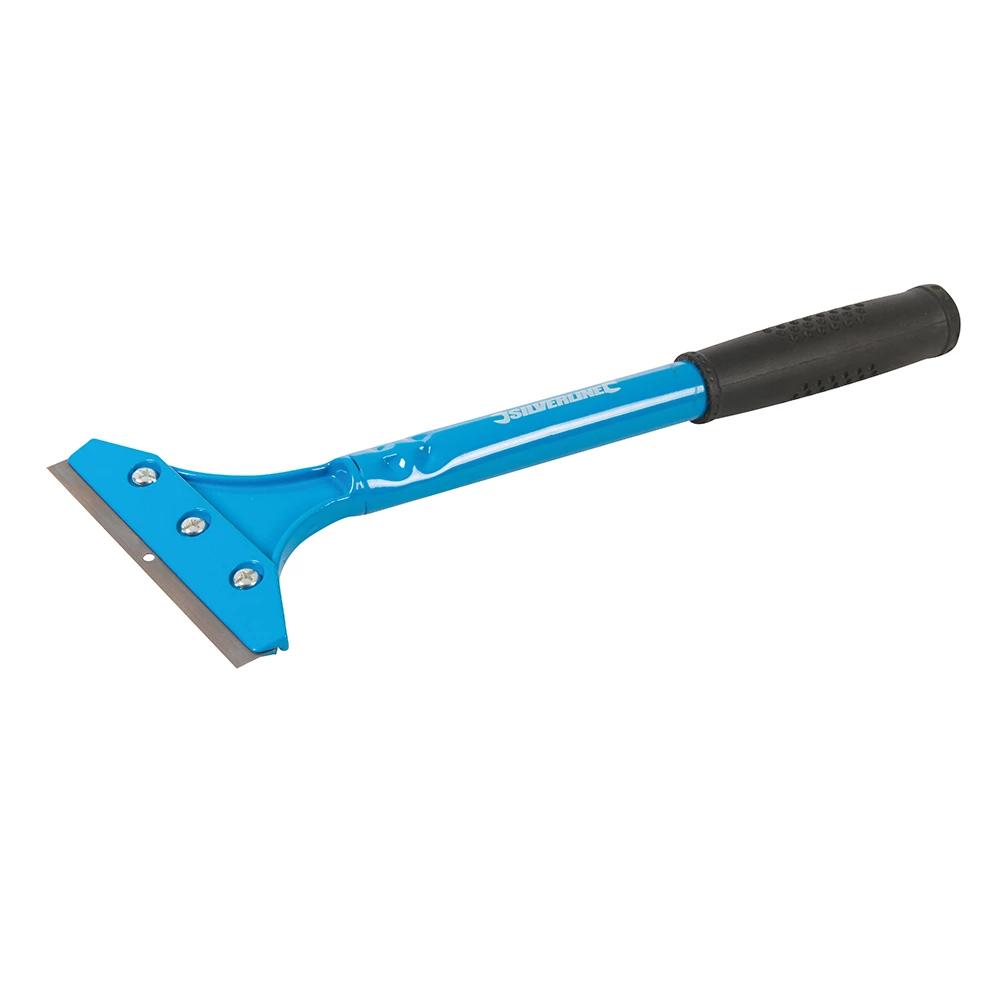
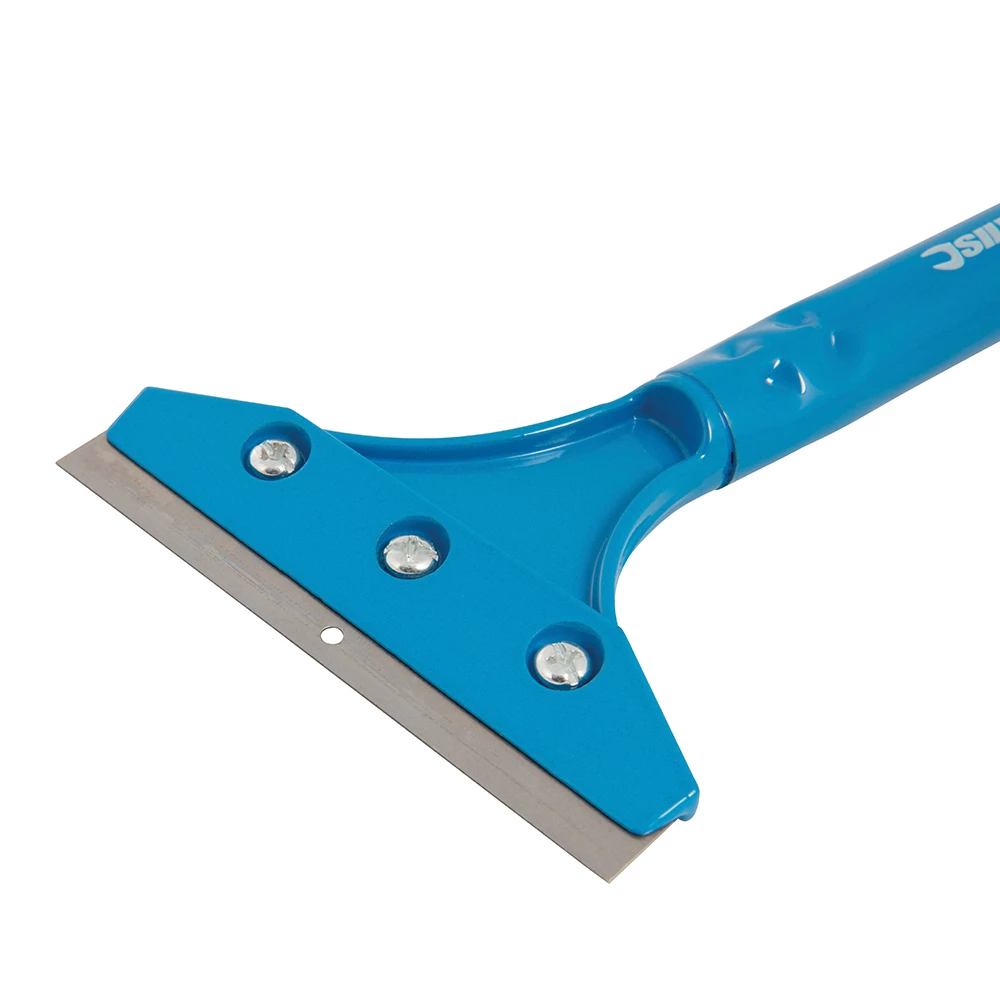
- Heavy Duty Scraper for Paint and Epoxy Resin Removal – Ideal for gently lifting and removing hardened resin.
- Strong Technical Degreaser for Resin Projects – 100% Natural Formula – Useful for loosening and cleaning sticky residues.
- Pure Isopropyl Alcohol 99.9% – 1000ml Bottle for Epoxy Resin Projects & DIY – Helps dissolve stubborn resin spots.
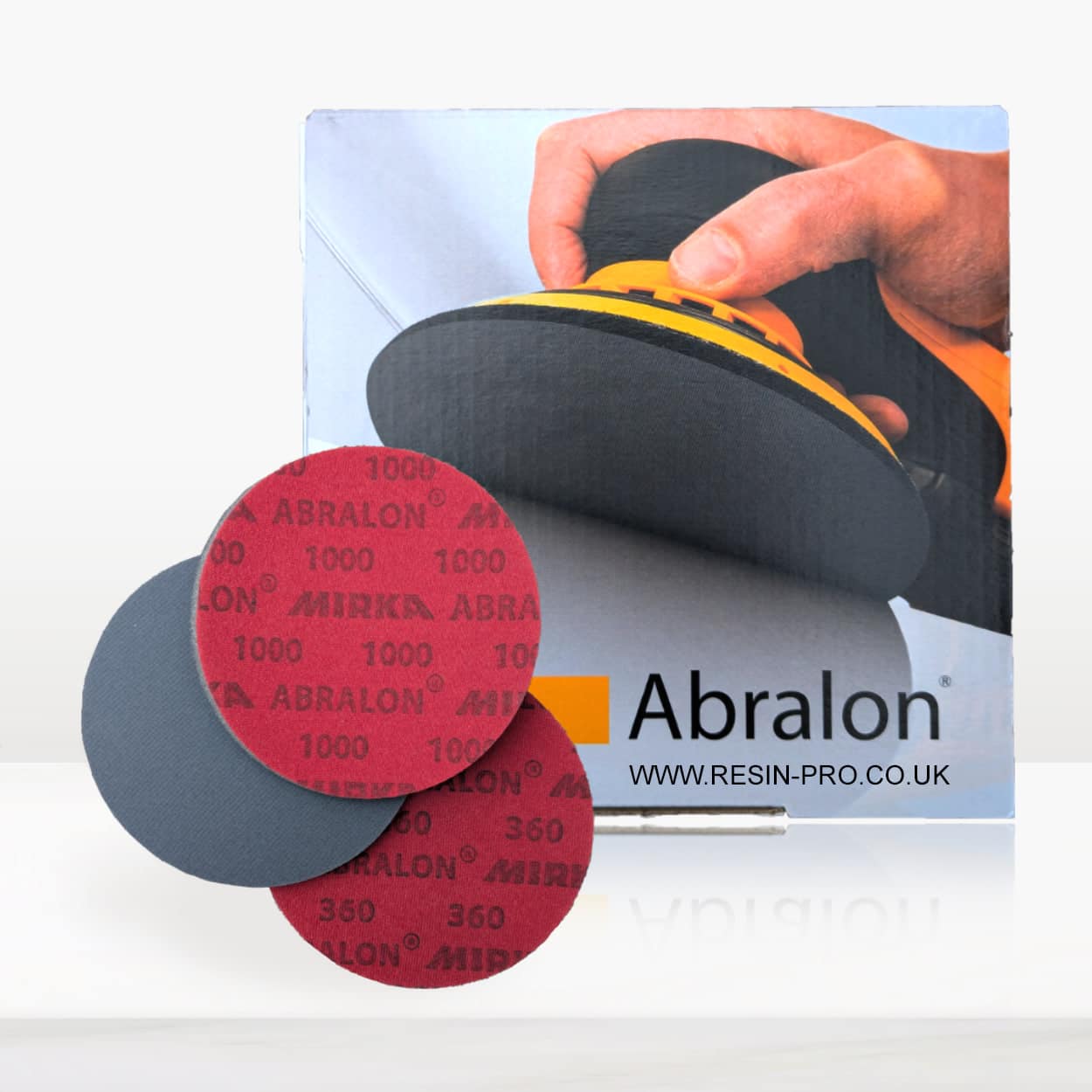
- “Ebonite Abralon” – Sanding Pads 360-4000 Grit for Resin and Wood – For finishing and polishing after residue removal.
- Protective gloves and safety goggles
- Microfibre cloths and a bucket of warm water
Practical Guidance for Safer Floor Cleaning
Wear gloves and goggles to avoid skin or eye contact with scraping debris or solvents. Open windows and doors to keep the area ventilated, especially when using isopropyl alcohol or degreasers. If your floor is highly polished or delicate, start with the mildest cleaning method and proceed gradually.

Step 1: Physically Loosen Cured Resin
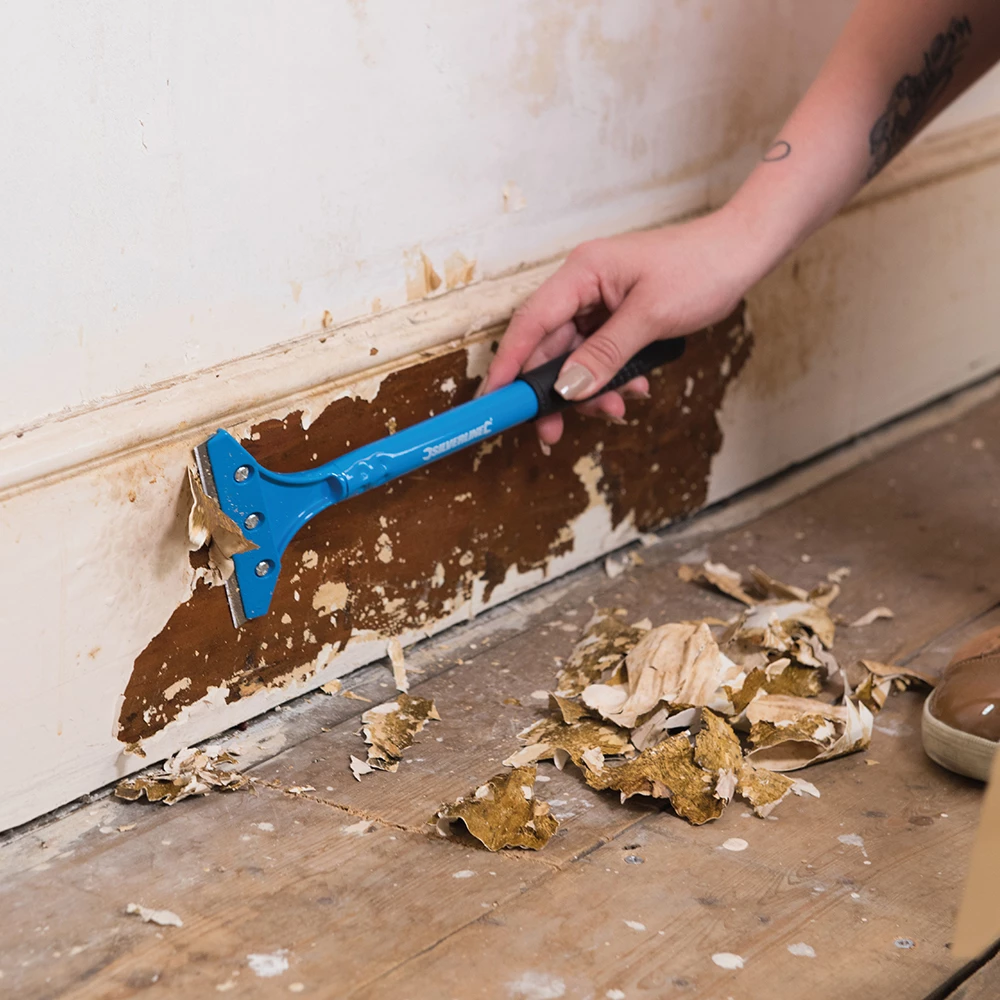
Begin by assessing whether the epoxy resin is fully cured or still tacky. For hardened resin, use a sturdy tool to gently lift the bulk of the residue. Work at a shallow angle and apply consistent pressure to avoid gouging the floor surface. If your floor is especially delicate, take extra care not to scratch it.
The Heavy Duty Scraper for Paint and Epoxy Resin Removal is particularly effective for this task, allowing you to remove thick deposits safely and accurately.
Step 2: Apply a Suitable Cleaning Solution
After scraping away the majority of the residue, focus on loosening any remaining sticky or thin layers. Select a cleaner appropriate for your floor type. For most hard floors, a natural degreaser or isopropyl alcohol is safe and reliable. Always test any cleaner on a small, hidden spot first.
Apply the Strong Technical Degreaser for Resin Projects – 100% Natural Formula directly to the affected area, allowing it to sit for several minutes. Gently work the area with a microfibre cloth or soft brush to lift softened residue.
Step 3: Use Isopropyl Alcohol to Tackle Stubborn Spots
For persistent stains that resist initial cleaning, isopropyl alcohol can help dissolve cured or semi-cured resin. Moisten a clean cloth with Pure Isopropyl Alcohol 99.9% and rub the blemished area in small circular motions. Ventilate the area when using solvents. Repeat as necessary, always avoiding excessive saturation, especially on wood or laminate floors.

Step 4: Sand and Polish for a Smooth Finish
Once the residue is mostly gone, inspect the floor for any marks left behind. Use abrasive pads to level out minor roughness or polish any dulled spots. Choose an appropriate grit depending on your floor’s finish; finer grits work best for delicate or high-gloss surfaces. Work patiently and avoid excessive force.
The “Ebonite Abralon” – Sanding Pads 360-4000 Grit for Resin and Wood are well-suited for this step, ensuring an even, scratch-free result. Do not flood wooden or porous surfaces with liquid.
Tips and Troubleshooting for Resin Removal
Always test any cleaner on a small, hidden spot first. Floor finishes can vary, and unexpected reactions are possible. For stubborn residue, repeat steps using finer abrasives. Avoid scraping aggressively which could permanently damage floor coatings. If adhesive or sticky patches persist, allow cleaning solutions more dwell time before wiping them away.
Work patiently and avoid excessive force. Consistency and care result in the cleanest floor finish. If in doubt, consult a flooring professional for advice, especially with sensitive surface types.
Surface-Specific Considerations When Removing Resin
Tile and concrete floors are usually more tolerant of scraping and solvents, but wooden, laminate or painted floors need a delicate touch. Always minimise liquid use on porous materials, and dry the area thoroughly after cleaning. For large or commercial jobs, consider consulting a specialist for best results.
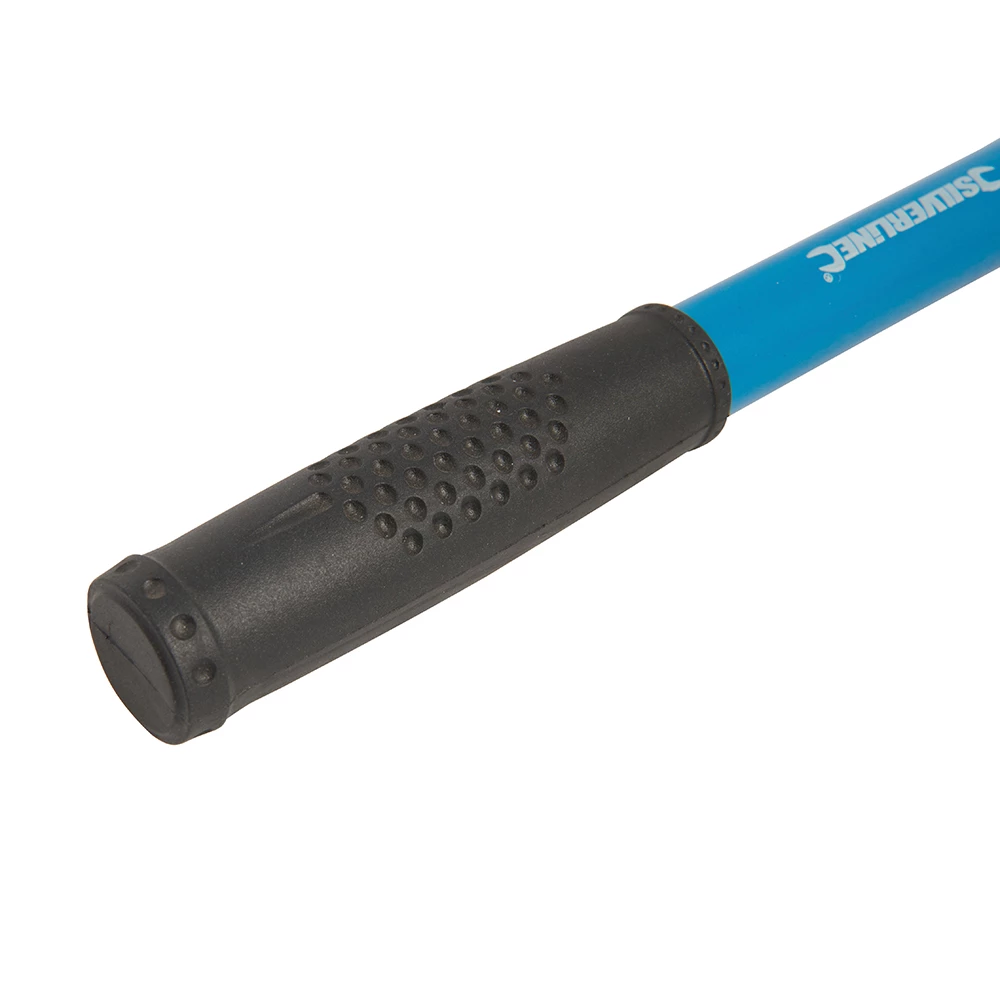
- Heavy Duty Scraper for Paint and Epoxy Resin Removal£8.35Heavy Duty Scraper designed for removing coatings including epoxy resin residue, suited for projects involving floor and wall surfaces.
- Strong Technical Degreaser for Resin Projects – 100% Natural FormulaOriginal price was: £10.00.£8.85Current price is: £8.85.A 100% natural degreaser designed for cleaning projects involving epoxy resin and various other surfaces.
- Pure Isopropyl Alcohol 99.9% – 1000ml Bottle for Epoxy Resin Projects & DIYPrice range: £9.85 through £19.85Pure Isopropyl Alcohol 99.9% is suitable for epoxy resin projects, helping remove bubbles and supporting clean preparation.
- "Ebonite Abralon" – Sanding Pads 360-4000 Grit for Resin and Wood£3.95Ebonite Abralon Sanding Pads offer precise sanding from 360 to 4000 grit for detailed finishing on resin and wood.
Frequently Asked Questions
What cleaners are safe for removing epoxy resin from floors?
Natural degreasers or isopropyl alcohol are usually safe for most hard floors, but you should always test a small hidden area first.
How can I avoid damaging the floor when removing epoxy resin?
Use gentle scraping, avoid harsh abrasives, and never oversaturate wooden or porous surfaces with liquid.
Do I need special tools to remove epoxy resin residue?
A heavy duty scraper and soft sanding pads are helpful, but for light residue, a cloth and suitable cleaner are often enough.
Can isopropyl alcohol remove epoxy resin from the floor?
Isopropyl alcohol can dissolve small or fresh resin spots, but thick cured layers may require scraping first.
What’s the best way to sand away epoxy marks from a floor?
Use fine grit sanding pads and gentle pressure to smooth affected spots without scratching the surface.
What should I do for really tough resin floor stains?
Repeat the cleaning and sanding steps, and consider allowing a cleaner to dwell longer before wiping off the residue.
Can I use household items to clean up epoxy resin residue?
Mild detergents and scrapers can sometimes be used, but resin-specific products are more effective and safer for your floors.
How do I remove epoxy resin residue safely from wooden floors?
Start with gentle scraping and minimal moisture, using fine abrasives only if absolutely necessary to avoid damaging the finish.