 Free shipping on orders over £29,85
  Shipping Tracking!


 Google
 Facebook
How to remove epoxy resin using paint thinner?
Removing cured epoxy resin, whether from tools, floors, or surfaces, can be challenging. This guide takes you through a safe, effective removal process using paint thinner and mechanical means. Perfect for DIYers, tradespeople, and anyone needing to clean up or correct epoxy mishaps.
Step-by-step instructions for safe and effective epoxy removal
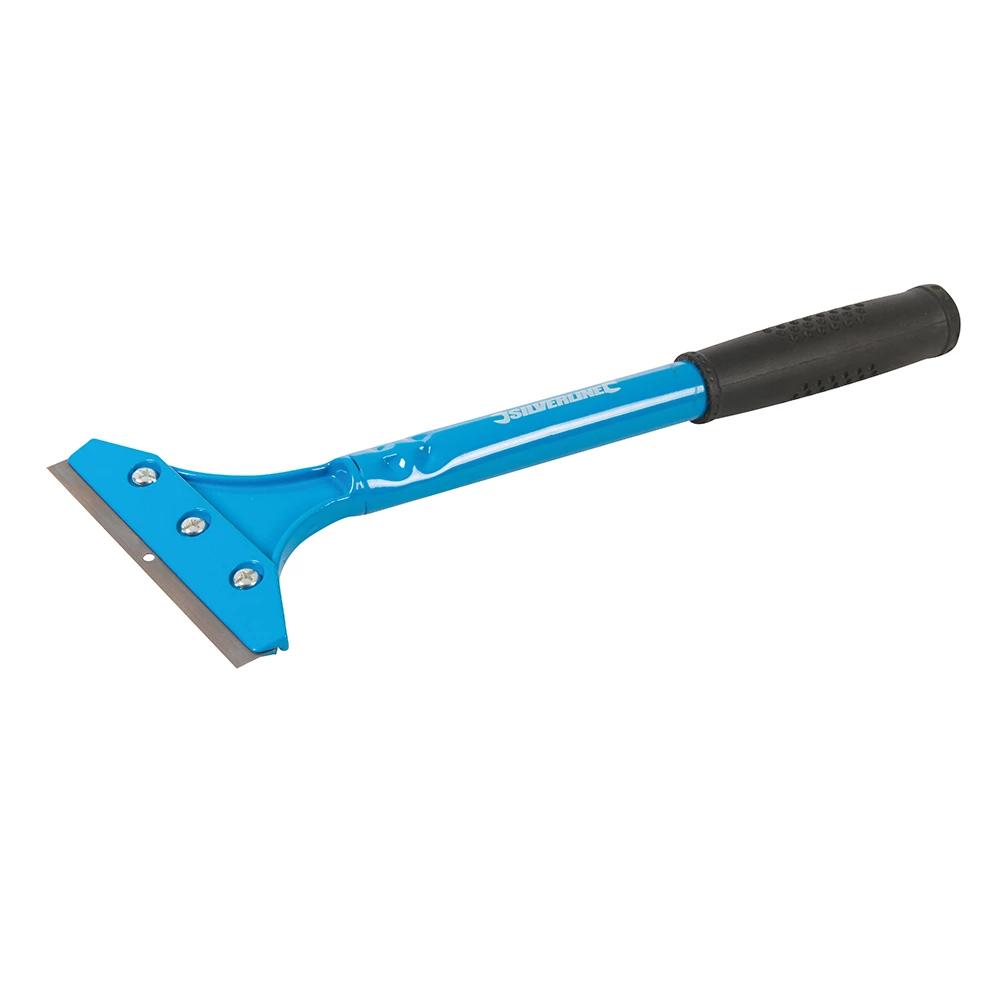
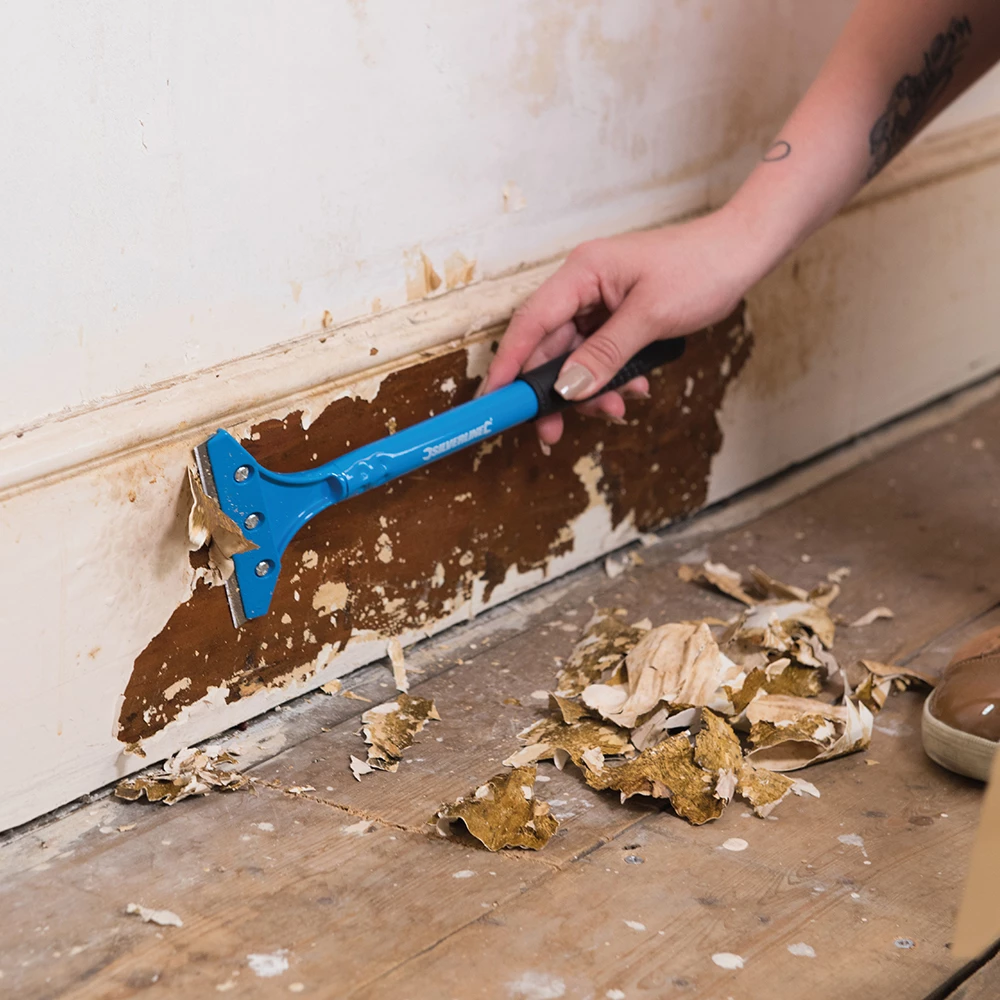
What You’ll Need
- Heavy Duty Scraper for Paint and Epoxy Resin Removal – Ideal for lifting and scraping softened resin from a variety of surfaces.
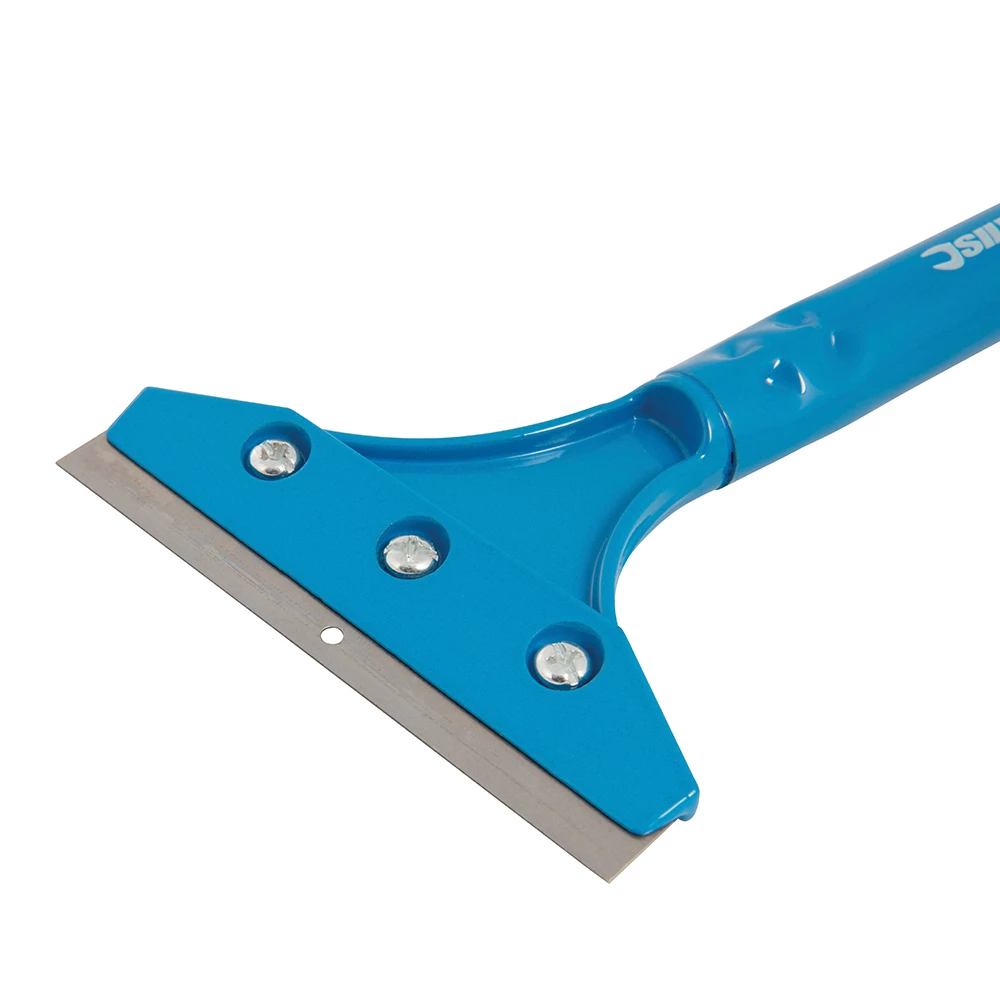
- Scraper for Paint & Dry Resin Removal – 10 Double-Sided Blades – Perfect for windows and smooth areas requiring finer control.
- Paint thinner (compatible with epoxy resin; check manufacturer guidelines)
- Disposable cloths or rags
- Protective gloves and goggles
- Plastic sheeting or drop cloths for workspace protection
- Seal-able container for waste disposal
Safety First When Using Paint Thinner
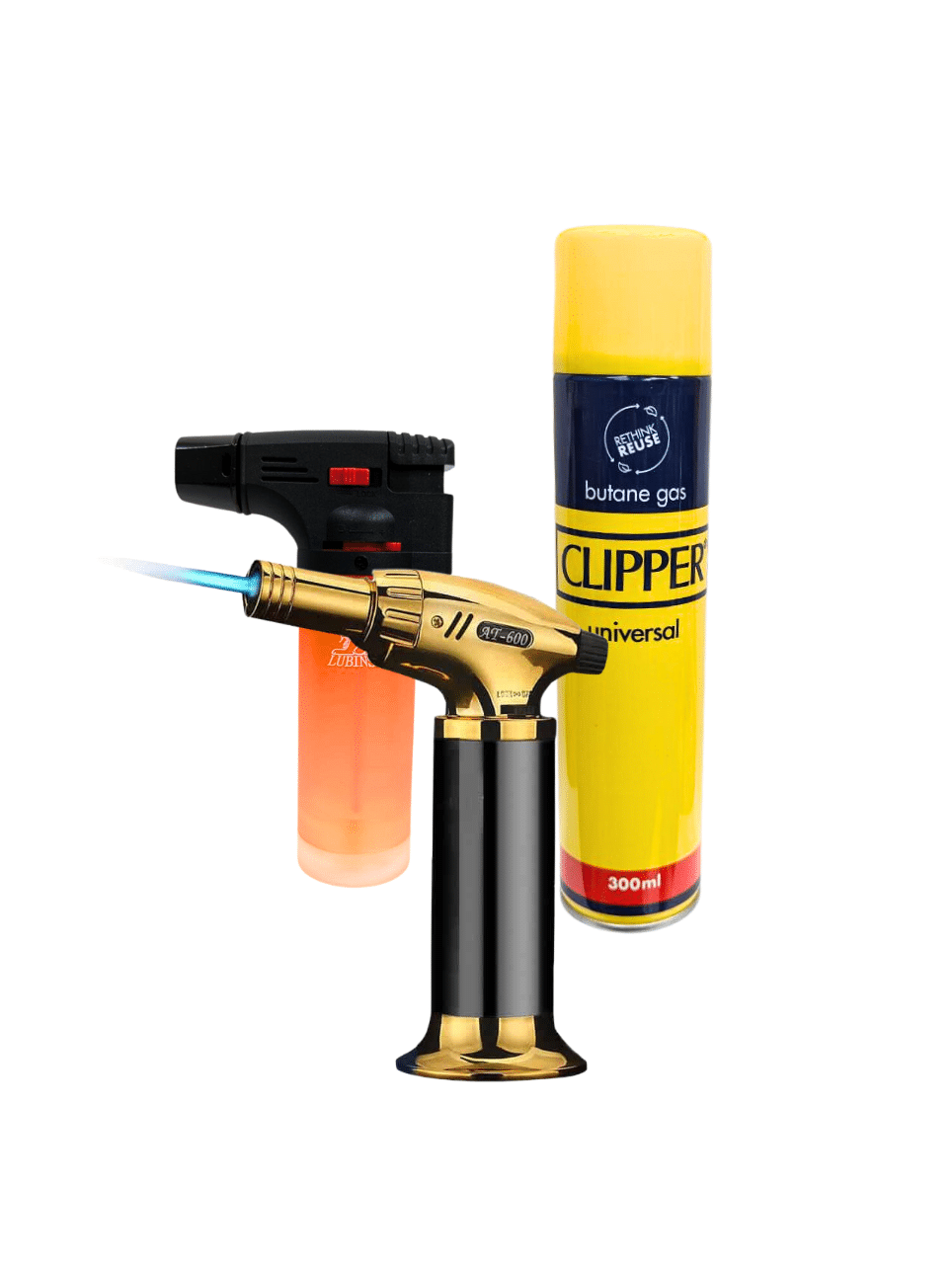
Always wear protective gloves and goggles when working with paint thinner. Ensure optimal ventilation and keep open flames away from your workspace to minimise risk.
Step 1: Set Up Your Workspace and Use PPE
Choose a well-ventilated area and lay down plastic sheeting to protect floors or work surfaces. Always wear protective gloves and goggles when working with paint thinner. You may also wish to wear a mask to reduce inhalation of fumes. Remove any nearby items that may be sensitive to solvents.
Step 2: Apply Paint Thinner to the Epoxy Resin
Pour a small amount of paint thinner onto a disposable cloth or rag. Dab it onto the epoxy resin, ensuring even coverage. Allow the thinner to sit for several minutes—this will begin to soften the cured resin. Avoid oversaturating or letting the thinner pool, as this can damage the substrate or create unwanted spill zones. Ensure the area is well-ventilated throughout this process.
Step 3: Mechanically Remove the Softened Epoxy
Once the resin appears softened, begin scraping it gently from the surface. For floors or tougher spots, use the Heavy Duty Scraper for Paint and Epoxy Resin Removal for effective coverage and leverage. On windows or smooth surfaces, the Scraper for Paint & Dry Resin Removal – 10 Double-Sided Blades gives precise control, especially useful for edges and corners. Never use excessive force when scraping to avoid surface damage.
Work patiently in sections, reapplying paint thinner if stubborn patches remain. Collect loosened resin residue using disposable cloths and place them in your designated container for safe disposal.
Step 4: Clean the Area and Dispose of Waste Safely
After removing the bulk of the epoxy, wipe the surface with a fresh cloth lightly dampened with paint thinner to remove residue. Allow the area to dry thoroughly. Dispose of used materials in accordance with local regulations. Never pour paint thinner or epoxy waste down the drain. Wash hands thoroughly after completing the job and air the room as needed.
Tips, Common Mistakes, and Troubleshooting
Test paint thinner in an inconspicuous area before wide application to ensure it will not damage the underlying surface. Never combine chemical and heating methods (such as heat guns) to avoid creating harmful fumes or safety risks. If epoxy remains stubborn, repeat the process in short intervals rather than using large quantities at once. Mechanical scraping is effective only after the resin is well-softened by the thinner. If you experience difficulties or surface dullness, gentle sanding (after full drying) can help restore finish.
Key Reminders for Clean Epoxy Removal
Dispose of used materials in accordance with local regulations. This protects both your health and the environment. Avoid rushing—patience leads to better results.
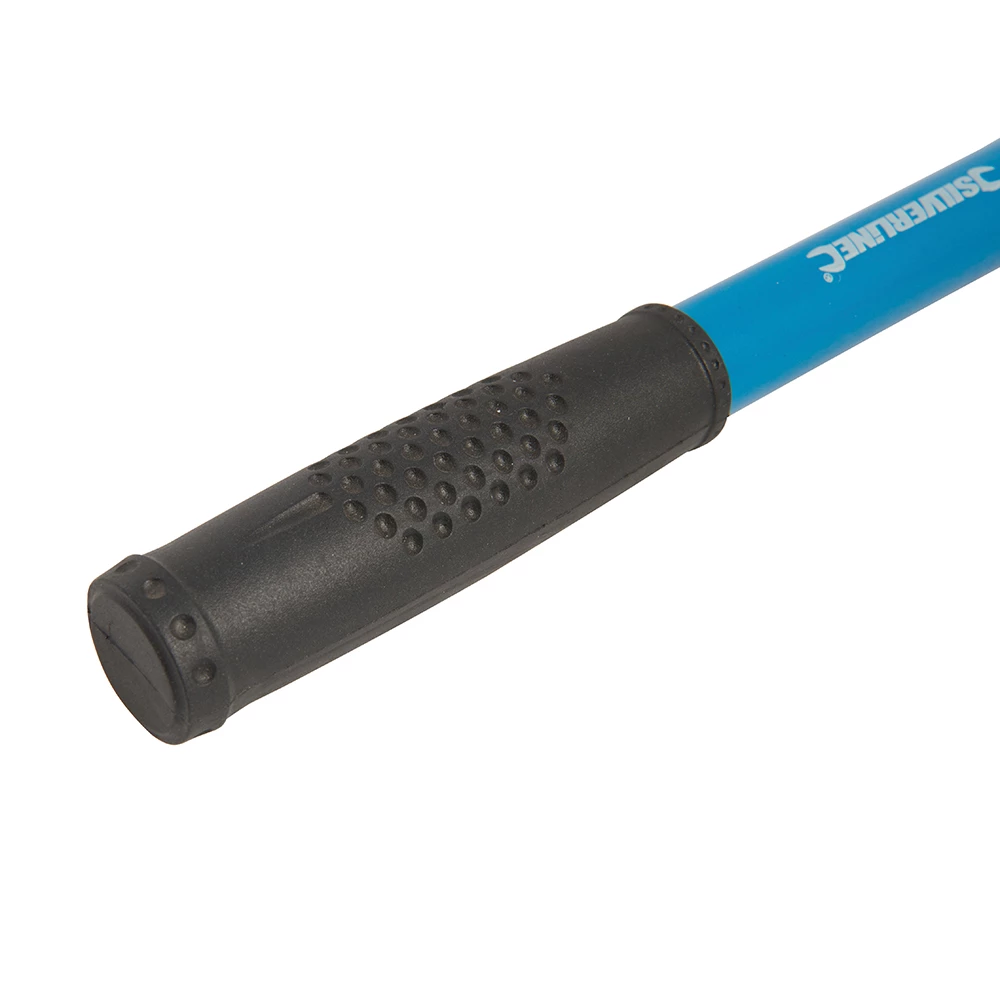
- Heavy Duty Scraper for Paint and Epoxy Resin Removal£8.35The Heavy Duty Scraper is designed for comfortable, precise removal of paint and resin, suitable for renovation projects.
- Gas Heat Gun for Epoxy Resin – Precision Tool for Bubble Removal and FinishingPrice range: £4.15 through £13.85The Gas Heat Gun is suitable for precision heating in epoxy resin projects to reduce bubbles and achieve a smooth finish.
 Scraper for Paint & Dry Resin Removal – 10 Double-Sided Blades£4.65A scraper designed for removing paint and dry resin from smooth surfaces with an easy tool-free blade change system.
Frequently Asked Questions
Can paint thinner remove epoxy resin safely?
Paint thinner can soften and help remove epoxy resin, but always ensure appropriate PPE and ventilation are used for safety.
What is the best tool for scraping softened epoxy resin?
A purpose-made scraper, such as a heavy duty or window scraper, is ideal for removing softened resin residue.
Should I use heat when using paint thinner?
No, never combine heat and paint thinner as this could produce hazardous fumes and increase safety risks.
What is the best way to dispose of resin removal waste?
Collect all waste in a sealable container and follow local hazardous waste disposal guidelines for safety and compliance.
What PPE is needed for epoxy resin removal?
Wear protective gloves and goggles as a minimum, and consider a mask when using solvents in limited-ventilation spaces.