 Free shipping on orders over £29,85
  Shipping Tracking!


 Google
 Facebook
how to remove epoxy resin with white spirit?
Step-by-step guide for safe and efficient epoxy resin removal
Epoxy resin can be very resilient once cured, making it a challenge to remove, especially from surfaces like tiles, wood, or tools. If you are dealing with unwanted splashes, drips, or accidental spills, this guide will walk you through removing epoxy resin effectively using white spirit. Whether you’re tackling a recent mishap or updating a workspace, these steps emphasise safety, efficiency, and optimal results.
What You’ll Need
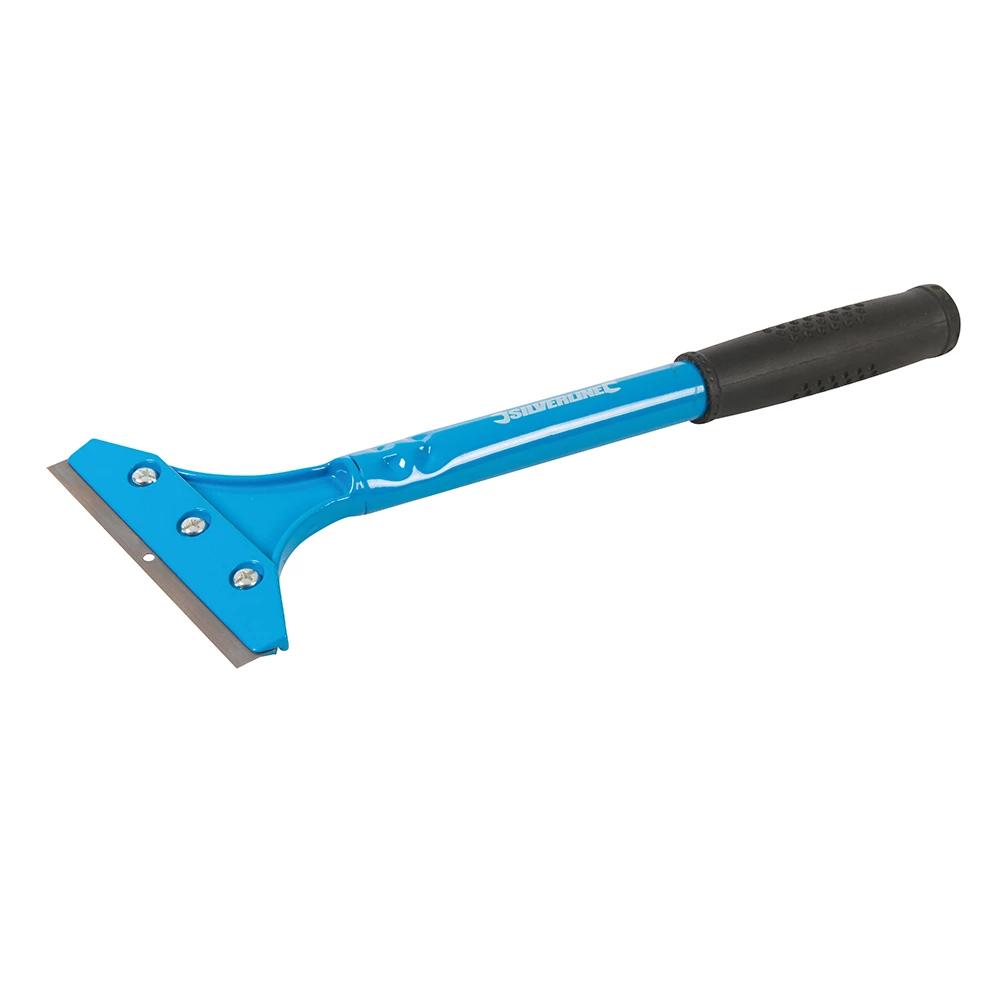
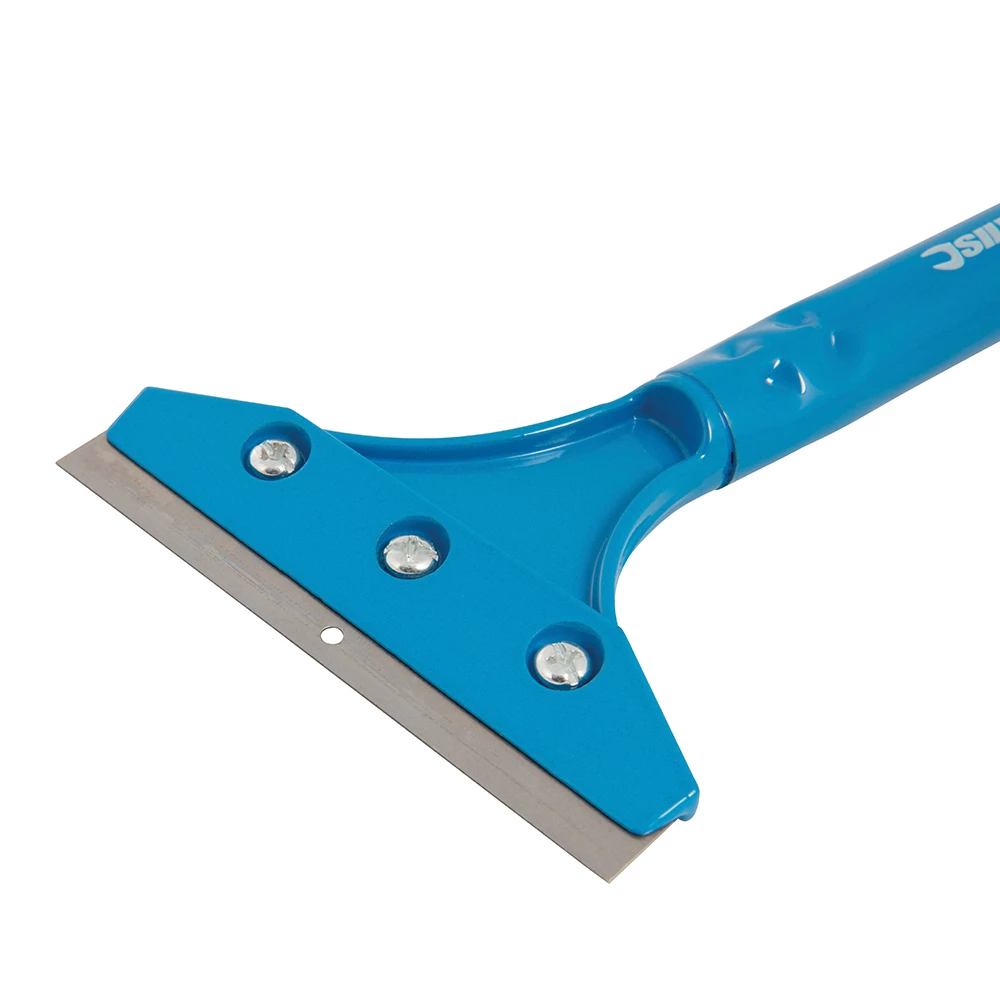
- Heavy Duty Scraper for Paint and Epoxy Resin Removal: For lifting softened or partially cured resin.
- White spirit (solvent available at hardware shops)
- Absorbent rags, paper towels, or soft cloths
- Protective gloves and goggles
- Water and mild soap for cleanup
- Waste disposal bag
White Spirit Safety for Epoxy Resin Removal
When using white spirit, always ensure there is adequate ventilation and wear protective gloves to avoid skin irritation. Limit solvent exposure and keep it well away from open flames or heat sources owing to its flammability. Never mix white spirit with other chemical cleaners.
Step 1: Assess the Cured State of the Epoxy
Before starting, determine whether the epoxy resin is still soft or fully hardened. White spirit is most effective on uncured or semi-cured resin, as fully cured epoxy is less responsive to solvents. If possible, act promptly after a spill, as time is critical for easy removal.
For fully cured resin, additional mechanical effort may be required. In that case, consider gently scraping first to thin the layer before applying white spirit, taking care not to damage the surface beneath.
Step 2: Apply White Spirit Carefully
Soak a corner of a clean rag or paper towel with white spirit. Place the wetted area directly over the epoxy resin spot and let it sit for several minutes. The solvent will penetrate and begin to soften the resin.
Wear protective gloves when using white spirit to avoid skin contact. Keep the room well-ventilated to minimise solvent fumes and risk of irritation.
Step 3: Loosen and Lift the Softened Resin
Once the epoxy starts to soften, use a clean part of your rag to gently rub the surface in circles. If the resin remains tough, repeat the application or increase the dwell time slightly—but avoid letting white spirit sit too long on sensitive surfaces like varnished wood or painted finishes.
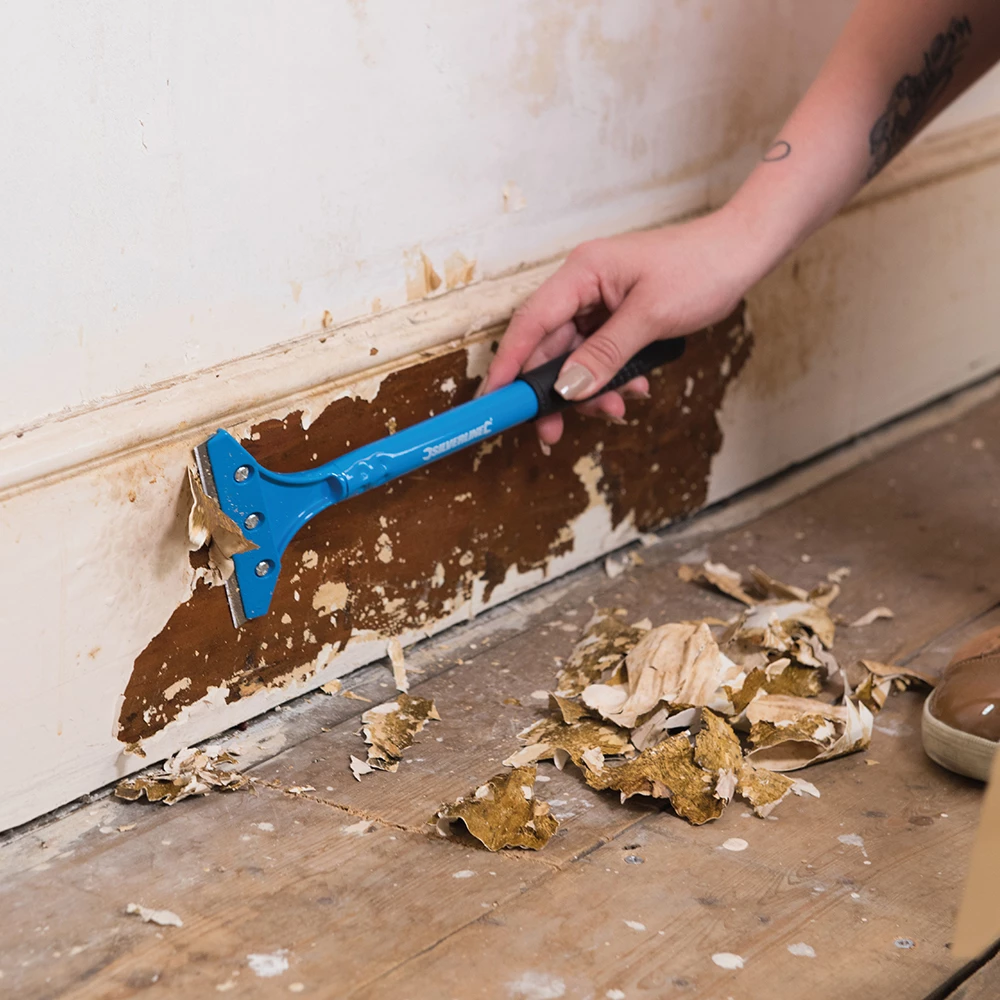
For stubborn or thicker areas, use the Heavy Duty Scraper for Paint and Epoxy Resin Removal to carefully lift the resin. Work slowly with minimal pressure to avoid scratching or damaging the underlying material.
Step 4: Final Cleaning and Residue Removal
Once the bulk of the epoxy resin has been removed, wipe the area with a fresh cloth dampened with white spirit to collect any remaining residue. Afterward, clean thoroughly with water and mild soap to eliminate solvent traces and ensure a safe, clean finish.
Always test on a small, inconspicuous area first if you’re unsure about the safety of white spirit on the surface you are cleaning.
Tips, Common Mistakes, and Troubleshooting
- Work in a well-ventilated area and keep white spirit away from open flames or heat sources, as it is flammable.
- If white spirit is not effective, you may need to try specialised resin removers or combine with gentle mechanical scraping for cured epoxy.
- If residue is still visible, gentle repeated applications are safer than a single prolonged soak.
- Dispose of any rags or paper towels safely after use; soaked materials can be flammable.
Choosing Between Mechanical and Chemical Methods
For stubborn epoxy resin, mechanical methods like a Heavy Duty Scraper can complement chemical softening with white spirit. By combining careful scraping and solvent application, you minimise potential surface damage and increase the chance of thoroughly removing resin.
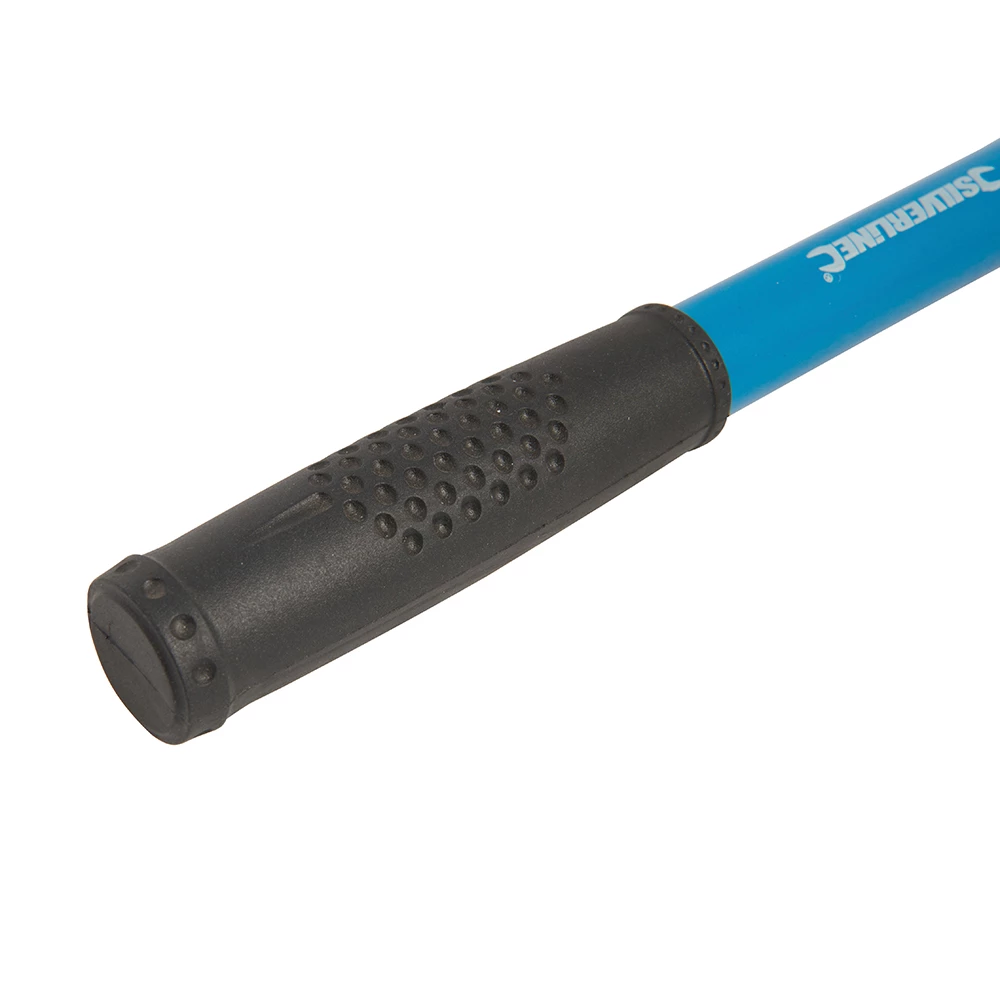
- Heavy Duty Scraper for Paint and Epoxy Resin Removal£8.35Heavy Duty Scraper offers a lightweight design with a razor-sharp blade, suitable for precise removal tasks related to paint and resin.
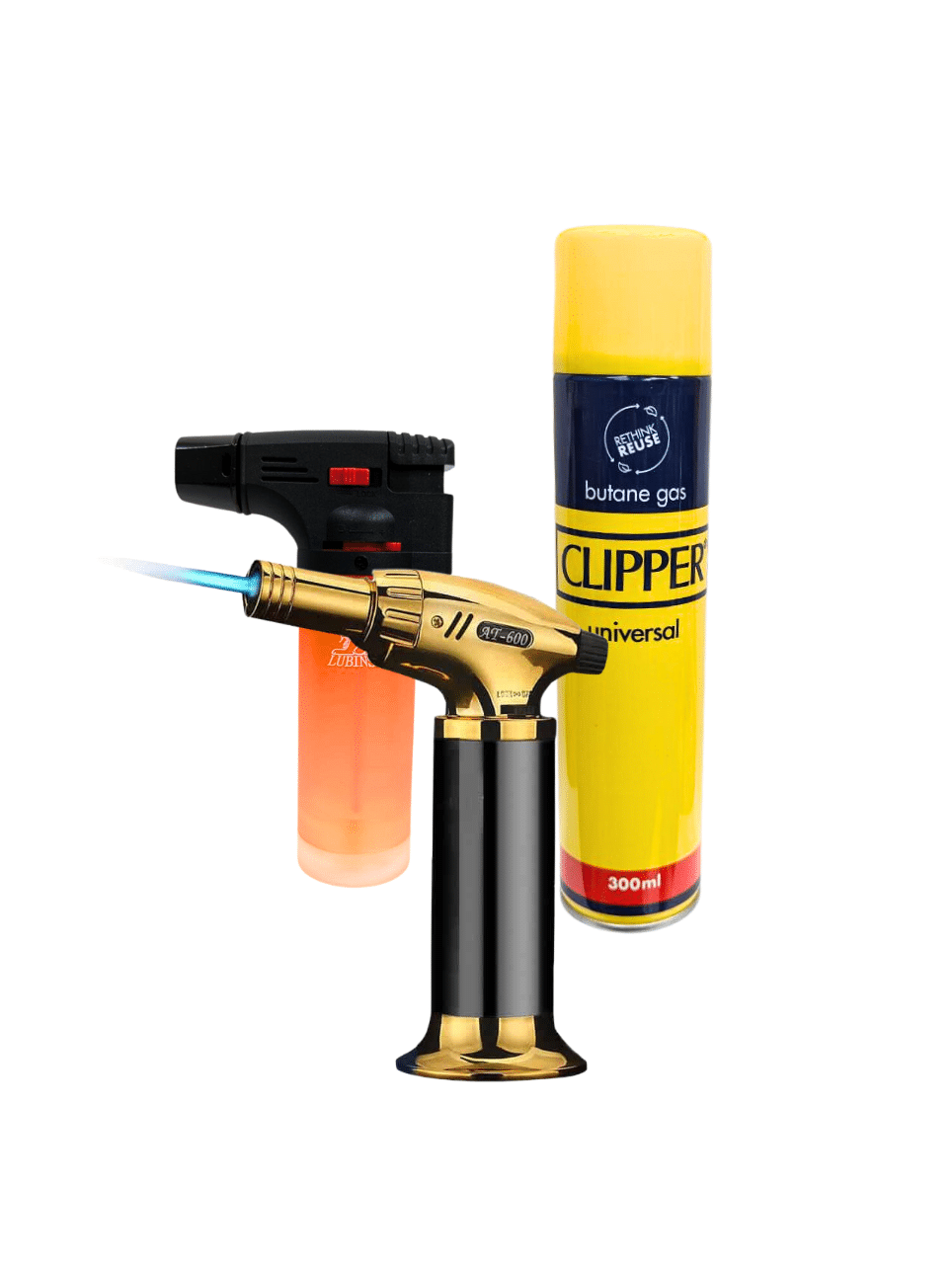
- Gas Heat Gun for Epoxy Resin – Precision Tool for Bubble Removal and FinishingPrice range: £4.15 through £13.85The Gas Heat Gun enables precise heating to reduce bubbles and aid finishing in epoxy resin projects. Suitable for various skill levels.
 Pure Isopropyl Alcohol 99.9% – 1000ml Bottle for Epoxy Resin Projects & DIYPrice range: £9.85 through £19.85Pure Isopropyl Alcohol 99.9% in 1000ml bottles is commonly used in epoxy resin projects for bubble removal and creative effects.
 Strong Technical Degreaser for Resin Projects – 100% Natural FormulaOriginal price was: £10.00.£8.85Current price is: £8.85.Strong Technical Degreaser offers a natural formula suitable for gentle cleaning in resin projects themed on removal techniques.
Frequently Asked Questions
Is white spirit effective for removing epoxy resin?
White spirit can soften and help remove uncured or semi-cured epoxy resin, but may have limited effect on fully cured resin.
Will white spirit damage painted or finished surfaces?
White spirit may affect paints, varnishes, or plastics. Always test first on a hidden area to check compatibility.
Can I use scraping tools after softening resin with white spirit?
Yes, using a scraper after applying white spirit can help remove larger or tougher resin deposits.
What precautions are needed when using white spirit?
Use gloves, provide good ventilation, keep away from flames, and never mix with other solvents.
What should I do if the epoxy resin is fully cured?
Fully cured epoxy resin is resistant to most solvents and may require careful mechanical removal with a scraper.