 Free shipping on orders over £29,85
  Shipping Tracking!


 Google
 Facebook
how to remove epoxy resin
Practical steps for effective and safe epoxy resin removal
If you have accidentally spilled epoxy resin or need to strip dried resin from workspaces, knowing the right removal methods is essential. This guide will show you proven techniques for removing cured or uncured epoxy resin from floors, worktops, or tools—making your DIY or crafting project safe and tidy.
What You’ll Need
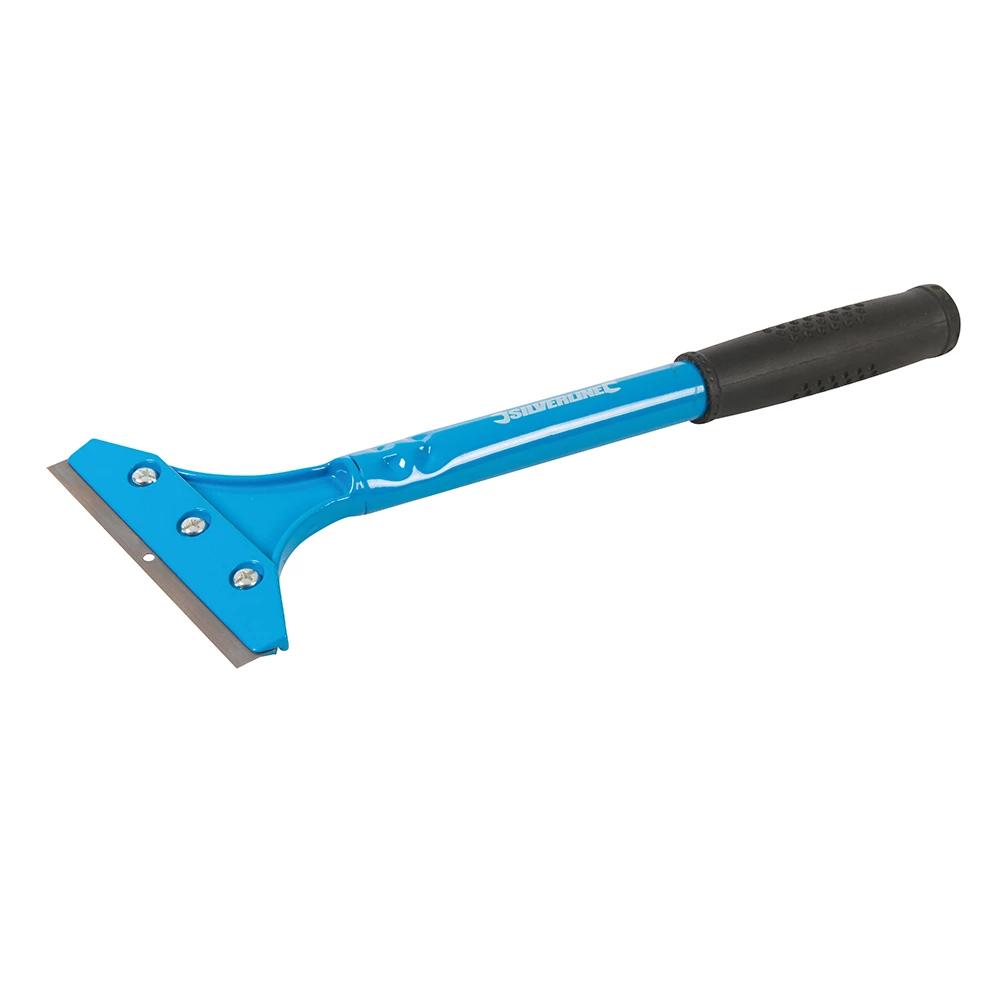
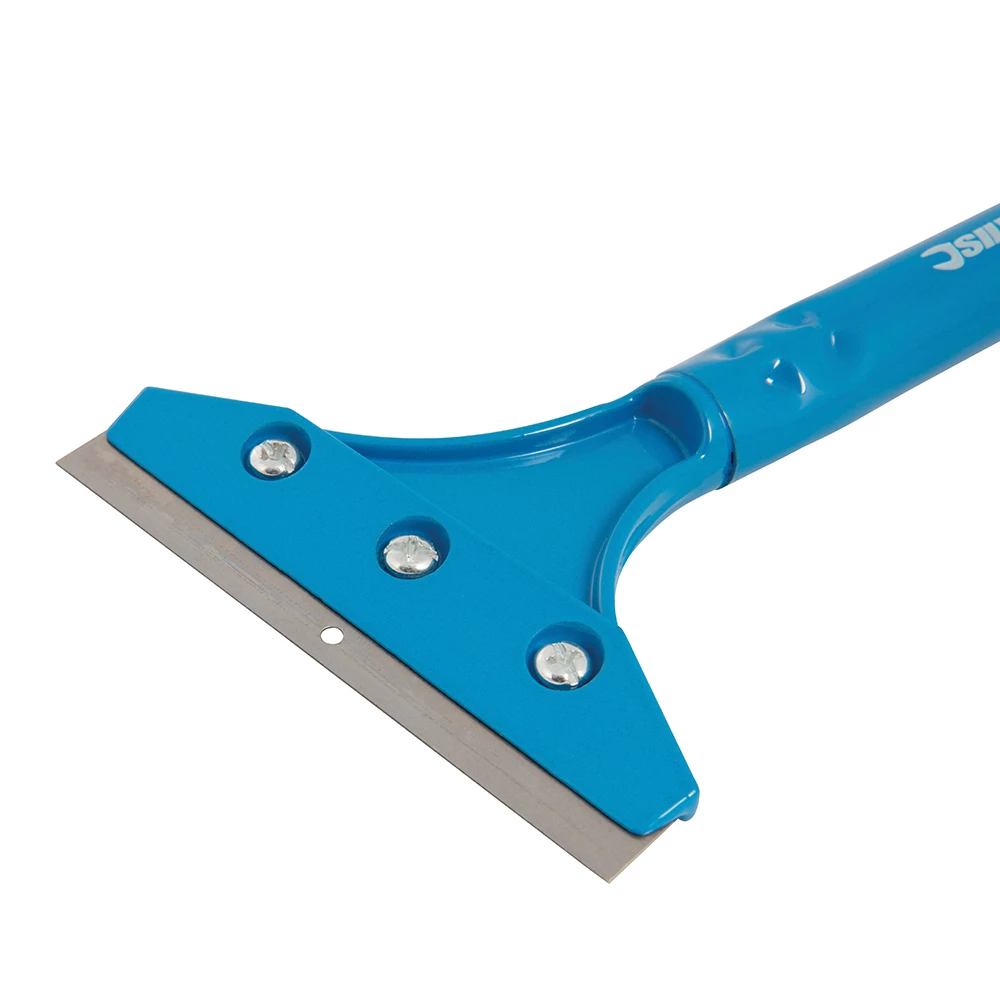
- Heavy Duty Scraper for Paint and Epoxy Resin Removal – For physically removing hardened resin from robust surfaces.
- Pure Isopropyl Alcohol 99.9% – 1000ml Bottle for Epoxy Resin Projects & DIY – To help dissolve and wipe away fresh resin.
- Strong Technical Degreaser for Resin Projects – 100% Natural Formula – For thorough residue and grease removal.
- “Epoxy Polish” – Epoxy Resin Polishing System – Restores shine after resin removal if surfaces appear dull or scratched.
- Protective gloves and safety glasses
- Clean lint-free cloths or sponges
Visual Guide: Essential Resin Removal Tools in Action
See how each recommended product is used in real-life scenarios, from scraping thick resin deposits to applying degreaser for a perfectly clean finish. Notice the difference proper technique makes, ensuring surfaces remain safe and undamaged while achieving thorough resin removal.

Step 1: Assess the Epoxy Resin and Surface
Begin by determining whether the epoxy resin is fully cured or still tacky. Uncured resin is usually sticky and soft, while cured epoxy feels hard and solid. Identifying the stage will dictate the approach you should take. Also, consider the material beneath—delicate surfaces require a gentler touch compared to durable worktops or floors to avoid damage.
Step 2: Mechanically Remove Cured Epoxy Resin
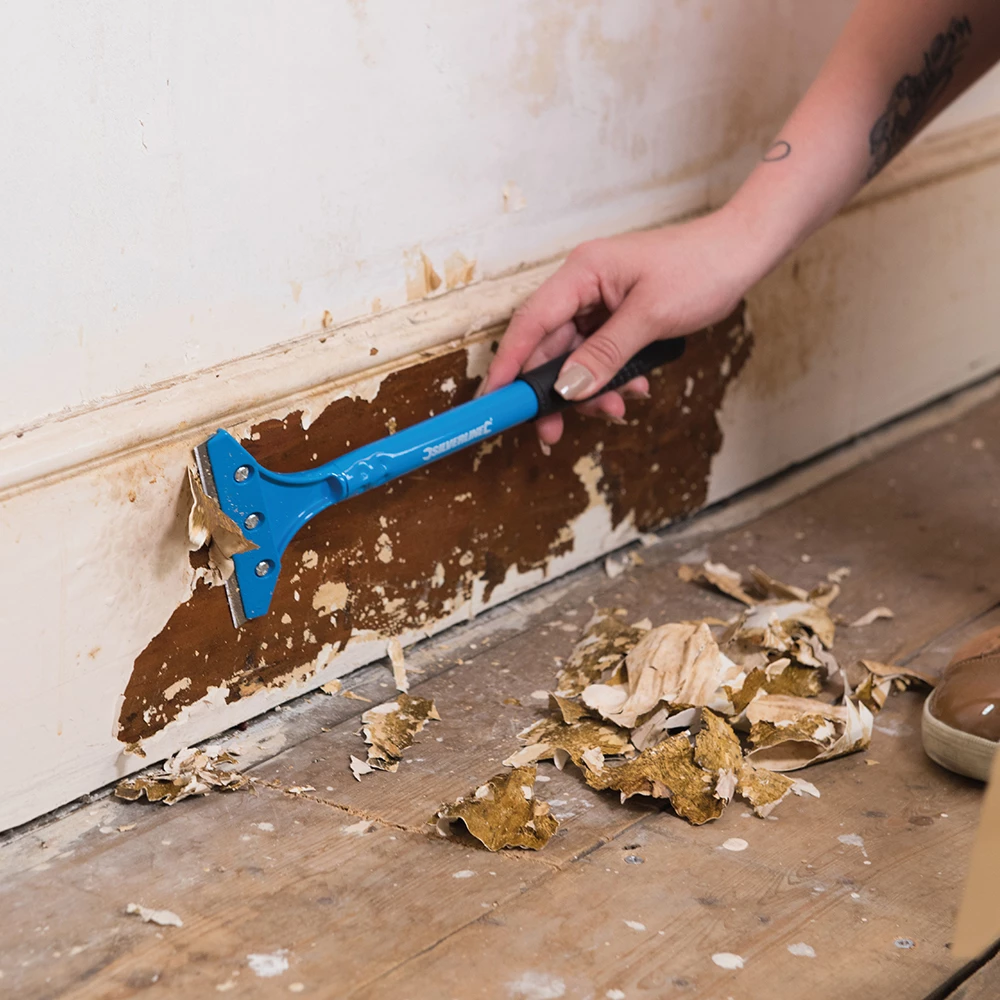
To tackle cured resin spots, carefully use a scraper tool. Use a scraper only on durable surfaces to avoid scratches. Hold the scraper at a shallow angle and gently but firmly push under the edge of the epoxy, lifting it off the material. Work slowly and do not force the blade, as this can gouge softer woods or plastics. For larger spills or thicker layers, break up the resin into smaller pieces to ease removal.
If the area is difficult to reach or you require extra precision, a small hand-held scraper allows for better control. Always wear gloves to protect your hands from sharp blades and resin dust.
The Heavy Duty Scraper for Paint and Epoxy Resin Removal provides secure handling for extended jobs and is effective on floors, tiles, and robust worktops.
Step 3: Dissolve and Wipe Uncured or Thin Resin Layers
For spills where the resin is still sticky or only a thin layer remains, apply a small amount of solvent to a clean cloth. Work in a well-ventilated area and wear gloves. Gently blot and rub the area until the resin softens and begins to lift away. Take care not to saturate the surface, especially on wood or porous materials, as excess liquid may cause swelling or staining.
One highly effective option is Pure Isopropyl Alcohol 99.9% – 1000ml Bottle for Epoxy Resin Projects & DIY. Its high purity helps dissolve fresh resin without leaving residues. After dissolving the deposit, wipe the area several times with a clean, damp cloth to remove all traces of alcohol.

Step 4: Clean Residues and Degrease the Surface
Even after mechanical or chemical removal, some greasy or sticky residue may remain on the surface. Use a degreasing cleaner compatible with your material. Test cleaning solutions on an inconspicuous spot first to ensure compatibility and avoid discolouration or damage. Apply the cleaner according to the product instructions, then wipe with a clean cloth until the area feels residue-free.
Strong Technical Degreaser for Resin Projects – 100% Natural Formula offers a safe, plant-based solution for multiple surfaces, ensuring your workspace is left grease-free and ready for further use.

Step 5: Restore Glossy Finish if Needed
Removed resin often leaves a dull spot or visible scratches, especially on glossy surfaces. Once the surface is completely clean and dry, polish with a purpose-designed system. Allow surfaces to dry fully before polishing. Using a soft pad or a rotary polisher as advised, apply a polishing cream in gentle circular motions until the desired gloss is restored.
The “Epoxy Polish” – Epoxy Resin Polishing System is developed for precisely this task and helps bring back clarity and smoothness to resin-affected areas.
Tips, Common Mistakes, and Troubleshooting
- Avoid using abrasive pads or harsh chemicals on delicate surfaces.
- Never scrape heated or freshly poured resin; wait for full curing before attempting removal.
- Ventilate the workspace thoroughly when using solvents to minimise exposure to fumes.
- Wear gloves and eye protection at all stages to protect against sharp tools and chemical splashes.
- For difficult stains or thick resin build-up, repeating the cleaning process may be necessary rather than increasing force or chemical concentration.
Surface Restoration Results After Resin Removal
Before and after images demonstrate how glossy and residue-free worktops or floors look following removal and polishing. Expert technique combined with the right products restores surfaces to their original beauty.
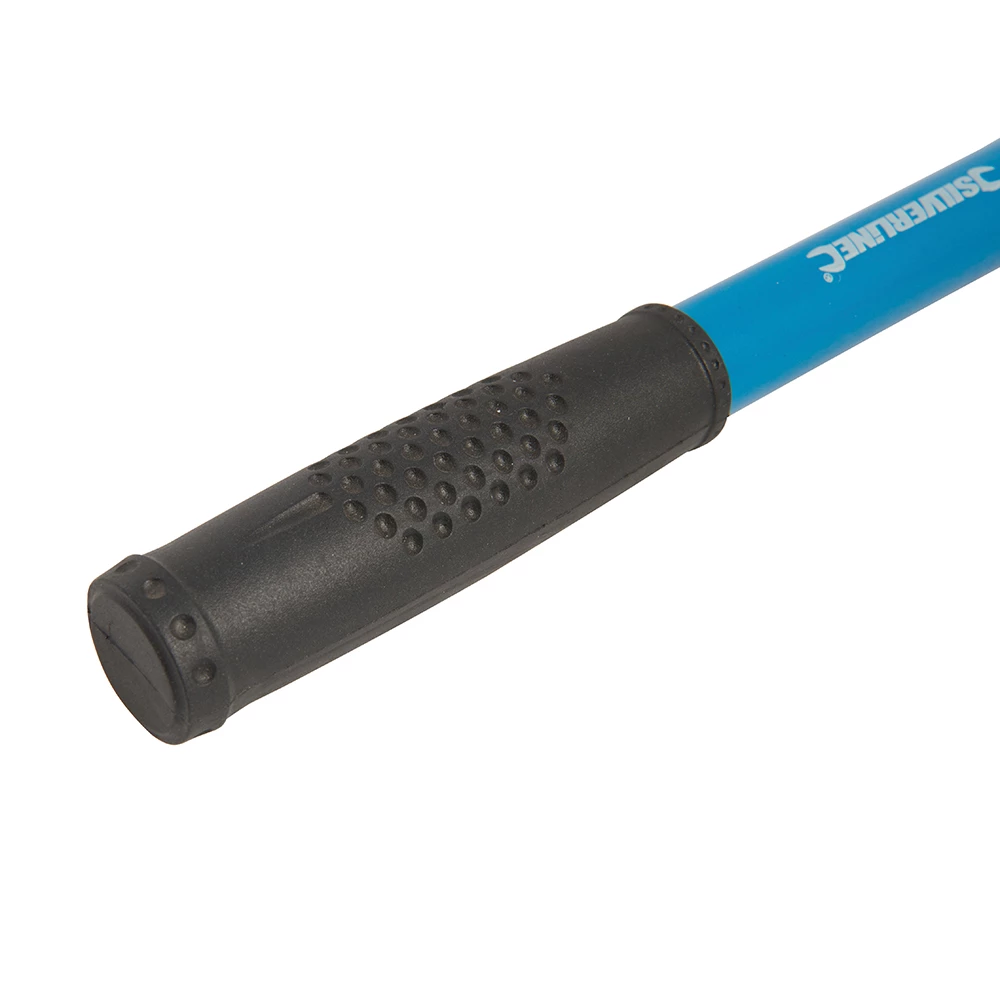
- Heavy Duty Scraper for Paint and Epoxy Resin Removal£8.35Heavy Duty Scraper designed for effective removal of wall coverings, tiles, and paint with lightweight handling and a razor-sharp blade.
- Pure Isopropyl Alcohol 99.9% – 1000ml Bottle for Epoxy Resin Projects & DIYPrice range: £9.85 through £19.85Pure Isopropyl Alcohol 99.9% is suitable for epoxy resin projects, aiding bubble removal and creative resin effects.
- Strong Technical Degreaser for Resin Projects – 100% Natural FormulaOriginal price was: £10.00.£8.85Current price is: £8.85.Strong Technical Degreaser is designed for cleaning epoxy resin projects with a natural, gentle formula suitable for multiple surfaces.
- "Epoxy Polish" – Epoxy Resin Polishing SystemPrice range: £17.85 through £44.85"Epoxy Polish" is a resin polishing system designed to restore gloss and reduce scratches on epoxy resin surfaces.
Frequently Asked Questions
Can I remove epoxy resin without damaging the surface?
Yes, use appropriate tools and test cleaners on a hidden area. Avoid excessive scraping or harsh chemicals on delicate materials.
What is the safest solvent for epoxy resin removal?
Isopropyl alcohol is widely used for uncured resin and is generally safe if applied carefully with adequate ventilation.
How do I get rid of sticky or greasy epoxy residue?
Apply a gentle degreaser, then wipe the area repeatedly with a clean, damp cloth until all residue is gone.
Will polishing improve the surface after resin removal?
Yes, polishing restores gloss and smoothness to areas that were dulled or scratched during epoxy resin removal.
What are common mistakes to avoid when removing epoxy resin from floors?
Never rush curing, use abrasive pads, or increase solvent strength excessively. Always ventilate and wear protective gear.